The Ultimate Guide to Traditional Chinese Paper Wrapped Chicken: A Modern Air Fryer Adaptation of Zhi Bao Ji

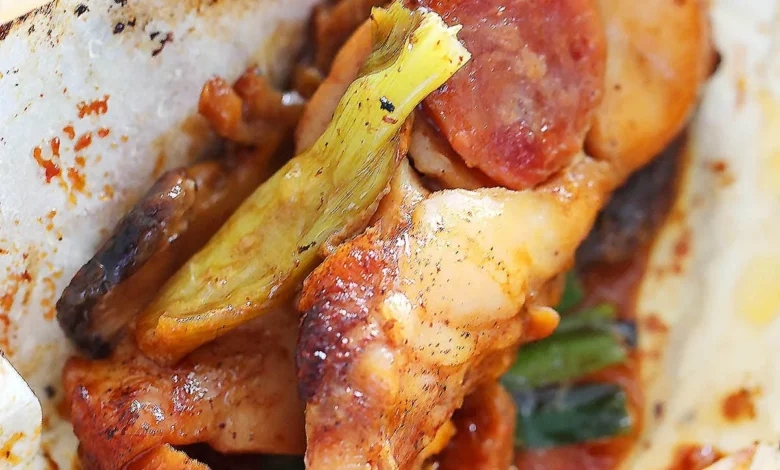
Paper-wrapped chicken, traditionally known in Chinese culinary lexicon as zhi bao ji (纸包鸡), stands as a revered classic within Cantonese and broader Chinese gastronomy. Featuring succulent, marinated pieces of meat encased securely within paper parcels and cooked to absolute tenderness, this preparation method ensures that all inherent flavors and savory juices remain locked inside during the cooking process. Historically, commercial kitchens relied on deep-frying methods to quickly cook the parcels, though aluminum foil has frequently been substituted by restaurants aiming to expedite prep times and prevent the delicate paper wrappers from tearing in high-temperature oil.

A modern adaptation of this culinary tradition has recently gained widespread attention, offering home cooks an alternative approach that utilizes an air fryer rather than a vat of boiling oil. This evolution allows culinary enthusiasts to replicate restaurant-quality results in domestic kitchens, significantly reducing the volume of cooking oil required while preserving the moisture and complex flavor profile characteristic of authentic zhi bao ji.

Culinary Origins and the Evolution of Preparation Techniques
The genesis of paper-wrapped chicken as a commercial and home-cooking staple dates back decades, deeply rooted in traditional Chinese banquet cooking. Early iterations relied exclusively on parchment or greaseproof paper, which acted as a vapor barrier. When subjected to heat, the liquid components within the marinade—principally Shaoxing wine, soy sauces, and rendered fats—create internal steam. This environment gently braises the protein, resulting in exceptional tenderness that dry-heat cooking methods struggle to replicate.

In diaspora communities and overseas Chinese restaurants, particularly those operating in North America since the mid-to-late 20th century, structural adaptations emerged. Cooks frequently transitioned from specialized parchment to heavy-duty aluminum foil. While foil withstood aggressive deep-frying temperatures and eliminated the risk of wrapper disintegration, it sacrificed a distinct textural and aromatic nuance native to paper wrapping. Modern culinary research into home appliances has revived the parchment method, leveraging the precise, circulating heat of contemporary air fryers to achieve the ideal balance of internal steaming and exterior crispness without the hazards of traditional deep-frying.

Essential Ingredients and Flavor Architecture
Achieving the authentic flavor profile of zhi bao ji requires a precise selection of proteins, aromatics, and umami-rich condiments. Culinary purists and home cooks alike emphasize specific components that elevate the dish beyond a simple marinated chicken recipe:

- Protein Selection: Boneless, skinless chicken thighs are universally recommended over breast meat. The higher natural fat content within thigh meat prevents the protein from drying out during the steaming phase inside the paper parcel.
- The Umami Foundation: Premium oyster sauce—specifically brands utilizing authentic oyster extracts rather than artificial flavorings—forms a thick, savory glaze that adheres closely to the meat.
- Soy Sauce Duality: The recipe mandates a combination of light and dark soy sauces. Light soy sauce imparts the primary sodium and saltiness, while dark soy sauce, which is thicker and less salty, contributes a deep, characteristic golden-amber hue associated with traditional restaurant presentations.
- Aromatics and Accents: Shaoxing rice wine provides the distinct foundational aroma characteristic of classic Chinese cuisine, with dry sherry serving as an accepted western substitution. White pepper is favored over black pepper for its sharper, cleaner heat, complemented by a subtle pinch of five-spice powder.
- Optional Enhancements: Traditional variations frequently incorporate rehydrated shiitake mushrooms, which act as culinary sponges for the surrounding juices, and Chinese sausage (lap cheong), which renders sweet, rich fats directly into the chicken as the internal temperature rises.
Step-by-Step Methodology and the Air Fryer Technique
The contemporary preparation of paper-wrapped chicken involves a structured timeline designed to maximize flavor absorption and structural integrity of the parcels:

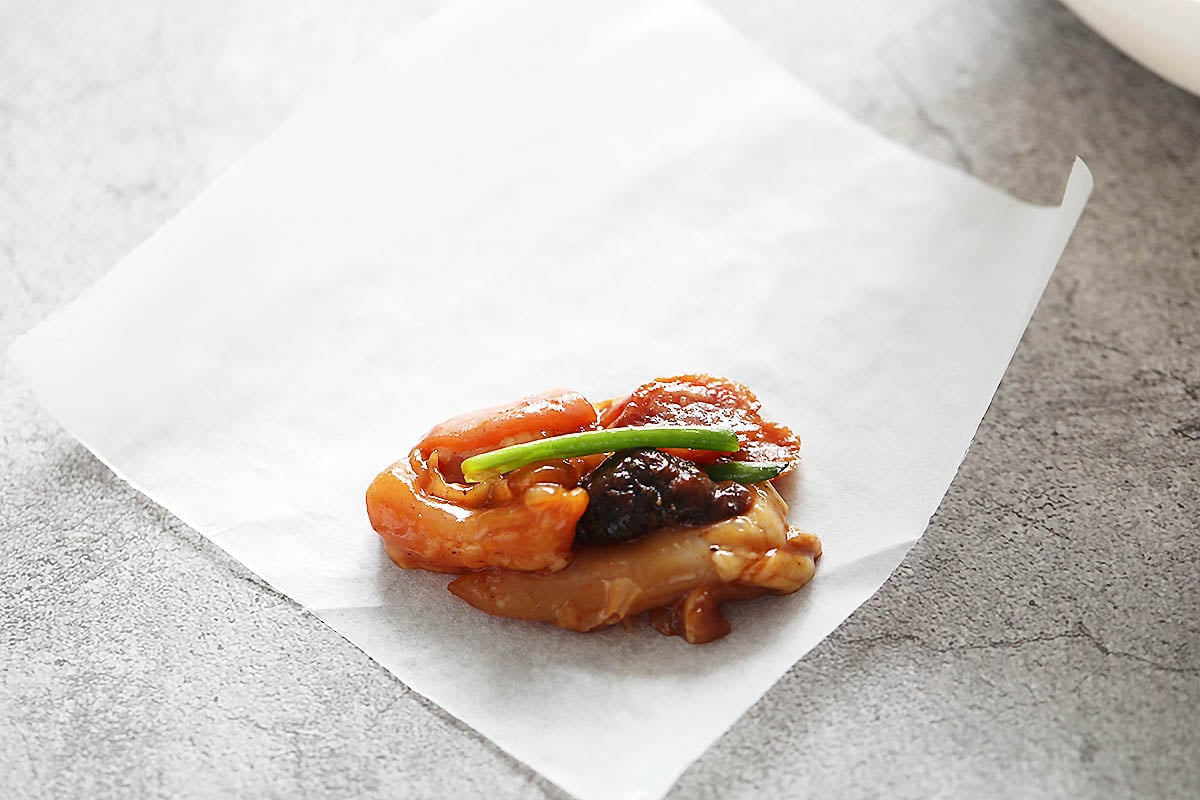
- Marination: Chicken thighs, ginger slices, optional shiitake mushrooms, and sliced Chinese sausage are combined in a large vessel with light soy sauce, oyster sauce, dark soy sauce, Shaoxing wine, white pepper, five-spice powder, a touch of sugar, and sesame oil. Scallions are added toward the end of the process, allowing the mixture to marinate for a minimum of 30 minutes.
- Aromatic Extraction: Crucially, the ginger slices are removed and discarded prior to wrapping. While essential for infusing the initial marinade, leaving large ginger pieces inside the sealed parcel creates an overpowering, harsh flavor concentration during cooking.
- The Diamond Fold: Parchment paper is cut into square sheets and oriented in a diamond shape. The filling is placed strategically just above the bottom corner, leaving ample perimeter paper to execute a tight, secure roll. Proper creasing is essential to prevent steam and juices from escaping during the cooking cycle.
- Air Fryer Execution: The sealed parcels are arranged in a single layer within the air fryer basket. A light exterior brush of cooking oil on the paper facilitates browning. Cooking occurs at 180°C (350°F) for approximately 10 minutes before the parcels are flipped and cooked for an additional 4 minutes to ensure complete internal doneness.
Nutritional Profile and Dietary Considerations
Analysis of the nutritional composition indicates that paper-wrapped chicken serves as a lean, protein-dense dish when prepared with skinless poultry. Standard nutritional approximations per individual parcel indicate a calorie count of approximately 40 kcal, with roughly 5 grams of protein, 1 gram of fat (including minimal saturated fats), and 1 gram of carbohydrates. The sodium content hovers around 161 mg per parcel, largely dictated by the soy and oyster sauce components of the marinade.

Broader Culinary Implications and Storage Protocols
The resurgence of paper-wrapped chicken via air-frying technology highlights a broader trend in modern home cooking: the adaptation of labor-intensive restaurant techniques for domestic efficiency. By eliminating large-scale deep-frying setups, home cooks can safely execute steaming-in-paper methods that were previously restricted by kitchen safety concerns regarding hot oil management.
Furthermore, the recipe’s compatibility with advance preparation—such as marinating and wrapping parcels up to 24 hours in advance, or freezing them raw for extended storage—underscores its practicality for meal planning. Leftover cooked parcels maintain structural and sensory quality when refrigerated for up to three days and can be effectively reheated unopened in an air fryer at 160°C (320°F) for four to five minutes. This blend of historical preservation and contemporary appliance integration ensures that classic dishes like zhi bao ji remain accessible and relevant to modern culinary practices.