Celebrating the Mid-Autumn Festival Through Time-Honored Culinary Traditions and Family Feasts

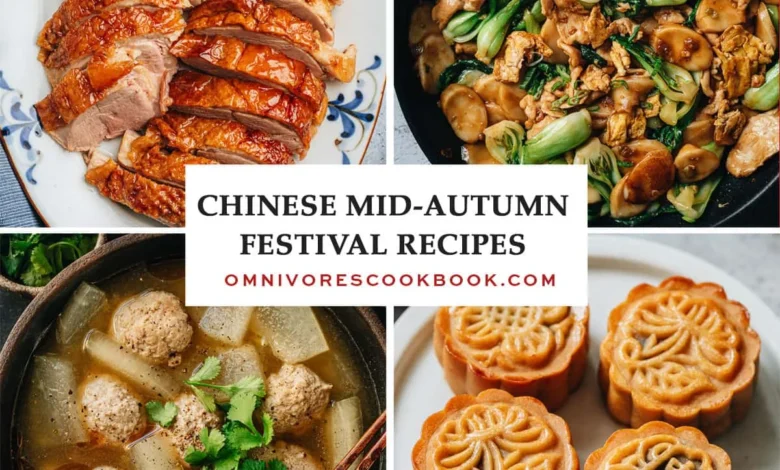
The Mid-Autumn Festival, historically known as Zhongqiu Jie in Chinese culture, stands as one of the most significant traditional celebrations in the global Chinese calendar, second only in importance to the Lunar New Year. Celebrated annually on the 15th day of the eighth month of the lunar calendar—a date that typically falls in September or early October of the Gregorian calendar—the festival coincides with the autumn harvest and the moment when the moon reaches its absolute fullest and brightest phase. Historically rooted in ancient lunar worship and agricultural thanksgiving, the modern celebration emphasizes family reunion, harmony, and generational continuity. As communities worldwide prepare to observe the holiday, culinary historians and home cooks alike turn their attention to the specialized feast that anchors the evening, blending age-old symbolism with regional gastronomy.
Historical Context and Cultural Significance of the Lunar Harvest Celebration
Dating back over three millennia to the Shang and Zhou dynasties, the Mid-Autumn Festival originated as a ritualistic thanksgiving offering to the moon deities for a bountiful harvest. Over successive imperial dynasties, including the Tang and Song, the celebration evolved into a cultural observance centered around poetic appreciation of the autumnal moon, lantern displays, and communal feasting. Central to the holiday is the concept of the "tuanyuan," or family reunion. Because the full moon physically symbolizes completeness and unity, every culinary element served during the holiday dinner carries deep symbolic weight. Whole poultry, whole fish, round meatballs, and circular pastries are deliberately chosen to reinforce the ideal of an unbroken, gathered family circle.
Culinary Chronology: Structuring the Traditional Mid-Autumn Menu
Executing a traditional Mid-Autumn banquet requires meticulous kitchen timing and a strategic division of labor between advance preparation and final-minute stovetop cooking. Culinary professionals and home hosts typically structure the multi-course meal across four distinct phases: cold appetizers, whole-animal centerpieces, balanced warming sides, and traditional pastries accompanied by tea.
Cold Appetizers and Starters
To open the palate without overwhelming the digestive system ahead of rich, braised main courses, traditional menus feature refreshing cold dishes that can be prepared hours or even days in advance.
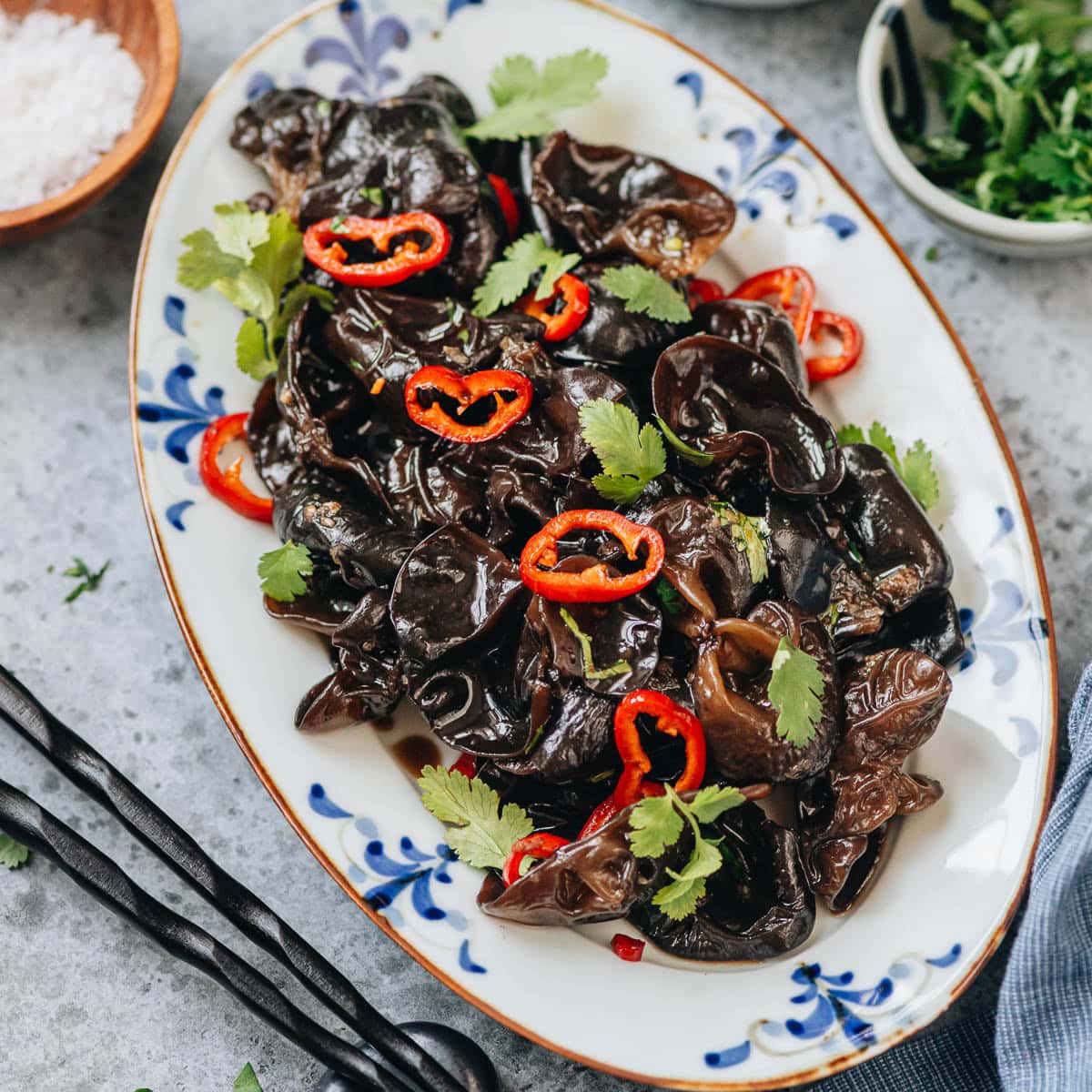
- Wood Ear Mushroom Salad: Rehydrated wood ear mushrooms provide a characteristic snappy texture, tossed in a pungent dressing featuring Chinkiang vinegar—an aged Chinese black vinegar known for its malty, complex acidity—and finished with toasted Sichuan peppercorn for a mild, tingling warmth.
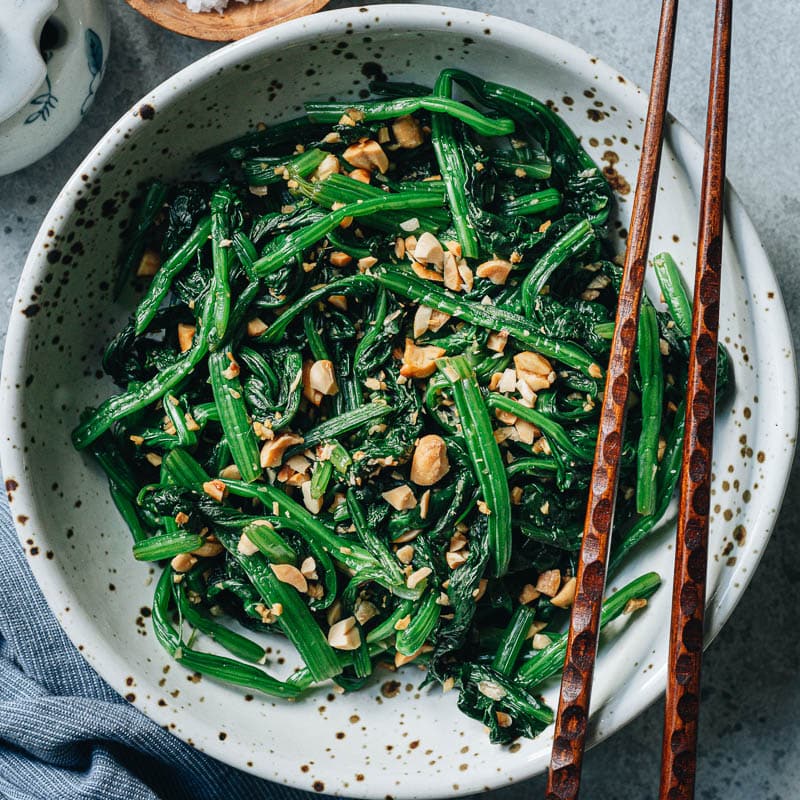
- Chinese Spinach Salad with Peanuts: A rapid 15-minute preparation combining blanched spinach with salted roasted peanuts, offering an essential herbaceous green component that cuts through the heavier fats of the main dishes.
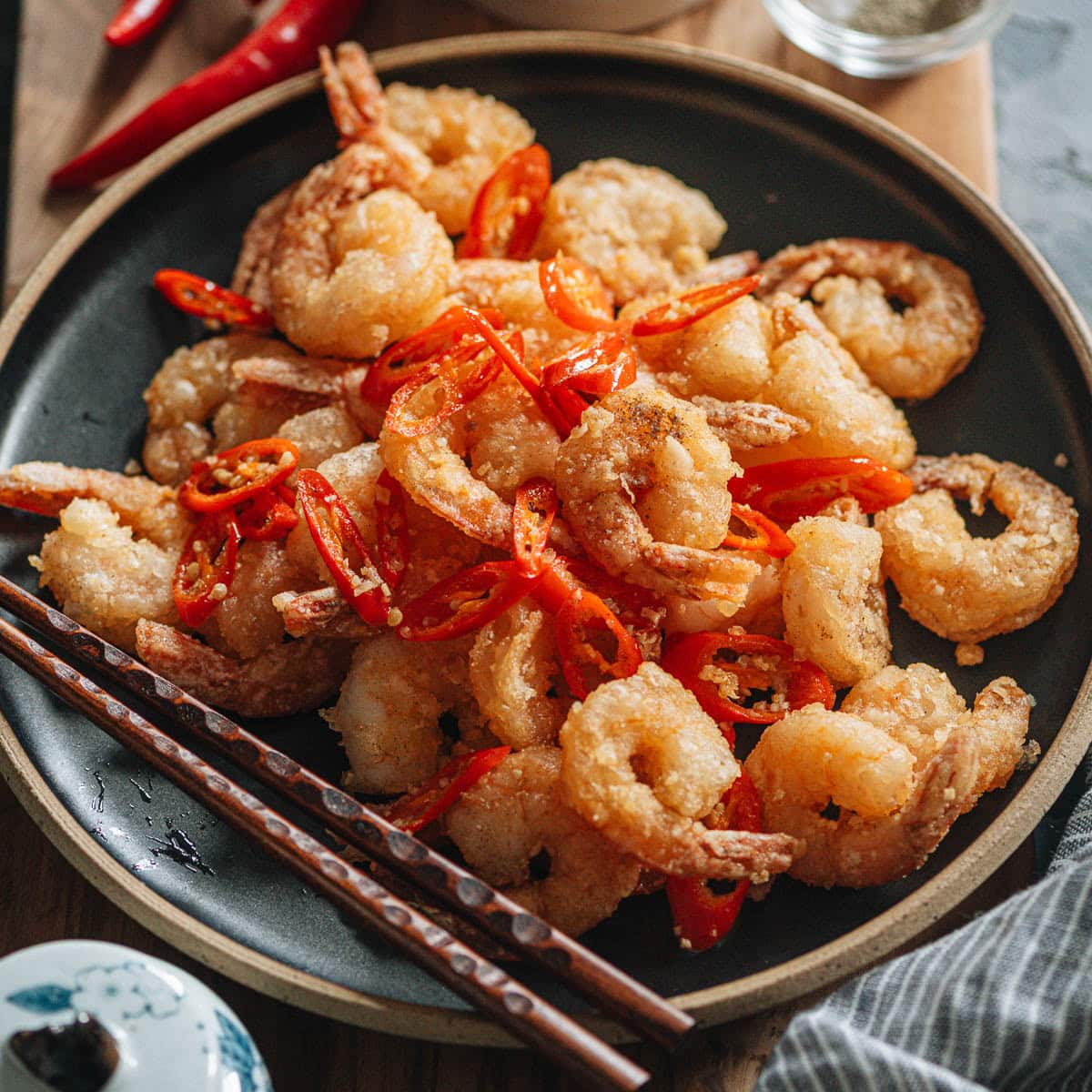
- Salt and Pepper Shrimp: A hot, crisp seafood appetizer coated in a light cornstarch layer, seasoned with aromatic white pepper, fresh chiles, and minced garlic.
Main Dishes Highlighting Abundance and Unity
The main courses form the centerpiece of the reunion banquet, traditionally utilizing whole cuts of meat or whole fish to physically manifest the wish for abundance, completeness, and a prosperous cycle from beginning to end.
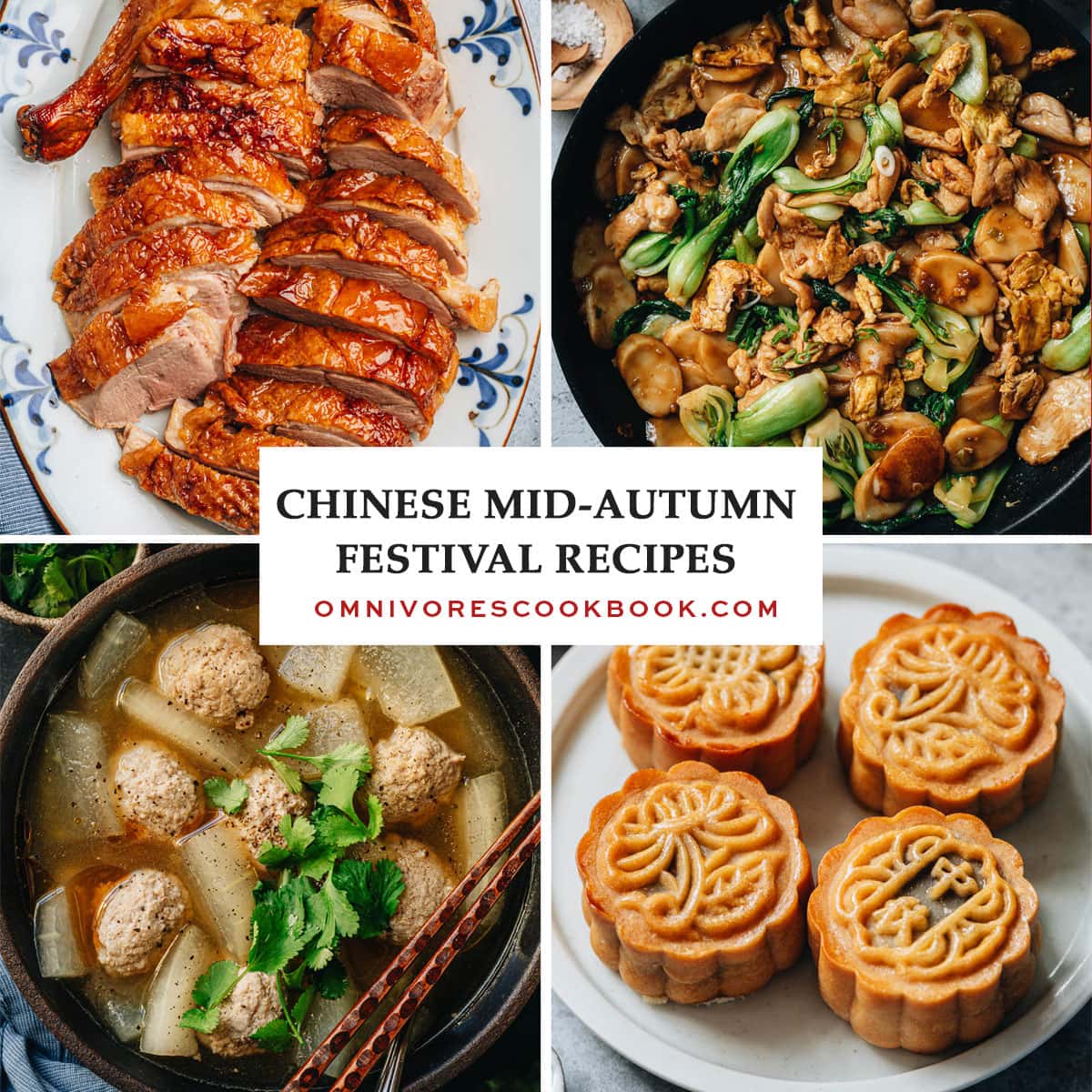
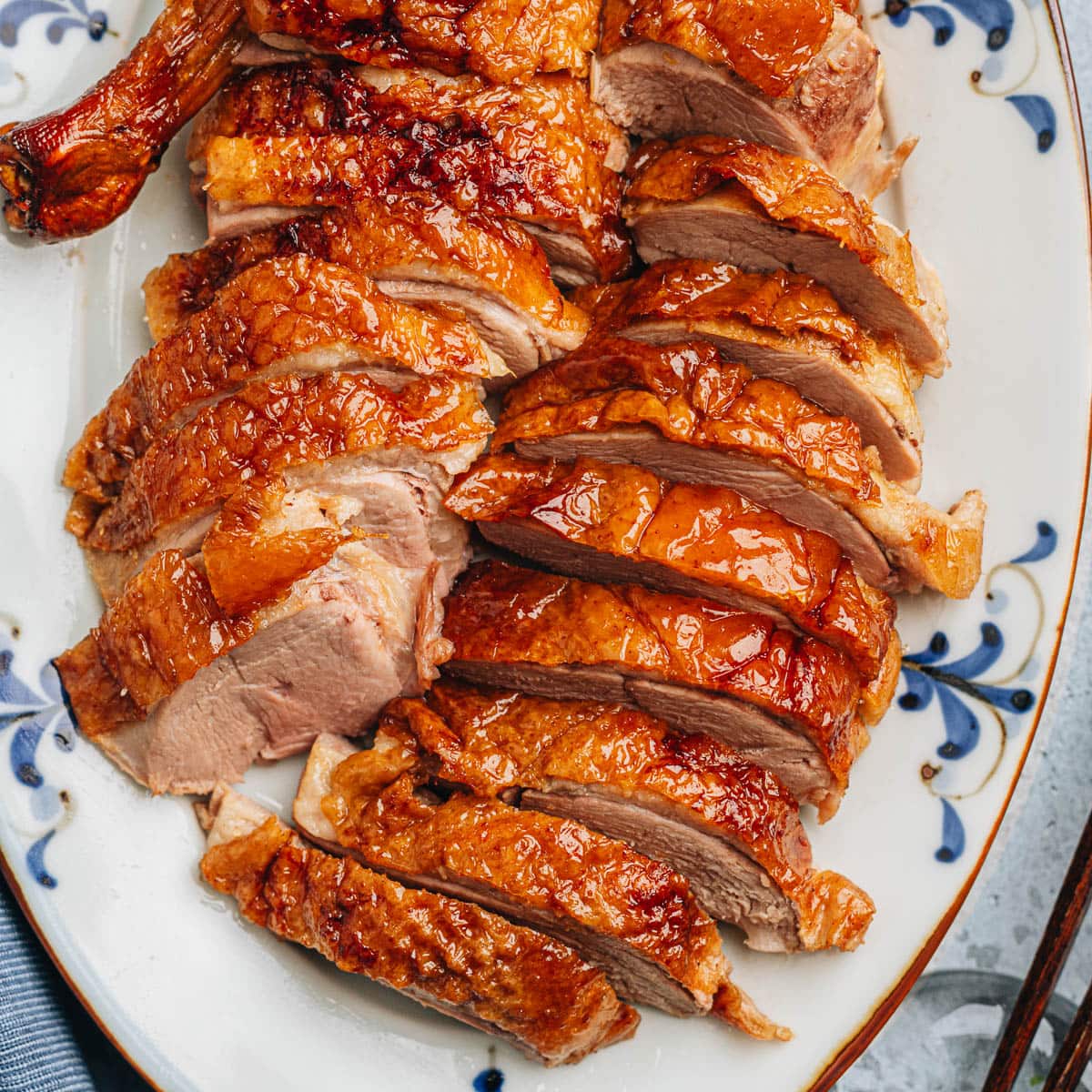
- Chinese Roast Duck: Serving as the visual and culinary anchor of the feast, a whole Pekin duck is air-dried, seasoned internally with five-spice powder and red fermented tofu, and glazed with a mixture of honey and Chinese red vinegar to achieve a lacquered, crisp exterior.
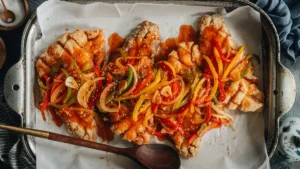
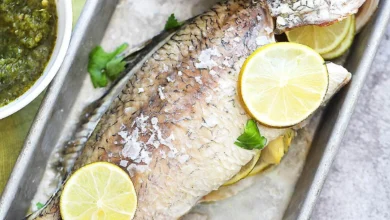
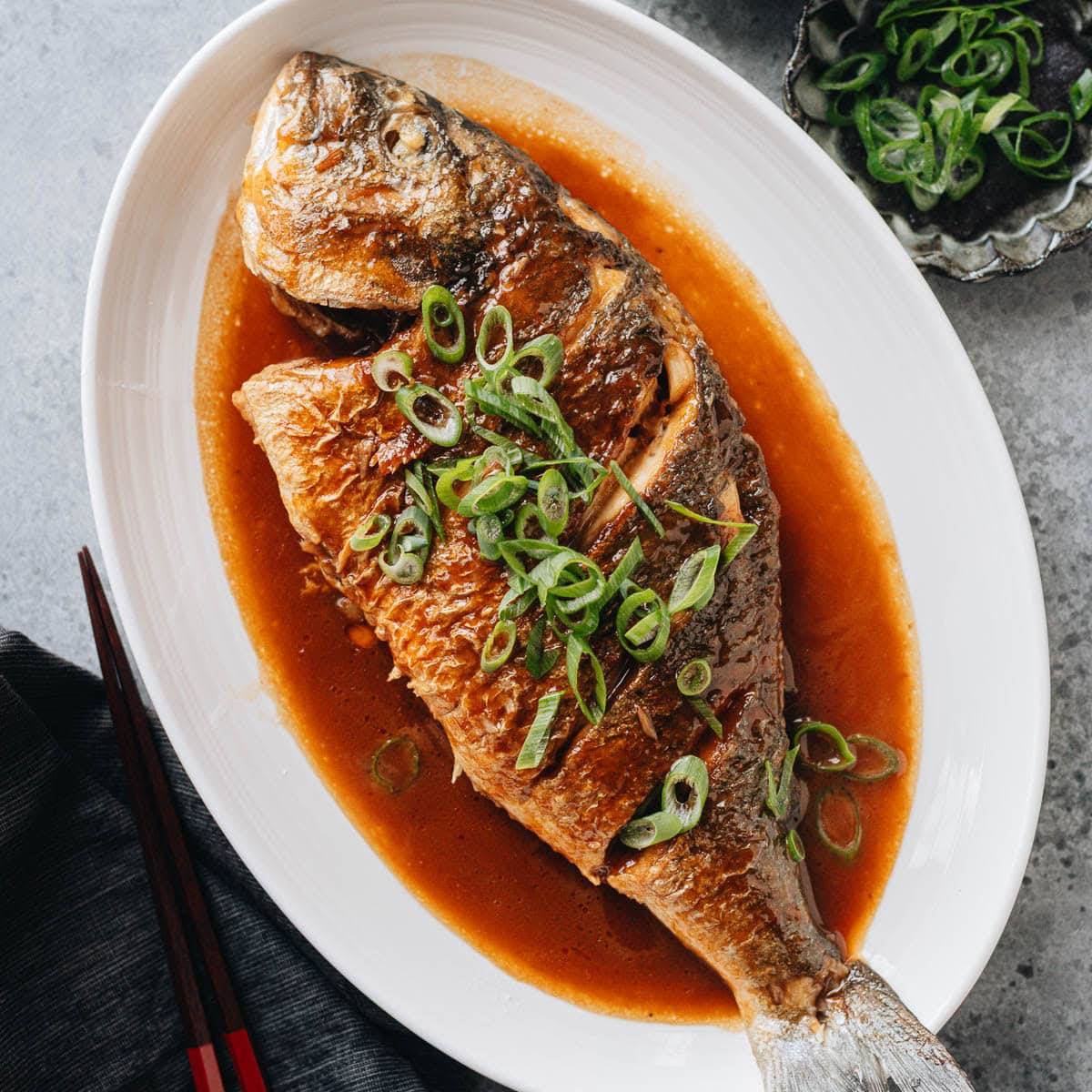
- Chinese Braised Whole Fish: In Mandarin, the word for fish (yu) is a homophone for surplus or abundance. A whole branzino, lightly dusted with cornstarch and pan-seared to maintain structural integrity, is braised in a balanced reduction of light and dark soy sauces, fresh ginger, and scallions.
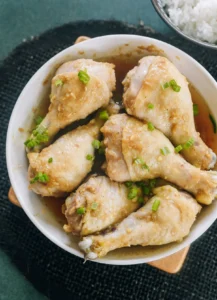
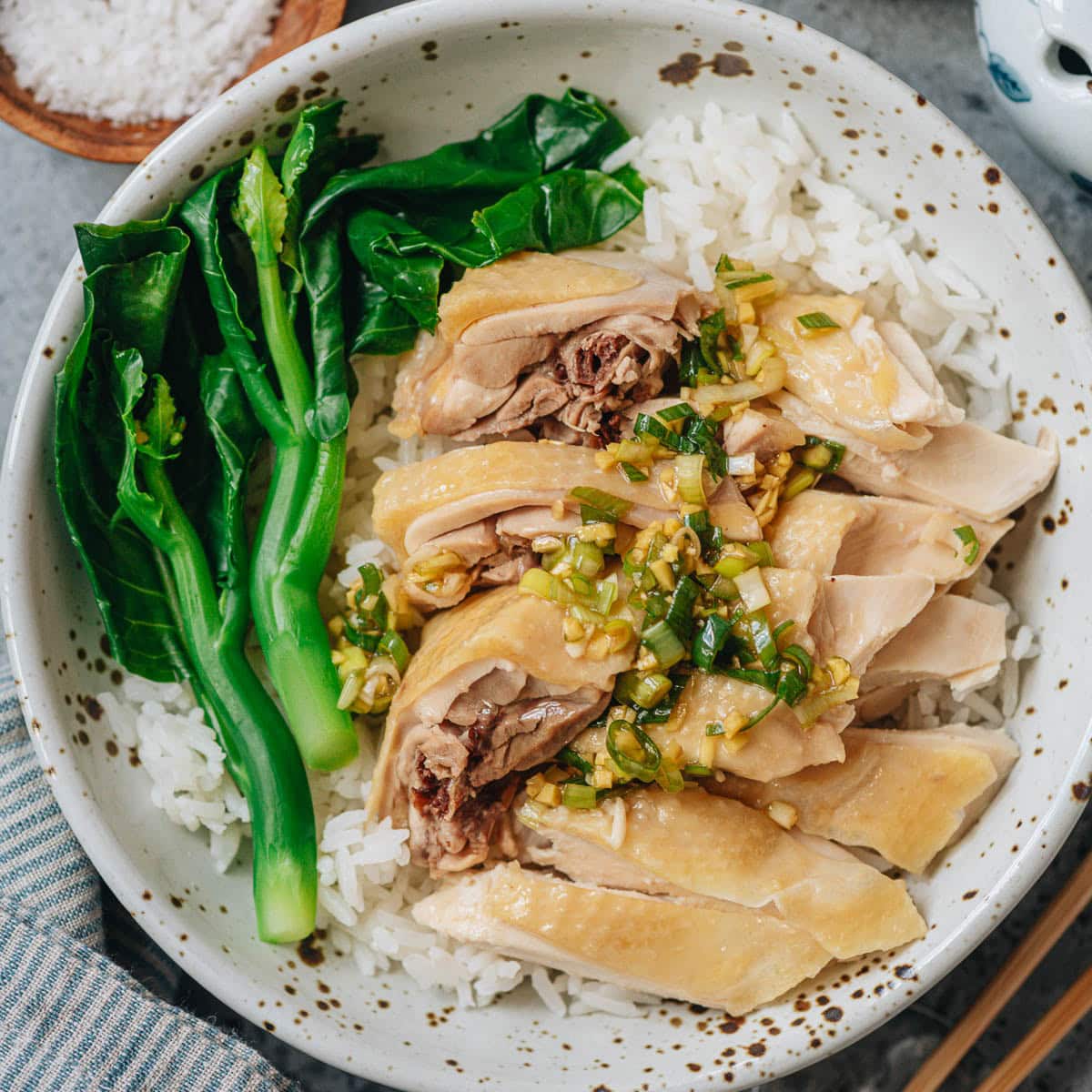
- White Cut Chicken: Representing completeness, a whole chicken is gently poached to maintain silky, tender meat and a pale skin, served alongside a pungent dipping sauce composed of finely minced ginger, scallions, and hot sesame oil.
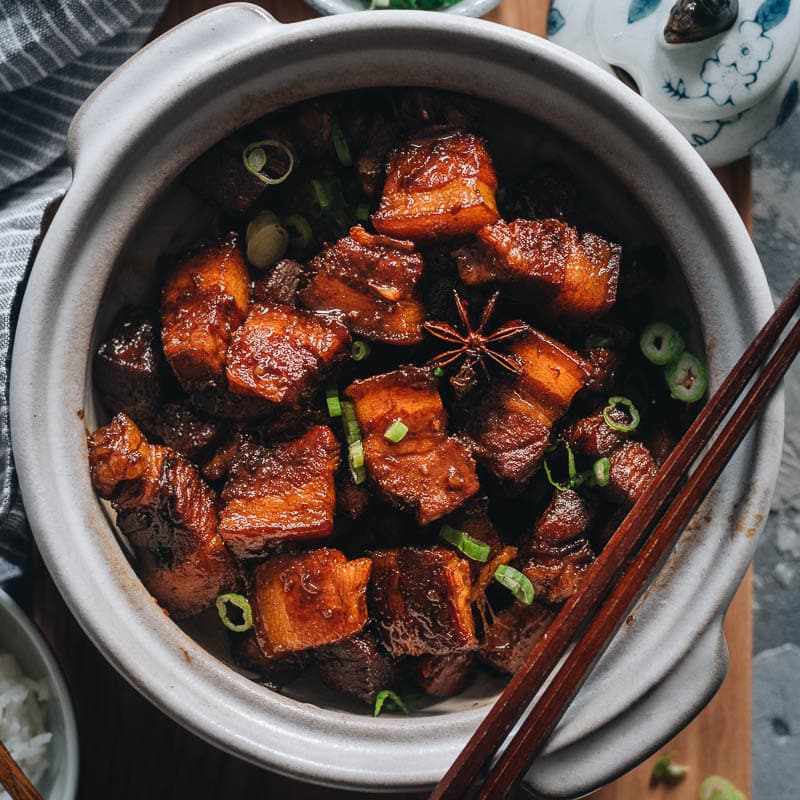
- Hong Shao Rou (Red Braised Pork): Cubes of pork belly are slowly braised for over two hours in a reduction of caramelized sugar, Shaoxing rice wine, light and dark soy sauces, and star anise, yielding a glossy, melt-in-the-mouth texture that is traditionally served over steamed rice.
Warming Soups and Balanced Side Dishes
To counterbalance the rich, lipid-heavy profiles of roasted and braised meats, traditional banquet planning incorporates clear broths and vegetable-forward stir-fries.
- Lotus Root Soup with Pork Ribs: Utilizing autumnal lotus root sliced into decorative rings, this long-simmered broth incorporates pork spare ribs, raw peanuts, and shiitake mushrooms to create a restorative, mineral-rich soup.
- Rice Cake Stir Fry (Chao Nian Gao): Sliced glutinous rice cakes—symbolizing "nian gao," or a higher year of growth and prosperity—are stir-fried with chicken and baby bok choy in a savory brown sauce.
- Winter Melon Soup with Meatballs: A clear, delicate broth featuring translucent winter melon cubes and tender, hand-rolled pork meatballs designed to visually echo the roundness of the harvest moon.
- Chinese Garlic Green Beans: Fresh green beans blistered in a high-heat wok to achieve a tender-crisp texture, finished with aromatic garlic, ginger, and a splash of Shaoxing wine.
Mooncakes and Confectionery Traditions
The undisputed culinary climax of the Mid-Autumn Festival is the consumption of mooncakes, a dense pastry historically exchanged between family members and business associates as tokens of goodwill. Modern baking traditions encompass both baked Cantonese-style pastries and contemporary non-baked variations.
- Traditional Baked Mooncakes: Featuring a tender, glossy golden-brown crust achieved through the use of golden syrup and kansui (alkaline water), these pastries are traditionally filled with sweet red bean paste or black sesame paste. Because the pastry relies on chemical resting periods to allow the oils from the filling to migrate into the crust, commercial and home bakers typically prepare them several days in advance of the actual holiday.
- Snow Skin Mooncakes (Bingpi): Developed as a modern, non-baked alternative, snow skin mooncakes utilize a chewy mochi-like shell composed of glutinous rice flour, rice flour, and cornstarch, paired with creamy custard or fruit fillings. Served chilled straight from the refrigerator, they offer a contrasting texture to traditional baked goods.
- Coconut Mochi and Sticky Rice Cake Variations: Utilizing glutinous rice flour as a foundational base, these regional treats provide accessible alternatives for home cooks seeking festive sweetness without the complex molding and baking requirements of classic mooncakes.
Broader Economic and Sociocultural Implications
The commercial and cultural impact of the Mid-Autumn Festival extends far beyond the family dining table, driving significant economic activity across global retail and culinary sectors. In major metropolitan areas with significant Chinese diaspora populations—such as San Francisco, New York, Vancouver, and London—specialty bakeries and high-end restaurants report surges in seasonal sales weeks in advance of the lunar date. Furthermore, the holiday serves as an essential mechanism for cultural transmission, allowing younger generations in immigrant communities to connect with ancestral heritage through sensory participation in cooking, carving, and tea-drinking rituals.
Logistical Analysis and Preparation Strategies
Culinary experts and experienced hosts emphasize that attempting a comprehensive 15-dish traditional banquet on the evening of the festival can lead to unnecessary kitchen fatigue. Standard institutional and domestic recommendations advise a phased preparation schedule:
- Advance Baking: Prepare baked mooncakes at least three to five days prior to the event to ensure the crust achieves its optimal softened texture.
- Preparation of Braises and Cold Dishes: Execute long-simmering braised pork dishes, whole-animal stocks, and cold marinated mushroom or spinach salads 24 hours in advance.
- Stovetop Execution: Reserve the final hours of the holiday evening exclusively for high-heat wok operations, such as blistering green beans, flash-frying shrimp, and carving the roasted duck or poached chicken.
By structuring the observance around intentional menu planning, balanced nutritional profiles, and historical reverence for the harvest moon, contemporary households continue to uphold a centuries-old tradition that prioritizes familial unity, cultural resilience, and culinary craftsmanship.