Unearthing Culinary History at Nasi Lemak Tanglin: Kuala Lumpur’s Iconic Breakfast Institution

The gastronomic landscape of Southeast Asia is defined by a constellation of iconic dishes, yet few hold the cultural gravity or widespread adoration of Malaysia’s national dish: Nasi Lemak. Spanning geographical borders from Southern Thailand through the Malay Peninsula and down to Singapore, this deceptively simple composition of rice cooked in coconut milk is consumed by tens of millions daily. Among the pantheon of establishments serving this culinary cornerstone, few command the historic reverence and daily fervor of Nasi Lemak Tanglin in Kuala Lumpur. Operating continuously since 1948, this legendary institution within the Kompleks Makan Tanglin food complex remains a vital touchstone for traditional Malaysian breakfast and midday dining.
Main Facts and Historical Background
Founded in the post-World War II era, Nasi Lemak Tanglin has weathered decades of rapid modernization, urban expansion, and shifting culinary trends in Malaysia’s capital. The establishment’s longevity is rooted in its adherence to foundational culinary techniques while offering a diverse array of protein accompaniments.
At its core, Nasi Lemak—literally translating to "fat rice"—relies on precise chemistry and traditional preparation. The foundation of the dish begins with rice steeped and cooked in fresh coconut milk, imbued with pandan leaves to impart a gentle, recognizable fragrance. This is traditionally paired with essential, contrasting elements: the saltiness of ikan bilis (anchovies) and salted fish, the crunch of roasted peanuts and fresh cucumber slices, and the unifying force of sambal—a complex, slow-cooked chili paste that balances heat, sweetness, and tang.
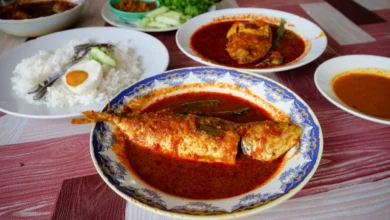
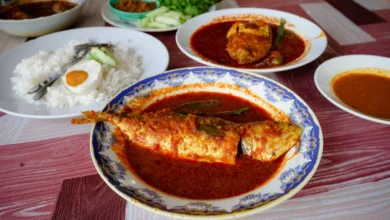
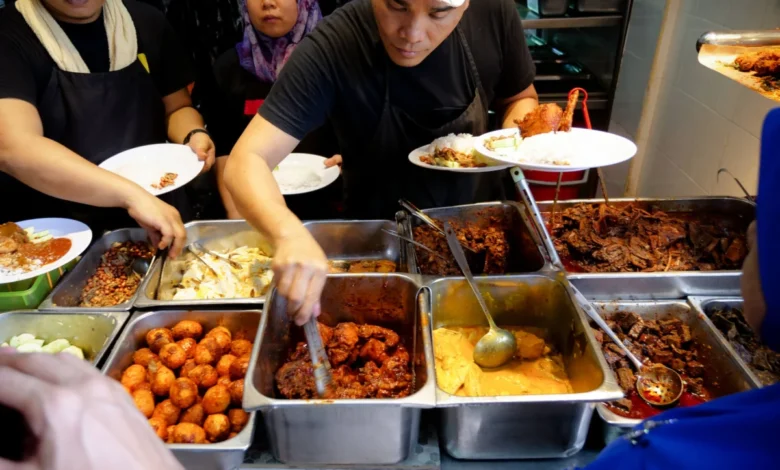
Beyond the baseline recipe, Nasi Lemak Tanglin has distinguished itself through an extensive selection of curries, meats, and traditional side dishes. Patrons navigate a bustling cafeteria-style counter where staff ladle out generous portions of protein and rich gravies over freshly steamed rice.

Chronology and Daily Operations
The operational rhythm of Nasi Lemak Tanglin is a study in high-volume efficiency and unwavering demand. Opening its doors daily at 7:00 AM, the stall experiences a relentless influx of patrons that peaks mid-morning. On a typical operating day, the parking infrastructure surrounding Kompleks Makan Tanglin is tested to its limits by 10:00 AM, requiring visitors to navigate multiple loops to secure parking spaces.
Despite operating under protective canvas awnings designed to shield diners from tropical downpours, seating capacity is routinely outstripped by the sheer volume of customers. Culinary historians and local patrons frequently note an immutable rule regarding the establishment: inventory is finite, and supply rarely outlasts late morning. By 11:30 AM, core ingredients—particularly the signature coconut rice and primary curries—are routinely sold out.

To ameliorate the wait times and enhance the communal atmosphere, the dining complex frequently features live musical performances. Local acts, specializing in the mid-20th-century Malaysian psychedelic rock and pop genre known as "Pop Yeh Yeh" (popularized between 1964 and 1970), provide a nostalgic auditory backdrop for the breakfast and early lunch crowd.
Gastronomic Analysis of Menu Offerings
The culinary appeal of Nasi Lemak Tanglin extends far beyond the baseline parameters of the national dish. Culinary anthropologists and food critics frequently cite the complexity of the secondary offerings as the primary driver of the restaurant’s enduring success.

Central to the Tanglin experience is its selection of offal and specialized curries. Regular patrons and local connoisseurs frequently advocate for the inclusion of traditional delicacies such as "kolong" (beef intestines and spleen) and stewed cockles. Prepared through hours of simmering in dark, spiced coconut-and-spice curry bases, the beef spleen yields a uniquely rich, unctuous texture that contrasts sharply with the crunchy elements of the standard Nasi Lemak plate.
Furthermore, diners routinely supplement their plates with Beef Rendang—a dry, caramelized curry cooked over several hours—and a mandatory addition of a fried egg. According to long-standing local dining customs, mixing the various elements thoroughly—incorporating the runny egg yolk, fiery sambal, and residual curry broth into every individual grain of rice—is essential to achieving the intended flavor profile. This manual, tactile method of dining ensures that the rice acts as a culinary sponge, absorbing the complex layers of spice and coconut fat.
Socio-Economic and Environmental Implications

Operating a high-volume food establishment in modern Kuala Lumpur involves navigating complex regulatory and environmental frameworks. In recent years, food service providers in Malaysia have faced increased scrutiny regarding waste management, single-use plastics, and the ecological footprint of traditional serving methods.
Historically, Nasi Lemak was predominantly served wrapped in banana leaves, a biodegradable packaging method that added a subtle earthy aroma to the warm rice. However, urban food complexes and high-throughput stalls have increasingly transitioned to reusable ceramic or melamine plates. This shift aligns with broader national policy initiatives aimed at curbing single-use plastics and mitigating environmental degradation associated with the over-harvesting of banana foliage in protected jungle regions. By utilizing durable dishware, establishments like Nasi Lemak Tanglin contribute to municipal sustainability goals while maintaining operational velocity during peak hours.
Economically, Nasi Lemak remains one of the most accessible and egalitarian culinary forms in Malaysia. Pricing structures at Tanglin reflect this ethos: a foundational plate of Nasi Lemak is priced at approximately 2 Malaysian Ringgit (RM), with protein additions ranging from 1 to 5 RM. A comprehensive meal for a group of four typically totals around 35 RM (approximately $8.50 USD), underscoring the dish’s role as an affordable staple across diverse socio-economic demographics.

Visitor Information and Legacy
For travelers and culinary researchers navigating Kuala Lumpur, Nasi Lemak Tanglin functions as an accessible archive of traditional Malay gastronomy. Operating within Kompleks Makan Tanglin, the establishment welcomes diners daily from 7:00 AM until 1:00 PM, though early arrival is strictly advised to avoid disappointment.
As Kuala Lumpur continues to evolve into a modern cosmopolitan metropolis, institutions like Nasi Lemak Tanglin serve as vital cultural preservation sites. By maintaining historical recipes, supporting local artistic traditions through live musical accompaniment, and adapting to modern environmental standards, the restaurant secures its position not merely as a commercial food vendor, but as a defining pillar of Malaysia’s culinary heritage.