Beyond the Rind: Neal’s Yard Dairy and the Sustainable Food Trust Redefine Farm Sustainability Metrics

For nearly half a century, the artisan cheese sector has been defined by the pursuit of exceptional flavor, a standard upheld with rigor by London-based institution Neal’s Yard Dairy (NYD). However, in an era where consumers are increasingly scrutinizing the ethical and environmental footprint of their food, the definition of "quality" is undergoing a structural evolution. In a significant shift for the industry, Neal’s Yard Dairy has concluded an extensive, multi-year collaboration with the Sustainable Food Trust (SFT) to pilot the Global Farm Metric (GFM), a holistic framework designed to measure the true sustainability of farmhouse cheesemaking systems. This initiative represents a departure from reductive metrics—such as singular carbon counting—in favor of a comprehensive assessment of environmental, social, and economic health.
The Chronology of a Collaboration
The partnership between Neal’s Yard Dairy and the Sustainable Food Trust began in the halls of independent agricultural advocacy. The relationship deepened during recurring site visits to the farm of Patrick Holden, founder of the SFT, where the intricacies of Hafod Cheddar production served as a backdrop for broader discussions regarding the future of British agriculture.
By 2025, these informal discussions crystallized into a formal trial. NYD extended an invitation to every farmhouse cheesemaker within its supply chain—specifically those who manage their own livestock—to participate in a rigorous testing phase of the GFM. Twelve producers accepted the challenge, dedicating months to gathering granular data on their land, animal welfare protocols, economic resilience, and community engagement. Throughout this period, the project was bolstered by the expertise of Dr. Sara Hall, a researcher at the University of Bristol and a former cheesemonger, whose academic oversight provided the analytical depth necessary to interpret complex farm data.
Understanding the Global Farm Metric
The Global Farm Metric was developed to address the shortcomings of existing sustainability models, which often isolate single variables such as soil carbon or methane emissions. The GFM instead evaluates twelve interconnected categories. These include biodiversity, soil health, water management, animal welfare, social impact, and economic governance.
The philosophy underpinning the GFM is that farming is a complex, living system. Proponents of the metric argue that attempting to judge a farm by a single number—a common practice in modern supply chain management—is fundamentally misleading. By assessing the farm in its entirety, the GFM provides a 360-degree view of how a producer interacts with their local ecosystem and economy. For the twelve cheesemakers involved, the process was not merely an administrative exercise but a reflective audit of their long-term operational strategies.
Data Analysis and Benchmarking
The benchmarking phase of the project offered a rare glimpse into the performance of high-welfare, independent dairy operations. When the GFM team compared the twelve participating Neal’s Yard Dairy suppliers against a control group of 71 diverse farms and a specialized cohort of 22 dairy farms from Dr. Hall’s research, the results were statistically notable.
Across categories including Nature, Livestock Management, and Public Goods Delivery, the participating cheesemakers consistently outperformed the broader comparison groups. This data suggests that the small-scale, traditional methods favored by NYD suppliers are not just artisanal in character, but are demonstrably more resilient and ecologically beneficial than standard intensive dairy systems. However, the researchers were quick to caution against "league table" thinking. They observed that direct comparisons between farms can be deceptive; a farm operating on marginal, rocky upland pasture faces entirely different biological and economic constraints than one situated on fertile, lowland soil.
The project concluded that "complexity is not a problem; it is the point." The data revealed that sustainability is not a static score but a trajectory. A farm that is actively investing in long-term ecological restoration may be a more sustainable partner than one that currently boasts higher baseline numbers but lacks a forward-looking strategy for biodiversity or soil health.
Official Perspectives and Industry Implications
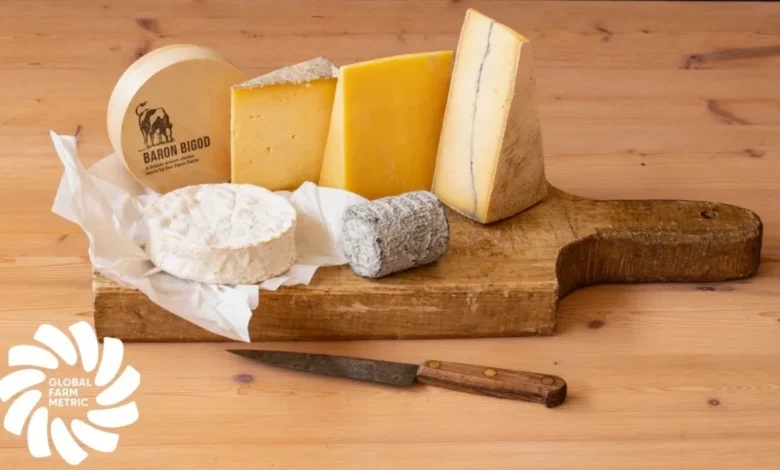
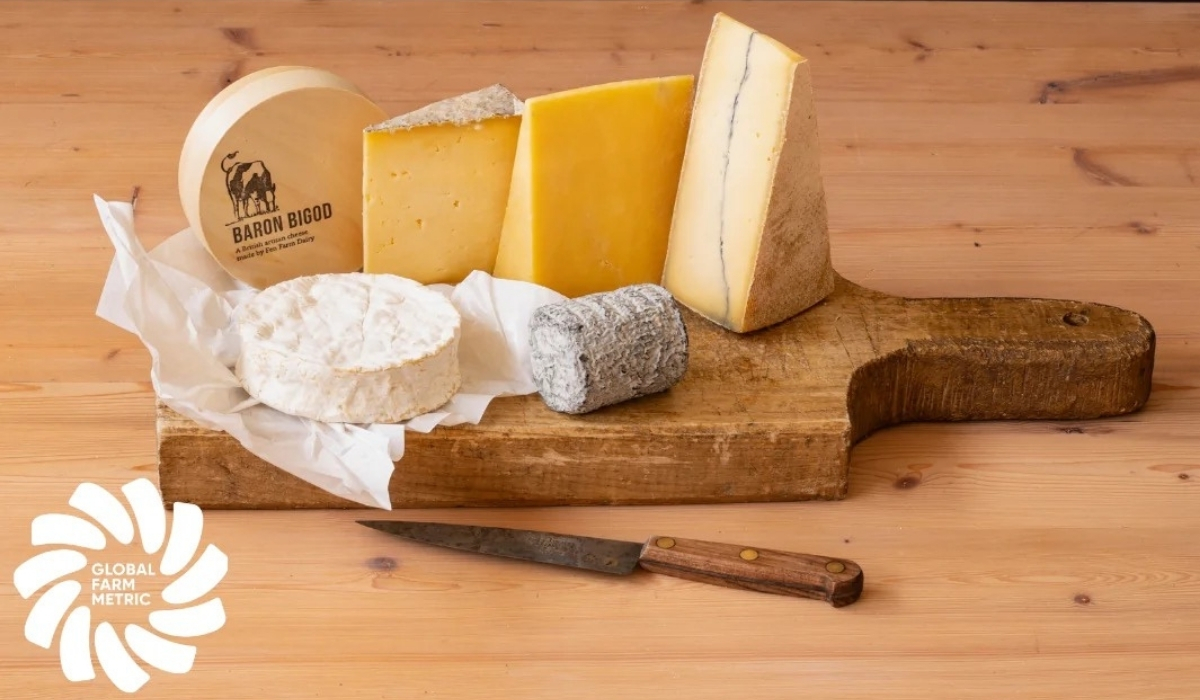
The implications of this trial extend far beyond the cheese counter. For Neal’s Yard Dairy, the goal was never to create a "best-of" list, but to develop an honest language of sustainability. Following the completion of the trial, the company has announced that it will integrate GFM participation into its consumer-facing communications. This includes the launch of curated "Global Farm Metric" cheese selections, available in retail outlets and via their digital storefront, where customers can filter products by trial participation.
The trial also prompted a pivot in how the company intends to collect data moving forward. Recognizing the immense administrative burden placed on independent farmers, NYD is now exploring a "light-touch" model, identifying a limited number of high-impact indicators that can provide meaningful insights without exhausting the resources of the producers.
"Communicating sustainability responsibly requires as much judgment as it does data," noted a spokesperson for the project. The move signals a potential turning point in food retail, where the responsibility for transparency is shared between the producer and the retailer. By choosing not to reduce the findings to a simple badge or score, Neal’s Yard Dairy is effectively educating the consumer on the necessity of nuance.
Broader Impact on Agricultural Policy
The success of the GFM trial with these twelve producers provides a template for other sectors within the food industry. As climate change continues to pressure agricultural yields and input costs, the ability to demonstrate systemic resilience becomes an economic imperative. The GFM framework offers a methodology that could eventually inform government policy and subsidy structures, shifting the focus from output-based incentives to outcomes-based stewardship.
For the agricultural community, the project highlights the value of independent, peer-reviewed assessment. By participating, these cheesemakers have demonstrated a commitment to radical transparency, inviting both criticism and validation of their methods. For the consumer, the project serves as a reminder that the price of artisan food is tied to the costs of responsible land management, community support, and the preservation of heritage breeds.
As the industry looks toward the future, the lessons learned from the 2025 trial will continue to shape how retailers interpret the relationship between the land and the finished product. The project has moved the conversation away from the "what" of food production—the final product—and toward the "how," recognizing that the health of the soil and the stability of the local community are the true ingredients of long-term food security.
In the coming months, as Neal’s Yard Dairy rolls out its educational initiatives, the public will have the opportunity to engage with these findings. Whether through the September "Cheese of the Month" selection or through the ongoing updates on their website, the focus remains on the producers. By highlighting the specific, often invisible, investments these farmers make in their land, the project aims to bridge the gap between the modern supermarket culture and the realities of sustainable agriculture.
While the trial did not provide a definitive, singular answer to the question of what constitutes a "perfect" farm, it provided something more valuable: a roadmap for ongoing improvement. In an era of increasing ecological uncertainty, the ability to measure, adapt, and honestly communicate the state of our food systems may be the most important innovation of the decade. Neal’s Yard Dairy’s commitment to this journey suggests that for the artisan food movement, the future of flavor is inextricably linked to the integrity of the farm.
Related posts: