The Mediterranean Falafel Burger: A Modern Evolution of a Culinary Staple

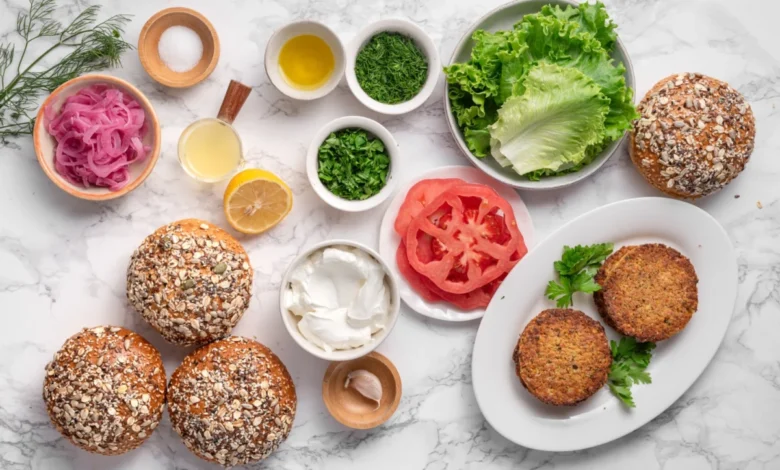
The falafel burger represents a significant shift in contemporary dietary habits, blending centuries-old Middle Eastern culinary traditions with the modern, fast-paced requirement for convenient, plant-based nutrition. By replacing the traditional ground beef or poultry patty with a protein-rich, baked falafel disc, culinary experts and nutritionists alike are observing a growing trend toward "conscious comfort food." This adaptation, typically featuring a toasted whole grain bun, crisp garden vegetables, and a signature Greek yogurt-based sauce, has transitioned from a niche vegetarian offering to a mainstream menu item in households and health-conscious eateries across the globe.
Historical Context and Culinary Evolution
Falafel, historically composed of ground chickpeas or fava beans, aromatics, and a complex spice profile including cumin, coriander, and garlic, has served as a cornerstone of Mediterranean and Middle Eastern diets for generations. Traditionally deep-fried to achieve its signature crisp exterior and tender, herbaceous interior, the dish has long been celebrated for its versatility. The recent pivot toward the "falafel burger" format—often utilizing baking as a preparation method—reflects a broader consumer demand for reduced saturated fat and caloric density without sacrificing the deep, earthy flavors associated with the original preparation.
Market research indicates that the shift toward legumes as a primary protein source is not merely a passing fad but a response to rising concerns over the environmental impact of livestock agriculture. By utilizing chickpeas, which require significantly less water and land than beef production, the falafel burger serves as an accessible entry point for consumers looking to reduce their meat consumption, a concept widely categorized under the "Meatless Monday" initiative.
The Anatomy of the Modern Falafel Burger
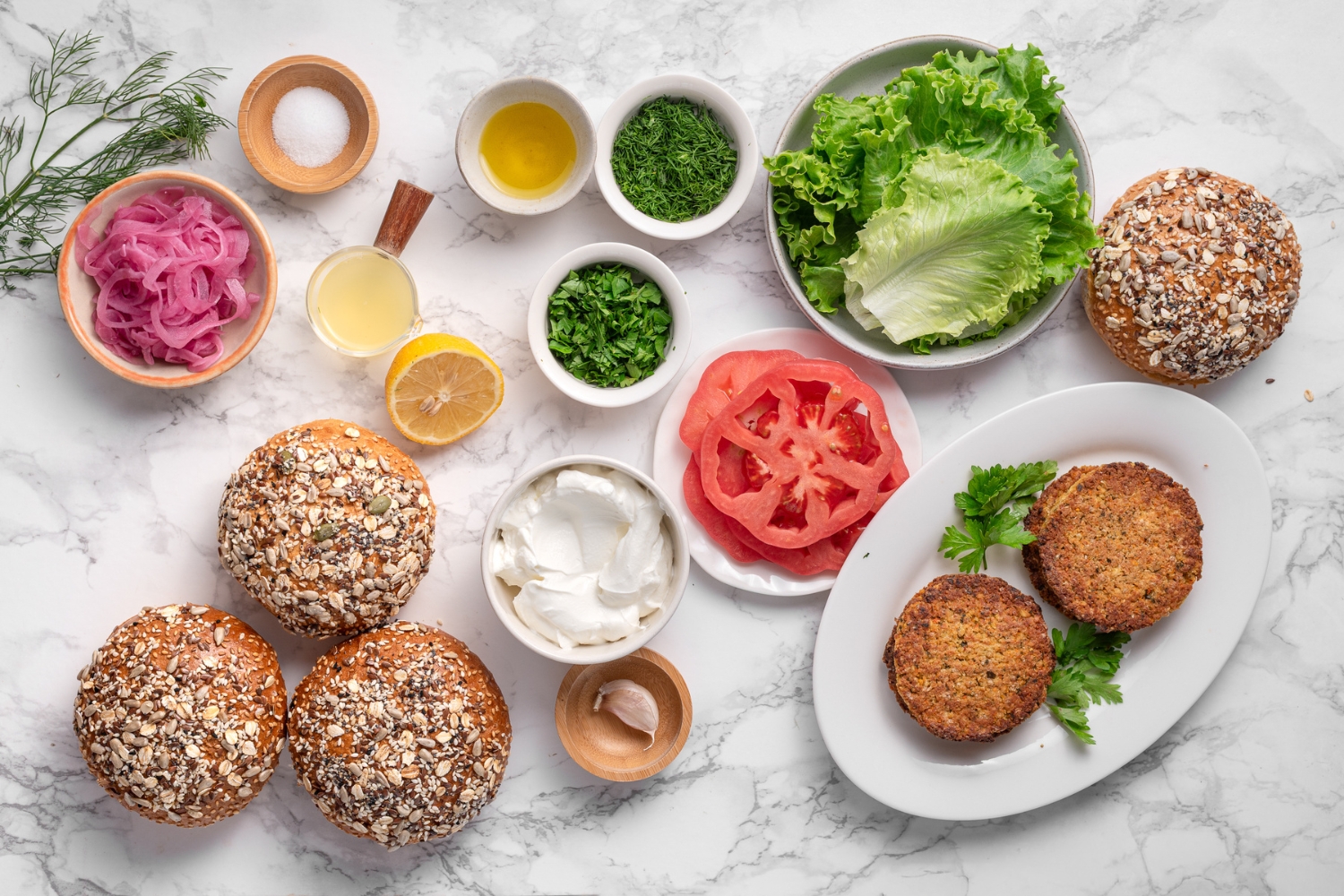
The structural integrity of the falafel burger relies on a delicate balance of moisture and texture. Culinary analysts note that the inclusion of pickled red onions is not merely a flavor enhancement but a functional component; the acidity of the vinegar used in the pickling process serves to cut through the density of the chickpea base, while the crunch provides a necessary contrast to the creamy consistency of the Greek yogurt herb sauce.
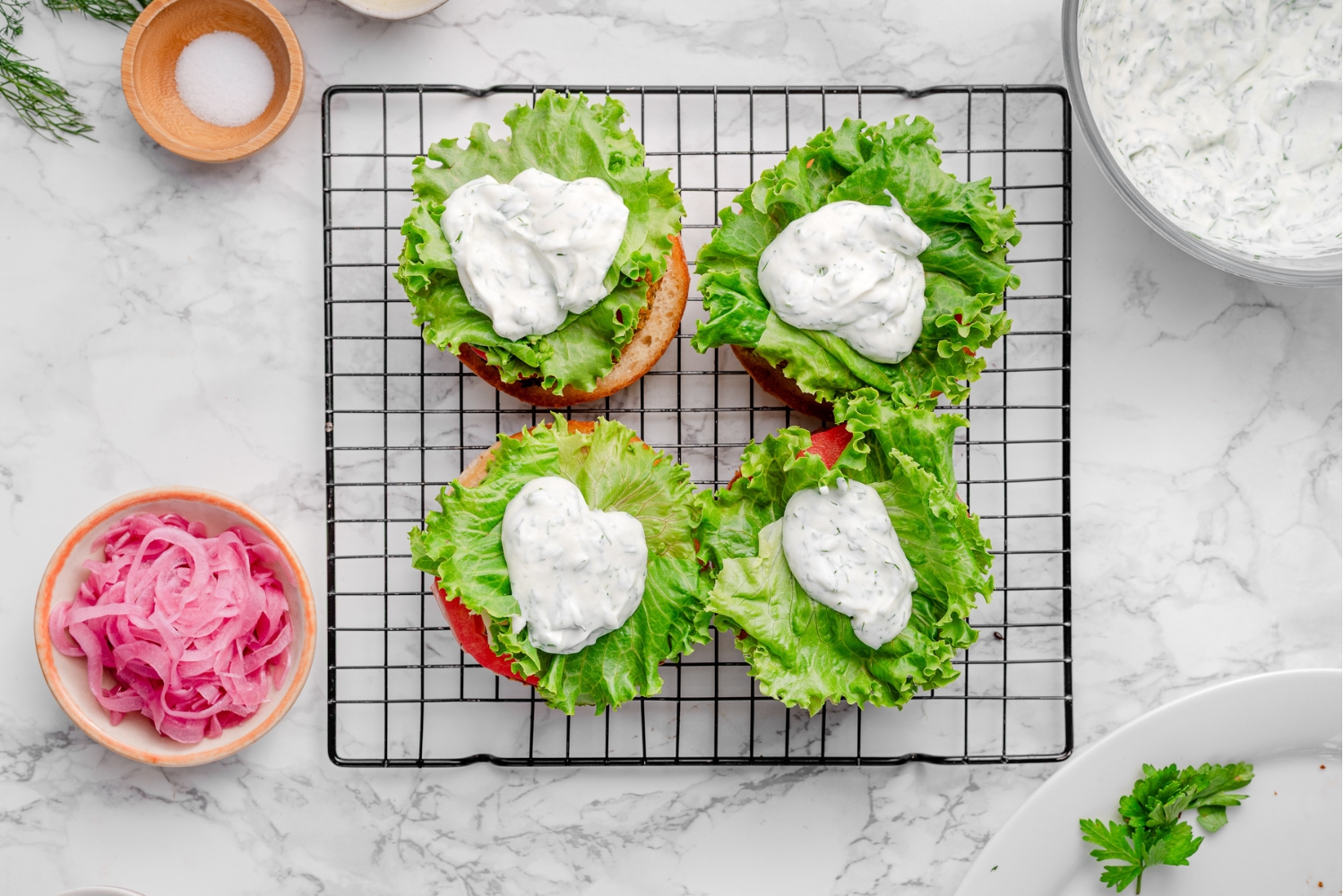
The assembly process is designed for high-efficiency, catering to the modern worker’s demand for a meal that can be prepared in roughly ten minutes. The recommended assembly sequence—toasted whole grain bun, followed by the patty, a protective layer of crisp lettuce, tomato, and the yogurt-based emulsion—is engineered to maintain the structural integrity of the sandwich, preventing the dreaded "soggy bun" phenomenon often associated with vegetable-based burgers.
Nutritional Analysis and Health Implications
From a nutritional standpoint, the falafel burger provides a robust profile of macronutrients and micronutrients. A standard serving contains approximately 360 kilocalories, 13 grams of protein, and 7 grams of dietary fiber. The use of whole grain buns introduces complex carbohydrates, which, according to clinical nutritionists, offer a more stable energy release compared to the refined flours found in traditional white bread buns.
The incorporation of Greek yogurt as a sauce base instead of mayonnaise or high-fat spreads is a strategic nutritional choice. Greek yogurt is a dense source of protein and calcium, and when combined with fresh herbs such as mint, dill, or parsley, it reduces the need for excessive sodium—a common criticism of commercial fast-food alternatives. Furthermore, the reliance on legumes provides iron and magnesium, essential minerals that are often lacking in diets heavily reliant on processed meats.
Institutional Perspectives and Market Trends
Culinary organizations and health advocates have increasingly endorsed the integration of such plant-forward meals into institutional food service, including school lunches and corporate cafeterias. The primary argument in favor of this shift is the "scalability of health." By presenting nutritious ingredients in a format that is universally recognized—the burger—the barrier to entry for health-conscious eating is significantly lowered.

"The success of the falafel burger lies in its familiarity," says a spokesperson for a leading Mediterranean diet research collective. "When you frame healthy, plant-based ingredients within the context of a handheld meal that people already enjoy, you remove the psychological friction associated with ‘dieting.’ It becomes less about restriction and more about upgrading the flavor profile."
Strategic Preparation for Future Consumption
For the home consumer, the efficiency of this meal is contingent upon batch preparation. Culinary experts emphasize that the most successful implementations of the falafel burger involve pre-preparing the key components—the patties, the pickled onions, and the yogurt sauce—to allow for a "grab-and-assemble" experience. This approach aligns with the growing "meal prep" movement, which seeks to mitigate the time-poverty experienced by many modern professionals.
Storage protocols for these components are stringent:

- Patties: Should be kept in airtight containers in the refrigerator, with warming performed just prior to assembly to retain the texture of the crust.
- Vegetables: Keeping tomatoes and lettuce separate until the final moment is essential to maintain the crispness of the sandwich.
- Sauces: Greek yogurt-based sauces can be held for several days, provided they are stored in a cold environment, ensuring the herbs maintain their vibrancy.
Broader Implications for the Mediterranean Diet
The international adoption of the falafel burger is a testament to the enduring influence of the Mediterranean diet. Characterized by a high intake of vegetables, legumes, whole grains, and healthy fats, the diet has been consistently linked in clinical studies to improved cardiovascular health and longevity. The falafel burger serves as a bridge between this traditional, research-backed eating pattern and the logistical realities of 21st-century life.
As urban centers continue to expand and the pace of life accelerates, the demand for "fast-healthy" options will likely continue to grow. The falafel burger is uniquely positioned at the intersection of these two demands. It provides the speed of fast food with the nutrient density of a home-cooked Mediterranean meal.
Looking forward, industry analysts predict that the next iteration of the falafel burger will involve even greater customization. With potential additions ranging from roasted red peppers and feta cheese to spicy harissa or tahini drizzles, the dish is evolving from a single recipe into a modular culinary concept. This flexibility ensures that the falafel burger will likely remain a fixture in the modern kitchen, adapting to the tastes and needs of a diverse global population while maintaining its roots in the simple, wholesome traditions of the Mediterranean region.
In summary, the falafel burger is not merely a sandwich; it is a manifestation of how traditional foodways can be successfully adapted to serve the nutritional and time-based needs of a modern society. Through the clever use of legumes, fermented dairy, and seasonal produce, it offers a sustainable path forward for those seeking to balance the convenience of modern life with the health benefits of a time-honored diet.