The Evolution of a Brunch Icon
The origins of the Bloody Mary remain a subject of intense debate among cocktail historians, with most lore pointing to Paris in the 1920s. Fernand Petiot, a bartender at Harry’s New York Bar, is frequently credited with the original recipe, which at the time was a rudimentary mix of tomato juice and vodka. Over the subsequent century, the drink traveled across the Atlantic, gaining its iconic spicy kick through the addition of Worcestershire sauce, Tabasco, black pepper, and lemon juice.
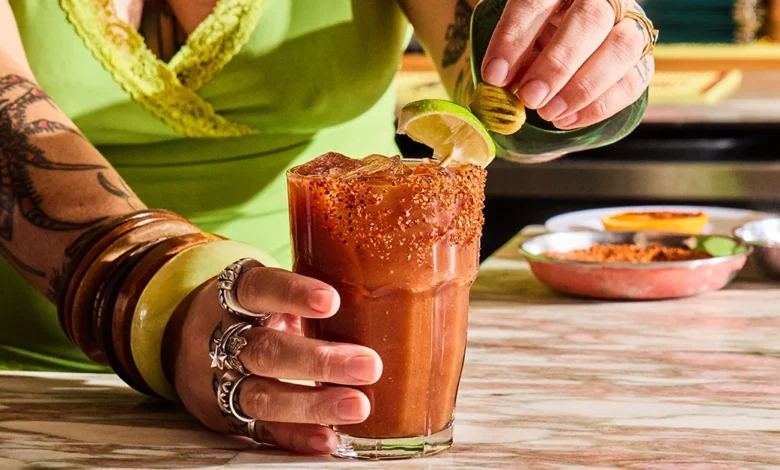
For decades, the drink remained relatively static. However, the late 20th and early 21st centuries saw the "garnish wars," a period where the social value of a Bloody Mary was often measured by the height of its skewer. This era prioritized visual engagement—an essential factor in the rise of social media marketing for brunch spots. Yet, as the culinary standards of cocktail lounges have risen, bartenders are increasingly looking toward the kitchen for inspiration. Modern iterations now frequently utilize fermentation, sous-vide infusions, and molecular gastronomy to elevate the base juice, moving far beyond the canned variety often found in dive bars.
A Chronology of Cocktail Sophistication
The timeline of the Bloody Mary’s transformation can be traced through several key shifts in bar culture:
- 1920s–1930s (The Genesis): The drink is established in Paris and popularized in New York, becoming a standard "hair of the dog" remedy for hangovers.
- 1950s–1970s (Standardization): The inclusion of celery sticks and salt rims becomes the industry standard, cementing the drink’s identity as a breakfast-adjacent beverage.
- 2000s–2015 (The Maximalist Era): Bars compete to build the most elaborate displays, incorporating bacon, sliders, pickles, and even fried chicken.
- 2016–Present (The Gastronomic Turn): Mixologists begin treating the cocktail as a savory soup, employing techniques such as centrifugal clarification, carbonation, and the use of "airs" or foams to introduce texture without the weight of heavy garnishes.
Decoding the Modern Variations
The modern landscape of the Bloody Mary is defined by its ability to transcend the brunch hour. By swapping the traditional vodka base for more complex spirits or introducing non-traditional umami elements, the drink has successfully migrated to evening menus.
The Nighttime Shift: Scotch and Savory
One of the most notable departures from tradition is the move toward using Scotch whisky or mezcal as a base. The "Hail Caesar," for example, utilizes the inherent salinity and smokiness of high-quality spirits to complement the tomato and clam juice base. By replacing the neutral ethanol of vodka with the peated notes of a blended Scotch, the drink gains a structural integrity that allows it to stand up to the robust flavors of a dinner service.
The Umami Frontier
The "Umami Mary" represents a more globalized approach. By incorporating ingredients like gochujang, miso, or soy sauce, bartenders are tapping into the palate-pleasing properties of Korean hot pot and Japanese dashi. This approach moves the flavor profile away from the acidic, vegetal notes of standard tomato juice and toward a richer, more savory experience that satisfies the palate’s demand for depth.
Data and Consumer Trends
Market research into cocktail consumption suggests a clear trend: consumers are moving toward lower-ABV (alcohol by volume) options and savory profiles. According to data from the Distilled Spirits Council of the United States (DISCUS), there has been a notable increase in the sales of "specialty" mixers that lean into botanical and spice-forward profiles. Furthermore, hospitality industry surveys indicate that nearly 40% of cocktail drinkers prefer a savory beverage over a sweet one when dining out, provided the complexity of the drink matches that of their meal.
The shift is not merely stylistic; it is economic. By creating "science-driven" cocktails—such as those featuring celery air, which provides the aromatic essence of the vegetable without the fibrous texture—bars can command higher price points. These drinks are often perceived as "culinary experiences" rather than standard pours, justifying a premium cost that aligns with the labor-intensive preparation involved in their creation.
The Role of Molecular Gastronomy
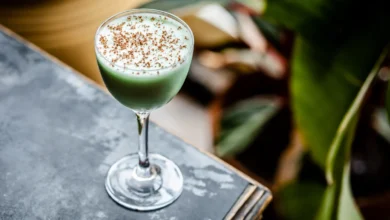
The introduction of "celery air"—a light, flavor-packed foam—is a prime example of how molecular gastronomy is redefining the cocktail. By utilizing lecithin to stabilize the foam, bartenders can deliver a potent hit of aromatic celery with every sip, ensuring the flavor profile remains consistent from the first glass to the last. This technique removes the "clutter" of a traditional celery stalk while arguably improving the drinker’s ability to taste the other nuanced ingredients in the mix.

Broader Impact and Industry Implications
The transition of the Bloody Mary from a brunch-only staple to a versatile, all-day cocktail has significant implications for the hospitality industry. For one, it allows restaurants to maximize the utility of their inventory. Ingredients like tomato puree, spices, and fermentation byproducts are now being shared between the kitchen and the bar, reducing waste and encouraging cross-departmental collaboration.
Moreover, the "elevation" of the Bloody Mary signals a maturing of the American cocktail scene. As patrons become more educated about ingredients and techniques, they are increasingly demanding transparency and complexity in their drinks. The "science-driven" bar trend is a direct response to this demand, moving away from the artificiality of pre-made mixes toward house-made, chef-inspired components.
While the classic version will always maintain its place in American culture, the current trend toward innovation ensures that the Bloody Mary remains a dynamic entity. Whether it is through the bold introduction of smoked spirits, the use of fermented umami bombs, or the application of light-as-air textures, the cocktail is proving that even the most established traditions can be improved upon through rigorous, thoughtful, and creative evolution. As we look toward the future of mixology, it is clear that the Bloody Mary will continue to serve as a bellwether for the sophistication of the modern bar.