The Ultimate Guide to Crafting Artisanal Dark Chocolate and Olive Oil Spread at Home

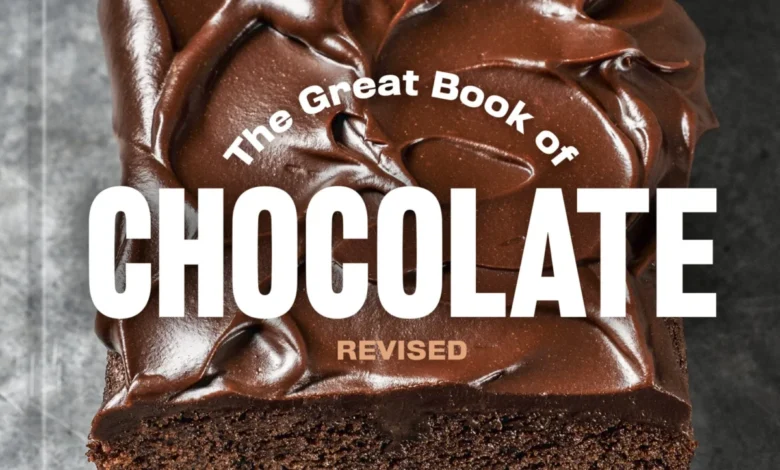
The evolution of culinary arts in the domestic sphere has seen a significant shift toward the preparation of artisanal pantry staples, replacing mass-produced, highly processed alternatives with nutrient-dense, high-quality ingredients. Among the most notable recent developments in this movement is the resurgence of the classic chocolate-olive oil spread, a recipe famously featured in David Lebovitz’s The Great Book of Chocolate. This preparation, which emphasizes the synergy between high-cacao dark chocolate and premium extra-virgin olive oil, serves as a quintessential example of modern "slow food" practices, prioritizing ingredient provenance over convenience.
The Culinary Synergy of Chocolate and Olive Oil
At its core, the chocolate-olive oil spread represents a sophisticated departure from traditional sugar-heavy, nut-based spreads like commercial hazelnut cocoa creams. The chemical interplay between the two primary ingredients is significant. Dark chocolate, characterized by its complex profile of polyphenols and cocoa butter, finds an ideal partner in the monounsaturated fats found in high-quality olive oil.
From a sensory perspective, the bitterness and earthy undertones of dark chocolate—particularly those with a cacao content exceeding 70%—are balanced by the fruity, peppery notes of a robust extra-virgin olive oil. This pairing is not merely a modern novelty; it draws inspiration from Mediterranean traditions where high-quality fats are frequently paired with bitter aromatics. The result is a shelf-stable, versatile condiment that serves as a staple for both breakfast and dessert, demonstrating the efficacy of simple, high-quality componentry.
Historical Context and Collaborative Origins
The dissemination of this specific recipe into the mainstream culinary consciousness is largely attributed to a collaborative effort between David Lebovitz, a renowned pastry chef and author, and Deb Perelman, the founder of the influential culinary platform Smitten Kitchen. Their partnership, documented during a collaborative session in Paris, underscored the transition of professional-grade techniques into the home kitchen.
The collaboration served to demystify the process of emulsion, demonstrating that one does not require industrial stabilizers or hydrogenated oils to create a stable, creamy spread. By focusing on the precise ratio of melted chocolate to liquid fat, the duo highlighted that the texture of the finished product is inherently tied to the thermal properties of the ingredients. The subsequent documentation of this process via digital media has provided a template for home cooks to replicate professional standards using only standard kitchen equipment.
Technical Parameters: Managing Texture and Stability
The physical state of the chocolate-olive oil spread is inherently dictated by the ambient temperature of the storage environment. Because the recipe relies on the natural fats inherent in cocoa butter and olive oil, the product lacks the synthetic emulsifiers found in commercial alternatives, which are engineered to remain liquid or soft across a wide range of temperatures.
Technical analysis of the spread indicates that at temperatures below 18°C (64°F), the crystallization of cocoa butter may lead to a firmer consistency. Conversely, temperatures exceeding 24°C (75°F) may cause the olive oil to separate slightly or render the spread too fluid. Culinary experts suggest a "tempered" approach to service:

- For Firmness: A brief exposure to low-power microwave radiation (approximately 5 to 10 seconds) or a gentle water bath will restore the desired viscosity.
- For Softness: A short period of refrigeration—no more than 15 minutes—will re-solidify the fats without compromising the emulsion.
This reactive nature of the product is, according to food scientists, a hallmark of its quality. The absence of preservatives means that the product must be treated as a living culinary preparation. Under optimal conditions—typically in a cool, dark pantry—the spread maintains its integrity for approximately two weeks. Refrigeration can extend this period to one month, provided the vessel is airtight to prevent the absorption of ambient odors.
Economic and Nutritional Implications
The shift toward homemade spreads is supported by broader economic and nutritional trends. Consumers are increasingly scrutinizing the ingredient labels of ultra-processed foods, many of which contain palm oil, excessive refined sugars, and artificial flavorings.
The homemade variant of the dark chocolate-olive oil spread offers a more transparent profile. By selecting a high-polyphenol olive oil, the consumer increases the antioxidant profile of the final product. Furthermore, the use of dark chocolate provides a source of iron, magnesium, and fiber, provided the cacao percentage remains high.
From an economic standpoint, the initial investment in premium chocolate and cold-pressed olive oil may appear higher than the purchase price of mass-market spreads. However, when measured by the cost per serving and the nutritional density of the final output, the homemade alternative presents a favorable value proposition for the health-conscious consumer.

Broader Impact on the Culinary Landscape
The prominence of this recipe reflects a wider trend in "democratized gastronomy." In the past, such recipes might have remained restricted to professional kitchens or specialized textbooks. Today, the integration of digital tutorials and expert-led documentation has allowed home cooks to achieve results that were previously considered technical milestones.
The impact of this development is twofold. First, it fosters a deeper appreciation for the raw ingredients. When a recipe relies on only two or three components, the quality of each is magnified. This necessitates a more informed consumer base, capable of identifying high-quality cocoa powder and evaluating the organoleptic properties of various olive oil cultivars. Second, it shifts the focus of the home kitchen from "assembly" (combining processed ingredients) to "creation" (transforming raw materials into complex finished goods).
Future Directions for Home-Made Condiments
As the culinary community continues to prioritize ingredient integrity, it is likely that similar recipes will gain traction. The success of the chocolate-olive oil spread serves as a proof-of-concept for the viability of minimalist cooking. Future iterations may explore the infusion of salt crystals, citrus zest, or toasted nuts to further customize the flavor profile.
For those looking to refine their technique, the ongoing dialogue between professional chefs and the public remains essential. Resources such as comprehensive cocoa powder FAQs and instructional videos—such as those provided by Lebovitz—act as a knowledge bridge, ensuring that the standard of home cooking continues to rise.

Ultimately, the popularity of this spread is not merely a passing culinary trend but a reflection of a permanent shift in consumer behavior. By returning to foundational techniques and high-quality ingredients, the modern home cook is reclaiming the kitchen as a place of professional-grade production, turning simple, everyday items into artisanal experiences. Whether paired with a warm croissant or a simple slice of crusty baguette, the dark chocolate and olive oil spread stands as a testament to the fact that excellence is often found in simplicity, patience, and the careful selection of high-quality components.