Exploring the Rich Heritage and Culinary Appeal of Indonesian Pesmol Ikan Kembung as a Premier Choice for Nusantara Gastronomy

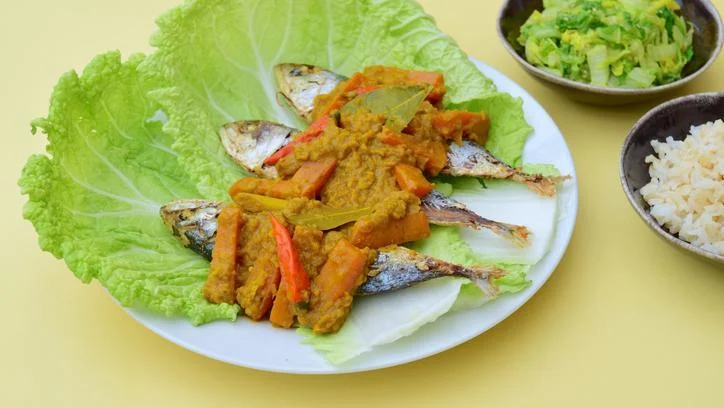
The landscape of Indonesian culinary heritage is vast, defined by an intricate tapestry of regional flavors, indigenous spices, and historical influences that span thousands of islands. Among the myriad preparations that define the archipelago’s coastal cuisine, fish dishes hold a position of paramount importance. As nutritional science increasingly highlights the health benefits of incorporating marine proteins into daily diets, traditional recipes such as Pesmol Ikan Kembung—mackerel cooked in a vibrant, spiced yellow gravy—have experienced a significant resurgence in both domestic households and high-end culinary establishments. Originating primarily from the Sundanese culture of West Java and widely embraced throughout the metropolitan hub of Jakarta, this dish exemplifies the sophisticated balance of acidity, heat, savory depth, and aromatic complexity that characterizes West Javanese cooking.
Culinary traditions in the Sundanese region are historically celebrated for their emphasis on freshness, utilizing raw vegetables, locally caught freshwater and marine fish, and an array of ground spice pastes known locally as bumbu. Pesmol is not merely a cooking method; it is a cultural preservation technique that marries indigenous spice utilization with the natural bounty of Indonesia’s extensive coastline. While various proteins can be subjected to the pesmol treatment—including carp, tilapia, and various reef fish—mackerel, or ikan kembung, remains a favored choice among culinary experts and home cooks alike due to its specific anatomical and physiological properties.
Anatomical and Nutritional Profile of Ikan Kembung
To understand the enduring popularity of Pesmol Ikan Kembung, one must examine the intrinsic qualities of the primary ingredient. Ikan kembung, belonging to the Scombridae family and closely related to tunas and mackerels, is an indigenous pelagic fish found abundantly in Indonesian waters, particularly the Java Sea and the Indian Ocean. Unlike delicate white fish that easily disintegrate during prolonged cooking processes, ikan kembung boasts a notably thick muscular structure, a rich and savory flavor profile, and robust bone architecture that simplifies the dining experience by minimizing the hazard of small, hidden bones.
Nutritionally, marine pelagic fish such as mackerel are powerhouses of essential fatty acids, particularly Omega-3 polyunsaturated fats, which play a critical role in cardiovascular health, cognitive function, and the reduction of systemic inflammation. According to nutritional data compiled by marine fishery authorities, a standard 100-gram serving of fresh mackerel provides a substantial amount of high-grade protein, vitamin D, vitamin B12, and selenium. When paired with the botanical ingredients found in the traditional bumbu kuning (yellow spice paste)—such as turmeric, shallots, garlic, galangal, ginger, and lemongrass—the dish transforms into a functional meal rich in antioxidants and antimicrobial compounds. Curcumin, the active polyphenol found in turmeric, acts as a potent anti-inflammatory agent, while allicin from garlic and the volatile oils in ginger contribute to enhanced immune support.
Historical Evolution and Cultural Significance of Pesmol
The evolution of pesmol as a distinct culinary category reflects the historical trade routes and agricultural abundance of the Sunda region. Historically, before the advent of widespread refrigeration, heavy seasoning, acidification, and frying served as vital methods of food preservation in tropical climates. The pesmol technique utilizes a foundation of turmeric, candlenuts, shallots, and garlic, sautéed in oil or rendered fat, followed by the introduction of aromatics such as lemongrass, kaffir lime leaves, and fresh galangal. The dish achieves its signature bright, tangy finish through the addition of fresh lime juice or tamarind, balanced by bird’s eye chilies (cabai rawit) that provide a sharp, clean heat.
In the socio-cultural context of West Java and Jakarta, dishes prepared with bumbu kuning are staples of both everyday family dining and ceremonial communal feasts, known locally as selamatan or liwet gatherings. Culinary historians note that while urban centers like Jakarta have increasingly adopted global fast-food trends, traditional dishes like pesmol ikan kembung maintain a steadfast presence in local eateries, known as warung nasi, as well as high-end dining venues that seek to elevate indigenous comfort food into fine-dining paradigms. The versatility of the dish allows it to be adapted to modern dietary requirements without sacrificing its foundational flavor profile.
Gastronomic Methodology: Structuring the Preparation of Pesmol Ikan Kembung
Preparing an authentic pesmol ikan kembung requires precise execution to ensure the integrity of the fish is maintained while allowing the complex spice paste to penetrate the flesh. Culinary professionals and home cooks typically approach the preparation through a systematic methodology that balances texture, temperature, and timing.
Below is the structured profile and culinary framework for preparing a traditional Pesmol Ikan Kembung Bumbu Kuning, tailored for a standard household yield of three portions with a preparation and cooking duration of approximately 30 minutes.
| Table: Culinary Metrics for Pesmol Ikan Kembung Bumbu Kuning | Parameter | Specification |
|---|---|---|
| Preparation and Cooking Duration | 30 Minutes | |
| Difficulty Level | Beginner to Intermediate (Easy) | |
| Yield / Portion Size | 3 Servings | |
| Geographic Origin | West Java, Indonesia | |
| Culinary Category | Seafood / Main Course |
The ingredient selection for this preparation emphasizes fresh, high-quality components available in local markets. The foundation relies upon three to four medium-sized fresh ikan kembung, thoroughly cleaned, scaled, and eviscerated. The application of fresh lime juice and a pinch of salt prior to cooking helps neutralize any fishy odors while firming the exterior proteins.
The aromatic spice paste—the bumbu halus—incorporates shallots, garlic, fresh turmeric (either raw or lightly charred to reduce bitterness), candlenuts (which serve as a natural thickening agent for the sauce), fresh ginger, and coriander seeds. Whole aromatics include bruised stalks of lemongrass, crushed galangal, torn kaffir lime leaves to impart a citrusy fragrance, and whole bird’s eye chilies left intact to provide localized pockets of heat for those who prefer an elevated spicy kick without overwhelming the palate.
Step-by-Step Culinary Execution
The execution of the recipe follows a sequential timeline designed to maximize flavor development:
-
Fish Pre-Treatment and Sealing: The cleaned ikan kembung are rubbed with a mixture of fresh lime juice and fine sea salt. Allowing the fish to rest for approximately ten to fifteen minutes enables the acid to firm the flesh. Subsequently, the fish are shallow-fried in moderately hot cooking oil until the exterior develops a golden-brown, semi-crisp crust. This crucial step prevents the fish from disintegrating when submerged in the liquid gravy later in the process, while sealing in the natural juices and savory flavors of the mackerel. Once sealed, the fish are removed and set aside on absorbent paper to drain excess oil.
-
Spice Paste Sautéing (Tumis): In a separate wok or skillet, a moderate amount of cooking oil is heated over medium-low heat. The finely ground bumbu kuning paste—comprising the shallots, garlic, turmeric, candlenuts, ginger, and coriander—is introduced to the pan. Constant stirring is required to cook out the raw flavor of the aromatics without burning the candlenuts and turmeric, which can impart a bitter profile if overheated.
-
Infusion of Aromatics: Once the spice paste becomes fragrant and changes to a deeper, richer yellow hue, bruised lemongrass, crushed galangal, and torn kaffir lime leaves are added to the pan. The heat releases the essential oils from these botanicals, creating a complex aromatic base that defines the character of authentic pesmol.
-
Emulsification and Simmering: A controlled amount of water or light stock is poured into the skillet to create the gravy consistency. Seasonings such as sea salt, raw or palm sugar, and white pepper are adjusted to taste. The mixture is brought to a gentle simmer, allowing the flavors to meld and the candlenuts to emulsify the liquid into a rich, clinging sauce.
-
Integration of Fish and Chilies: The pre-fried ikan kembung are gently laid into the simmering yellow gravy. Whole bird’s eye chilies are added at this stage, either submerged into the sauce for a subtle infusion of capsaicin or left floating on top for visual presentation and direct consumption. The dish is simmered on low heat for an additional five to seven minutes, ensuring the flavors thoroughly penetrate the thick muscular layers of the mackerel without overcooking the delicate fish.
-
Final Presentation: The dish is served hot, typically accompanied by a steaming portion of jasmine rice. The natural oils from the mackerel and the rich, spiced gravy combine to create a deeply satisfying sensory experience that bridges traditional home-style cooking with sophisticated gastronomy.
Broader Economic and Cultural Implications
The enduring popularity of dishes like pesmol ikan kembung carries significant implications for the broader Indonesian food economy, particularly within the artisanal fishing and agricultural sectors. As consumer demand shifts toward traditional, authentic local foods—driven by culinary tourism and digital food media—small-scale fishermen and local spice farmers find steady markets for their produce. Furthermore, the promotion of indigenous marine species like ikan kembung supports national food security initiatives by encouraging the consumption of locally abundant pelagic fish over imported protein alternatives.
In urban centers such as Jakarta, the culinary landscape continues to negotiate a delicate balance between modernization and the preservation of heritage recipes. Food researchers and cultural preservationists emphasize that documenting and disseminating traditional recipes like pesmol ensures that ancestral knowledge is transmitted across generations. As digital platforms increasingly showcase regional Indonesian cooking techniques to global audiences, dishes rooted in the rich biodiversity of West Java and Jakarta stand poised to gain wider international recognition, cementing their place in the pantheon of world-class regional cuisines.