Buttermilk is an invaluable baking ingredient because it tenderizes, moisturizes, and flavors baked goods, serving as a cornerstone of traditional scratch-baking that has seen a significant resurgence in both home and professional kitchens. While once a byproduct of the butter-churning process—the thin, slightly acidic liquid remaining after cream is agitated—modern commercial buttermilk is typically a cultured dairy product. This evolution has transformed it from a farmstead staple into a highly consistent, functional ingredient that offers predictable results for bakers worldwide.
The Chemical Foundation of Buttermilk
To understand the popularity of buttermilk, one must look at the chemistry it introduces to a recipe. Cultured buttermilk is inherently acidic, typically possessing a pH between 4.4 and 4.8. This acidity is the primary driver behind its utility in leavening. When buttermilk is combined with baking soda (sodium bicarbonate), a chemical reaction occurs that releases carbon dioxide gas. This rapid release of gas creates air pockets within the batter or dough, providing the lift necessary for light, airy pancakes, muffins, and quick breads. Unlike baking powder, which relies on moisture and heat to activate, the interaction between buttermilk and baking soda provides an immediate, reliable rise.
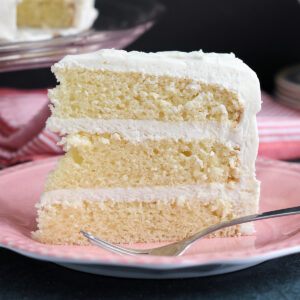
Beyond leavening, the acidity of buttermilk plays a crucial role in protein structure. It acts as a tenderizing agent by breaking down gluten strands in wheat flour. Gluten, a protein network formed when flour is mixed with liquid, provides structure and chewiness; however, in delicate baked goods like cakes, excessive gluten development can lead to a tough or rubbery texture. By slightly weakening these strands, buttermilk ensures that the finished product remains soft, tender, and maintains a fine, velvety crumb.
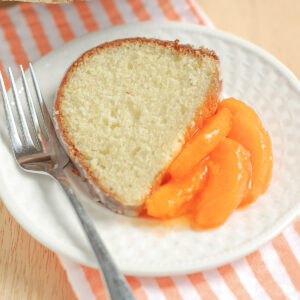
Furthermore, buttermilk contributes significant moisture and a distinctive flavor profile. Despite its relatively low fat content—often comparable to or even lower than whole milk—the fermentation process creates a complex flavor profile characterized by a bright, refreshing tang. This tanginess serves a vital sensory function: it balances the sweetness of sugars and fats, preventing cloying flavors and adding depth to savory preparations like biscuits, rolls, and corn-based dishes.
A Historical Perspective and Modern Evolution
The tradition of baking with buttermilk is deeply rooted in history, particularly in the Southern United States and Northern Europe. In the era before refrigeration, buttermilk was the natural, acidic liquid leftover after churning sweet cream into butter. Because it was readily available on dairy farms, it became the standard liquid for quick breads and griddles cakes.
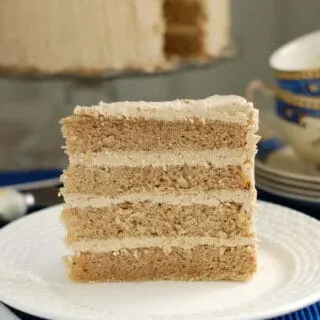
In the 20th century, the rise of industrial dairy production led to the development of "cultured" buttermilk. Today, most buttermilk found on supermarket shelves is produced by adding bacterial cultures to low-fat or skim milk, mimicking the acidity and thickening that naturally occurred in the old-fashioned process. This transition has allowed for greater quality control. While some culinary purists argue that farm-fresh buttermilk has a deeper complexity, the commercial product is widely regarded as a superior, standardized tool for professional pastry chefs and home bakers alike.
Applications Across Baking Categories
The versatility of buttermilk is evidenced by its presence in a vast array of culinary applications. It is not merely a liquid for thin batters but a foundational element that dictates the final crumb and flavor of the finished item.
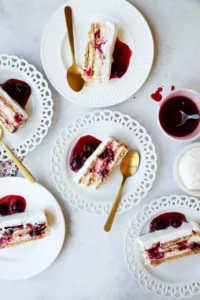
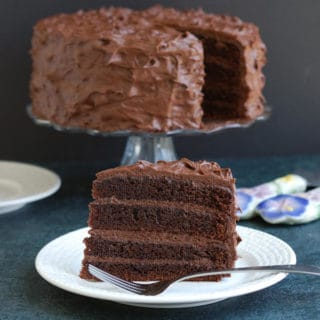
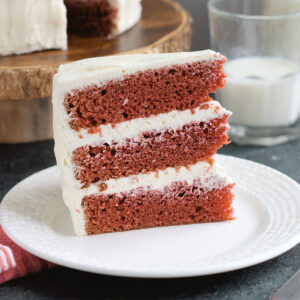
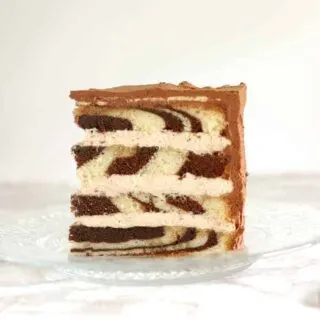
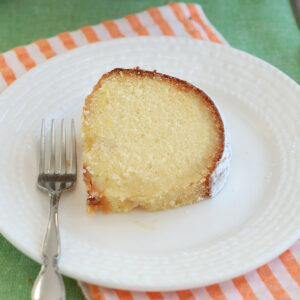
- Cakes and Cupcakes: From the classic Vanilla Buttermilk Cake to more complex offerings like Red Velvet and Chocolate Ganache cakes, buttermilk is the secret to moisture retention. By keeping the crumb soft for days, it extends the shelf life of these desserts.
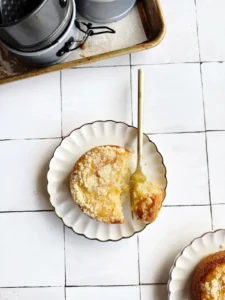
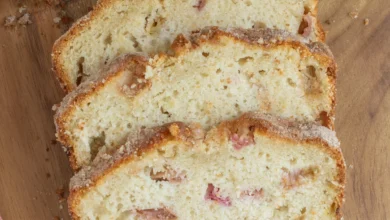
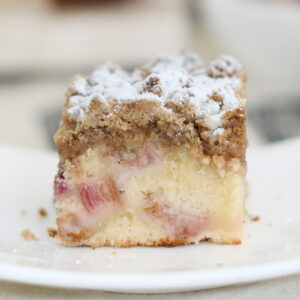
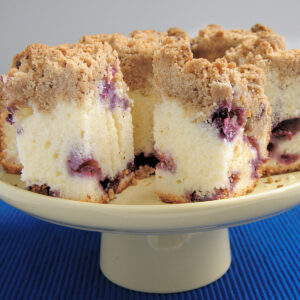
- Quick Breads and Muffins: The use of buttermilk in fruit-based muffins—such as rhubarb, blueberry, or raspberry—helps counteract the sweetness of the fruit and provides the structure needed to hold heavy mix-ins like white chocolate chips or nuts.
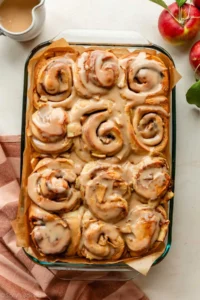
- Biscuits and Scones: In the realm of flaky, laminated doughs, buttermilk provides the necessary acidity to react with leaveners, ensuring the biscuit rises into distinct layers. When combined with cold butter, it creates the hallmark texture of a high-quality, professional biscuit.
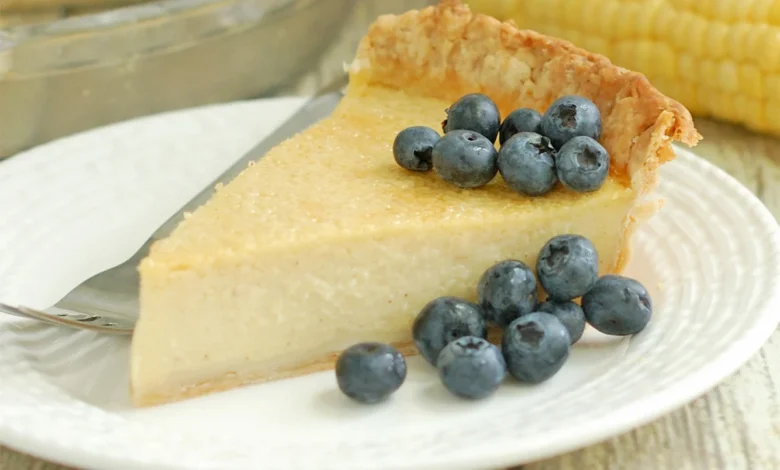
- Pies and Custards: In traditional buttermilk pies, the liquid serves as the base for the custard itself. When baked, the acidity helps set the eggs and dairy into a silky, firm, yet delicate filling that is iconic in American dessert culture.
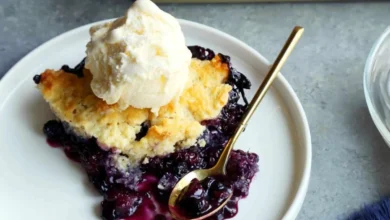
- Savory Applications: Beyond sweets, buttermilk is essential in savory baking. Cornbread, when made with buttermilk, gains a specific tang that complements the earthiness of cornmeal. It is also used in savory cobblers and even as a secret ingredient for moistening mashed potatoes.
Purchasing, Storage, and Best Practices
For the best results, culinary experts emphasize the importance of using actual buttermilk rather than "DIY" substitutes. A common kitchen hack suggests mixing regular milk with lemon juice or vinegar to create a buttermilk substitute. While this provides the necessary acidity to activate baking soda, it lacks the viscosity and the distinct, complex fermented notes of true cultured buttermilk.
When purchasing, bakers should look for labels specifying "cultured buttermilk." While low-fat versions are the industry standard and work perfectly for the majority of recipes, full-fat buttermilk can be used to add extra richness to luxury items like ice cream or high-end cakes.
Storage is another area where buttermilk defies common misconceptions. Due to the high acidity of the product, it acts as a natural preservative, meaning an opened container can often remain fresh for two to three weeks in the refrigerator, provided it is kept in the coldest section of the unit—avoid the door, where temperatures fluctuate.
For those who do not use buttermilk frequently, powdered buttermilk is an excellent shelf-stable alternative. It keeps for months and can be reconstituted with water as needed, ensuring that a baker is never without this essential ingredient. For those who find themselves with excess fresh product, freezing is a viable option. Buttermilk can be frozen in ice cube trays or freezer-safe containers for up to three months. While the texture may separate slightly upon thawing, it remains perfectly functional for all baking and cooking purposes.
Economic and Culinary Implications
The widespread use of buttermilk has significant implications for food production and recipe development. From an economic standpoint, the ability to use buttermilk as both a leavening assistant and a tenderizer allows bakers to reduce the need for other, more expensive ingredients like excessive fat or chemical stabilizers.
From a culinary perspective, the "tang" of buttermilk is a defining characteristic of comfort food. As food trends shift toward traditional, "scratch-made" methodologies, the demand for ingredients that provide authentic, nostalgic flavors has increased. Buttermilk fits perfectly into this narrative, representing a link to a time when simple, farm-based ingredients formed the basis of the family table.
As the industry continues to innovate, the integration of buttermilk into sourdough recipes—often using "discard" from a sourdough starter—has gained popularity. This hybrid approach combines the deep, yeasty notes of long-fermented dough with the light, tender crumb facilitated by buttermilk. This innovation represents the next frontier in home baking, where scientific precision meets the artisanal craft of fermentation.
In conclusion, buttermilk remains an irreplaceable component of the baker’s pantry. Its unique chemical properties, historical significance, and unmatched ability to enhance both texture and flavor make it a fundamental building block of baking science. Whether utilized in a simple batch of morning muffins or a complex three-layer cake, its consistent performance ensures that it will continue to be a staple in kitchens for generations to come.
Related posts: