Mastering the Art of Paper-Wrapped Chicken: A Comprehensive Culinary Guide to Lock in Moisture and Flavor

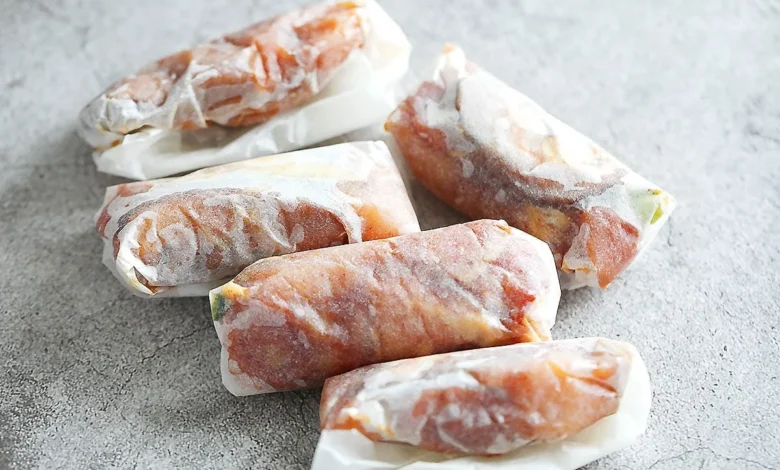
The culinary world has long grappled with the perennial challenge of preparing boneless chicken breasts and thighs without sacrificing moisture. Traditional cooking methods—such as pan-searing, grilling, or oven-roasting—frequently subject lean poultry to direct, high-intensity heat, denaturing muscle proteins and squeezing out essential moisture. The result is often dry, stringy meat that requires heavy sauces to become palatable. In response to these gastronomic limitations, professional chefs and home cooks alike have increasingly turned to the time-honored technique of enclosing proteins in parchment paper. This specialized folding method creates a self-contained steaming environment, preserving the natural juices, marinades, and aromatic profiles of the ingredients.
Background Context and Culinary Evolution
The practice of enclosing food in protective barriers before cooking dates back centuries across various global cuisines. Most notably, the Chinese culinary tradition of paper-wrapped chicken (纸包鸡 – Zhi Bao Ji) emerged as a masterclass in heat management and flavor preservation. Traditionally, cooks used specialized greaseproof paper or cellophane to encase marinated chicken pieces alongside aromatics like Chinese sausage, dried mushrooms, scallions, and ginger.
Historically, this preparation was designed for deep-frying or baking. The paper barrier acts as an ingenious shield: it prevents the meat from coming into direct contact with boiling oil or scorching heat, while simultaneously trapping interior moisture. As the parcel heats up, the trapped liquids vaporize, effectively pressure-steaming the chicken from the inside out. This indirect cooking method ensures that even lean cuts of poultry remain exceptionally succulent, absorbing the concentrated flavors of the marinade without becoming waterlogged or greasy.
The Mechanics of Parchment Paper Cookery
Understanding the thermodynamic principles behind parchment paper cookery illuminates why this technique yields such superior results. When a food item is sealed inside a tight diamond-shaped parcel, a closed thermodynamic system is established.
As thermal energy transfers through the oven, air fryer, or oil, the internal moisture of the chicken and its accompanying marinades reaches its boiling point. Because the parchment creates a hermetic seal, the steam cannot readily escape. Instead, it circulates within the pouch, transferring heat uniformly across every surface of the meat. This gentle, convective steaming cooks the protein far more evenly than radiant or conductive heat alone.
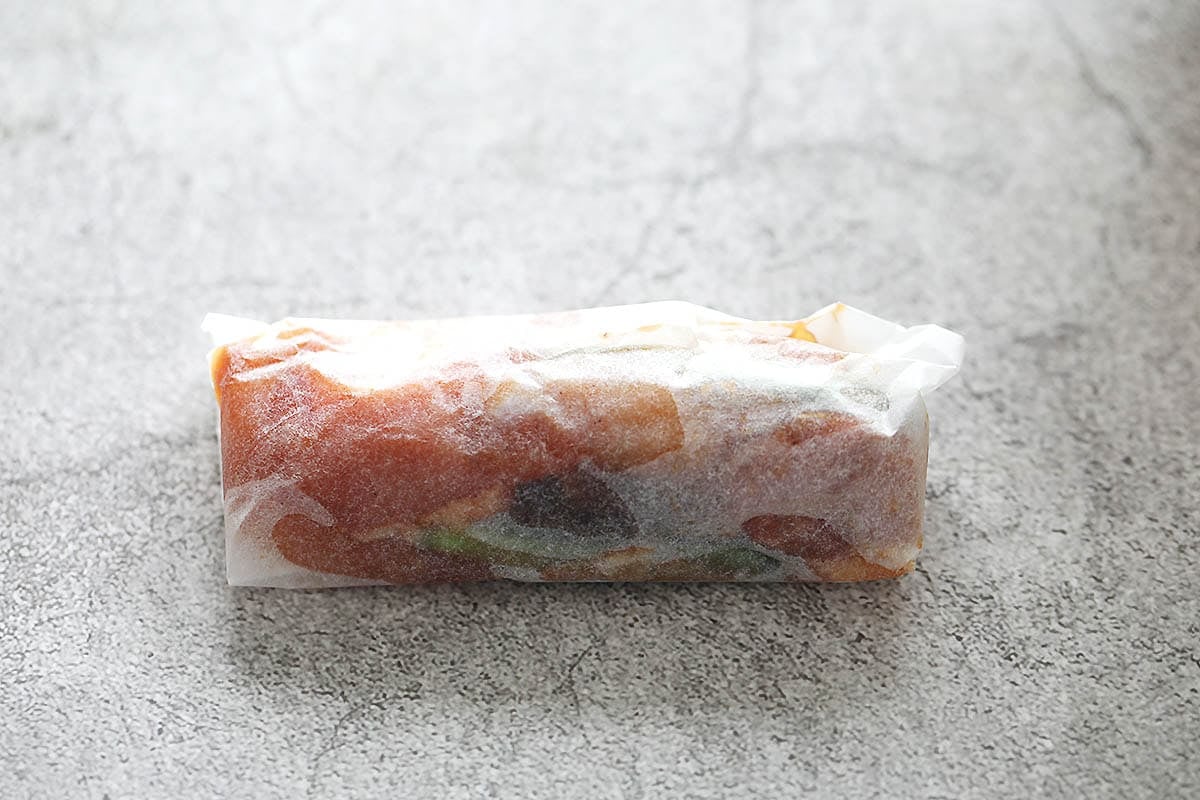
Furthermore, culinary scientists note that paper-wrapped cooking minimizes the loss of volatile aromatic compounds. In an open pan, many flavorful molecules in marinades—such as garlic oils, sesame compounds, and rice wine volatiles—evaporate into the kitchen air. Enclosing the ingredients in parchment forces these aromatics to condense back onto the surface of the chicken, intensifying the final flavor profile.
Step-by-Step Methodology for the Diamond Fold
Executing a structurally sound parcel requires precision and adherence to geometric folding techniques. While kitchen twine or toothpicks are occasionally utilized in inferior packaging methods, the traditional diamond fold relies entirely on mechanical tension and friction to maintain its integrity.
-
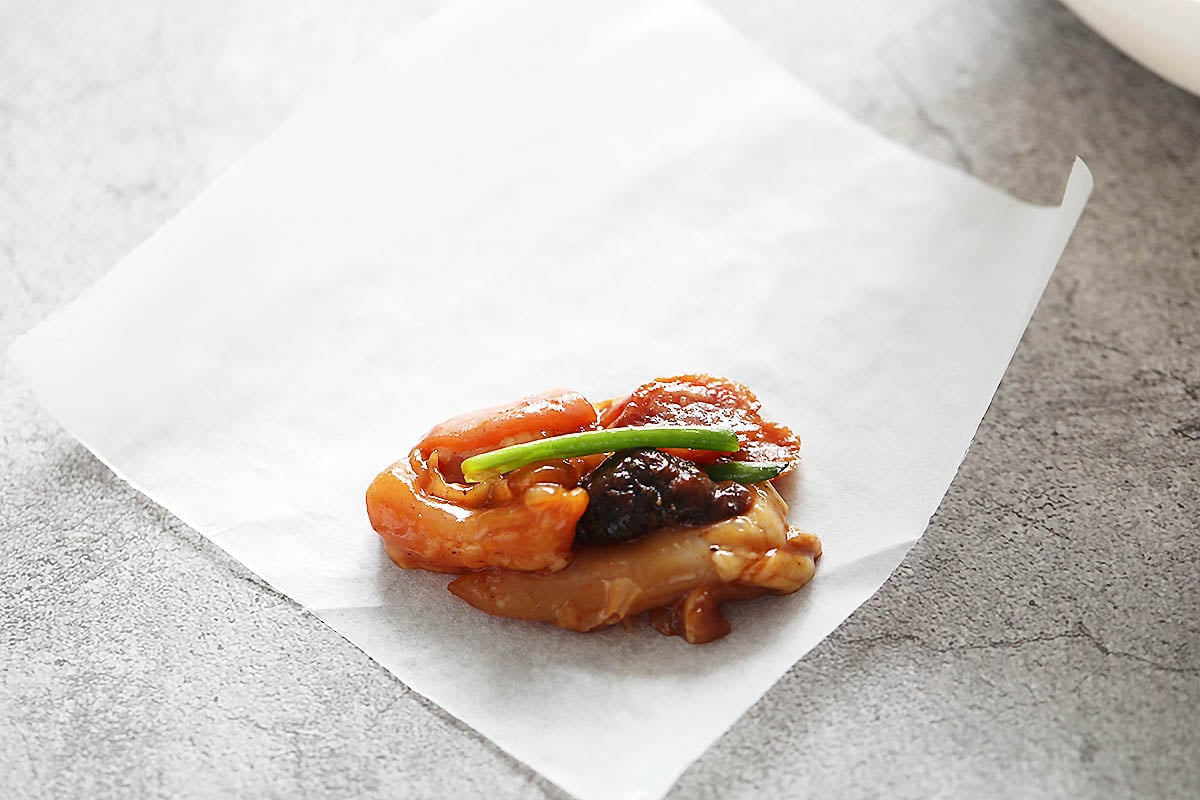
Paper Selection and Preparation: Culinary experts recommend starting with a high-grade, silicone-coated parchment paper. Standard dimensions typically measure approximately 15 centimeters by 15 centimeters (6 inches by 6 inches) for individual poultry portions. If the brand features a designated non-stick silicone side, this side must face inward toward the meat. Cooks are advised to cut squares in advance but avoid pre-folding them, as fresh creases hold a significantly stronger lock.
-
Positioning the Ingredients: Lay the parchment square flat on the workstation in a diamond orientation, with one corner pointing directly toward the cook. Place the marinated chicken piece, along with any chosen aromatics such as Chinese sausage, scallions, or mushrooms, near the bottom corner closest to the body.
-
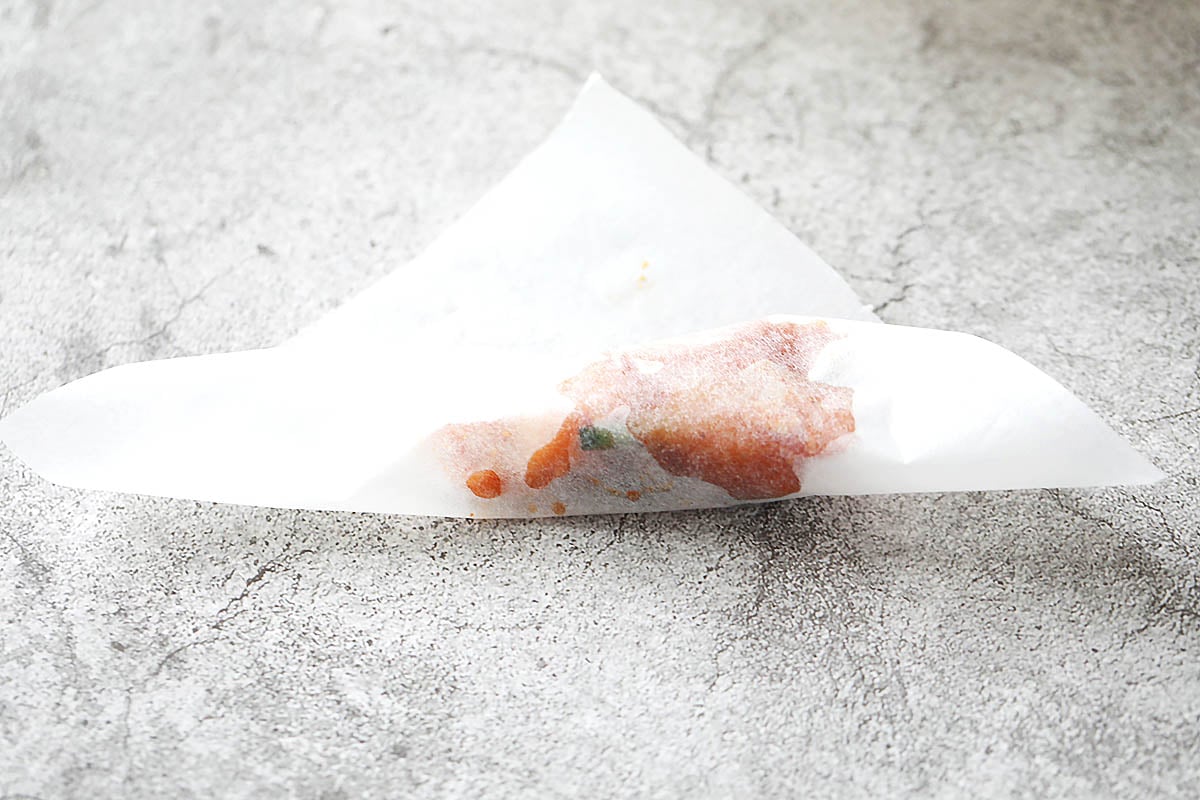
The Initial Roll: Grasp the bottom corner of the parchment and roll it firmly up and over the filling. The paper must be tucked snugly against the protein to eliminate air pockets, which can destabilize the parcel during the cooking phase.
-
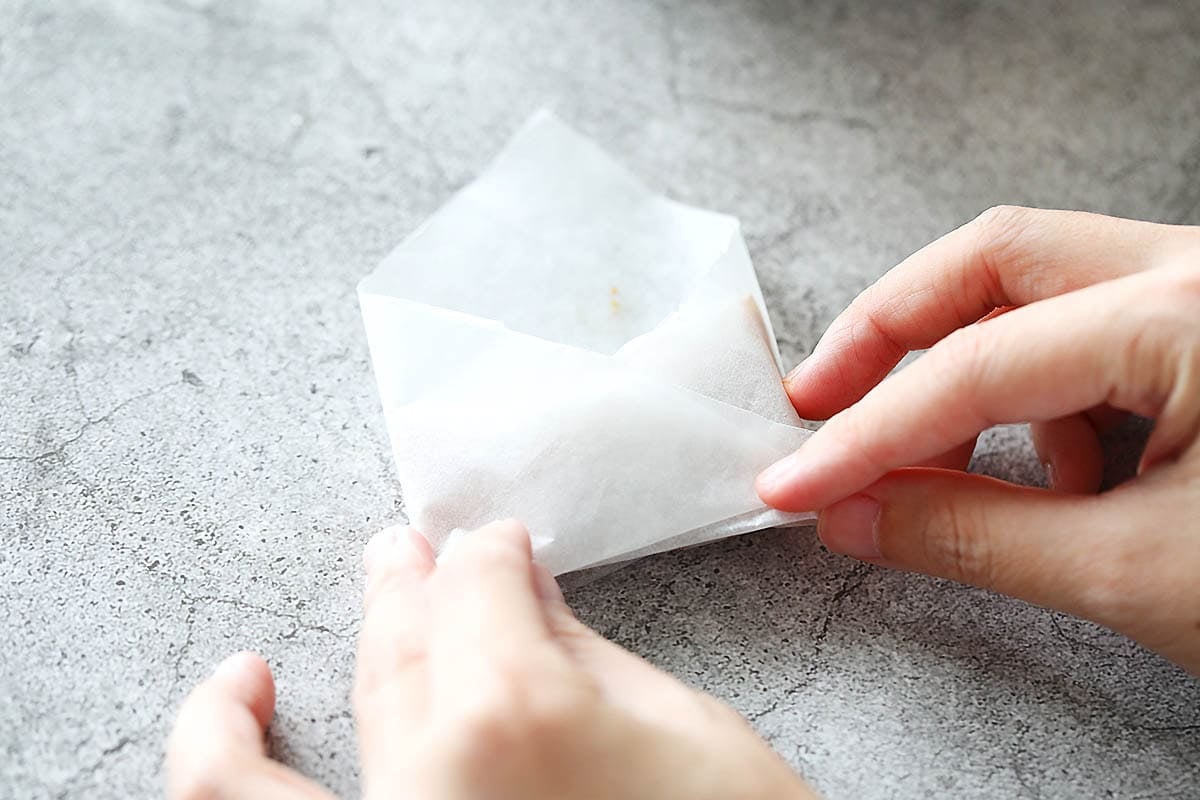
Securing the Lateral Flaps: Fold the right corner inward toward the center, laying it flat over the initial roll. Culinary instructors emphasize the importance of executing sharp, firm creases with the fingers at this stage. Repeat this action with the left corner, folding it inward to overlap the right side completely, transforming the parcel into an open-ended envelope shape.
-
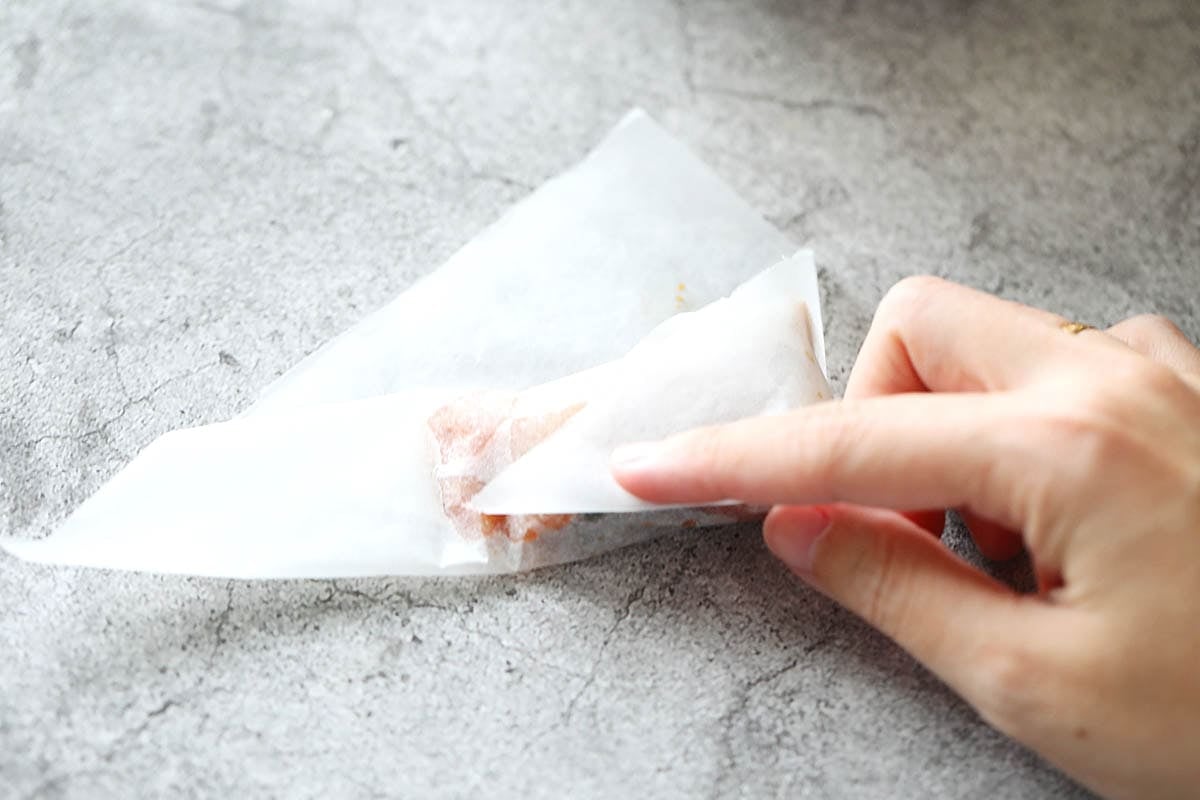
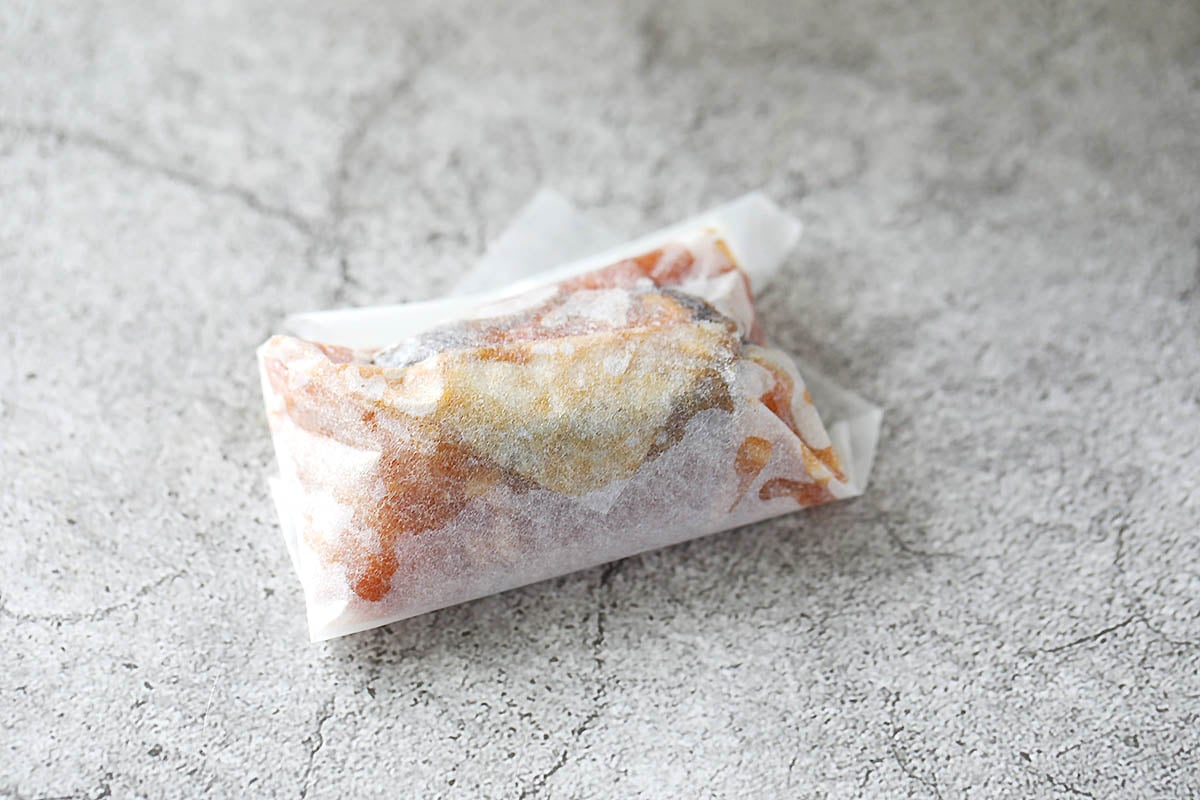
Final Sealing: Roll the folded parcel upward toward the top corner for one full revolution, ensuring the meat remains tightly compressed in the center. Finally, take the remaining top corner, fold it straight down, and tuck it securely into the pocket fold located on the back of the package. This mechanical interlock prevents the parcel from unfurling under the pressure of expanding steam.
Comparative Analysis of Wrapper Materials
When selecting a wrapping medium, home cooks and commercial kitchens generally choose between parchment paper and aluminum foil. While both materials can accommodate the diamond-folding sequence, their functional properties diverge significantly during the cooking process.
Aluminum foil is prized for its malleability and ability to hold crisp creases. However, it possesses high thermal conductivity, which can sometimes transfer heat too aggressively to the exterior of the package. More critically, aluminum foil lacks breathability and can occasionally cause delicate proteins to adhere to its surface, tearing the meat upon unwrap.
Parchment paper, conversely, offers superior performance in moisture management. Composed of cellulose fibers treated with silicone, parchment is naturally non-stick and moisture-resistant. It possesses a controlled breathability that allows micro-amounts of steam to vent safely, preventing the parcel from ballooning and bursting while retaining optimal internal humidity. Furthermore, parchment paper is inert, meaning it will not react with acidic marinades containing citrus, vinegar, or soy sauce—a common issue when low-quality foils interact with high-acid solutions.
Troubleshooting Common Folding and Cooking Errors
Even experienced cooks occasionally encounter structural failures when learning paper-wrapped techniques. Recognizing the root causes of these errors can drastically improve success rates.
Unraveling Parcels During Cooking: If a parchment package springs open inside the oven or air fryer, it is almost invariably due to insufficient crease pressure or overfilling. Without firm, fingernail-pressed creases, the memory of the paper will cause it to relax when exposed to heat. Additionally, stuffing the 15×15 cm square beyond its capacity creates outward pressure that overpowers the top tuck-in pocket.
Juice Leakage: Leaking marinades typically indicate that the paper margin surrounding the protein was too narrow. A generous perimeter of empty paper is required to absorb the initial expansion of liquids and provide enough surface area for secure overlapping flaps.
Uneven Cooking Times: While boneless, skinless chicken breasts and thighs cook rapidly within parchment pouches—often in under 15 minutes depending on the cooking medium—adjustments must be made for alternative cuts. Bone-in, skin-on pieces require an extension of the cooking time to allow thermal energy to penetrate the bone density. Similarly, adapting the method for tougher proteins like pork ribs necessitates cutting the meat into smaller individual riblets to prevent punctures in the paper barrier.
Broader Culinary Implications and Versatility
The resurgence of interest in parchment-wrapped proteins reflects a broader contemporary consumer demand for cooking methods that emphasize health, convenience, and flavor enhancement. Because the parchment pouch traps natural juices, cooks can drastically reduce the amount of added dietary fats, oils, and heavy sauces normally required to keep poultry moist.
Furthermore, this technique is not restricted to chicken alone. Culinary research indicates that a wide array of proteins—including boneless pork chops, thinly sliced beef, delicate fish fillets, and whole shrimp—respond exceptionally well to envelope-style parchment cookery. By isolating each portion in its own micro-environment, home cooks can simultaneously prepare multiple flavor profiles on a single baking sheet, catering to diverse dietary preferences without cross-contamination of flavors.
As culinary education continues to democratize traditional techniques through digital platforms, methods like the diamond-fold parchment wrap are transitioning from specialized restaurant practices into everyday household repertoires. By mastering the fundamental physics of steam retention and structural folding, home cooks can reliably achieve restaurant-quality tenderness and flavor infusion with minimal equipment and cleanup.