The culinary landscape has witnessed a significant shift toward plant-based alternatives in recent years, driven by consumer demand for healthier, environmentally sustainable, and ethical food choices. Within the condiments sector, traditional honey mustard has long been a staple pairing for sandwiches, wraps, and finger foods. However, because honey is an animal byproduct harvested from bees, it is strictly excluded from vegan diets. To bridge this culinary gap, home cooks and professional chefs alike have experimented with plant-based iterations that mimic the distinct sweet-and-tangy profile of the original condiment without compromising ethical standards. The introduction of a rapid, five-ingredient vegan honey mustard sauce represents a practical innovation in home cooking, offering a streamlined method to produce a versatile kitchen staple in minutes.
Developed by culinary creator Sam Turnbull, the recipe emphasizes accessibility and efficiency, requiring merely five minutes of preparation time and a single mixing bowl. According to nutritional breakdowns provided by recipe developers, a standard one-sixth serving yields approximately 147 kilocalories, predominantly derived from the plant-based fats necessary to achieve the desired creamy texture. The formulation relies on a strategic blend of yellow mustard and Dijon mustard to establish flavor depth, agave nectar as a neutral vegan sweetener, fresh lemon juice for acidity, and vegan mayonnaise to supply the necessary emulsion and mouthfeel. This meticulous combination addresses a common critique of homemade plant-based sauces: the challenge of achieving the rich viscosity found in commercial, dairy- or egg-based counterparts without relying on complex culinary techniques.
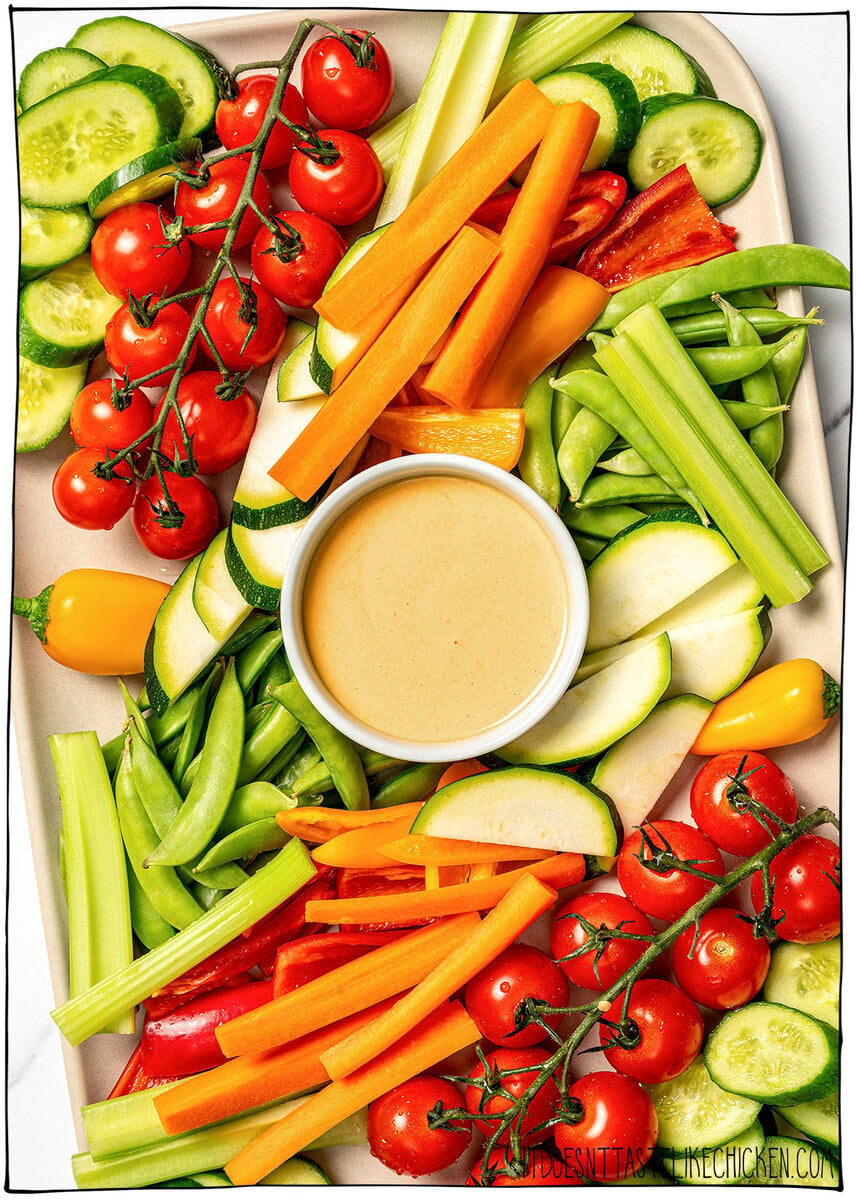
The broader implications of this recipe extend into the rapidly expanding global plant-based food market, which industry analysts project will continue its upward trajectory throughout the decade. As consumers increasingly adopt flexitarian, vegetarian, or strictly vegan diets, the demand for accessible, everyday pantry staples that require minimal specialized ingredients has surged. Culinary educators note that mastering basic sauces is one of the most effective ways to elevate simple, plant-based meals—such as roasted vegetables, grain bowls, and soy-based protein strips—thereby improving long-term dietary adherence for individuals transitioning away from animal products. By utilizing pantry staples like prepared mustards and widely available plant-based mayonnaises, home cooks can bypass commercial condiments that often contain preservatives, artificial thickeners, or hidden allergens.
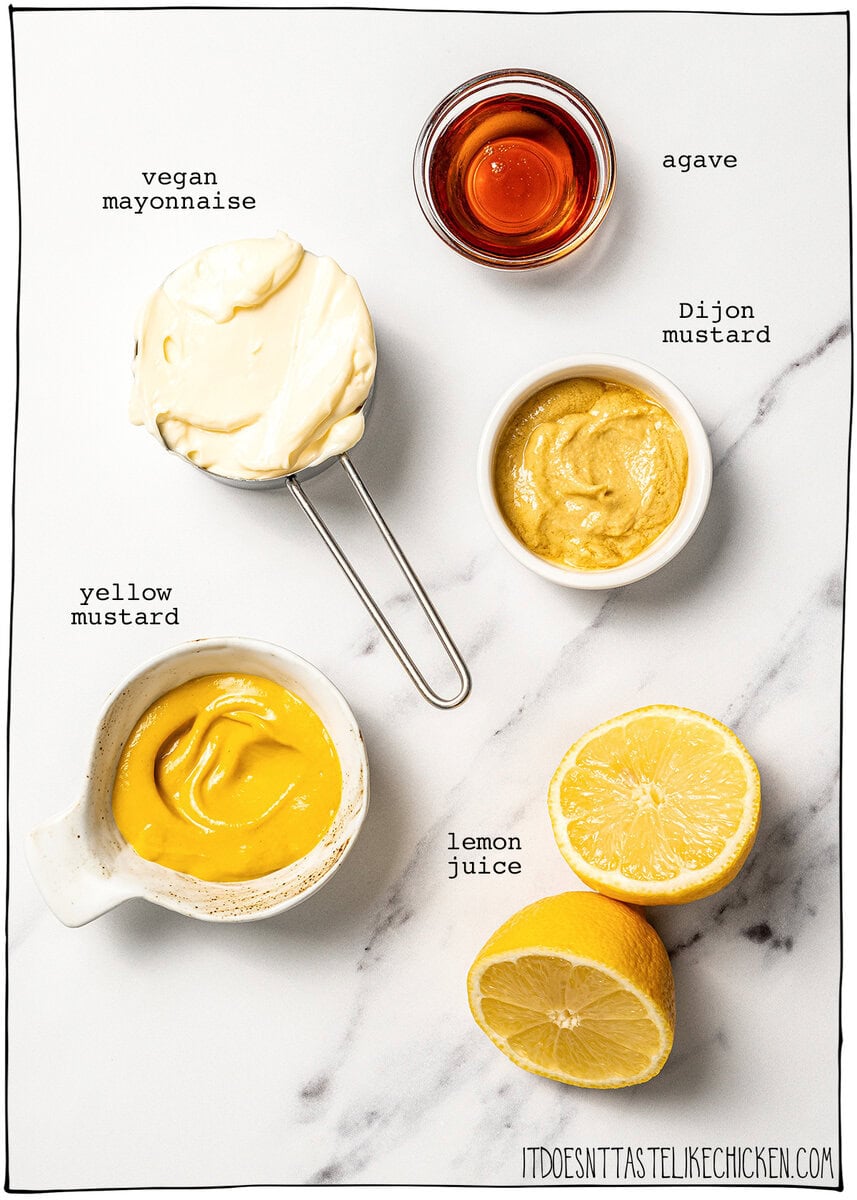
Furthermore, the formulation highlights a growing trend toward customizable home cooking solutions. While agave nectar serves as the primary sweetener in this iteration, culinary flexibility allows for substitutions such as maple syrup, depending on individual flavor preferences and regional availability. This adaptability is particularly valuable for consumers managing dietary restrictions beyond veganism, such as gluten sensitivities or specific glycemic indexes. Industry observers suggest that as consumer interest in clean-label eating intensifies, recipes that prioritize transparency, speed, and whole-ingredient profiles will remain central to modern culinary content creation.
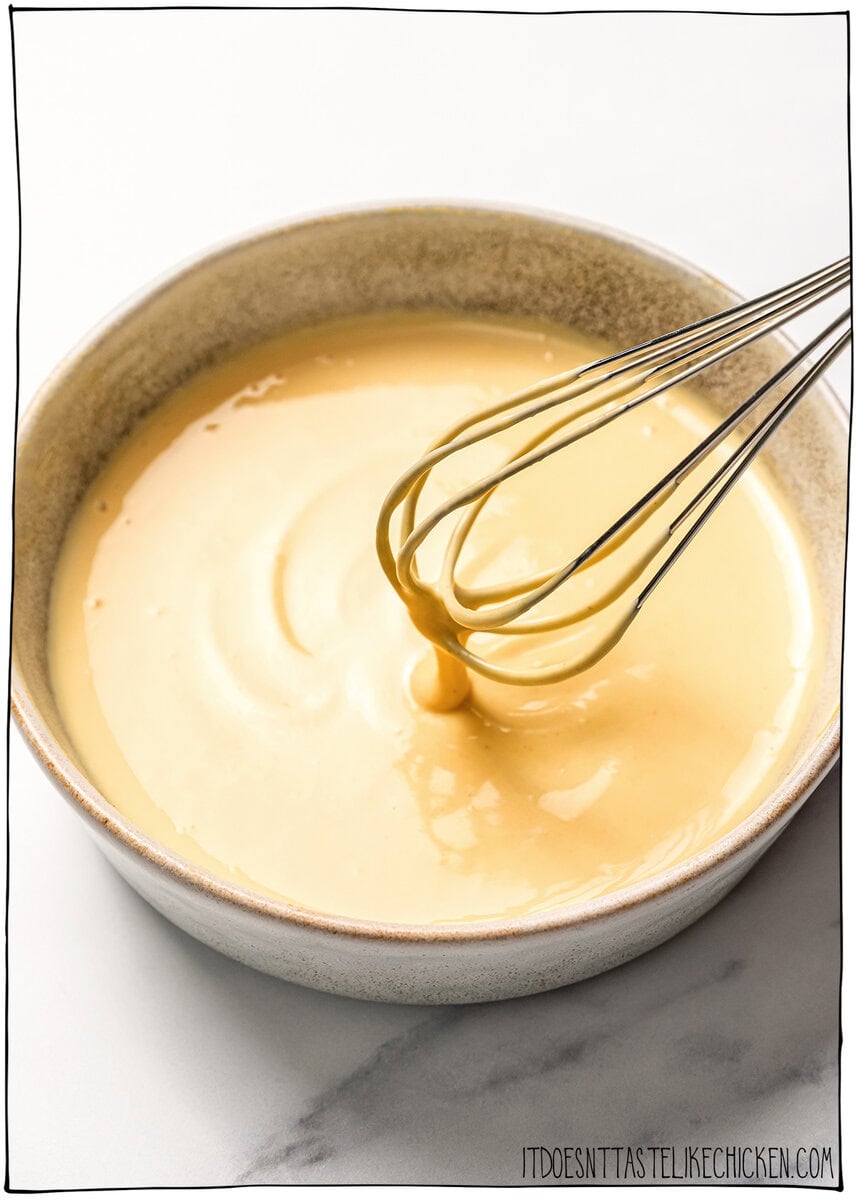
Ultimately, the dissemination of streamlined recipes like this vegan honey mustard underscores the democratization of specialized cooking. What once required sourcing obscure vegan substitutes or executing multi-step emulsifications can now be accomplished with basic grocery items in the time it takes to set a dinner table. As digital cooking communities continue to expand—evidenced by dedicated platforms where home cooks share modifications and ratings—the culinary knowledge base for plant-based living becomes increasingly robust. This evolution in home economics not only enhances individual meal satisfaction but also normalizes plant-based eating as a seamless, flavorful, and entirely frictionless aspect of contemporary dietary culture.