The Chemistry of the Perfect Pour: How Modern Science is Transforming Home Coffee Brewing

The intersection of culinary arts and hard science has long fascinated researchers, but few everyday routines have seen as profound an analytical awakening as the morning cup of coffee. Over the past decade, the proliferation of specialty third-wave coffee culture across Scandinavia and the global market has shifted consumer focus from mere caffeine intake to an appreciation of nuanced single-origin flavors, light roasts, and precise brewing mechanics. Sparked by extended periods of isolation and home experimentation during the COVID-19 pandemic, analytical chemists and coffee enthusiasts alike have begun applying rigorous laboratory principles to what was once an intuitive kitchen ritual. This deep dive into extraction yields, particle size distributions, and water chemistry marks a fundamental shift: home coffee brewing is evolving from a culinary art into an applied science.
The Evolution of Home Extraction Analysis
Historically, evaluating coffee strength and extraction efficiency at home was hindered by a lack of accessible, precise instrumentation. While industrial roasters and commercial cafes utilized advanced refractometers and particle sizers, domestic brewers relied on subjective taste tests and rigid, often unrepeatable recipes. The realization that traditional pour-over methods frequently yield inconsistent results has driven a wave of self-directed research among consumers with scientific backgrounds.
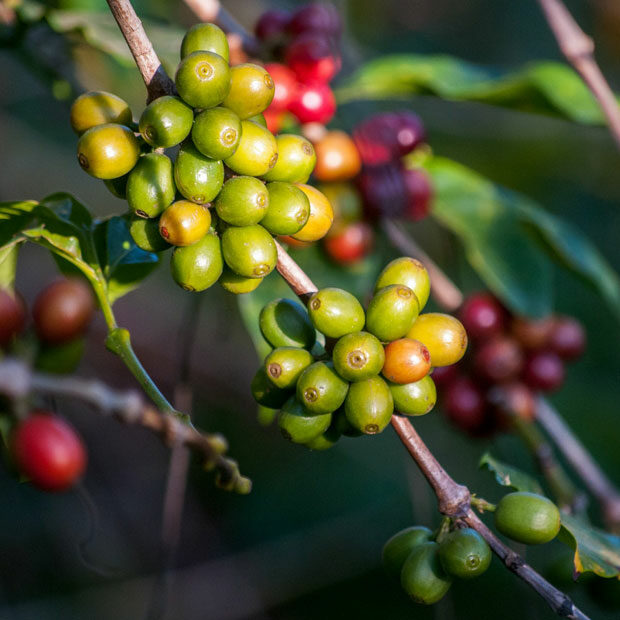
The analytical awakening accelerated significantly through the winter of 2020, catalyzed by sensory experiences like blind-tasting coffee advent calendars and experimenting with diverse hand grinders. Observers noted that minor adjustments to grind consistency or water temperature introduced profound variabilities, prompting a broader investigation into the underlying chemical physics of extraction. Rather than treating coffee as a static culinary input, contemporary researchers are examining the entire continuum—from the agricultural processing of Coffea arabica cherries to the fluid dynamics of paper micro-filters.
Core Metrics: Brew Ratios, TDS, and Extraction Yields
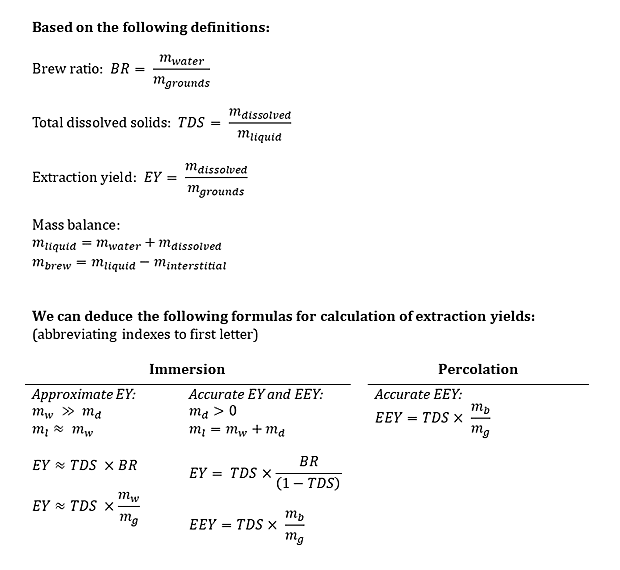
To standardize and optimize the coffee-making process, modern brewing science relies on three interconnected metrics: Brew Ratio (BR), Total Dissolved Solids (TDS), and Extraction Yield (EY).
The Brew Ratio serves as the fundamental recipe foundation, calculated as the mass of water relative to the mass of dry coffee grounds. Typical ratios for filtered black coffee range between 15 and 25, allowing brewers to easily scale recipes up or down while maintaining flavor profiles.
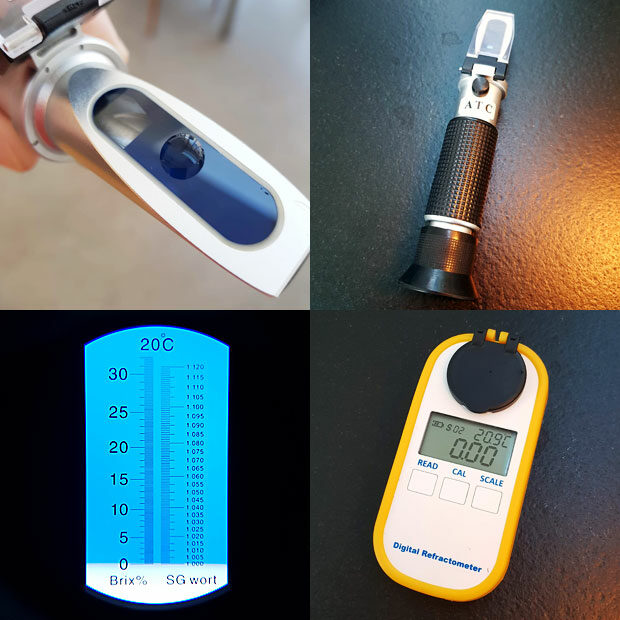
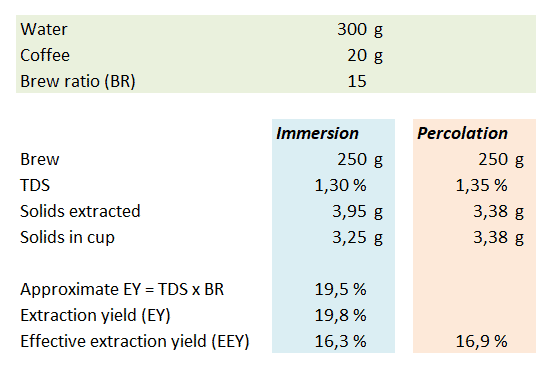
Measuring coffee strength—specifically the concentration of extracted compounds in the beverage—is quantified via Total Dissolved Solids (TDS). While a traditional gravimetric approach requires evaporating water to weigh the dry residue, practical home diagnostics utilize optical physics. By measuring the refraction index of light traveling through a coffee sample compared to air, users can employ handheld or digital refractometers. Because light travels slightly slower through a solution containing dissolved solids, devices calibrated with a Brix scale (converted to TDS via a standard multiplier) provide a rapid assessment of brew strength. Most standard black coffees register between 1.2% and 1.5% TDS, indicating that a typical cup consists of more than 98% water.
Building upon TDS, the Extraction Yield (EY) calculates the precise percentage of the original dry coffee mass that has been successfully dissolved into the liquid. Depending on the brewing technique—whether immersion, where all liquid shares an equal probability of extraction, or percolation, where fresh water continuously passes through a bed—calculating accurate yields requires accounting for interstitial liquid trapped between grounds. Experts distinguish between standard Extraction Yield and Effective Extraction Yield (EEY), which focuses strictly on the mass delivered to the final cup. Understanding these distinctions helps explain why immersion brews often extract a higher total mass of solids from the grounds, whereas percolation methods deliver a different concentration profile to the drinker.
The Micro-Physics of Grinding and Particle Size Distribution
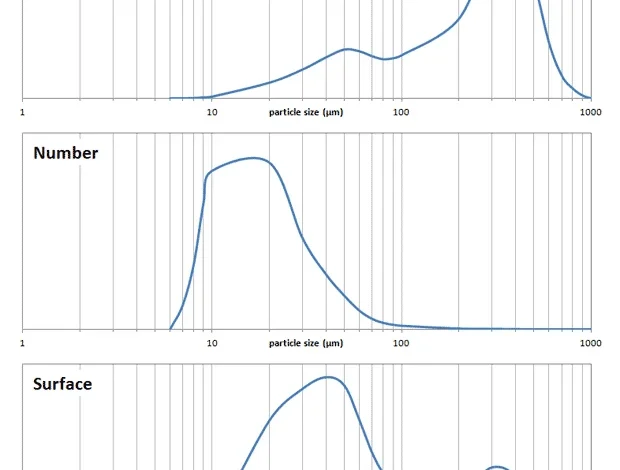
Beyond liquid measurements, the mechanical preparation of roasted beans dictates extraction efficiency. When a coffee bean is fractured in a burr or blade grinder, it produces a heterogeneous mix of large particles and microscopic fragments known as "fines" (typically defined as particles under 100 micrometers).
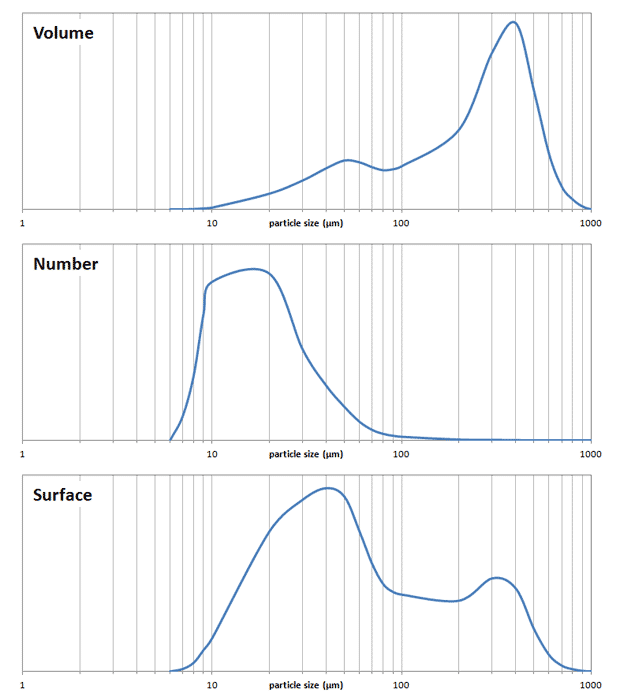
Analyzing Particle Size Distribution (PSD) through volume, surface area, or particle count reveals a surprising reality of extraction mechanics. While volume-based distributions suggest that large particles dominate the physical mass of the coffee bed, surface area visualizations demonstrate that more than half of the actual chemical extraction occurs on the surfaces of these sub-100-micrometer fines. Furthermore, industrial and academic studies indicate that water extracts soluble compounds from coffee particles only to a depth of approximately 100 micrometers. Consequently, the cores of larger coffee boulders remain unextracted, functioning primarily as structural elements that regulate the draw-down time of the water through a filter bed.
This dynamic underscores the critical importance of grinder selection. Conical and flat-burr grinders produce varying distributions of fines, directly influencing flow rates, channel formation, and potential over-extraction or bitterness. While uniform grinds reduce clogging in pour-over setups, achieving the ideal particle distribution remains a central engineering challenge for equipment manufacturers.
Environmental Variables: Water Composition, Temperature, and Filtration
As home brewers refine their technique, secondary variables such as water chemistry, thermal dynamics, and filter media have come under intense scrutiny. Water—comprising over 98% of the final beverage—is not a neutral solvent. The presence of specific mineral ions significantly alters extraction kinetics, influencing how aromatic compounds and acids are perceived on the palate. While regions with naturally soft water require mineral supplementation to optimize extraction, hard-water regions benefit from targeted filtration or custom DIY mineral water recipes.
Temperature similarly dictates both the solubility and diffusion rates of chemical compounds. Maintaining water temperatures near 100°C maximizes extraction efficiency, whereas cold-brew methods leverage extended steeping times at lower temperatures to yield vastly different sensory profiles—often dampening perceived bitterness and acidity due to thermal sensory suppression.
Finally, the choice of filter material plays a decisive role in defining the final cup. Paper filters effectively strip out both microscopic fines (which contribute to a heavier, "muddy" body akin to French press coffee) and hydrophobic coffee oils. While metal and cloth alternatives preserve these oils and particulates, high-density paper micro-filters produce a cleaner cup, demonstrating that filtration science is as vital to coffee preparation as it is in a pharmaceutical laboratory.
Implications for the Future of Specialty Coffee
The growing synthesis of food science and domestic brewing is permanently altering consumer expectations. By treating coffee extraction as an empirical discipline governed by mathematics, thermodynamics, and fluid mechanics, enthusiasts are no longer dependent on trial and error. As affordable digital measurement tools, advanced grind-sifting technology, and open-source scientific literature become more widely available, the gap between commercial-grade cafe operations and the home kitchen continues to narrow. Ultimately, this analytical evolution empowers consumers to unlock the full aromatic and flavor potential hidden within every roasted bean, ensuring that the morning cup remains a dynamic frontier of culinary science.