Kraken Coffee Brings the Spirit of Maui Throughout the U.S. With New Franchise Opportunity | RestaurantNews.com

The specialty coffee industry, currently valued at over $50 billion in the United States alone, is bracing for a new infusion of island-inspired competition. Kraken Coffee, a Maui-based drive-thru coffee concept that has garnered a loyal following across the Hawaiian Islands, has officially launched its nationwide franchise program. By pairing the high-growth potential of the quick-service drive-thru model with the distinct cultural branding of the Hawaiian Islands, the company aims to establish a presence in key mainland markets while reinforcing its dominance in its home state.
The Origins of a Maui Phenomenon
Kraken Coffee was established during a period when the drive-thru coffee landscape in Maui was significantly underserved. Founder Joshua Marten observed that while Hawaii was synonymous with world-class coffee production, the local retail market lacked the convenience-driven infrastructure common in mainland suburban areas. With only two major drive-thru operators serving the island at the time, the gap in the market was clear.
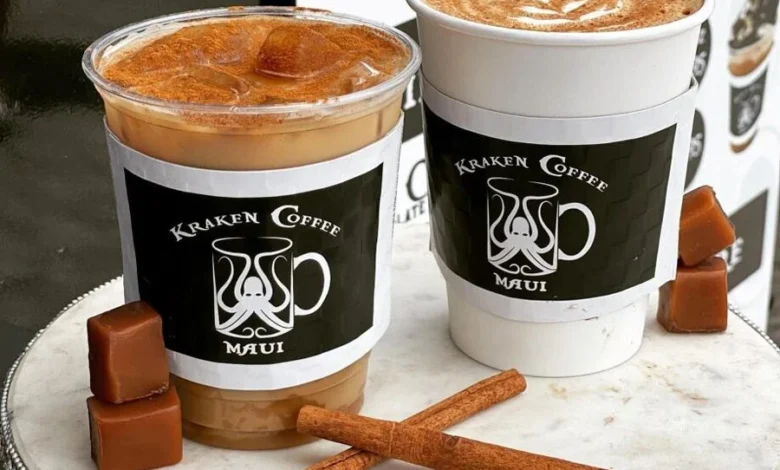
Marten’s vision was to bridge the divide between high-quality, handcrafted beverages and the fast-paced nature of modern consumer culture. Since its inception, the brand has successfully scaled to six locations across three primary Maui hubs: Kihei, Kahului, and Wailea. This localized growth was not merely an exercise in expansion but a laboratory for testing operational efficiencies, customer retention strategies, and the integration of unique menu items—such as their signature housemade coffee ice cubes—that distinguish the brand from traditional coffeehouse chains.
Strategic Expansion and Targeted Markets
The transition from a regional operation to a national franchise system is supported by a robust infrastructure designed to facilitate rapid scaling. Kraken Coffee has partnered with Atlanta-based Franchise Marketing Systems to refine its protocols and ensure that the brand’s core values remain intact as it enters new territories.
For the initial phase of mainland expansion, the company has identified specific target regions: Arizona, Oregon, Washington, Nevada, Colorado, New Mexico, and Texas. This selection is not arbitrary. Market analysis suggests that these states possess a mature "coffee culture" coupled with a high demand for convenient, experience-driven drive-thru models. These regions also mirror the demographic trends that have historically favored independent and craft-focused coffee brands over homogenized corporate giants.
The decision to target these states stems from their geographic and cultural alignment with the brand’s identity. The Pacific Northwest, in particular, maintains one of the highest per-capita coffee consumption rates in the country, while the Southwest represents a growing market for premium, customizable quick-service beverages.
The Economics of the Drive-Thru Model
In the wake of shifting consumer behaviors post-2020, the drive-thru model has emerged as one of the most resilient sectors within the hospitality industry. According to industry reports from the National Restaurant Association, drive-thru and off-premise sales have become the primary revenue drivers for coffee retailers. By focusing exclusively on a streamlined drive-thru format, Kraken Coffee minimizes the overhead costs associated with indoor seating, real estate footprint, and interior maintenance.
This operational efficiency is a core component of the brand’s value proposition to potential franchisees. By reducing the physical footprint, the company offers a business model that requires lower initial capital expenditure compared to traditional café formats. Furthermore, the reliance on high-margin, handcrafted drinks—rather than complex food menus—simplifies supply chain management and labor requirements, which are often the primary stressors for independent restaurant operators.
Cultivating the Aloha Brand Identity
While the business model is built on efficiency, the brand’s differentiator remains its cultural ethos. "Kraken Coffee was born from the spirit of Maui," says founder Joshua Marten. "Our vision was never just to serve great coffee; it was to create an experience. We wanted every guest to feel the warmth of aloha from the moment they pulled up, while enjoying handcrafted drinks inspired by the tropical flavors and culture of Hawaii."
In a market saturated with generic coffee offerings, the "Kraken" identity is designed to be provocative and memorable. The name, which implies something vast and legendary, is intended to break through the noise of the standard coffee shop aesthetic. By leveraging a distinct brand narrative, franchisees are positioned to foster deep customer loyalty, moving beyond transactional relationships to build community-oriented hubs.
Supporting the Franchisee Ecosystem
To ensure the long-term viability of the brand, Kraken Coffee has implemented a comprehensive support structure for its future partners. This includes:

- Standardized Operational Systems: A blueprint for store design, equipment procurement, and product sourcing that ensures quality consistency across all locations.
- Marketing and Branding Support: Access to the brand’s proprietary marketing assets, designed to highlight the "spirit of Maui" in diverse local contexts.
- Training Protocols: A rigorous onboarding program that focuses on both the technical aspects of drink preparation and the interpersonal nuances of "aloha-style" customer service.
- Ongoing Operational Guidance: Dedicated support teams to assist with site selection, demographic analysis, and troubleshooting, ensuring that individual franchisees have the resources of a larger network.
Broader Industry Implications
The launch of the Kraken Coffee franchise program signals a broader trend within the food and beverage industry: the "premiumization" of the drive-thru experience. For decades, the drive-thru was considered a utilitarian, low-quality service channel. Today, brands like Kraken are proving that consumers are willing to wait for, and pay a premium for, higher-quality products even in a drive-thru setting.
This shift has significant implications for commercial real estate and urban planning. As more businesses adopt the drive-thru-only model, developers are increasingly repurposing small, underutilized lots that were previously considered unsuitable for traditional restaurant layouts. If Kraken Coffee’s expansion proves successful in its initial target states, it could serve as a blueprint for other regional niche brands looking to achieve national scale without compromising their local identities.
Looking Ahead
The path forward for Kraken Coffee involves a dual-track strategy: deepening its presence within the Hawaiian Islands while concurrently establishing a mainland foothold. This delicate balance of growth requires careful management of brand reputation and product quality.
As the company begins to onboard its first cohort of franchisees, the focus will remain on identifying entrepreneurs who are not only financially capable but also culturally aligned with the brand’s mission. The success of this initiative will ultimately be measured by the ability to transplant the "spirit of aloha" into regions thousands of miles from the Pacific, a challenge that requires both operational discipline and a commitment to genuine hospitality.
For prospective business owners, the appeal of the franchise lies in the promise of a proven system paired with a unique brand story. By offering a slice of the Maui lifestyle, Kraken Coffee is betting that the demand for authentic, high-quality, and convenient coffee experiences is a universal desire that transcends geography.
For more information regarding current opportunities, potential investors are directed to the official portal at KrakenCoffeeMerch.com/franchising, where the company outlines the initial steps for participation in this burgeoning network. As the brand prepares for its next chapter, the industry will be watching closely to see if this "mythological" brand can indeed command the mainland market with the same vigor it has applied to the shores of Maui.