Cherry Tomato Soup: A Culinary Analysis of Seasonal Produce Utilization and Modern Gastronomic Techniques

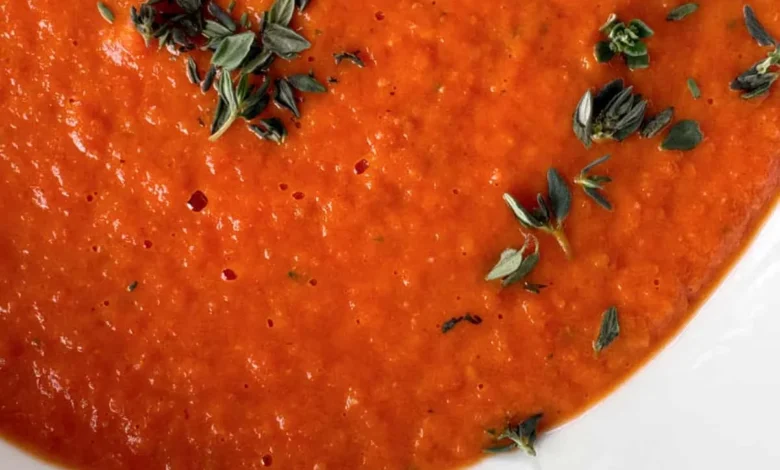
The seasonal abundance of cherry tomatoes, often a challenge for home gardeners and local farmers alike, has spurred a resurgence in interest regarding efficient and high-yield culinary applications. As mid-summer temperatures peak, the rapid maturation of Solanum lycopersicum varieties frequently outpaces household consumption, leading to a surplus that requires immediate processing to prevent spoilage. Among the most effective methods for preserving and enhancing these small, flavorful fruits is the process of roasting, which has become a focal point for chefs and home cooks seeking to elevate the quality of simple vegetable-based soups without the reliance on traditional additives like heavy cream or butter.
The Science of Roasting and Flavor Development
The transformation of raw produce into a complex soup base relies on fundamental chemical reactions that occur during the roasting process. When cherry tomatoes are subjected to high heat in an oven, a combination of Maillard reactions and caramelization begins to occur. These processes are not merely aesthetic; they fundamentally alter the molecular profile of the vegetables. The evaporation of water content serves to concentrate the natural sugars—primarily glucose and fructose—inherent in the fruit.
Concurrently, the inclusion of aromatics such as bulb onions and garlic in the roasting pan provides a necessary counterpoint. As the onions break down, their sulfur compounds mellow, yielding a sweetness that complements the acidity of the tomatoes. Garlic, when roasted in its skin or tossed with oil, undergoes a similar transition, losing its pungent, raw bite in favor of a savory, nutty depth. By omitting heavy dairy components, the resulting soup relies on the natural pectin and fiber of the roasted vegetables to provide a luxurious, silky mouthfeel. This technique represents a broader trend in contemporary gastronomy: the movement toward "clean" flavor profiles that emphasize the integrity of the primary ingredient rather than masking it with high-fat emulsifiers.

Historical Context and the Evolution of Tomato Soup
Historically, tomato soup has occupied a central position in the Western culinary canon, often associated with industrial convenience through canned condensed products. However, the current shift toward farm-to-table practices has re-contextualized the dish. Throughout the 20th century, the commodification of tomatoes led to the widespread use of large-format varieties, often harvested early and ripened in transit. This industrial approach frequently resulted in a lack of flavor depth, necessitating the addition of salt, sugar, and preservatives.
In contrast, the utilization of cherry and grape tomatoes—varieties bred specifically for high sugar content and intense flavor—allows for a more nuanced final product. The shift toward smaller, vine-ripened tomatoes in domestic cooking reflects a broader consumer preference for seasonal produce that is harvested at the peak of its nutritional and flavor profile. This approach mirrors the practices of early 19th-century Mediterranean households, where garden surpluses were routinely preserved or processed into thick, concentrated sauces and soups to sustain families through the winter months.

Economic and Agricultural Implications of Surplus
The surplus of cherry tomatoes during the peak harvest months of July and August is a well-documented phenomenon in agricultural economics. For the home gardener, the yield from just a few plants can be substantial, often producing upwards of 10 to 20 pounds of fruit within a short window. Failing to process this harvest represents a significant loss of potential food security and nutritional value.
From an environmental standpoint, the home processing of seasonal surpluses reduces reliance on commercial supply chains. When individuals consume produce grown in their immediate vicinity, the carbon footprint associated with transportation, refrigeration, and packaging is effectively neutralized. Furthermore, the practice of roasting and blending these tomatoes facilitates easier storage; roasted tomato soup can be frozen for several months, effectively extending the utility of the summer harvest into the winter season. This practice of "seasonal extension" is a core pillar of sustainable food management, encouraging consumers to view their dietary habits through the lens of ecological responsibility.

Nutritional Profile and Dietary Considerations
Analysis of the nutritional composition of roasted cherry tomato soup reveals a density of essential vitamins and minerals. Cherry tomatoes are recognized as excellent sources of vitamin C, which supports immune function, and vitamin A, which is essential for vision and skin health. Perhaps most significantly, the process of cooking tomatoes significantly increases the bioavailability of lycopene, a powerful antioxidant associated with cardiovascular health and the reduction of oxidative stress.
Compared to traditional cream-based tomato soups, a roasted version prepared without heavy fats is significantly lower in saturated fats and overall caloric density. A standard serving of this soup typically provides approximately 243 kilocalories, with a high concentration of fiber and potassium. By utilizing olive oil as the primary lipid, the soup retains the heart-healthy benefits of monounsaturated fatty acids, making it a suitable option for a variety of dietary patterns, including vegan, vegetarian, and heart-conscious diets.

Standardized Preparation Protocols
Professional culinary standards for the preparation of this soup suggest a specific chronology to ensure optimal results. The process begins with the preparation of the raw ingredients: washing, sorting, and halving the cherry tomatoes. The addition of aromatics should be strategic; onions should be sliced to a uniform thickness to ensure consistent caramelization.
- Preparation (15 minutes): Cleaning and prepping the vegetables.
- Roasting (25–30 minutes): High-heat roasting (typically 400°F/200°C) allows for the necessary concentration of sugars.
- Blending: The use of a high-speed blender is critical for achieving a velvety texture. While some culinary traditions suggest straining the soup to remove skins and seeds, the contemporary preference for high-fiber content often renders this step unnecessary, provided the equipment is of sufficient quality.
The versatility of this base recipe allows for significant culinary experimentation. The inclusion of fresh herbs, particularly thyme or basil, provides a bright, aromatic top note that cuts through the richness of the roasted fruit. Other variations might include the addition of roasted red peppers for smokiness, or a small amount of balsamic vinegar to further enhance the acidity profile.

Culinary Integration and Broader Impact
The role of soup as a culinary anchor is frequently undervalued in modern, fast-paced dining. A well-executed roasted cherry tomato soup serves as a foundational dish that can be paired with a wide range of accompaniments, from artisanal sourdough breads to complex, protein-rich main courses. By serving as both a light starter and a substantial main, the dish demonstrates the versatility of the tomato as a culinary workhorse.
The broader implications of this recipe extend beyond the kitchen. It encourages a closer relationship between the consumer and the agricultural cycle. As urban gardening continues to rise in popularity, the ability to effectively utilize one’s own harvest becomes a skill that bridges the gap between passive consumption and active production. This shift in mindset, from viewing ingredients as static items on a grocery list to seeing them as seasonal resources to be managed and transformed, is essential for a more sustainable future.

In conclusion, the roasted cherry tomato soup is not merely a recipe but a demonstration of the efficacy of simple, high-quality ingredients processed with intent. By leveraging the natural chemical properties of the tomato through roasting, home cooks can produce a dish that rivals professional standards while maintaining the health benefits associated with whole-food cooking. As the seasonal cycle continues, the adoption of such practices remains a vital way to honor the labor of the garden and the inherent quality of the produce it provides.