Mastering the Venezuelan Quesillo: A Culinary Analysis of the Viral Dessert Hit

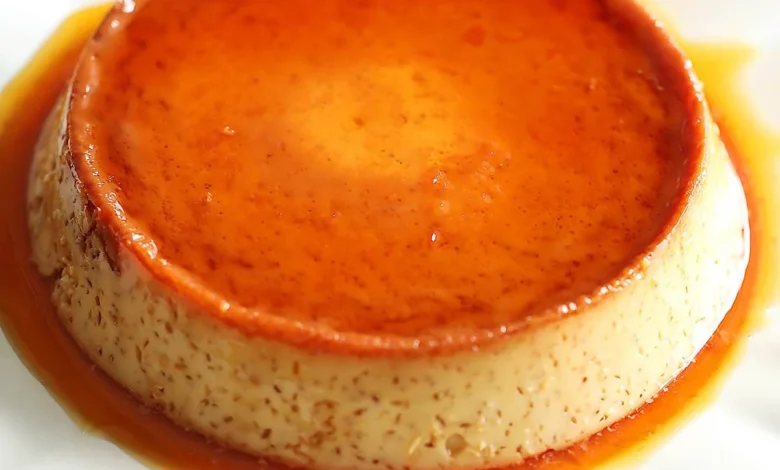
The global culinary landscape has experienced a notable shift toward regional comfort foods gaining mainstream popularity, a trend recently underscored by the viral rise of the Venezuelan quesillo in Southeast Asian markets. Long celebrated in South America as a staple of celebratory gatherings and family tables, this rich, caramel-topped egg custard has recently captured international attention. In Malaysia, the dessert sparked considerable public interest, drawing extensive queues at street-food stalls as consumers sought to experience the confection firsthand. While often compared to European flan or French crème caramel, the quesillo possesses distinct characteristics—namely, its firm texture, the incorporation of sweetened condensed milk, and its signature internal air pockets—that set it apart as a unique subject of culinary study.
Background and Context of the Quesillo
Originating in Venezuela, the quesillo shares conceptual roots with Spanish and French custards brought to Latin America during the colonial period. Over centuries, local adaptation transformed the recipe. Cooks substituted granulated sugar bases with rich, canned dairy products, specifically sweetened condensed milk and evaporated milk, which became widely available during the mid-20th century industrial expansion.
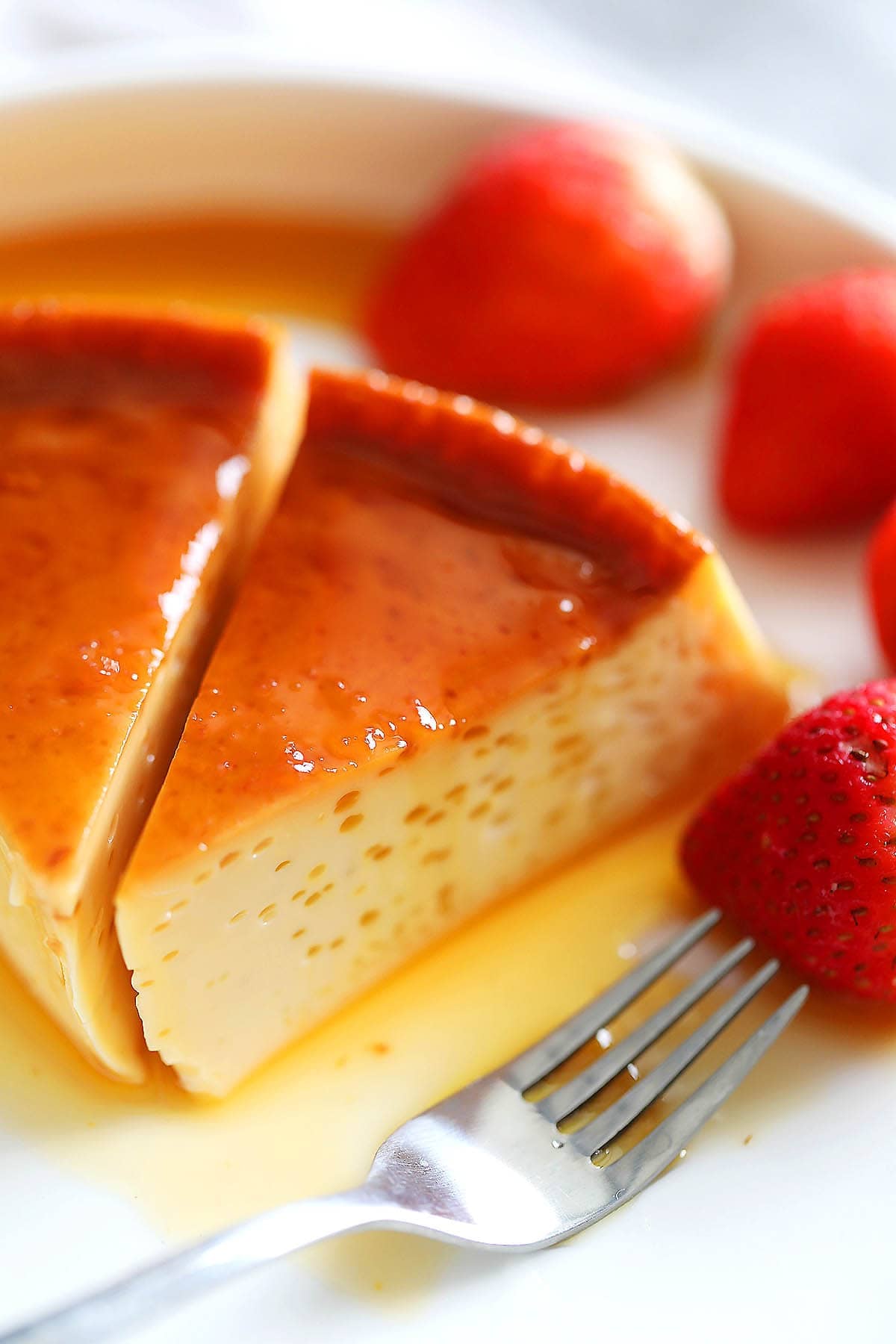
The name "quesillo" translates literally to "little cheese" in Spanish. This nomenclature derives from the physical appearance of the finished dessert rather than its ingredient list. As the whole eggs and dairy proteins coagulate during the cooking process, microscopic steam bubbles become trapped within the batter. Upon cooling and slicing, these tiny cavities resemble the characteristic interior holes of Swiss cheese.
While traditional preparation methods frequently utilize a specialized aluminum mold known as a quesillera—which features a central tube and a tight-fitting lid—modern adaptations demonstrate that standard kitchen equipment yields comparable results. Home cooks have increasingly adopted the use of dual six-inch round cake pans placed within a conventional stovetop steamer. This methodology provides precise thermal control, ensuring the custard sets evenly without developing the rubbery texture often associated with high-heat baking.
Nutritional Profile and Ingredient Chemistry
From a nutritional and biochemical perspective, the quesillo relies on a precise emulsion of fats, proteins, and sugars. Standard nutritional data calculated for a batch yielding sixteen servings indicates an average per-slice energy content of approximately 186 kilocalories. The breakdown includes roughly 26 grams of carbohydrates, primarily sourced from the caramel base and the lactose in the condensed milk; 7 grams of protein, supplied by the whole eggs; and 6 grams of fat, with 3 grams attributable to saturated fats. The cholesterol content sits at approximately 89 milligrams per serving, reflecting the use of whole eggs.
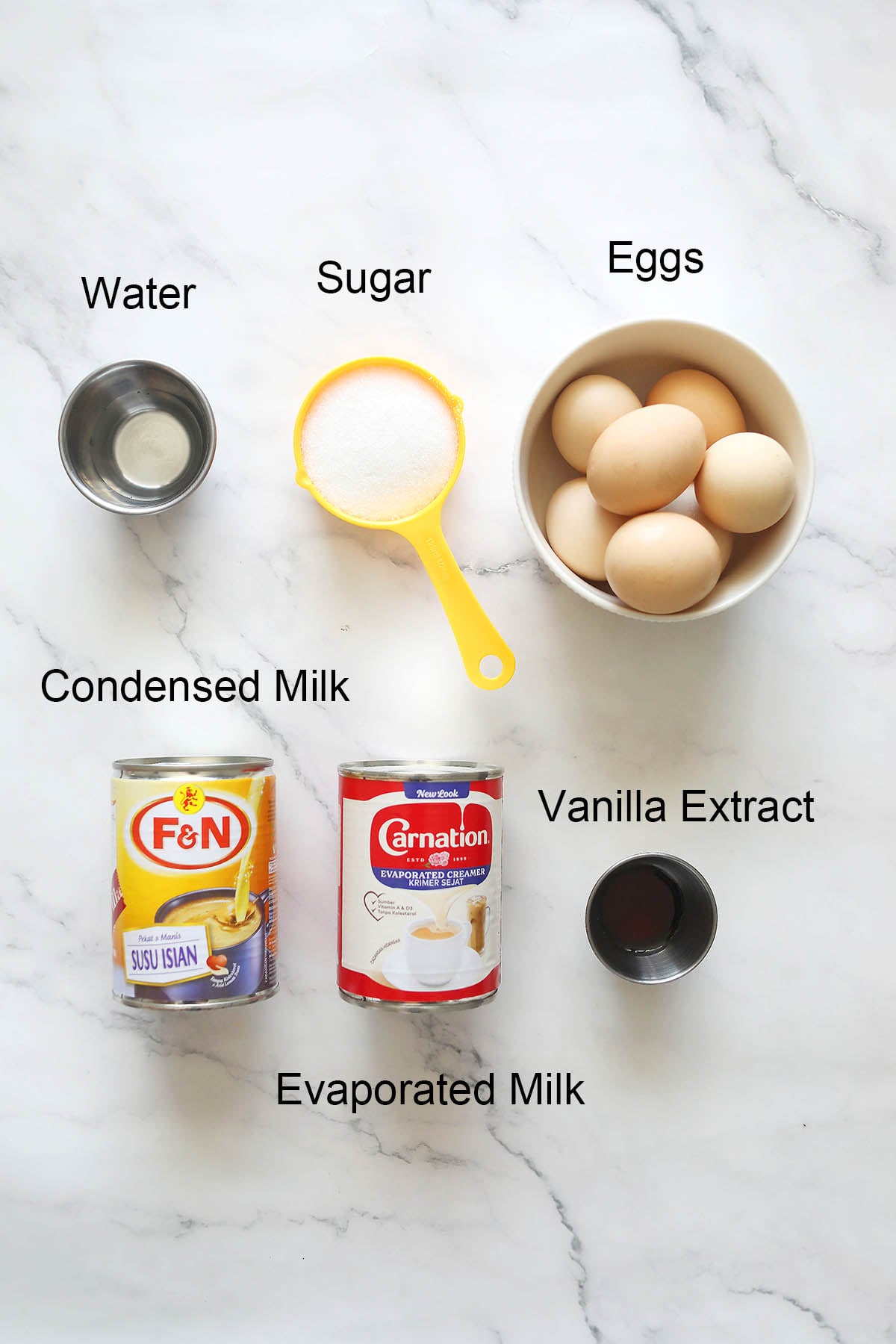
Culinary technicians emphasize that ingredient selection dictates the structural integrity of the dessert. Full-fat, sweetened condensed milk is chemically mandatory; low-fat or skimmed alternatives introduce excess water and lack the necessary milk solids to achieve a stable gel matrix. Similarly, genuine unsweetened evaporated milk provides the required dilution and protein balance to temper the intense sweetness of the condensed milk, preventing the batter from breaking during the steaming phase.
The inclusion of whole eggs, rather than yolks alone, serves a dual purpose. The yolks contribute fats and emulsifiers for a velvety mouthfeel, while the albumens (egg whites) provide the structural framework necessary for the custard to hold its shape upon inversion. Professional pastry chefs recommend utilizing room-temperature eggs to facilitate uniform incorporation without whipping excess air into the raw batter, which could disrupt the desired density.
Chronology of Preparation and Execution
Preparing a traditional quesillo requires adherence to a strict chronological sequence, spanning active culinary preparation and passive thermal processing.
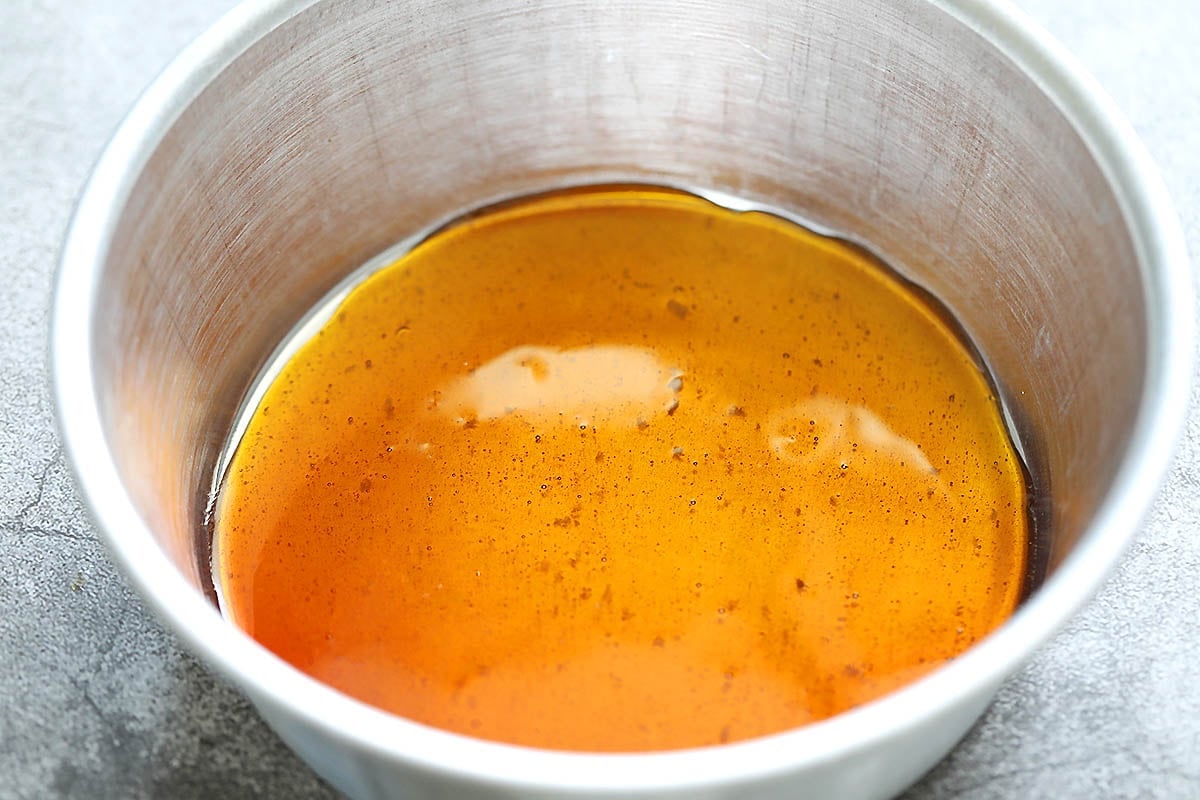
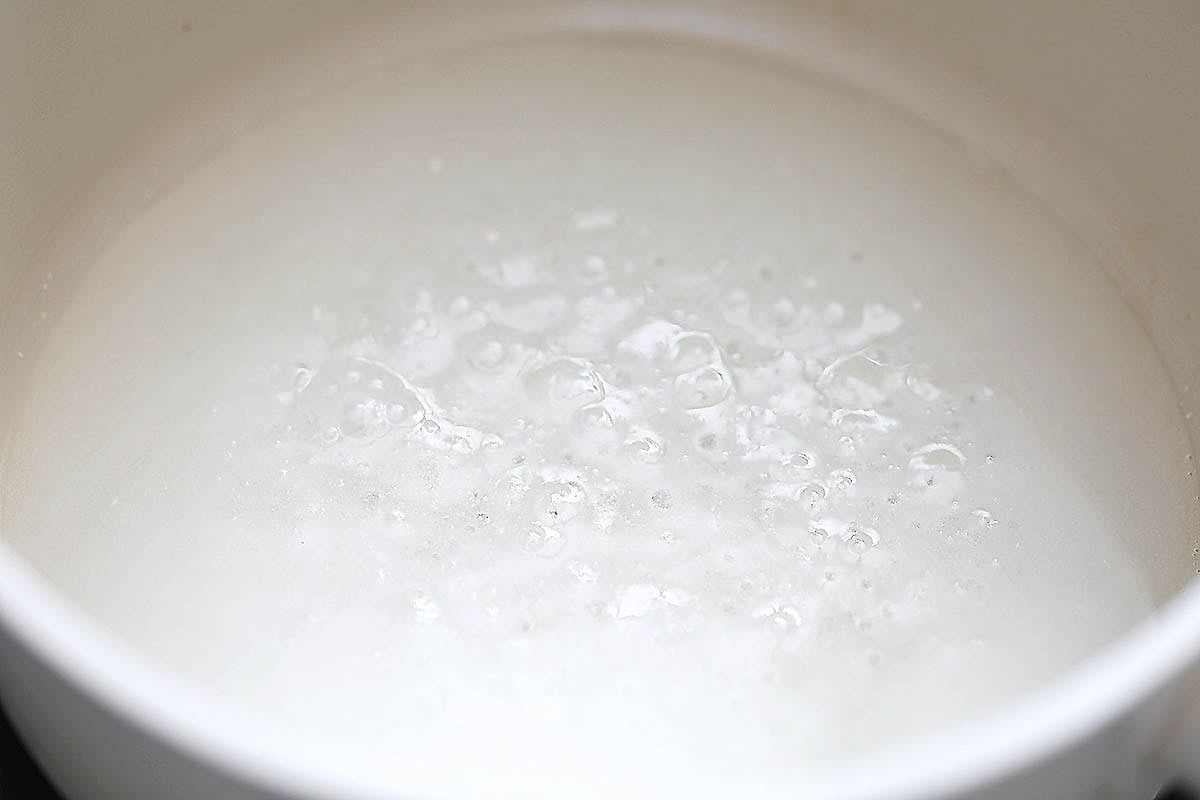
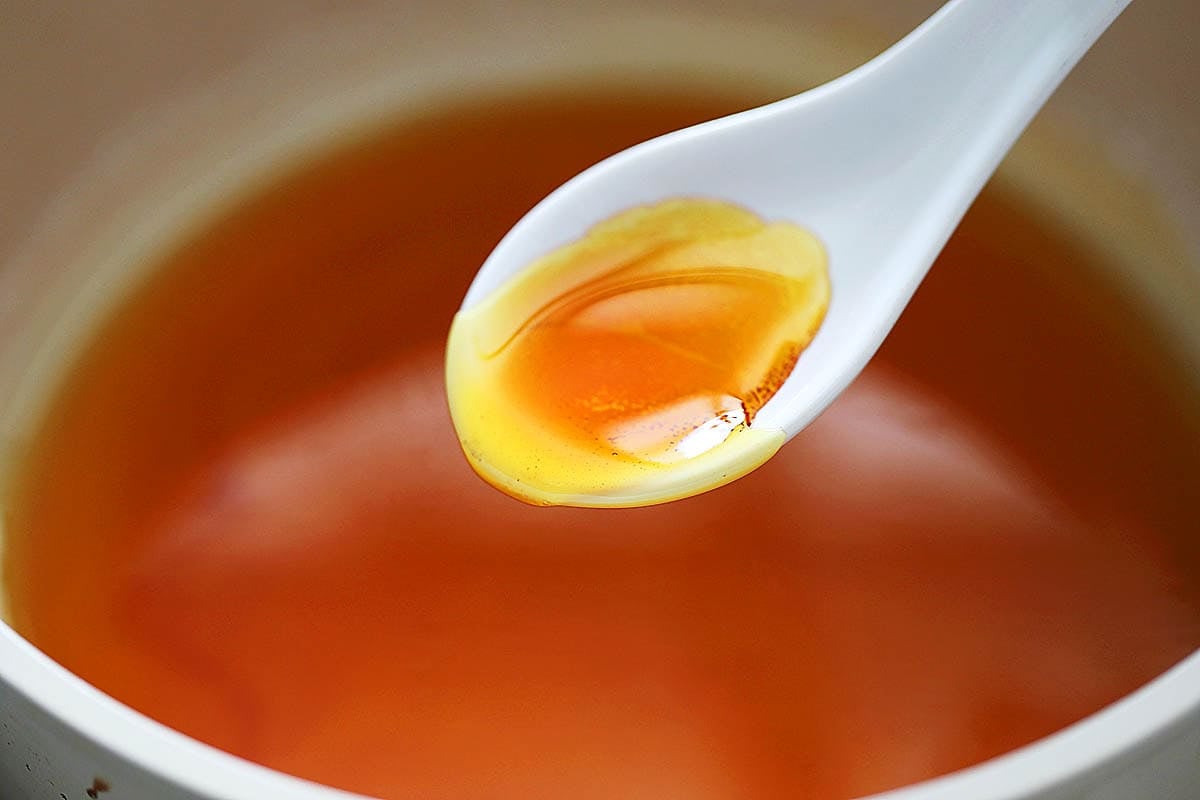
Phase One involves caramelization. Granulated sugar and water are combined in a saucepan over low heat. Culinary protocol dictates that the mixture must remain unstirred throughout the liquefaction process; mechanical agitation introduces crystallization centers, causing the sugar to clump. As moisture evaporates, the syrup transitions through various stages before reaching a golden-amber hue. This hot caramel is immediately transferred to the baking pans and swirled to coat the base before solidifying.
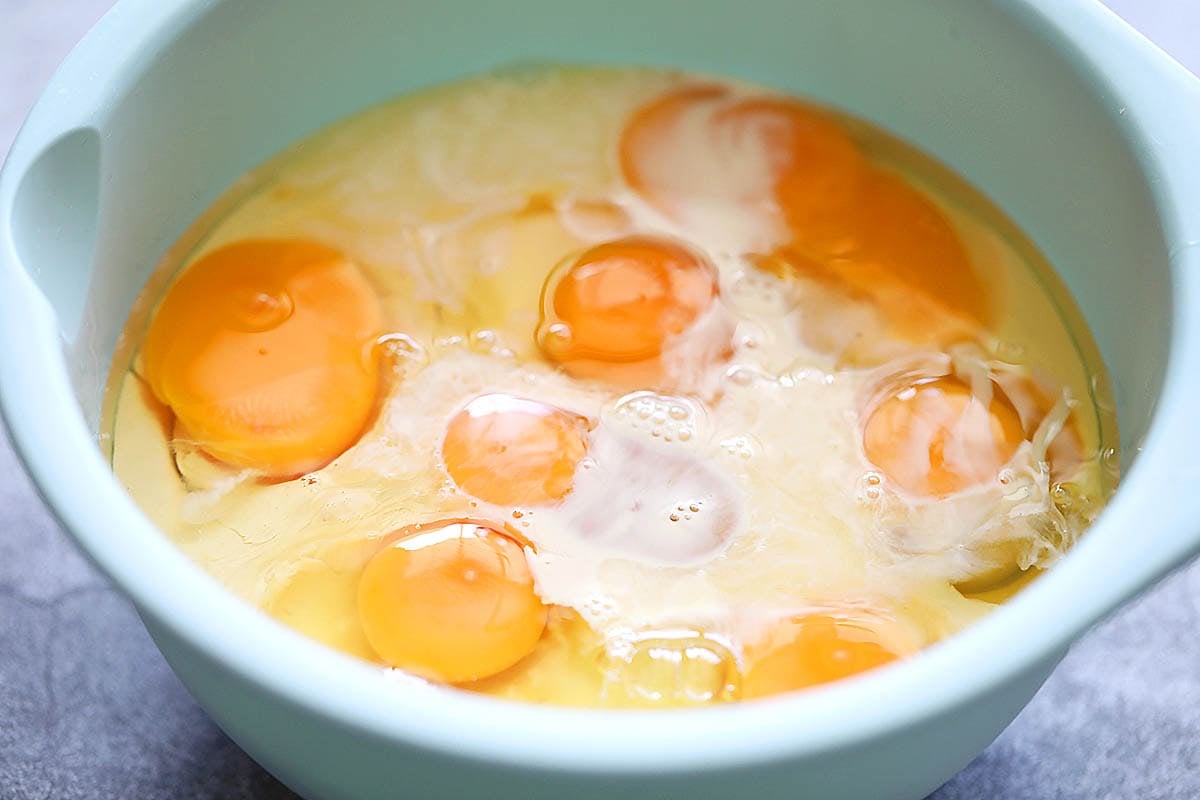
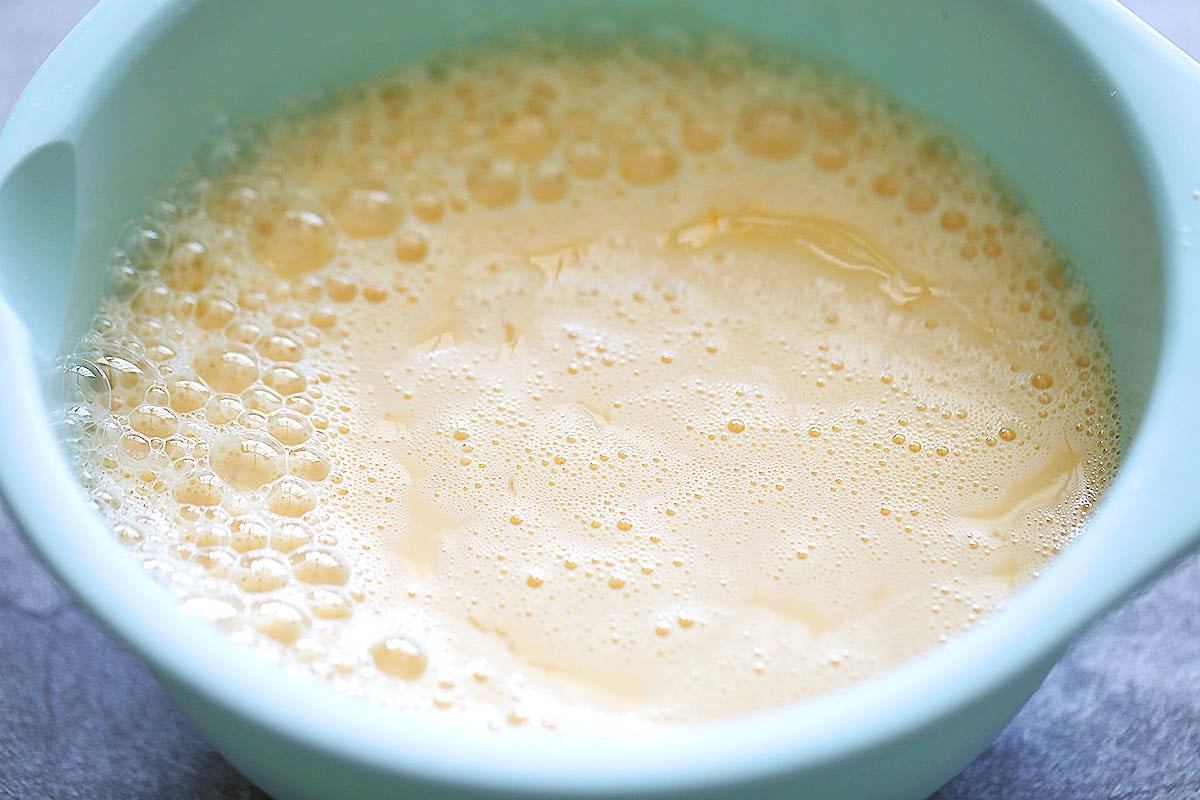
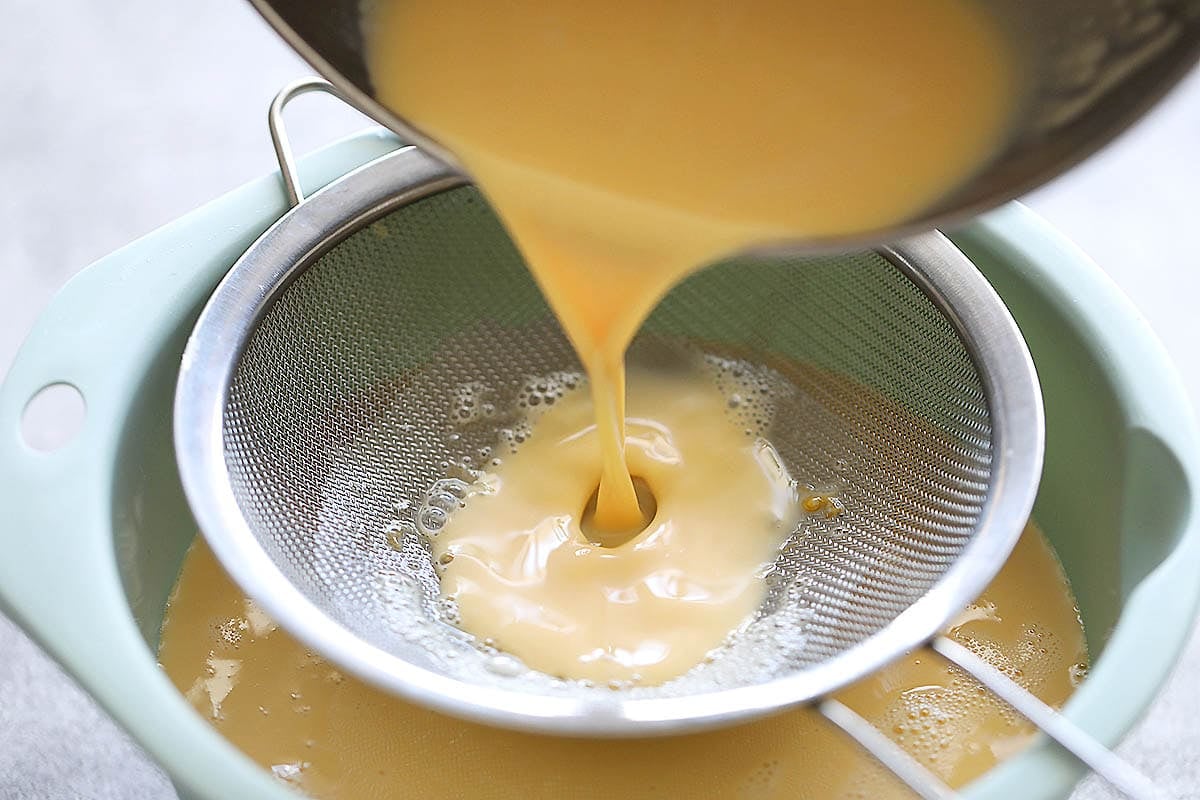
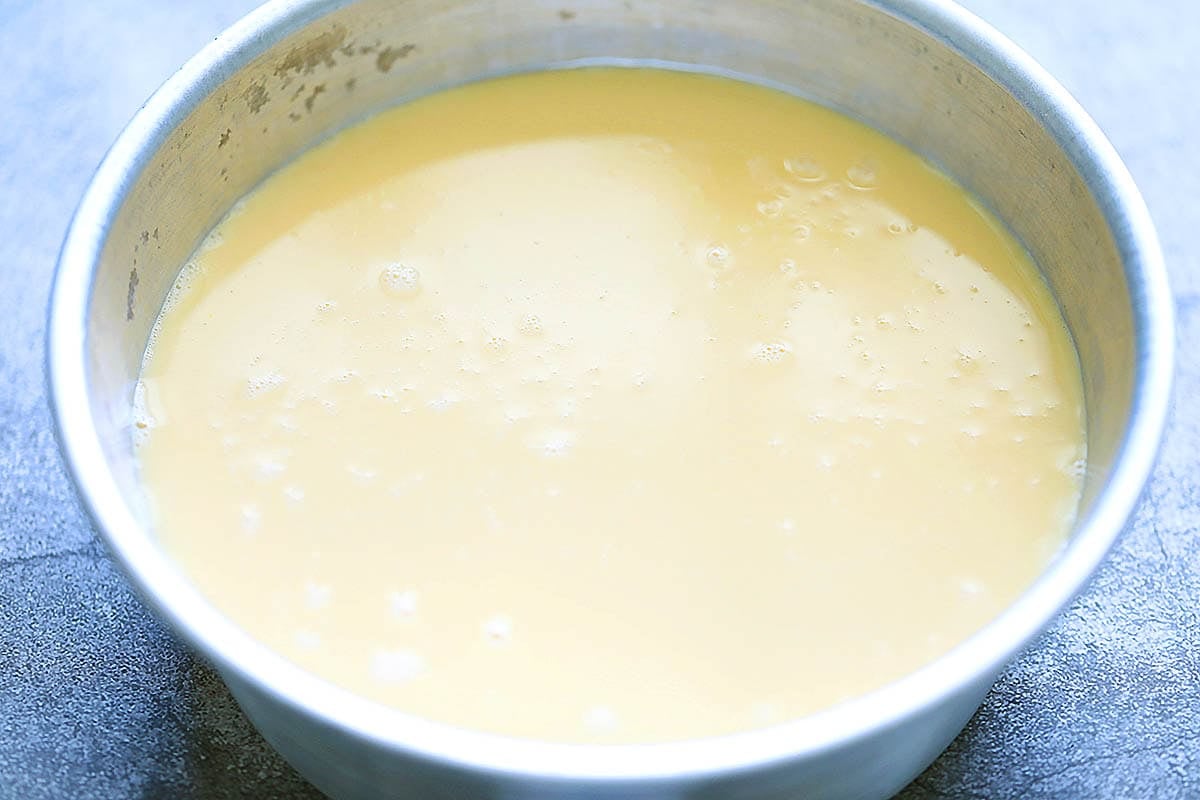
Phase Two encompasses the batter formulation. Whole eggs, sweetened condensed milk, evaporated milk, and pure vanilla extract are blended until homogeneous. A critical technical step involves double-straining the liquid mixture through a fine-mesh sieve. This mechanical filtration removes unblended chalazae and stringy albumen proteins, ensuring a flawless, silky texture in the final product.
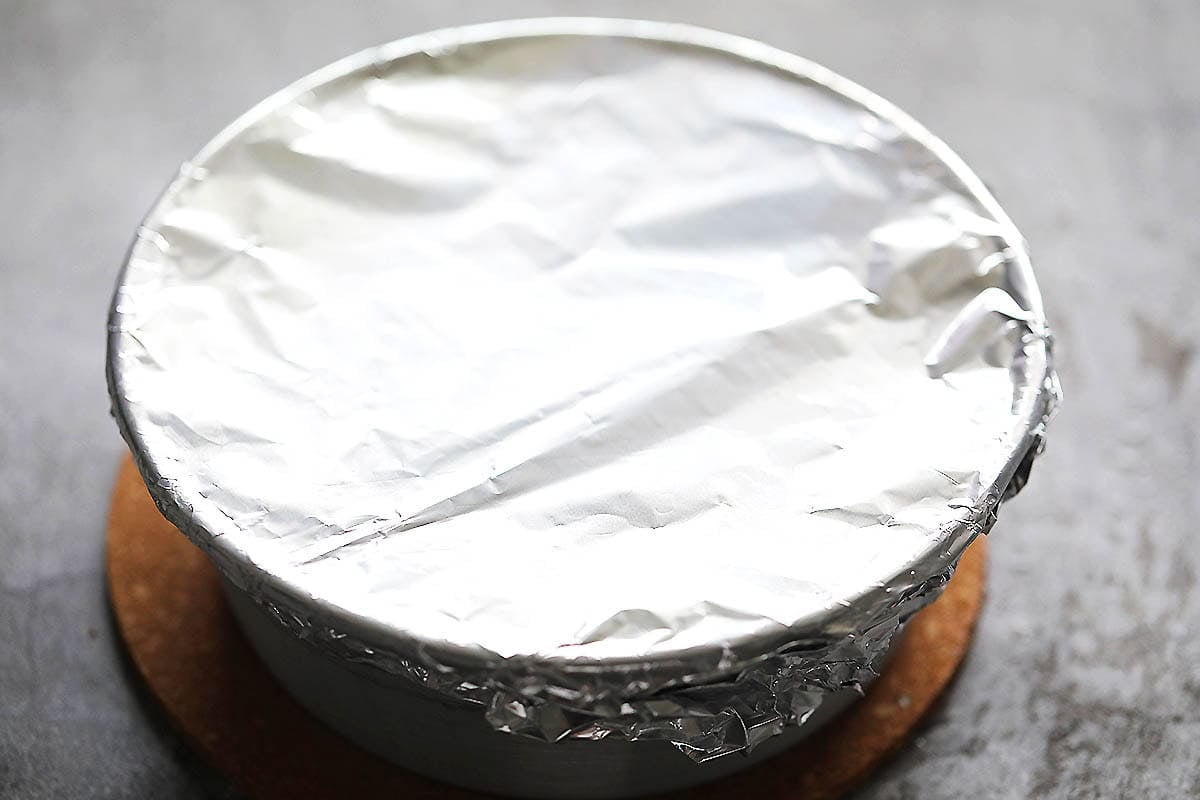
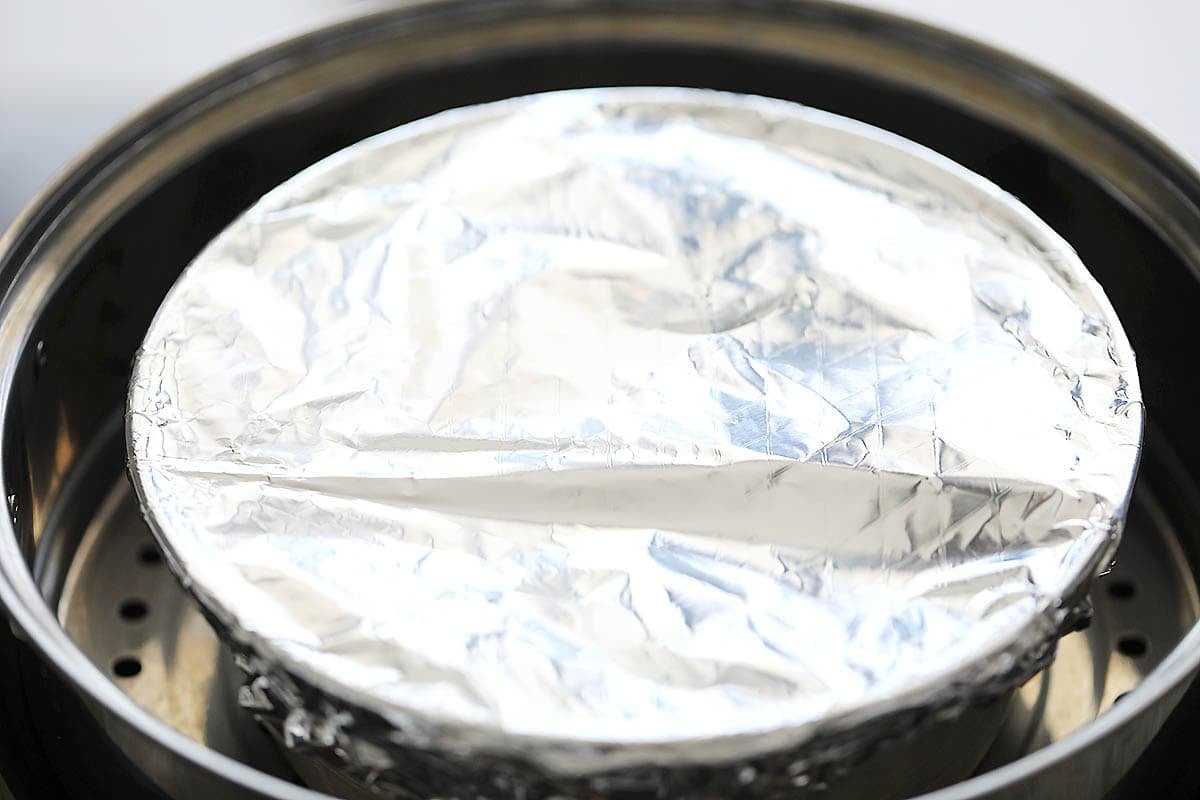
Phase Three centers on thermal setting. The strained custard is poured over the hardened caramel base, and the pans are hermetically sealed with aluminum foil. This barrier is essential; it prevents condensation from the steamer lid from dripping onto the custard surface, which would create localized dilution and structural failure. The pans are placed inside a steamer over low heat for approximately sixty minutes.
Phase Four requires patience through cooling and chilling. The dessert must undergo a mandatory rest period—initially at room temperature for up to three hours, followed by a minimum of six hours, ideally overnight, in refrigeration. This prolonged chilling allows the starch and protein matrices to fully tighten while permitting the solid caramel base to reabsorb moisture from the custard, transforming back into a rich, fluid syrup.
Technical Comparison: Quesillo, Flan, and Crème Caramel
While the culinary family encompassing quesillo, flan, and crème caramel appears unified by the presence of a liquid caramel topping and an egg-based custard interior, distinct technical divergences separate them.
Crème caramel, of French origin, typically relies on whole milk or heavy cream combined with whole eggs or extra yolks, sweetened with standard white sugar. It is traditionally baked in individual ramekins using a water bath (bain-marie) and aims for an ultra-smooth, dense, and uniform consistency devoid of internal aeration.
Spanish and Mexican flans often incorporate cream cheese or condensed milk alongside whole milk, yielding a dense, creamy texture. However, flan is predominantly baked in the oven within a water bath rather than steamed on a stovetop.
The Venezuelan quesillo distinguishes itself through its specific dairy combination—equal parts condensed and evaporated milk—and its reliance on whole eggs coupled with a low-heat steaming technique. This combination produces a firmer, more resilient bite and deliberately encourages the formation of the signature air pockets that absorb the surrounding caramel syrup.
Broader Culinary Implications and Market Trends
The recent surge in popularity of the quesillo outside of Latin America highlights the growing global appetite for authentic, heritage-based desserts that offer an interactive dining experience. Food industry analysts note that dishes involving a dramatic presentation—such as the inversion of a cake pan to release a cascade of amber caramel onto a serving plate—perform exceptionally well within digital media ecosystems.
Furthermore, the accessibility of the recipe has lowered barriers for home cooks intimidated by the precise temperature requirements of classic French pastry techniques. By utilizing standard kitchen implements like cake pans and steamers, home cooks can replicate professional-grade results without specialized imported equipment.
As cross-cultural culinary exchanges continue to accelerate via digital platforms, traditional regional desserts like the Venezuelan quesillo demonstrate that foundational baking principles—such as the chemistry of caramelization and egg coagulation—transcend geographical boundaries, offering universal appeal through simple, high-quality ingredients.