Mastering the 15-Minute Bell Pepper Shrimp Stir Fry: A Culinary Evolution of a Childhood Classic

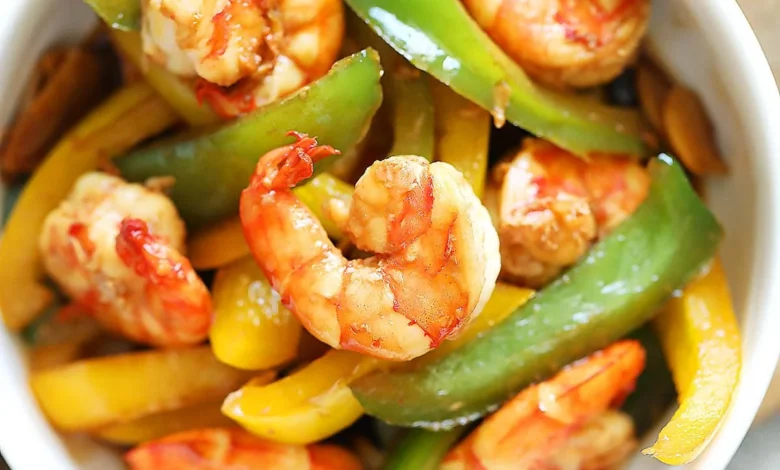
In the fast-paced landscape of contemporary home cooking, the demand for meals that marry nutritional density with rapid preparation has never been higher. Enter the 15-minute bell pepper shrimp stir fry, a dish that bridges the gap between traditional heritage cooking and modern weeknight convenience. Recently popularized by culinary blogs and home-cooking advocates, this dish offers a masterclass in how traditional family recipes can be adapted to fit the constraints of modern lifestyles without sacrificing depth of flavor. Originally rooted in Asian home kitchens where resourcefulness dictated ingredient choices, this vibrant stir-fry has transitioned into a globally recognized staple for households seeking a quick, balanced, and flavorful dinner.
Background Context and Culinary Evolution
The genesis of the bell pepper shrimp stir-fry lies in the resourcefulness of immigrant and working-class kitchens of past decades. Historically, home cooks relied on readily available, inexpensive ingredients to feed families efficiently. In traditional preparations, dishes of this nature often utilized small, budget-friendly baby shrimp paired with seasonal vegetables. Flavor profiles were traditionally built upon complex, fermented bases such as taucheo (fermented yellow soybean paste) and sharpened with fresh tamarind juice rather than commercially produced vinegars.
As culinary practices migrated into Western domestic spaces, accessibility became a primary driver of recipe adaptation. Traditional fermented pastes and specialized citrus juices were frequently replaced with universally available pantry staples. Modern iterations utilize Indonesian sweet soy sauce (kecap manis) to replicate the complex interplay of sweetness and savory depth previously achieved through longer fermentation processes and added sugars. This evolution highlights a broader trend in global cuisine: the democratization of ethnic flavors, allowing home cooks in any geographical location to recreate authentic flavor profiles using standard supermarket ingredients.
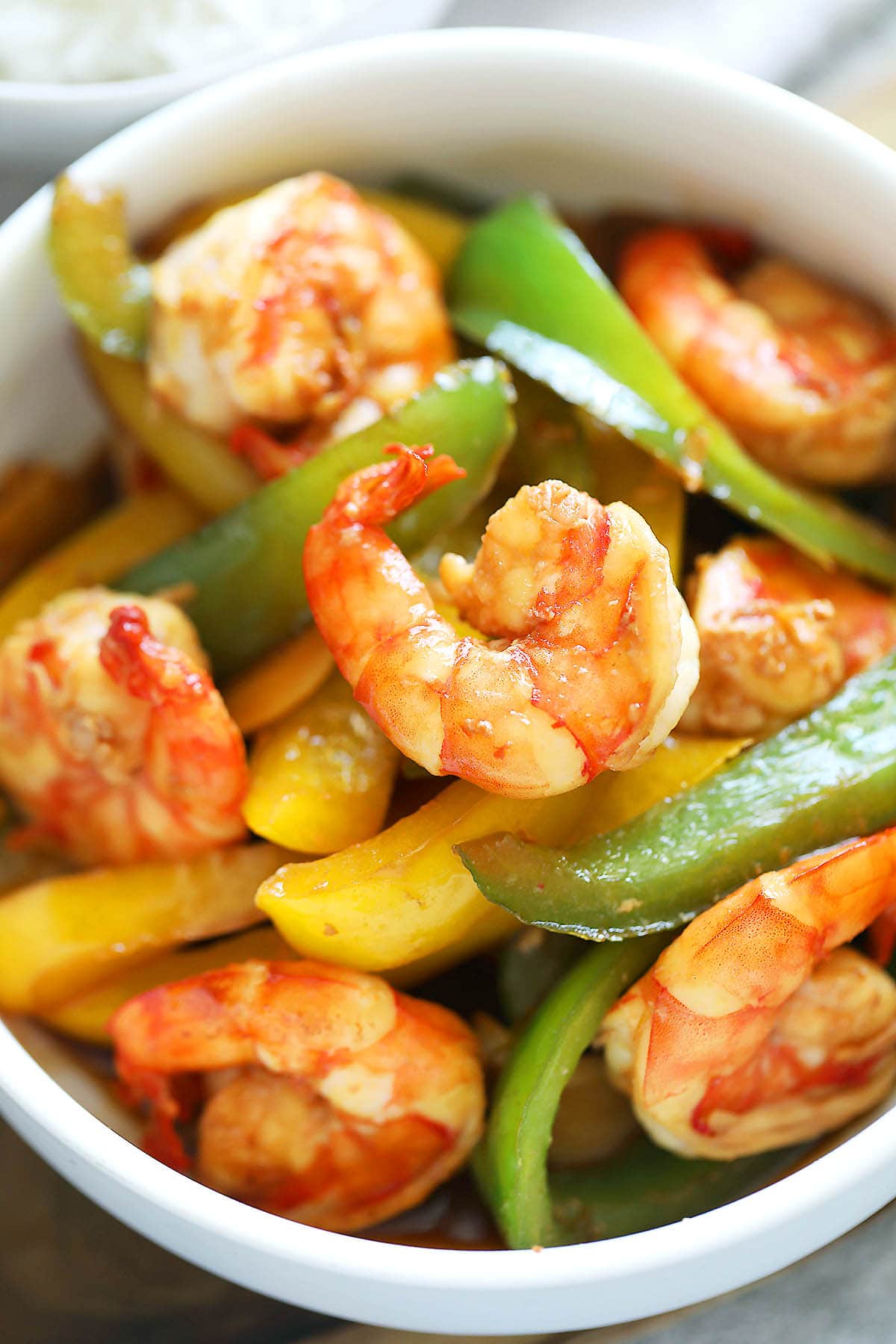
Nutritional Profile and Ingredient Selection
From a nutritional and culinary standpoint, the success of a high-heat stir-fry hinges on the precise selection of its component parts. Culinary experts emphasize that the choice of bell pepper significantly impacts both the nutritional value and the sensory experience of the dish.
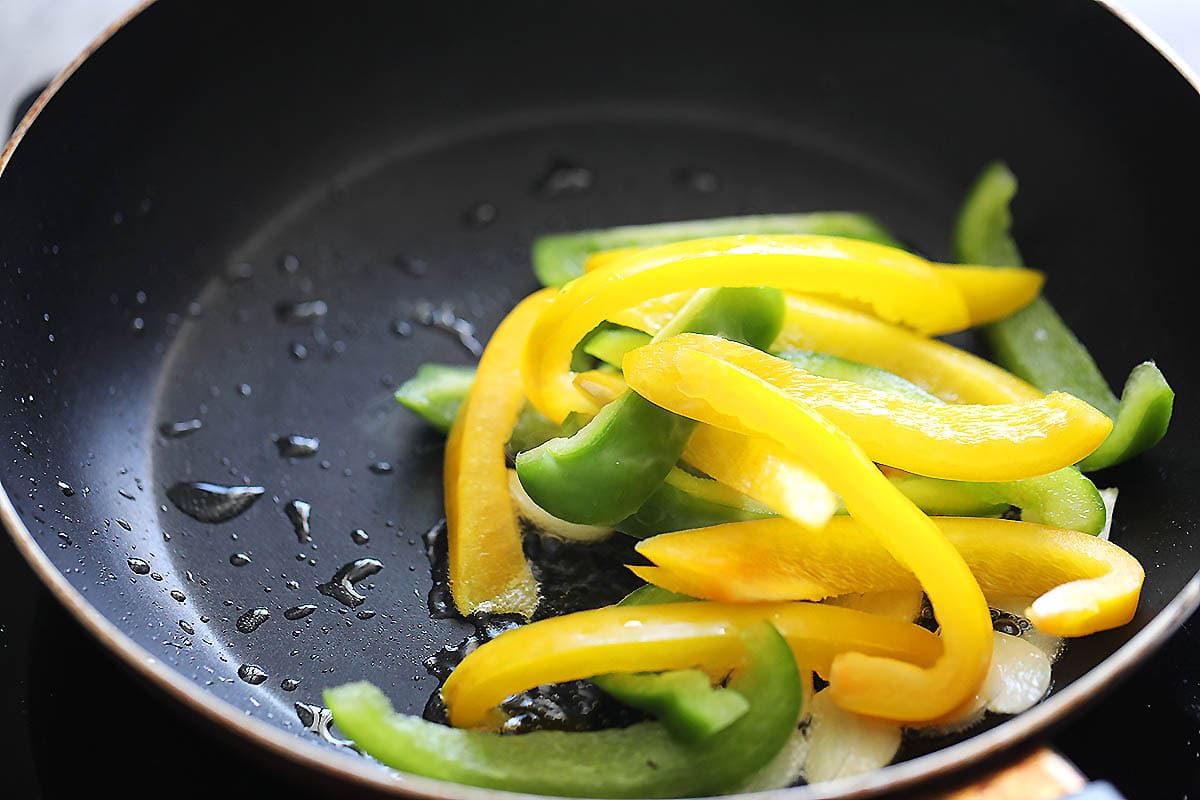
Data regarding capsicum varieties indicates a clear nutritional hierarchy based on the ripening process. Green bell peppers, harvested prematurely, possess the lowest concentration of vitamins and minerals and exhibit a slightly more bitter flavor profile. In contrast, yellow peppers contain peak levels of Vitamin C, while fully ripened red bell peppers are recognized as the most nutrient-dense and naturally sweet option. Because retail pricing for these varieties is frequently uniform, culinary nutritionists advocate for the selection of red or yellow capsicum to maximize both antioxidant intake and flavor harmonization.
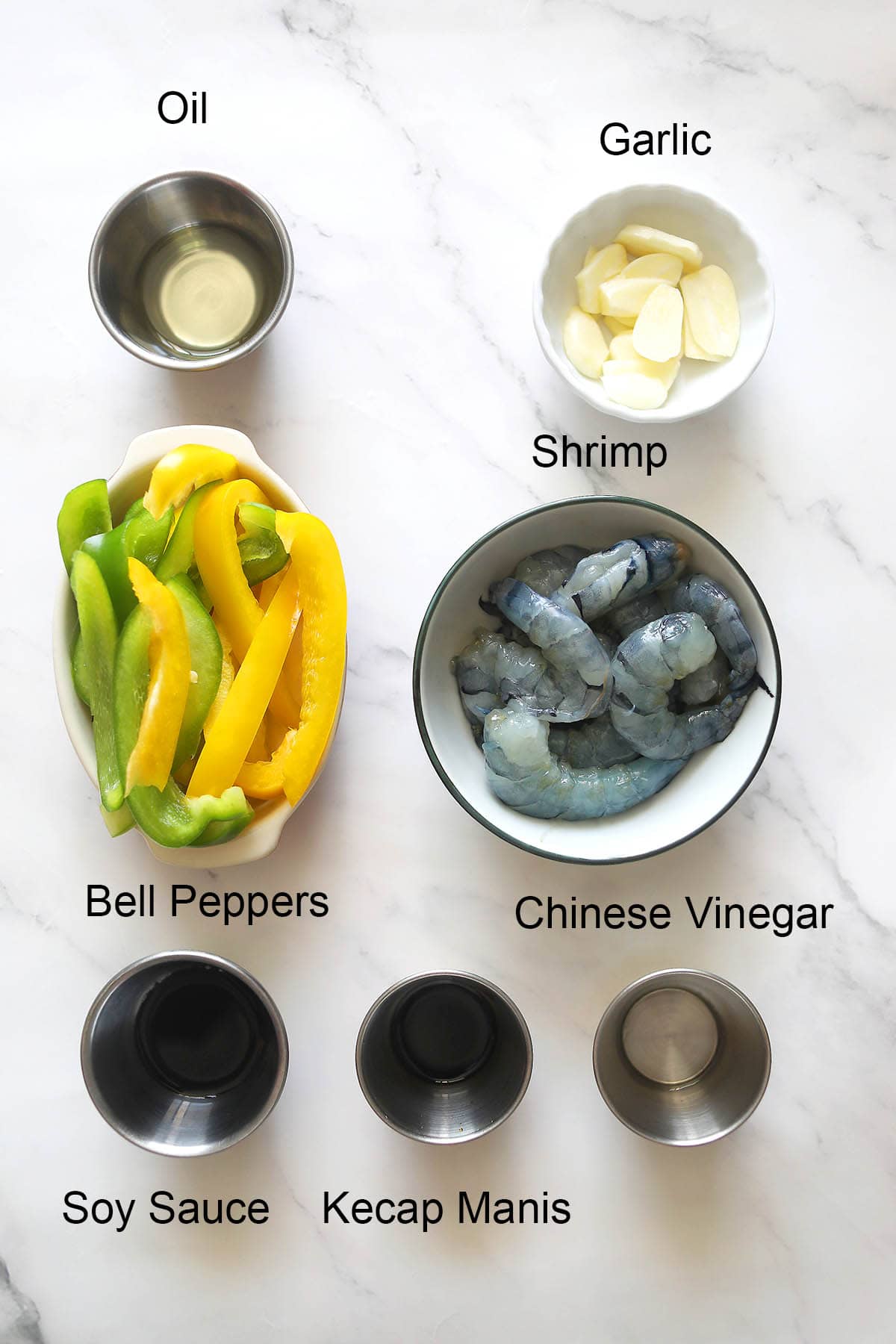
The protein component—traditionally baby shrimp for its springy texture and rapid cooking time, though often substituted with tiger prawns or standard white-leg shrimp—requires precise handling. Seafood safety and culinary standards dictate that shrimp must be cooked rapidly over high heat to prevent moisture loss. Overcooking results in a rubbery texture, a common pitfall in home preparation.
Furthermore, the choice of cooking medium is critical. Professional chefs recommend high-smoke-point neutral oils, such as canola, vegetable, or peanut oil. These fats allow for the necessary high-temperature searing required in wok-style cooking without breaking down or overpowering the delicate umami notes of the soy-based sauce. Unrefined oils, such as extra virgin olive oil or unrefined sesame oil, are generally discouraged due to their low smoke points, which can introduce acrid flavors when subjected to intense heat.
Step-by-Step Culinary Methodology
Achieving optimal results in a rapid stir-fry requires adherence to a strict chronological sequence. Because high-heat cooking moves swiftly, mise en place—the preparation and arrangement of all ingredients prior to heating the pan—is essential.
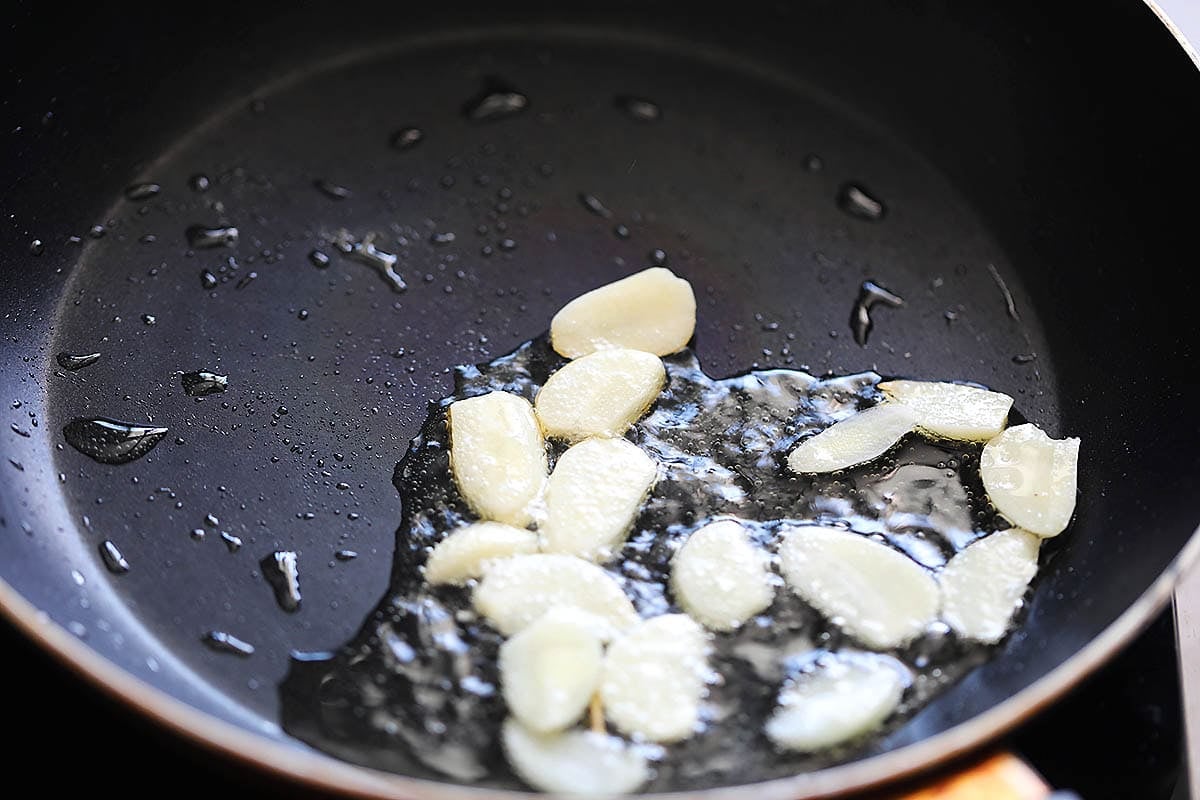
- Aromatic Searing: The cooking process begins by heating a skillet or wok until the neutral oil is shimmering. Thinly sliced garlic is introduced to the pan and tossed rapidly. Culinary technicians note that slicing garlic rather than mincing it prevents rapid burning, allowing the slices to render golden and aromatic without turning bitter.
- Vegetable Blanched-Searing: Sliced bell peppers are added next. A brief one-to-two-minute exposure to high heat softens the raw edges of the peppers while preserving their structural integrity and characteristic crunch.
- Protein Integration: Shrimp is incorporated directly into the center of the pan alongside the vegetables. The high thermal energy causes the shellfish to flash-cook rapidly, transitioning from translucent to a light pink hue in a matter of minutes.
- Sauce Emulsification: A precise blend of standard soy sauce, sweet kecap manis, and Chinese vinegar is splashed into the pan. The liquids deglaze the surface, coating every component in a glossy, balanced reduction.
- Timing and Termination: The cardinal rule of cooking shrimp is monitoring its physical conformation. Chefs advise removing the pan from the heat source the precise moment the shrimp curl into a loose "C" shape, ensuring maximum tenderness.
Economic and Practical Implications
In an era marked by rising grocery costs and time-constrained schedules, dishes requiring minimal preparation and cleanup offer significant practical value. Nutritional data indicates that a standard serving of this bell pepper and shrimp preparation contains approximately 265 calories, 22 grams of protein, and 12 grams of carbohydrates, making it an efficient option for health-conscious consumers.
Moreover, the adaptability of the recipe accommodates various dietary restrictions. Adaptations such as substituting standard soy sauce with tamari and ensuring the use of certified gluten-free sweet soy sauce allow individuals with celiac disease or gluten sensitivities to safely enjoy the dish. Food safety guidelines recommend consuming leftovers within two days and employing gentle stovetop reheating methods rather than microwave procedures to maintain the delicate texture of the seafood.
Broader Impact on Home Cooking Trends
The enduring popularity of quick-assembly skillet meals reflects a shift in consumer behavior toward efficient, scratch-cooked dining. By demystifying traditional techniques and simplifying ingredient lists, contemporary food writers and culinary platforms empower consumers to explore global flavor profiles on weeknights. The transition of the bell pepper shrimp stir-fry from a nostalgic family recipe to a widely shared digital phenomenon underscores the universal appeal of food that honors cultural heritage while adapting to the realities of modern domestic life.