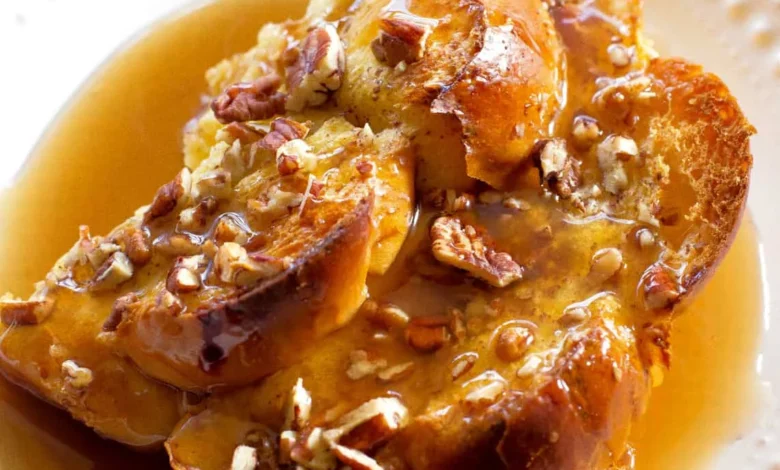
Culinary Origins and Technical Evolution
The concept of soaking stale bread in a custard mixture—eggs, milk, sugar, and spices—predates modern refrigeration, serving historically as a method to mitigate food waste. Known traditionally as pain perdu or "lost bread," the dish was designed to revive day-old loaves that had hardened beyond the point of standard consumption.
In the contemporary American kitchen, the transformation of this humble leftover dish into an elegant casserole is a study in chemistry. By allowing the bread to absorb the custard over an extended period, typically between four and twelve hours, the starch molecules undergo a process of hydration that ensures an even texture throughout the entire dish. This prevents the "soggy bottom" phenomenon often associated with rushed breakfast bakes, where the surface cooks faster than the interior layers.
The Mechanics of the Overnight Soak
The primary advantage of the overnight method is the structural stability it provides. When bread, particularly enriched doughs like challah or brioche, is submerged in a liquid custard, the proteins in the egg and the fats in the milk interact with the carbohydrates in the bread. Over several hours of refrigeration, the bread maintains its structural integrity while becoming uniformly saturated.
Data from food safety organizations and culinary institutes suggest that a four-hour minimum is ideal for achieving the desired density. However, because the mixture is kept at a temperature below 40°F (4°C), the risk of spoilage is negated, and the extended soak time allows for a more complex flavor profile. The sugars in the mixture, often caramelized on the bottom of the vessel before the bread is added, provide a base-level sweetness that eliminates the need for excessive syrup during service.
Bread Selection and Ingredient Standardization
A critical factor in the success of a breakfast casserole is the selection of the substrate. Culinary professionals often advocate for high-fat, high-yeast breads for this specific application:
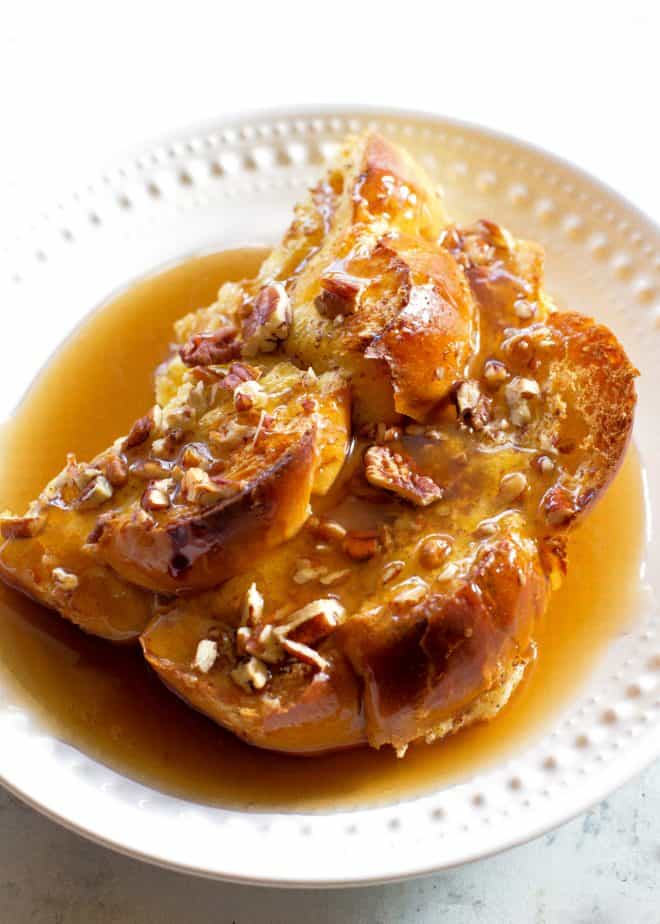
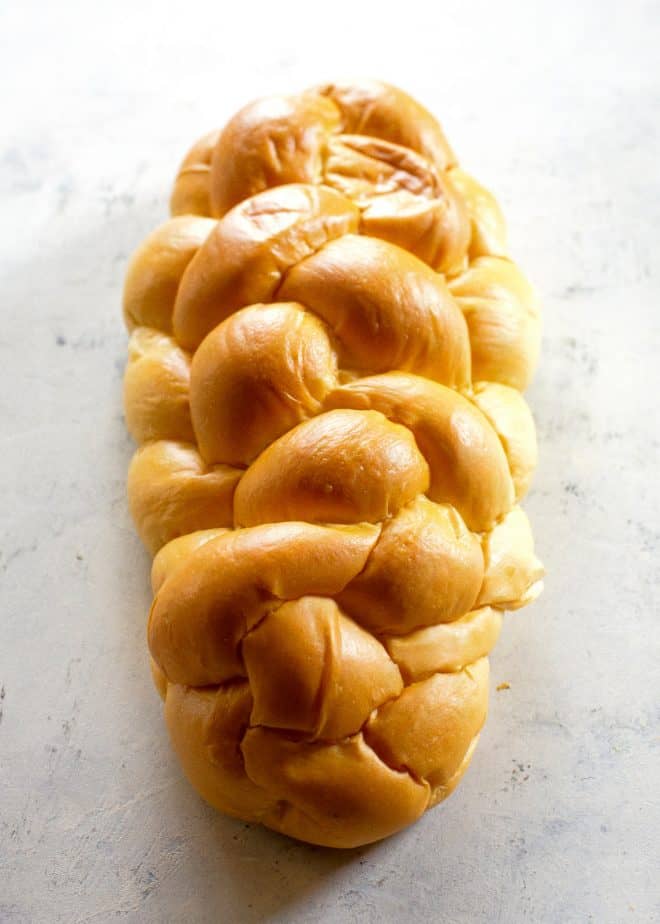
- Challah: A traditional braided bread with a high egg content, providing a rich, golden crumb that resists disintegration.
- Brioche: Similar to challah but with a higher butter content, offering a soft, pillowy texture that absorbs liquid effectively.
- Sourdough: Often chosen by those preferring a slight tang to contrast with the sweetness of the custard.
- Texas Toast: A common, accessible alternative that is thick-sliced to withstand heavy saturation.
The choice of bread dictates the final texture of the dish. While standard white bread is often too porous and prone to collapsing under the weight of the custard, artisanal, dense breads provide the necessary scaffolding for a firm, bread-pudding-like consistency.
Chronology of Preparation
To ensure optimal results for a morning service, a standardized timeline is generally recommended:
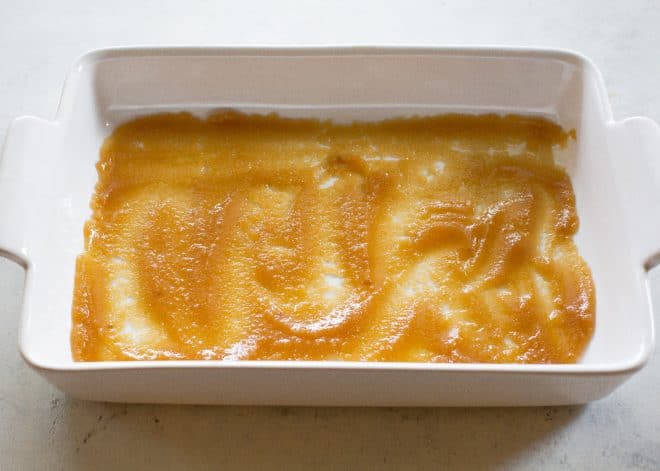
- Preparation (Evening Before): The base layer of brown sugar and melted butter is applied to the baking dish. This acts as a foundation that will form a glaze during the baking process.
- Assembly: The bread is cubed or sliced and arranged to maximize contact with the custard. The egg-and-milk mixture is poured over the bread, ensuring total coverage.
- Maturation (The Soak): The dish is covered and refrigerated. During this 4–12 hour window, the custard permeates the bread, and the spices—typically cinnamon and nutmeg—infuse the entire composition.
- Baking (Service Morning): The casserole is transferred directly from the refrigerator to the oven. Preheating the oven is essential, as the thermal shock helps the eggs set quickly, preventing the bread from becoming mushy.
- Finishing: A brief rest period of 5–10 minutes post-oven allows the internal steam to dissipate, ensuring a clean cut upon serving.
Socio-Economic Impact of Brunch Culture
The rise of the overnight breakfast casserole mirrors broader shifts in household labor and the "brunching" phenomenon. As brunch has transitioned from a restaurant-exclusive luxury to a common weekend domestic activity, there has been an increased demand for recipes that allow the host to participate in the gathering rather than remain tethered to the stove.
Economic analysis of household food trends indicates that "make-ahead" recipes are increasingly favored by dual-income households and busy families. The ability to prepare a meal in advance reduces the cognitive load of morning routines, a factor that has contributed to the surge in interest for overnight recipes across digital culinary platforms.
Expert Perspectives on Sweetness Profiles
Professional chefs often debate the appropriate sugar content for breakfast bakes. A common critique of mass-market or older recipes is an over-reliance on added sweeteners, which can render the dish cloying. Modern culinary trends emphasize "balanced sweetness," where the natural sugars in the bread and the subtle caramelization of the brown sugar base are intended to be complemented—not overwhelmed—by toppings.
Recommended toppings include:
- Powdered Sugar: For visual appeal and a light dusting of sweetness.
- Buttermilk Syrup: A common regional accompaniment that adds a tangy depth, offsetting the richness of the butter and eggs.
- Fresh Fruit: Berries or sliced stone fruits serve to cut through the density of the casserole, providing a necessary acidic contrast.
Broader Implications and Future Outlook
As culinary technology evolves, so too do the techniques for home-cooked breakfasts. The "overnight" approach represents a perfect intersection of traditional techniques and modern efficiency. Future trends in this space are likely to focus on allergen-friendly modifications, such as gluten-free bread variants and dairy-free custard alternatives, without sacrificing the structural integrity that makes the dish a success.
Furthermore, the environmental impact of such dishes is positive; by utilizing bread that might otherwise be discarded, home cooks are actively participating in food waste reduction. This, combined with the versatility of the recipe, secures the Overnight French Toast Casserole’s place as a cornerstone of modern domestic cookery.
In conclusion, the success of this dish relies not on complex technique, but on the principles of preparation and timing. Whether served at a formal holiday gathering or a standard weekend morning, the casserole serves as a testament to the enduring appeal of comfort food that respects the schedule of the modern consumer. By prioritizing high-quality ingredients and adhering to a proven, time-tested preparation process, the dish remains a reliable and highly effective option for breakfast hosts worldwide. The transition from a "leftover" fix to a deliberate, planned culinary event signifies the evolution of breakfast from a functional necessity to an experience-driven occasion.