Historical Context and Culinary Evolution
The origin of the cobbler can be traced back to the early American colonies. British settlers, lacking the necessary ingredients and equipment to replicate traditional steamed suet puddings or pies from their home country, improvised by covering a stewed fruit base with a thick, dropped biscuit or cake-like dough. The term "cobbler" likely emerged in the mid-19th century, potentially referring to the way the biscuit topping was "cobbled" together over the fruit filling.

Peaches, while not indigenous to North America, flourished following their introduction by Spanish explorers and later cultivation by settlers in the South. By the early 20th century, the peach cobbler had cemented its status as a regional delicacy, particularly in Georgia and the Carolinas, where peach production became an economic cornerstone. Today, the dish is recognized not merely as a dessert but as a manifestation of agricultural seasonality, traditionally prepared during the peak harvest months of June through August.
Technical Composition: The Science of the Crust and Filling
From a culinary perspective, the distinction between a cobbler and other fruit-based desserts like crisps or crumbles lies in the topping. While a crisp utilizes a mixture of oats, butter, and sugar to create a textured, crunchy layer, the traditional cobbler utilizes a soft, leavened batter.
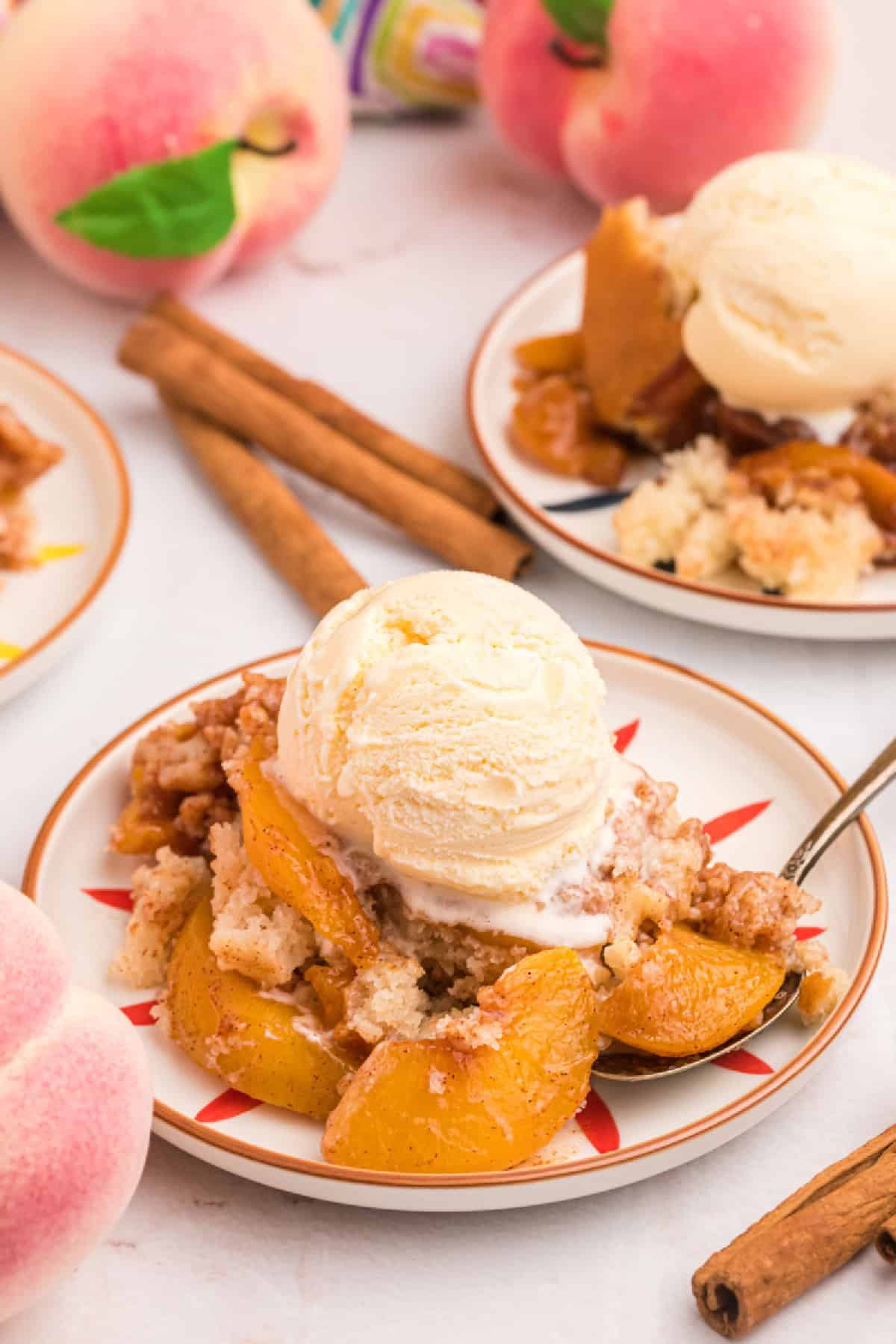
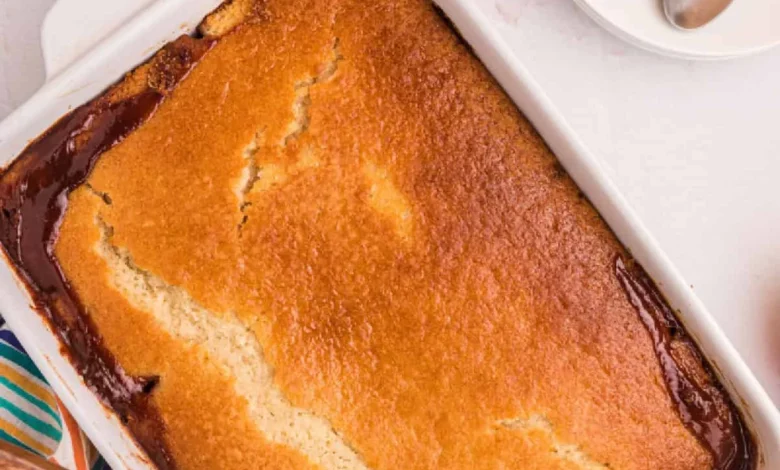
The chemistry of a successful cobbler involves a delicate balance between the pectin-rich fruit and the structure of the dough. As the peaches heat, they release moisture, which combines with sugar to create a viscous, jam-like syrup. Simultaneously, the baking powder or soda within the topping reacts to the heat, causing the dough to rise and expand. The most effective versions are those where the topping is sufficiently porous to allow some of the fruit juices to permeate the bottom of the crust, creating a textural transition from a crisp, golden exterior to a soft, dumpling-like interior.
Ingredients and Preparation Standards
The modern preparation of this dessert favors accessibility without sacrificing structural integrity. Standard ingredient profiles include:
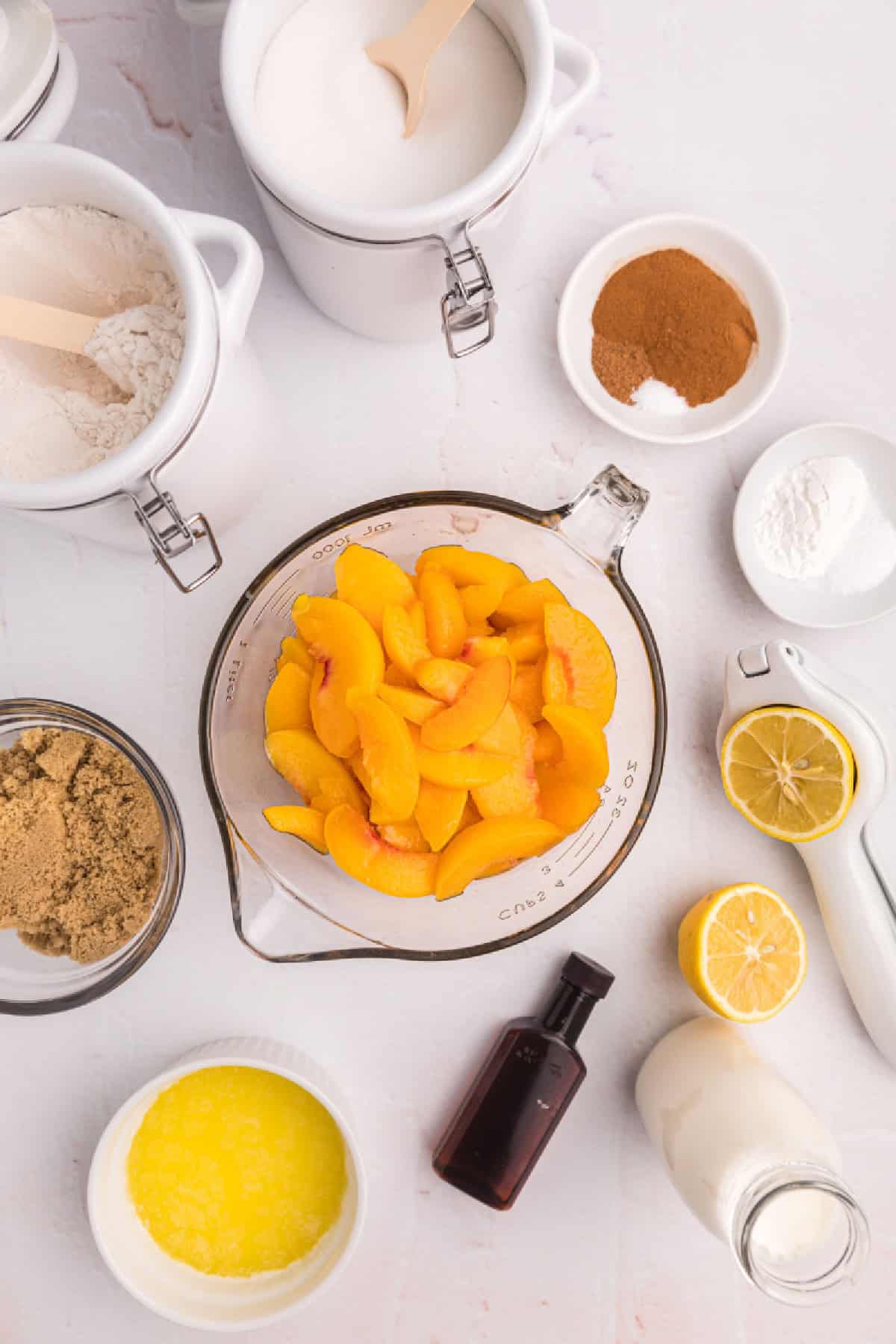
- The Fruit Base: Fresh, tree-ripened peaches are considered the gold standard, though modern supply chains have validated the use of Individually Quick Frozen (IQF) peaches. IQF technology allows for consistent acidity and sugar content, making the dessert viable outside of the harvest window.
- Aromatic Enhancers: Cinnamon and nutmeg are the industry-standard spices, used to complement the natural floral notes of the Prunus persica.
- The Leavening System: Flour, fat (usually butter), and a leavening agent form the foundation of the topping. The integration of high-quality butter is critical, as it contributes to the Maillard reaction, producing the characteristic golden-brown crust.
Nutritional Profile and Dietary Considerations
For a standard serving size—typically one-twelfth of a 9×13-inch pan—the nutritional composition is reflective of its status as an occasional indulgence. On average, a serving contains approximately 350 kilocalories, with carbohydrates contributing to the bulk of the energy density.
- Macronutrient Breakdown: Protein content remains low, typically around 4 grams per serving, while fat content averages 9 grams, largely derived from dairy fats.
- Micronutrients: Peaches provide a modest amount of Vitamin A and Vitamin C, though the process of baking generally reduces the bioavailability of heat-sensitive vitamins.
- Sugar Content: With an average of 45 grams of sugar per serving, the dish is categorized as a high-glycemic index food, a factor that health-conscious consumers often mitigate by adjusting the sucrose content in the fruit filling or serving it with unsweetened dairy accompaniments like plain Greek yogurt or high-quality vanilla bean ice cream.
Economic and Social Impact
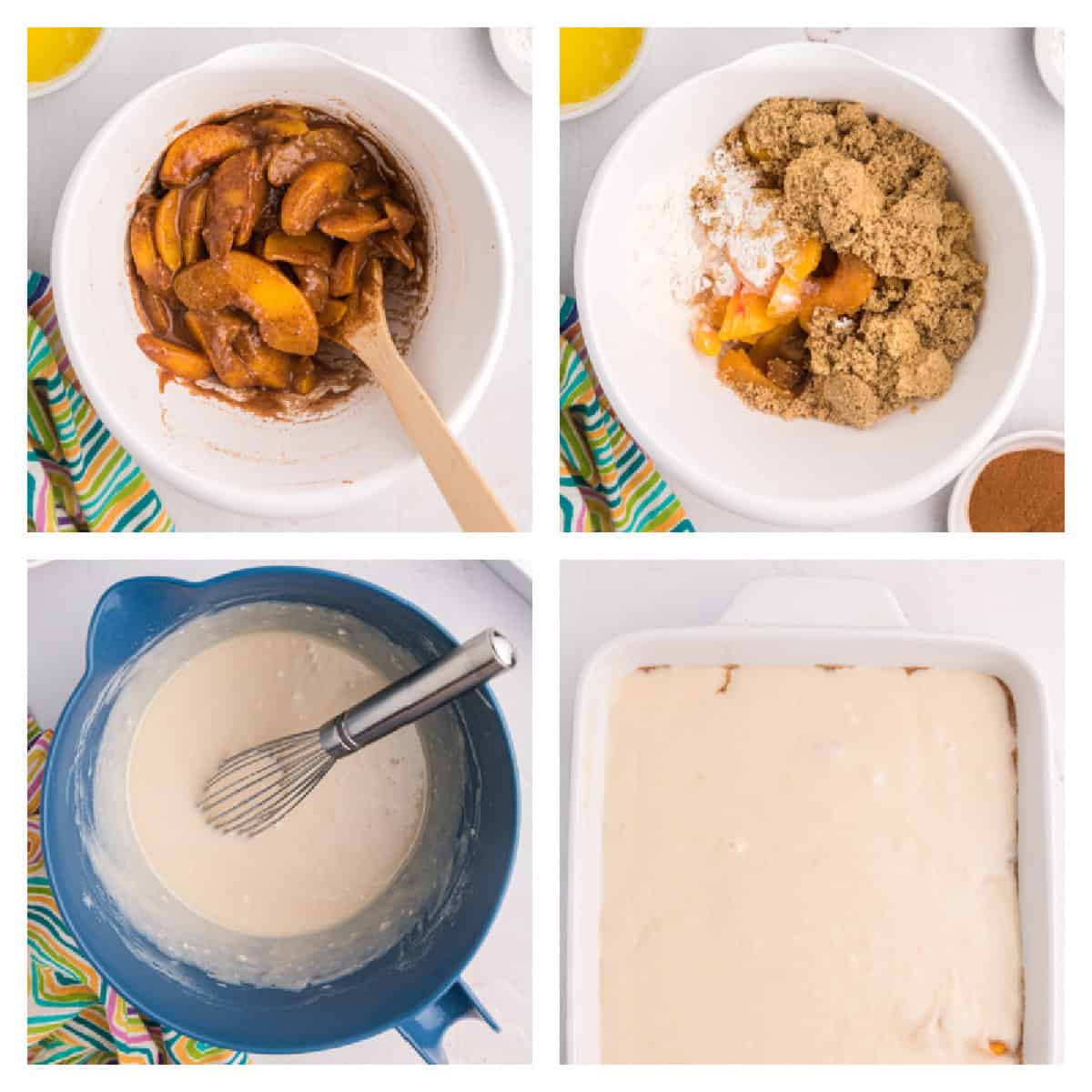
The enduring popularity of the peach cobbler has significant implications for the domestic fruit market. According to agricultural data, the demand for high-quality peaches for home-baking applications sustains a robust market for stone fruits during the summer months. Furthermore, the "Easy" classification of modern recipes—often involving simplified mixing methods—has democratized the dessert, making it a primary entry point for amateur bakers.
Socially, the dish functions as a facilitator of communal interaction. The act of sharing a large-format dessert like a cobbler at potlucks and family reunions is a long-standing American tradition that emphasizes the concept of "comfort food." In recent years, food bloggers and culinary historians have noted a resurgence in interest regarding scratch-made desserts, as consumers increasingly seek transparency in their food sources, preferring the simplicity of fruit-based desserts over ultra-processed alternatives.
Comparative Analysis: Cobbler vs. Alternative Desserts
When evaluating the placement of peach cobbler within the broader dessert landscape, it occupies a middle ground between the rustic nature of fruit pies and the structural complexity of cakes.
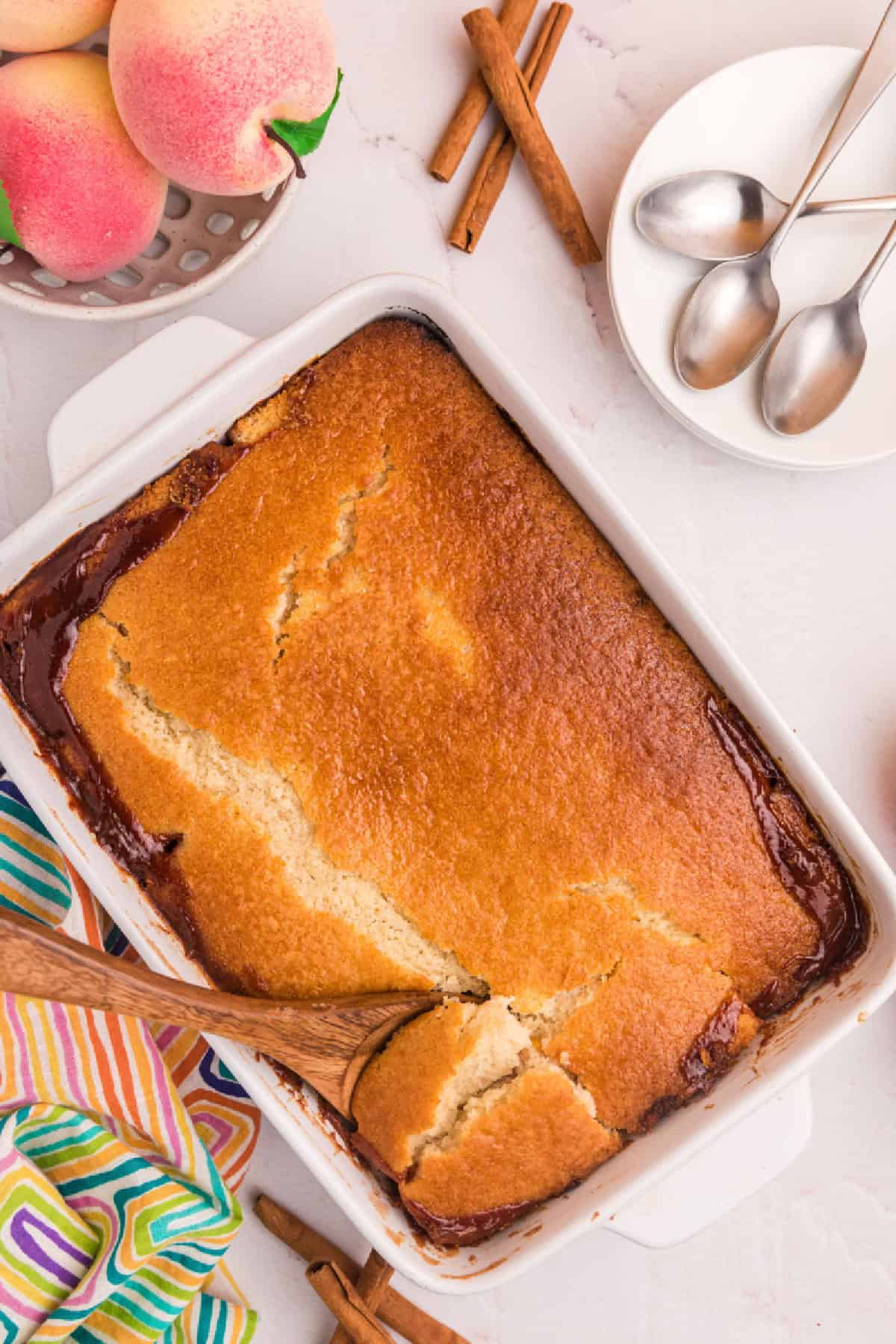
- Versatility: Unlike pies, which require precise dough rolling and blind baking, the cobbler is forgiving. The "drop" method of applying the dough allows for variation in thickness and texture, which serves as a safeguard against common baking failures such as under-baked crusts.
- Thermal Pairing: The tradition of serving the cobbler warm alongside cold vanilla ice cream provides a thermal contrast that enhances the sensory experience. This "à la mode" service is standard practice, as the melting ice cream provides a creamy emulsion that balances the acidity of the fruit filling.
- Scalability: The recipe is easily scaled for large groups, making it a preferred option for event catering and large-scale hospitality, where consistent quality and ease of portioning are paramount.
Future Outlook and Trends
The culinary industry is currently observing a trend toward "gourmet simplicity." While the classic peach cobbler recipe remains unchanged in its essence, there is an increasing shift toward incorporating locally sourced ingredients, such as stone-ground flour or heirloom peach varieties, to elevate the final product. Additionally, the rise of the "3-ingredient" or "short-cut" cobbler—often utilizing commercial cake mixes—represents a segment of the market that prioritizes speed and efficiency, further ensuring that this dessert remains a permanent fixture in the modern kitchen.
As consumer preferences shift toward sustainable and seasonal eating, the peach cobbler remains a relevant, resilient part of the culinary canon. By adhering to the fundamental principles of ingredient quality and temperature control, both home cooks and professional pastry chefs can continue to produce a dessert that satisfies the dual requirements of comfort and nutritional pleasure. Whether served in a formal setting or a casual backyard gathering, the peach cobbler continues to define the intersection of seasonal produce and timeless American hospitality.