California Air Resources Board Faces Heavy Criticism Over Double-Counting Emissions Reductions in Dairy Methane Programs

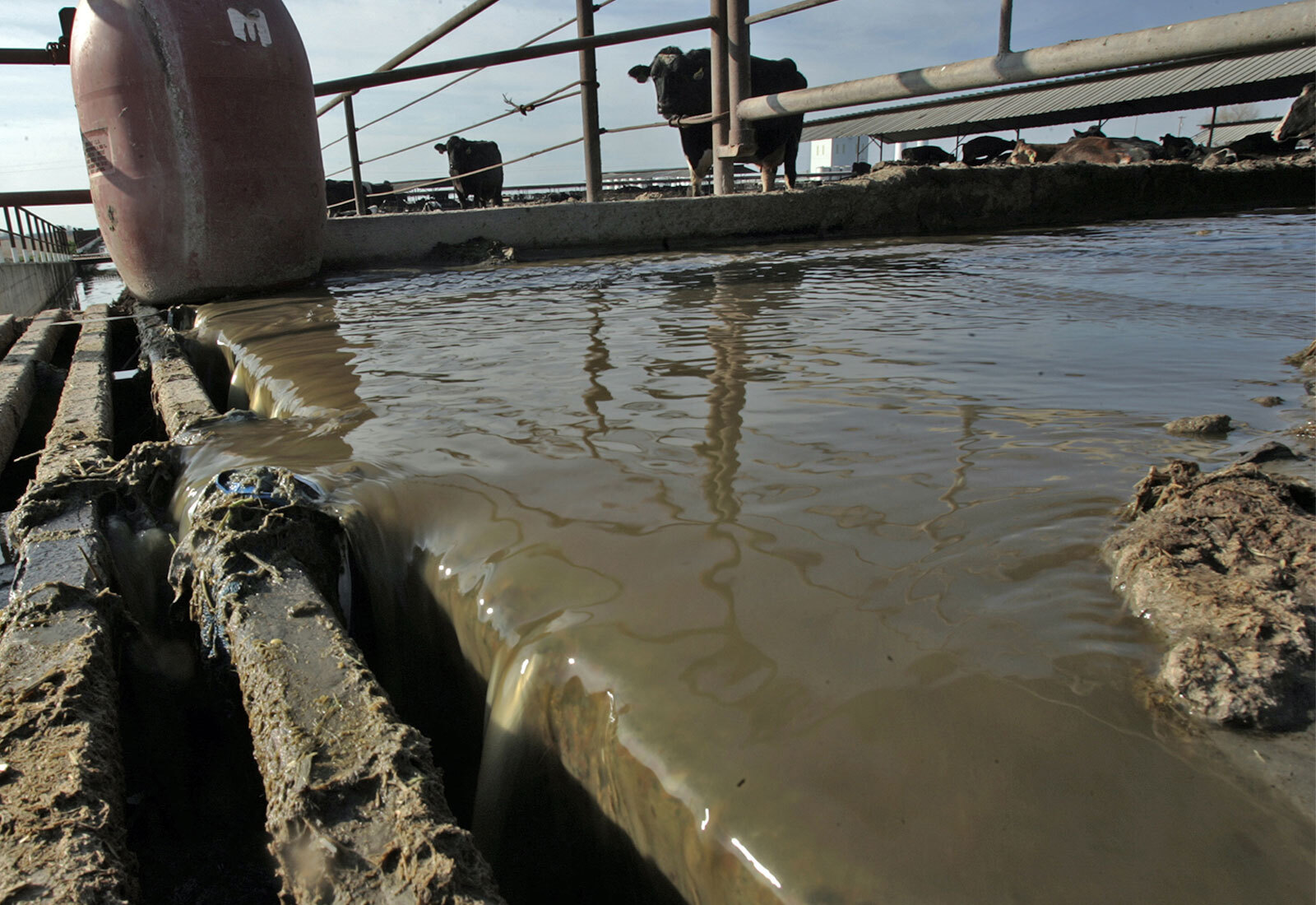
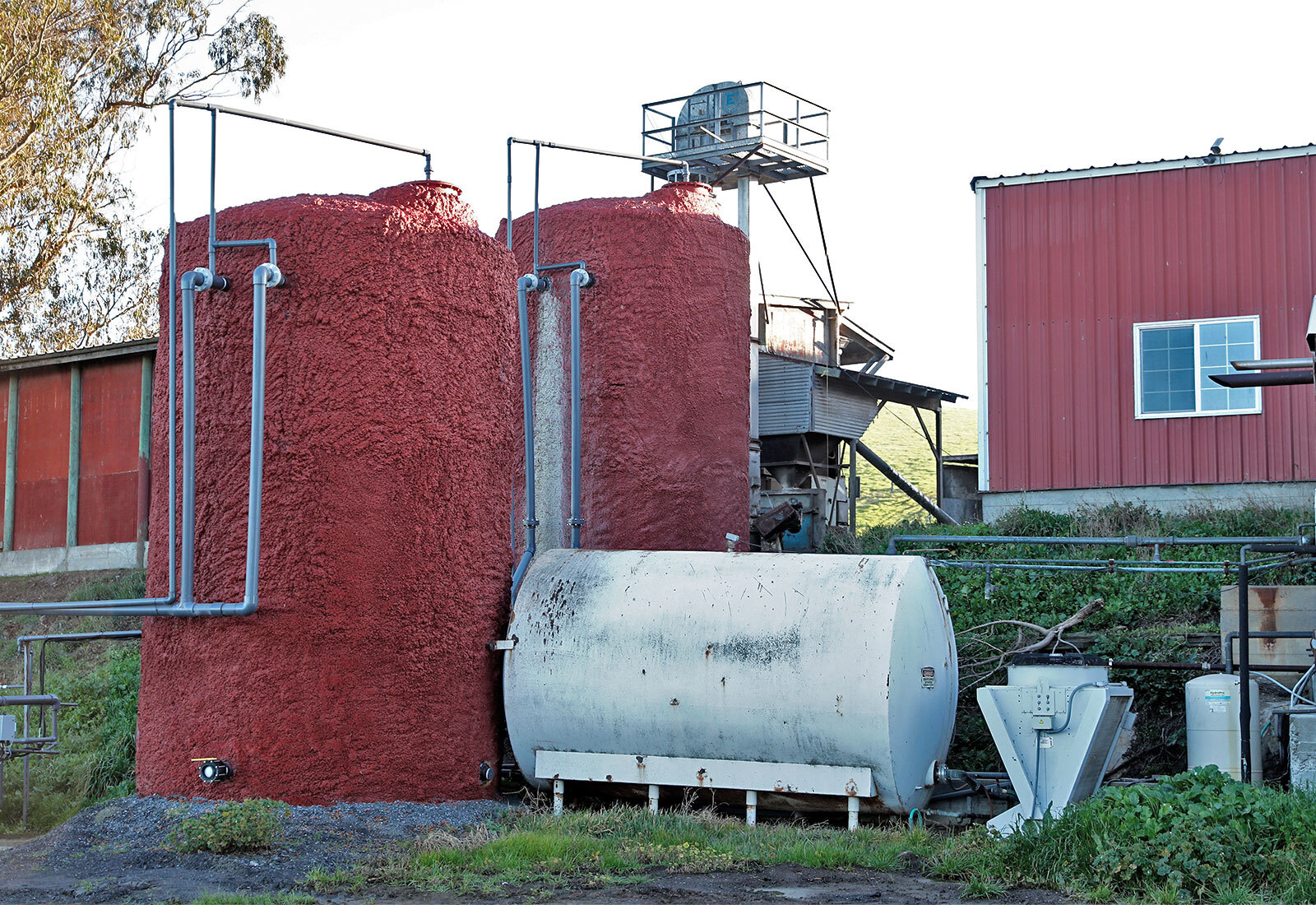
The state of California is currently navigating a complex web of climate policies aimed at reducing greenhouse gas emissions across multiple economic sectors. Among the most ambitious of these initiatives is the state’s drive to curtail methane emissions from industrial dairy farms. Livestock operations are a major source of methane—a greenhouse gas significantly more potent than carbon dioxide in the short term—primarily due to the massive volumes of manure pooled in open-air lagoons. To combat this, California has deployed a series of lucrative subsidies, grants, and regulatory frameworks designed to incentivize the installation of methane digesters. These tall, silo-like systems capture manure emissions before they can escape into the atmosphere, converting them into usable natural gas.
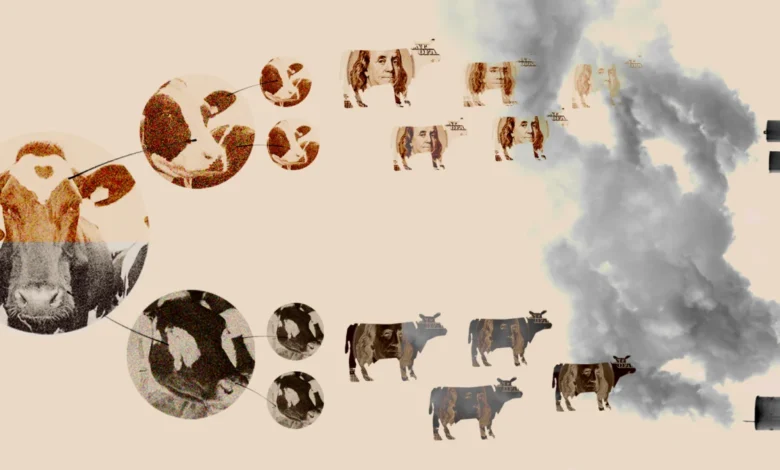
However, a critical accounting practice has brought these environmental programs under intense scrutiny from environmental attorneys, policy analysts, and advocacy groups. State regulators are increasingly being accused of "double counting" a single emissions reduction across entirely separate programs. By attributing the exact same avoided methane emissions to both the agricultural livestock sector and the transportation fuel sector, critics argue that California is artificially inflating its progress toward aggressive climate goals. Furthermore, this dynamic has raised serious questions regarding the concept of "additionality"—the principle that climate incentives should only fund projects that would not have happened otherwise.
The Mechanics of Methane Capture and Regulatory Double-Counting
To understand the controversy, one must examine how California accounts for greenhouse gas reductions. By the end of the year, state-backed efforts are projected to prevent roughly 1.8 million tons of carbon dioxide equivalent (CO2e) from being emitted annually by dairy farms. This reduction is a cornerstone of the Golden State’s statutory mandate to slash methane emissions by 40 percent below 2013 levels by 2030.
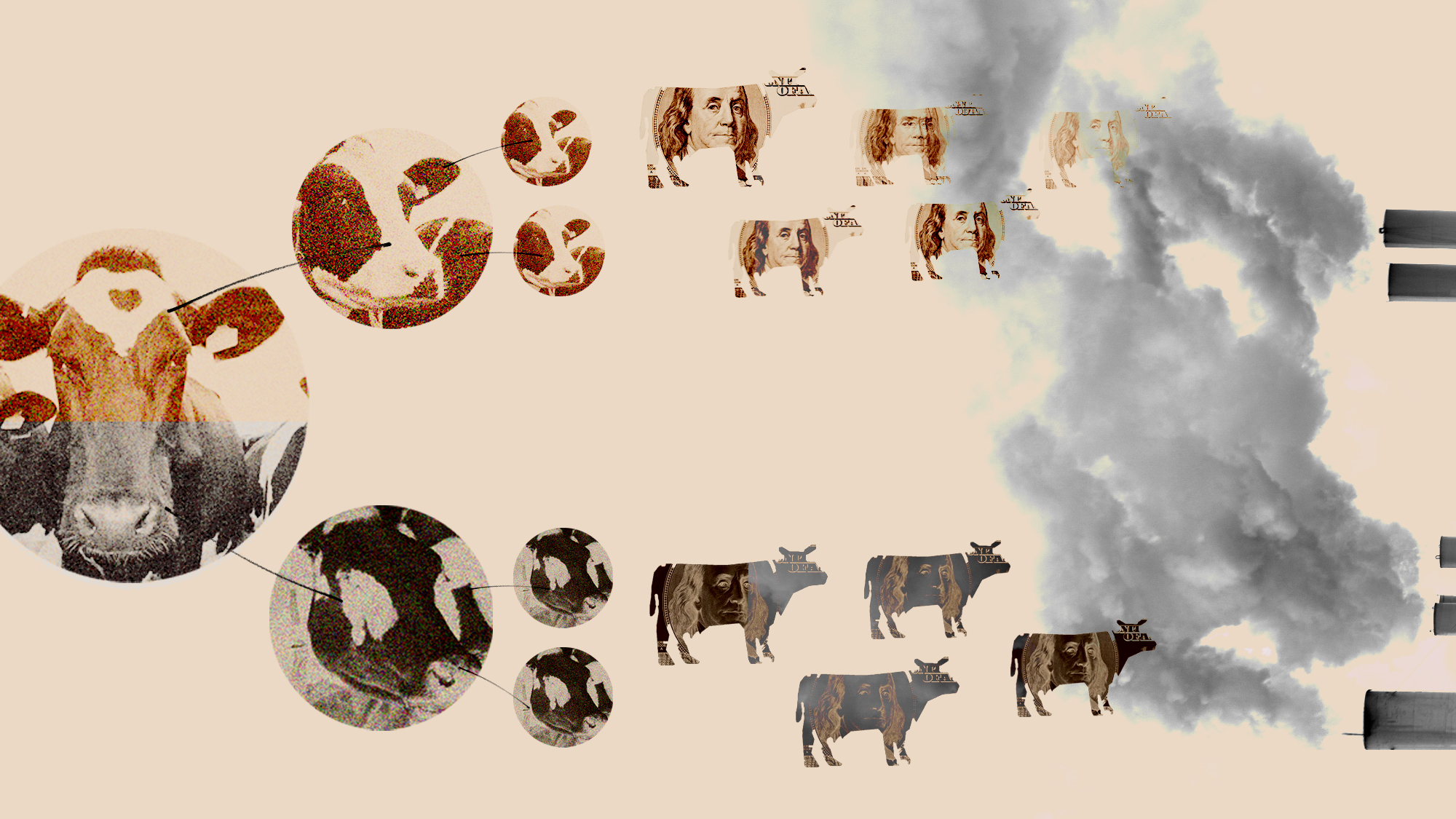
While sector-specific targets attribute these cuts directly to livestock, the California Air Resources Board (CARB)—the primary agency overseeing air pollution and climate initiatives—simultaneously credits these identical emissions reductions to its transportation fuel sector. This overlap occurs because the captured methane is refined into natural gas and injected into the state’s commercial pipeline supply.
Under CARB’s unique accounting methodology, any natural gas derived from dairy manure is assigned a carbon intensity score that is deeply negative. Traditional fossil-fuel extraction methods, such as hydraulic fracturing (fracking), yield fuels with high carbon intensity scores because of the emissions generated throughout their lifecycle. Conversely, because dairy digesters prevent volatile methane from escaping into the atmosphere, CARB calculates the "well-to-wheel" emissions of dairy biomethane to be less than zero. In essence, the state treats the production of factory farm gas as if it were a direct carbon-removal technology, akin to a mechanical device scrubbing carbon dioxide straight out of the air.
This regulatory sleight-of-hand allows energy companies and industrial dairies to claim that simply adding biomethane to the fuel supply simultaneously shrinks livestock emissions and dramatically lowers the carbon footprint of the state’s transportation network. According to climate policy experts, this represents a textbook case of double counting. Analysts from organizations like Carbon Plan have pointed out that the exact same ton of avoided emissions is being used twice to justify regulatory compliance across two completely different state mandates.
A Chronology of Subsidies, Disasters, and Interlocking Programs
The integration of dairy methane into California’s climate framework did not happen overnight; it is the result of a decade-long accumulation of overlapping policy initiatives, financial incentives, and emergency settlements.
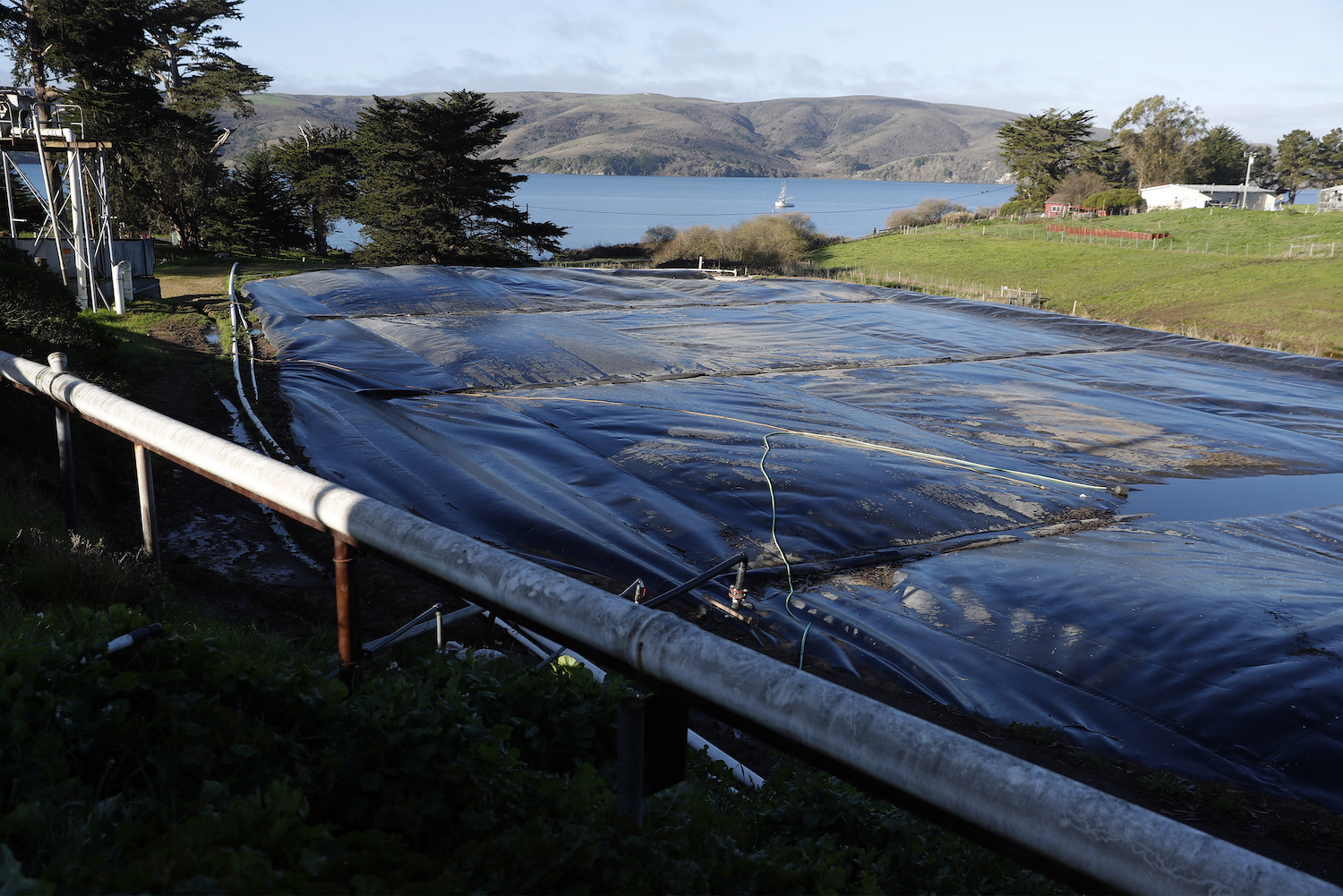
The policy evolution began in earnest with the implementation of the Low Carbon Fuel Standard (LCFS) in 2011. Designed to reduce the average carbon intensity of the state’s transportation fuels over time, the LCFS program allows producers of alternative fuels—such as dairy biomethane—to generate valuable LCFS credits. These credits can then be sold to high-carbon fossil fuel producers who exceed the state’s annual carbon intensity caps.
As the market for LCFS credits matured, the state layered additional funding mechanisms on top of it. In 2018, the California Department of Food and Agriculture awarded a $1.9 million grant to Calgren Dairy Fuels to construct a massive methane digester at Vander Poel Dairy in Tulare County. This sprawling facility houses approximately 11,000 cattle. The grant was intended to finance infrastructure capable of preventing 290,000 metric tons of CO2e from entering the atmosphere over a decade—an impact roughly equivalent to removing 6,250 passenger vehicles from the road over the same timeframe.
While these agricultural grants aimed to hit livestock targets, CARB also logged the Vander Poel Dairy reductions toward LCFS compliance. The overlap expanded further following the catastrophic Aliso Canyon natural gas leak in late 2015. The disaster, which occurred at a Southern California Gas Company (SoCalGas) storage facility, released roughly 109,000 metric tons of methane into the atmosphere over 100 days, forcing thousands of local families to evacuate.
To settle liabilities arising from the disaster, CARB negotiated the Aliso Canyon Mitigation Agreement. Under this framework, more than $25 million in loans and funding was funneled to California dairy farms to build manure-capturing digesters, with major energy players like Chevron and California Bioenergy leading the investments. CARB projected these projects would capture 1.9 million metric tons of CO2e over ten years to offset the Aliso Canyon disaster.
Crucially, however, the very same dairy projects funded by the Aliso agreement were simultaneously enrolled in the LCFS program. Consequently, the emissions reductions were counted a third time to help offset the transportation sector’s carbon footprint.
Financial Motivations and the "Stacking" Defense
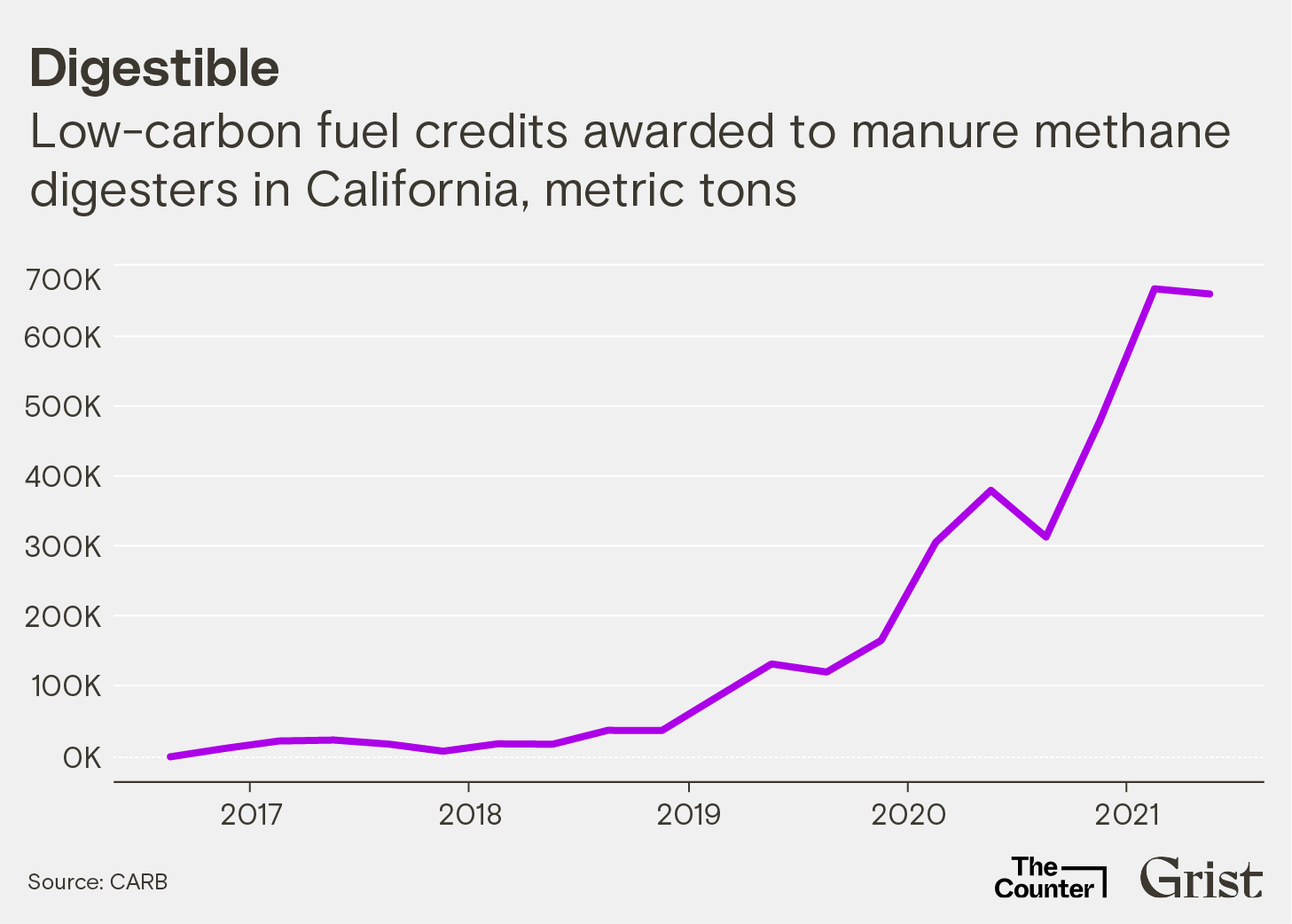
The financial implications of participating in multiple regulatory programs—a practice known in the industry as "stacking"—are substantial. Aggregate data from CARB reveals that manure-based fuels generated over 2.1 million LCFS credits in 2021 alone. This accounted for roughly 10 percent of all LCFS credits generated that year, despite manure-based natural gas representing only a tiny fraction of total renewable fuel volumes.
For major energy conglomerates like Chevron, these investments are projected to yield double-digit returns in the coming years. This profitability is directly driven by the negative carbon intensity scores assigned to dairy biomethane under the LCFS market.
Industry defenders argue that this layering of financial incentives is an absolute necessity. Michael Boccadoro, executive director of the dairy industry coalition DairyCares, maintained that building and maintaining anaerobic digesters is prohibitively expensive for individual farm owners. "It takes the stacking of incentives to make the projects work," Boccadoro asserted, emphasizing that without multiple revenue streams, the high capital costs would render dairy methane capture economically unviable.
Conversely, environmental advocates argue that financial stacking creates a perverse incentive structure. When digester subsidies become exceptionally lucrative, manure management transitions from a waste-disposal challenge into a standalone revenue-generating enterprise. Critics warn that this dynamic could inadvertently encourage dairy operations to maintain or even expand herd sizes to maximize manure production, undermining long-term efforts to rein in agricultural emissions.
The Legal Challenge and the Additionality Debate
The legal pushback against California’s accounting methods reached a head in late 2021. A coalition of environmental justice organizations and local residents—represented by legal advocacy groups such as Public Justice and Food & Water Watch—filed a formal petition with CARB. The petitioners argued that the agency’s allowance of simultaneous program participation violates foundational climate accounting principles, specifically the requirement of "additionality."
Additionality dictates that a climate initiative should only claim credit for emissions reductions that would not have occurred in the absence of that specific program. Legal experts and petitioners contend that if a dairy farm has already received millions of dollars in grants from the Department of Agriculture or loan funding from the Aliso Canyon agreement to build a digester, the subsequent issuance of LCFS credits provides no additional behavioral incentive.
"There is no causal link between the LCFS and those reductions happening," explained Brent Newell, a former senior attorney for the Food Project at Public Justice who represented residents opposing the current accounting framework. "We need to have actual reductions, not paper reductions."
Furthermore, petitioners highlighted a glaring contradiction within the Aliso Canyon mitigation framework. Because LCFS credits grant fossil fuel producers the legal license to emit higher volumes of greenhouse gases than would otherwise be permissible, a dairy farm participating in both programs effectively cancels out the mitigation goals of the Aliso settlement. Rather than achieving a genuine one-to-one offset for the 2015 gas leak, the system enables equivalent emissions elsewhere in the fossil fuel supply chain.
CARB’s Response and Broader Implications
Faced with these allegations, CARB has consistently defended its administrative approach. In its formal response to the environmental coalition’s petition, the agency declined to alter its policies, explicitly denying the request to implement strict additionality tests for the LCFS program. CARB officials argued that such standards are not explicitly required under existing state statutes.
In written statements, an agency spokesperson defended the cross-program crediting structure: "California’s numerous greenhouse gas emissions reduction programs often incentivize emissions reductions in the same sector. By encouraging the capture of methane emissions at dairies and directing that methane into the transportation sector, the program supports dairy sector methane emissions reductions and rewards the displacement of fossil fuels in the transportation sector."
Despite these defenses, critics contend that the state’s methodology risks masking a failure to achieve absolute emissions reductions. Because the LCFS focuses exclusively on lowering the average carbon intensity of fuels rather than capping total aggregate emissions, it remains entirely possible for the state’s transportation sector carbon intensity metrics to improve on paper even as overall greenhouse gas volumes continue to rise.
As California presses forward with its climate agenda, the controversy surrounding dairy digester accounting shows no signs of abating. State records indicate that dozens of additional manure-to-energy projects are currently under construction, with nearly 100 new digesters slated for completion. Whether regulatory bodies will eventually bow to pressure from environmental advocates and reform their accounting methodologies to eliminate double counting remains an open question, leaving the integrity of the state’s premier climate benchmarks subject to ongoing debate.
Related posts: