Unlocking the Secrets of Longevity: Five Essential Staples of the Authentic Mediterranean Diet

The modern global wellness industry is saturated with restrictive dietary protocols, fleeting superfood trends, and complex nutritional guidelines that often alienate consumers from the simple joy of eating. However, nutritional science and decades of observational data continue to point toward a remarkably consistent paradigm of health: the traditional Mediterranean diet. Far from being a modern corporate invention or a rigid calorie-counting scheme, this dietary pattern represents a centuries-old culinary heritage deeply rooted in the agricultural traditions of countries bordering the Mediterranean Sea, including Greece, Italy, Spain, and southern France.
Elena Paravantes, a registered dietitian, wellness author, and recognized authority on the Greek Mediterranean diet with over 25 years of professional experience, argues that true nutritional wellness relies not on deprivation, but on the celebration of wholesome, culturally authentic foods. Drawing from her upbringing in Greece and extensive clinical practice in both the United States and Europe, Paravantes highlights five foundational elements that sustain this dietary framework: whole grains, oregano, Greek yogurt, extra virgin olive oil, and seasonal vegetables. Examining these staples through the lenses of nutritional science, historical context, and contemporary public health implications reveals why this lifestyle endures as a gold standard for long-term health and disease prevention.
Historical Context and the Evolution of the Mediterranean Diet
To understand the enduring relevance of the Mediterranean diet, one must examine its historical and epidemiological origins. The medical and scientific communities first formally recognized the health benefits of this dietary pattern during the mid-20th century, largely propelled by the pioneering epidemiological research of American physiologist Ancel Keys. The landmark Seven Countries Study, initiated in the late 1950s, investigated the relationship between lifestyle, diet, and cardiovascular disease across diverse populations in the United States, Europe, and Japan.
Keys and his research colleagues observed that populations inhabiting the island of Crete and rural regions of southern Italy exhibited remarkably low rates of coronary heart disease and enjoyed exceptional life expectancies, despite consuming diets relatively rich in total fat. The defining variable was not the absence of fat, but the specific type of fat consumed—primarily monounsaturated fats derived from olives—alongside a high intake of unrefined plant foods, legumes, fish, and whole grains.
Over the subsequent decades, thousands of peer-reviewed clinical trials and observational studies have reinforced these initial findings. The PREDIMED (Prevención con Dieta Mediterránea) study, a major clinical trial published in the New England Journal of Medicine, provided definitive randomized controlled evidence that a Mediterranean diet supplemented with extra virgin olive oil or nuts significantly reduced the incidence of major cardiovascular events. Today, the diet is widely endorsed by global health institutions, including the World Health Organization (WHO) and the American Heart Association (AHA), for its proven efficacy in reducing inflammation, improving metabolic health, and lowering the risk of stroke, type 2 diabetes, and certain cancers.
Whole Grains: The Complex Carbohydrate Foundation
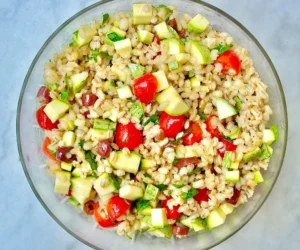
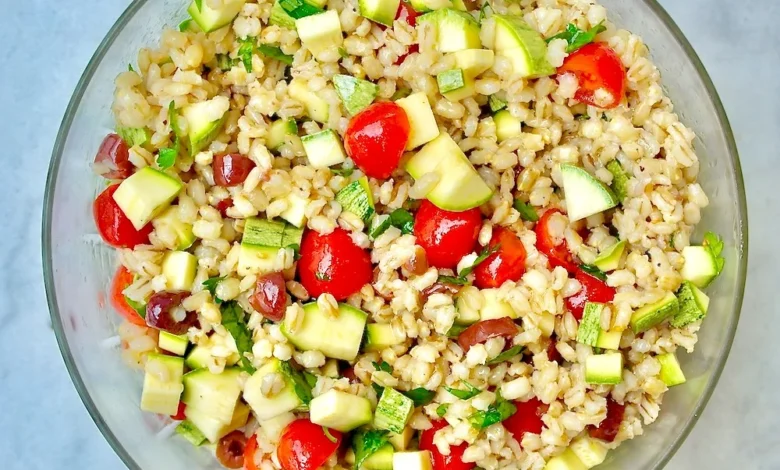
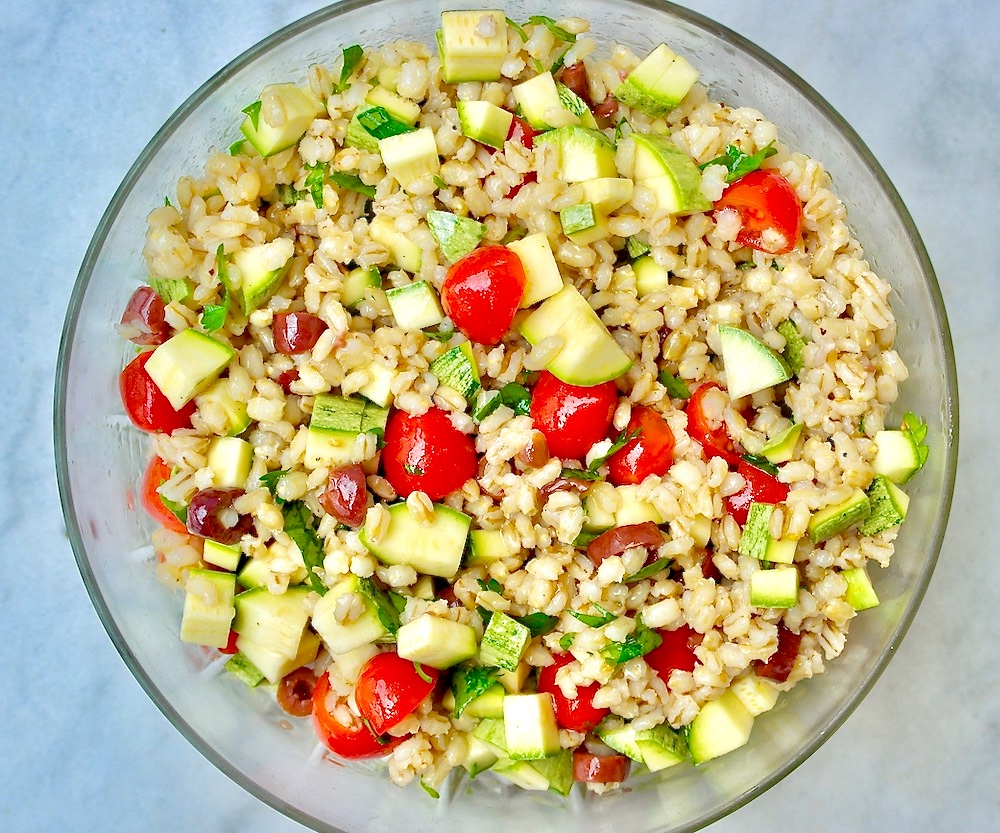
In contemporary Western nutrition, carbohydrates are frequently demonized, leading to the proliferation of low-carbohydrate and ketogenic fads. Conversely, the traditional Mediterranean diet embraces unrefined, complex carbohydrates as a primary dietary energy source. Across the Mediterranean basin, traditional whole grains such as barley, bulgur, farro, spelt, and rustic whole-grain sourdough breads have served as dietary mainstays for generations.
Unlike heavily processed refined grains—which undergo milling that strips away the nutrient-dense bran and germ layers—whole grains retain all three native components of the grain kernel: the bran, germ, and endosperm. This structural integrity ensures a rich supply of dietary fiber, B-complex vitamins, iron, magnesium, and essential antioxidants.
From a physiological perspective, the high fiber content in traditional whole grains slows down the digestion and absorption of glucose, preventing sharp spikes in blood sugar and insulin levels. Furthermore, whole grains promote sustained satiety by expanding in the digestive tract and interacting with gut hormones that signal fullness. When paired with legumes, fresh herbs, and healthy fats, these grains form balanced, nutrient-dense meals that support optimal gastrointestinal health and metabolic stability.
Oregano: Beyond a Culinary Garnish
Herbs and spices are frequently relegated to the background of culinary discourse, viewed merely as flavor enhancers without significant nutritional merit. In authentic Mediterranean cooking, however, aromatic herbs play a vital role both in gastronomy and preventive health. Among these, dried Greek oregano (Origanum vulgare) stands out as a preeminent kitchen staple.
In Greek households and throughout the broader Mediterranean region, oregano is utilized with liberality. It is routinely sprinkled over ripe tomatoes, roasted root vegetables, legumes, feta cheese, and grilled fish. Dried Greek oregano, cultivated under intense Mediterranean sunlight, develops a high concentration of volatile aromatic oils, notably carvacrol and thymol.
Scientific analyses have demonstrated that these active phytochemicals possess potent antioxidant, antimicrobial, and anti-inflammatory properties. By neutralizing free radicals and mitigating oxidative stress within the body, oregano contributes to cellular protection. Furthermore, from a behavioral nutrition standpoint, the robust flavor profile of oregano and similar herbs enables home cooks to prepare highly palatable plant-based meals without relying on excessive sodium, heavy cream, or complex, calorie-dense sauces. This sensory satisfaction is critical for long-term dietary adherence.
Greek Yogurt: An Everyday Dairy Tradition
In recent years, Greek yogurt has achieved unprecedented commercial success across global supermarket chains, frequently marketed as a specialized, high-protein functional food designed for fitness enthusiasts and dieters. However, in Greece and other Mediterranean countries, yogurt is simply an elemental, everyday food deeply woven into the fabric of daily nutrition.
Traditional strained Greek yogurt possesses a thick, velvety texture achieved through a meticulous straining process that removes the liquid whey. This natural method concentrates the milk solids, resulting in a product that delivers a significantly higher protein content per serving than conventional unstrained yogurts, while containing lower levels of lactose.
Beyond its macronutrient profile, traditional Greek yogurt serves as a valuable source of bioavailable calcium, phosphorus, and vitamin B12, which are essential for skeletal integrity and neurological function. Furthermore, authentic yogurts containing live and active bacterial cultures contribute beneficial probiotics to the gastrointestinal microbiome. These live microorganisms support gut barrier function, aid in nutrient absorption, and play a supportive role in modulating the immune system. Whether consumed plain, sweetened naturally with local honey and fresh fruit, or transformed into savory preparations like tzatziki—a garlic, cucumber, and yogurt dip—this staple seamlessly bridges the gap between pleasure and nutritional value.
Extra Virgin Olive Oil: The Indispensable Cornerstone
It is impossible to discuss the Mediterranean dietary pattern without addressing its foundational lipid source: extra virgin olive oil (EVOO). In Greece, which boasts the highest per capita consumption of olive oil in the world, this golden-green liquid is utilized comprehensively across all culinary applications, from sautéing and roasting to finishing salads, dressing greens, and even incorporating into traditional baked goods and desserts.
Unlike refined vegetable oils extracted using chemical solvents or high heat, extra virgin olive oil is obtained solely through mechanical cold-pressing of olives, preserving the fruit’s natural chemical composition. EVOO is predominantly composed of oleic acid, a monounsaturated fatty acid known to support cardiovascular health by helping to maintain healthy levels of high-density lipoprotein (HDL) cholesterol while reducing low-density lipoprotein (LDL) oxidation.
Crucially, extra virgin olive oil is rich in biologically active minor components, most notably polyphenols such as oleocanthal and oleuropein. These compounds exhibit powerful antioxidant and anti-inflammatory activities comparable to pharmaceutical non-steroidal anti-inflammatory drugs (NSAIDs) in laboratory settings.
Public health experts emphasize that the Mediterranean diet is inherently a moderate-to-high-fat dietary pattern; attempting to adapt the diet into a low-fat regimen strips away its defining characteristics and diminishes its health benefits. Moreover, culinary experts note that the rich, unctuous mouthfeel of olive oil enhances the palatability of nutrient-dense vegetables that might otherwise be unappealing to consumers, thereby driving higher consumption of produce.
Seasonal Vegetables: The Vibrant Heart of the Plate
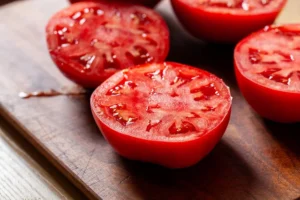
Vegetables occupy a central, commanding presence in traditional Mediterranean culinary traditions. Tomatoes, eggplants, zucchini, bell peppers, dark leafy greens, onions, and cruciferous vegetables are consumed in abundance, dictated strictly by seasonal availability and local agricultural cycles.
Unlike industrialized food systems that prioritize uniformity and year-round availability of out-of-season produce, the Mediterranean approach honors seasonality, ensuring that crops are harvested at peak ripeness when nutrient density and flavor profiles are maximized. Preparation methods remain intentionally straightforward: vegetables are frequently roasted with extra virgin olive oil and oregano, simmered slowly in rich tomato broths (a style known as ladera), or stuffed with aromatic rice and fresh herbs.
Nutritionally, this vegetable-centric model floods the body with essential dietary fiber, vitamins A, C, and K, potassium, and a vast array of protective phytochemicals and carotenoids. These plant compounds work synergistically to lower systemic inflammation, regulate blood pressure, and support optimal gastrointestinal motility. By transforming humble produce into intensely flavorful, comforting dishes, traditional Mediterranean cooking redefines the relationship between healthy eating and culinary pleasure.
Broader Implications and Modern Wellness
The enduring success of the Mediterranean diet offers a vital lesson for contemporary public health nutrition. As chronic lifestyle-related diseases—including obesity, cardiovascular disease, and metabolic syndrome—continue to place unprecedented burdens on global healthcare systems, health authorities increasingly advocate for sustainable dietary patterns rather than cyclical, punitive dieting.
The philosophy articulated by nutrition experts like Elena Paravantes underscores that true wellness is holistic. It transcends isolated nutrients or rigid macronutrient ratios, encompassing a cultural lifestyle framework characterized by communal dining, seasonal eating, culinary creativity, and the mindful appreciation of whole foods.
As clinical research continues to validate the physiological mechanisms behind these traditional eating habits, the global pivot toward the Mediterranean diet highlights a reassuring reality: achieving and maintaining optimal health does not require abandoning culinary pleasure. Instead, it invites individuals back to the kitchen table, utilizing simple, time-tested ingredients that have nourished human populations for millennia.