The Evolution of Modern Fusion Cuisine: The Rise of the Colombian Arepa Burger

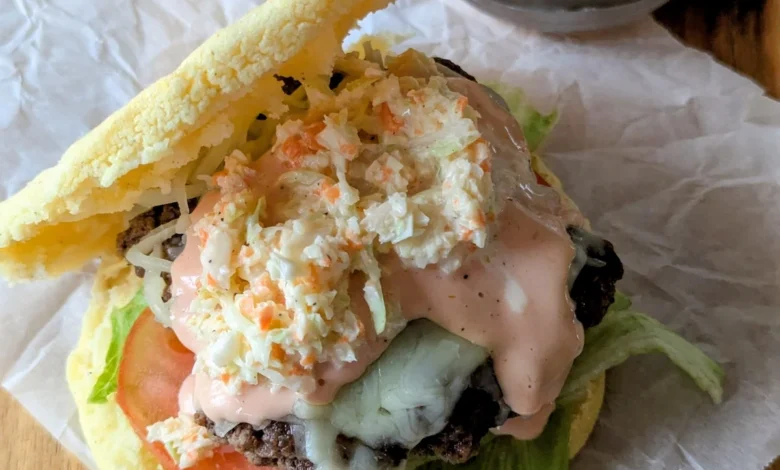
The fusion of traditional international comfort foods has become a hallmark of contemporary global gastronomy, and few dishes illustrate this trend as effectively as the Colombian Arepa Burger. By replacing the conventional wheat-based hamburger bun with the traditional corn-based arepa, chefs and home cooks alike have created a culinary bridge between North American fast-food culture and South American indigenous traditions. This transformation is not merely a stylistic choice; it represents a significant shift in dietary preferences, moving toward gluten-conscious alternatives and the integration of diverse regional staples into mainstream dining.

Historical Context and Cultural Origins
The arepa has served as a cornerstone of Colombian and Venezuelan diets for centuries. Originating from the indigenous peoples of the northern Andes, these pre-Columbian corn cakes were historically prepared by soaking and grinding dried maize. Today, the modern iteration relies primarily on pre-cooked cornmeal, or masarepa, which allows for a standardized, efficient preparation process.
While the hamburger traces its lineage to 19th-century European immigrants in the United States, its global ubiquity made it a prime candidate for local adaptation. In Colombia, the "hamburguesa" has long been a staple of street food culture, often embellished with unconventional toppings such as crushed potato chips, quail eggs, and a variety of house-made sauces. The transition to the "Arepa Burger" was a natural progression, reflecting a desire to reclaim the classic American dish by anchoring it in local, ancestral ingredients. The dish’s rise in popularity can be traced to the late 20th and early 21st centuries, as Colombian diaspora communities in the United States and Europe began integrating their traditional recipes with local dining customs.

Chronology of Adoption
The integration of the arepa into the standard burger format began largely in private kitchens before gaining traction in Latin-fusion restaurants during the early 2000s. By 2010, food bloggers and culinary historians began documenting the rise of "Arepa-based" alternatives as a legitimate gourmet trend.
The timeline of this shift mirrors the broader "fusion revolution," where ethnic staples moved from niche, immigrant-focused eateries to mainstream menus. By 2015, food critics identified the arepa as a superior gluten-free substitute for bread, leading to a surge in market demand. By 2020, fast-casual chains across major metropolitan areas in the United States began offering corn-based patties as premium, high-value menu items, further solidifying the Arepa Burger as a staple of modern fusion menus.

Culinary Composition and Nutritional Analysis
The Arepa Burger is defined by its architectural simplicity and reliance on high-quality maize. Unlike a standard brioche or sesame seed bun, the arepa provides a distinct textural contrast: a crunchy, golden-brown exterior and a soft, steaming interior.
From a nutritional perspective, the transition from refined wheat flour to cornmeal offers several distinct advantages. Standard hamburger buns often contain high levels of added sugars, preservatives, and gluten. In contrast, a traditional arepa is typically composed of cornmeal, water, and a pinch of salt. While caloric density remains relatively comparable, the nutritional profile of the arepa often includes higher levels of fiber and complex carbohydrates.

Data from recent health studies suggest that the shift toward corn-based alternatives in fast food can aid in reducing the glycemic index of a meal, provided the cornmeal is not heavily processed. Furthermore, the Arepa Burger’s reliance on lean, fresh proteins and vegetable-heavy toppings—such as fresh avocado, tomato, and onion—aligns with a global movement toward "whole food" consumption, even within the context of comfort food.
Industry and Market Implications
The rise of this fusion dish has created a noticeable impact on the supply chain for international ingredients. The increased demand for masarepa (pre-cooked corn flour) has seen a steady uptick in distribution to mainstream grocery chains. Major food suppliers report that interest in Latin American pantry staples has increased by approximately 15% annually over the last decade, driven by the popularity of dishes like the Arepa Burger.

Industry analysts suggest that this trend is not a fleeting fad but a permanent fixture in the "fast-casual" dining sector. By tapping into both the nostalgia of traditional home cooking and the convenience of the American burger format, the Arepa Burger successfully attracts two distinct consumer demographics: those seeking comfort food and those prioritizing gluten-free or artisanal options.
The Role of Condiments and Regional Variations
A critical component of the Arepa Burger’s success is its adaptability, particularly regarding sauces. While a standard American burger might be topped with ketchup and mustard, the Colombian-style burger is defined by its complex flavor profiles.

Common accompaniments include:
- Salsa Rosada: A blend of mayonnaise and tomato sauce, often featuring a hint of lime or garlic.
- Hogao: A traditional Colombian Creole sauce made from sautéed tomatoes and green onions.
- Avocado Salsa: Utilizing the region’s abundant avocado supply, providing a creamy, healthy fat source that complements the density of the corn patty.
These regional sauces have become part of the standard "Arepa Burger" lexicon. Culinary experts argue that the success of the dish is tied to this ability to "localize" the burger, allowing cooks to express regional identities through simple ingredient modifications.

Societal and Cultural Impact
The proliferation of the Arepa Burger serves as a case study for how cultural identity is preserved through food. By maintaining the arepa—a symbol of Colombian heritage—at the heart of the dish, communities are able to sustain their cultural practices even while adapting to new, international environments.
Statements from cultural anthropologists suggest that the "Burgerization" of the arepa is a form of culinary diplomacy. It allows for the introduction of Colombian staples to those unfamiliar with the country’s cuisine, serving as a gateway for broader interest in Latin American culture. The dish has effectively transcended its origins, moving from a niche "home-cooked" meal to a recognized item in the global culinary vernacular.

Future Outlook
As the food industry continues to prioritize allergen-friendly options and sustainable ingredients, the Arepa Burger is well-positioned for continued growth. The reliance on corn, a highly sustainable and globally accessible crop, provides an advantage over wheat-based products which have been subject to significant price volatility and environmental concerns in recent years.
Furthermore, as the culinary world shifts toward more inclusive dining, the Arepa Burger stands out as a rare example of a dish that satisfies the demands of the modern palate without compromising on the historical integrity of its primary ingredient. Whether served in a high-end bistro or prepared as a quick family meal, the Arepa Burger stands as a testament to the power of culinary innovation and the enduring appeal of the humble corn cake. As we look toward the future of food, it is clear that the fusion of the classic burger and the traditional arepa is not just a trend, but a significant development in the ongoing evolution of global cuisine. The ability to honor tradition while embracing the contemporary demand for variety and health consciousness ensures that this dish will remain a fixture in kitchens and restaurants for years to come.