How to Cook Delicious Padang Sauce Blood Clams at Home Just Like Your Favorite Street Food Vendor

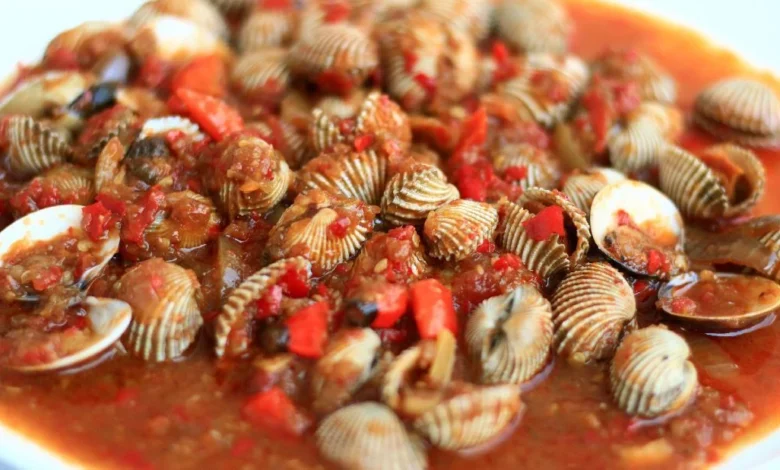
The culinary landscape of Indonesia is deeply rooted in the vibrant, diverse flavors of its street food culture, where simple seafood ingredients are transformed into extraordinary dishes through the generous application of rich, aromatic spices. Among the myriad offerings found along the bustling night food stalls and roadside tents, known locally as warung seafood tendaan, blood clams or kerang dara hold a particularly esteemed position. Traditionally, these small yet flavorful bivalves are simply boiled and served with a straightforward chili dipping sauce, allowing the natural briny taste of the ocean to shine through. However, culinary evolution and a growing consumer appetite for bold, complex flavor profiles have propelled the stir-fried variation—specifically kerang dara saus Padang, or blood clams in Padang-style sauce—to the forefront of Indonesian seafood gastronomy. This dish marries the tender, mineral-rich profile of blood clams with a fiery, sweet, and deeply savory sauce that captures the essence of West Sumatran culinary heritage adapted for the modern palate.
As urban lifestyles evolve and home cooking experiences a renaissance following global shifts toward domestic culinary exploration, recreating street food favorites within the comfort of the home kitchen has become an increasingly popular trend. Food enthusiasts and home cooks are no longer content with merely consuming these dishes outdoors; they seek to understand the mechanics of flavor balancing, ingredient selection, and proper seafood preparation to achieve restaurant-quality results domestically. The allure of the Padang-style sauce lies in its meticulous construction—a harmonious blend of aromatics, chili heat, tomato tanginess, and rich umami elements that cling tenaciously to every shell. Understanding the background, nutritional profile, and precise methodology required to execute this dish offers both amateur cooks and culinary historians a fascinating glimpse into how regional Indonesian flavors continually adapt to contemporary dining preferences.
The Historical Evolution of Indonesian Seafood Street Food and Padang Sauce Integration
The integration of Padang-style cuisine into the broader spectrum of Indonesian street food represents a fascinating cross-cultural culinary synthesis. Minangkabau cuisine, originating from the West Sumatra region, is globally renowned for its heavy use of chili peppers, coconut milk, and a complex array of indigenous spices such as lemongrass, galangal, turmeric, and kaffir lime leaves. Traditionally, these robust flavor profiles were reserved for land-based proteins such as beef, chicken, and freshwater fish, culminating in world-famous dishes like rendang and gulai. However, as Minangkabau diaspora populations migrated to major urban centers across the archipelago, particularly Jakarta, Bandung, and Surabaya, throughout the mid-to-late 20th century, culinary entrepreneurs began applying these signature spice pastes to coastal resources, giving rise to seafood saus Padang.
In the early decades of the street food phenomenon, seafood offerings were remarkably basic. Vendors operating out of canvas tents typically relied on simple preparation methods due to limited equipment and the rapid perishability of marine proteins. Boiling, steaming, or basic frying constituted the bulk of the menu. Yet, the competitive nature of the urban food market drove vendors to innovate. By the 1990s and early 2000s, the introduction of multi-purpose stir-fry sauces—chief among them the adaptation of Padang sauce—transformed the culinary landscape of roadside dining. This adaptation substituted some of the more time-consuming traditional processes with readily available pantry staples like bottled chili sauce, tomato ketchup, and oyster sauce, creating a thick, glossy glaze that appealed directly to the urban Indonesian penchant for intense, spicy, and sweet flavor combinations.
Blood clams, scientifically known as Anadara granosa, occupy a specific niche within this culinary tradition. Harvested predominantly from the muddy intertidal zones and mangrove estuaries of Southeast Asia, these bivalves are distinguished by their distinct red hemoglobin-rich flesh, which provides a unique iron-forward flavor profile and a chewy texture that stands up remarkably well to heavy, pungent sauces. Unlike larger saltwater clams or mussels, blood clams possess a concentrated oceanic essence that can easily overpower delicate preparations, making the aggressive spice matrix of a Padang sauce an ideal pairing. The sauce acts as both a flavor enhancer and a neutralizing agent, tempering the intense minerality of the shellfish while penetrating the shells to season the meat within.
Nutritional Profile and Health Implications of Consuming Blood Clams
Beyond their undeniable appeal to the palate, blood clams offer a dense array of nutritional benefits that have long been recognized by nutritionists and traditional dietary practitioners alike. As a rich source of lean protein, iron, vitamin B12, and various essential minerals, Anadara granosa serves as a functional food capable of addressing common nutritional deficiencies, particularly iron-deficiency anemia, which remains a public health concern in various parts of developing Southeast Asia. A standard serving of blood clams provides a substantial percentage of the recommended daily intake of dietary iron, largely due to the high concentration of hemoglobin present in their soft tissues, hence the descriptive Indonesian moniker kerang dara, or blood clams.
However, the consumption of bivalve mollusks also requires careful consideration regarding food safety and environmental provenance. Because clams are filter feeders, pumping large volumes of water through their systems daily to extract microscopic nutrients, they possess the biological capacity to accumulate heavy metals, biotoxins, and pathogenic bacteria from their surrounding aquatic environments. Food safety authorities and marine biologists consistently emphasize the critical importance of sourcing blood clams from certified, unpolluted waters and ensuring thorough thermal processing prior to consumption. Cooking blood clams until their shells fully open is not merely a matter of culinary preference; it is a vital public health safeguard designed to eliminate potential foodborne pathogens such as Vibrio species and various viral contaminants commonly found in estuarine waters.
From a dietary planning perspective, integrating blood clams into a balanced meal requires attention to the accompanying ingredients. While the clams themselves are low in total fat and high in protein, the traditional preparation methods—particularly those utilizing rich, oil-heavy sauces and high sodium levels—can significantly alter the nutritional calculus of the dish. Nutritionists generally recommend balancing the richness and sodium content of Padang sauce by pairing the seafood with fiber-rich vegetable dishes, such as sautéed water spinach (cah kangkung) or blanched bean sprouts (tauge), and consuming moderate portions alongside standard carbohydrates like steamed white rice.
Detailed Ingredient Breakdown and Culinary Science of Padang Sauce
To successfully replicate or elevate the classic street food experience of kerang dara saus Padang at home, an understanding of the chemical interactions between the core ingredients is essential. The sauce is a masterclass in the five basic tastes—sweet, sour, salty, bitter, and umami—with a heavy emphasis on heat and aromatics. The foundation of the sauce begins with a finely ground or blended spice paste (bumbu halus), typically comprising shallots, garlic, red curly chilies (cabai merah keriting), and bird’s eye chilies (cabai rawit) for those desiring an elevated Scoville rating.
Shallots and garlic provide the crucial organosulfur compounds that develop deep, savory notes when caramelized in cooking oil, forming the aromatic base of the dish. The chilies contribute capsaicin, which not only provides the signature heat but also stimulates salivation, enhancing the perception of other flavors. To achieve the glossy, clinging consistency characteristic of authentic seafood tent preparations, commercial kitchens and skilled home cooks rely on a combination of tomato sauce (which adds acidity, natural pectin, and a subtle sweetness), oyster sauce (providing a profound umami depth derived from hydrolyzed mollusks), and sometimes a touch of sweet soy sauce (kecap manis) or palm sugar to round out the sharp edges of the vinegar and chili.
Furthermore, the inclusion of bruised lemongrass (serai), fresh ginger, and kaffir lime leaves introduces volatile aromatic oils that lift the heavy, dense notes of the chili paste, imparting a refreshing citrusy and herbaceous complexity. When these aromatics hit the hot oil, Maillard reactions and lipid-soluble extraction processes occur rapidly, releasing complex fragrance molecules into the kitchen environment that signal the impending sensory experience of the meal. The final addition of beaten egg yolks or a slurry of cornstarch stirred into the simmering sauce just before tossing the cooked clams serves a precise culinary function: it emulsifies the fats and liquids, creating a velvety, velvety-smooth coating that ensures the sauce adheres to the exterior of the shells rather than pooling unhelpfully at the bottom of the serving dish.
Comprehensive Step-by-Step Cooking Methodology
Preparing kerang dara saus Padang requires precision, timing, and strict adherence to cleanliness protocols to ensure both optimal texture and food safety. The following comprehensive methodology is designed for a standard home kitchen, yielding four generous portions suitable for a family meal or social gathering.
Recipe Overview:
- Preparation Duration: 15 minutes
- Cooking Duration: 30 minutes
- Total Time: 45 minutes
- Difficulty Level: Moderate
- Cuisine Region: Indonesian Nusantara
- Category: Seafood / Main Course
- Yield: 4 Portions
Essential Ingredients:
- 1 kilogram fresh blood clams (kerang dara), thoroughly scrubbed and washed under cold running water
- 3 stalks of lemongrass (serai), bruised and knotted
- 4 centimeters of fresh ginger, peeled and bruised
- 3 slices of fresh galangal (laos)
- 3 kaffir lime leaves (daun jeruk), central ribs removed
- 2 tablespoons chili sauce or hot sauce
- 2 tablespoons tomato paste or sweet tomato ketchup
- 1 tablespoon oyster sauce
- 1 teaspoon fish sauce (kecap ikan) for an extra umami boost
- 1 teaspoon sugar (preferably palm sugar or granulated white sugar)
- 1 teaspoon salt, or adjusted to taste
- 1/2 teaspoon ground white pepper
- 150 milliliters water or seafood stock
- 2 tablespoons cooking oil for sautéing
Bumbu Halus (Fine Spice Paste Ingredients):
- 8 red shallots
- 4 cloves of garlic
- 10 large red curly chilies (cabai merah keriting), deseeded if a milder heat profile is preferred
- 5 to 10 bird’s eye chilies (cabai rawit), depending on individual spice tolerance
Step-by-Step Execution Protocol:
-
Seafood Preparation and Cleaning:
Begin by inspecting the fresh blood clams. Discard any clams that have broken shells or remain wide open when tapped lightly against a hard surface, as this indicates they are dead and unsafe for consumption. Submerge the live clams in a bowl of cold salted water for approximately 30 minutes to encourage them to expel any trapped sand or mud. Afterward, scrub the exterior of each shell thoroughly using a stiff-bristled brush under running tap water. -
Pre-Boiling the Clams:
To ensure even cooking and eliminate any residual impurities, bring a large pot of water to a rolling boil. Add a few slices of ginger and a bruised stalk of lemongrass to the water. Drop the cleaned clams into the boiling water and blanch them for precisely 2 to 3 minutes, or just until the shells begin to part. Immediately drain the clams through a colander and rinse them briefly with cold water to stop the cooking process. Set them aside. Do not overcook the clams at this stage, as prolonged boiling will render the meat rubbery and tough. -
Preparing the Spice Paste:
In a traditional stone mortar and pestle (ulekan) or a modern electric food processor, combine the shallots, garlic, red curly chilies, and bird’s eye chilies. Grind or pulse the mixture until a smooth, uniform paste is formed. Ensure no large chunks of chili skin or unground garlic remain, as a homogeneous paste ensures even flavor distribution during the subsequent frying phase. -
Sautéing the Aromatics and Spice Paste:
Place a large wok or deep skillet over medium heat and add the cooking oil. Once the oil is shimmering and hot, introduce the ground spice paste, bruised lemongrass, galangal, ginger, and kaffir lime leaves. Sauté the mixture continuously for 5 to 7 minutes, stirring frequently to prevent burning. The process is complete when the raw pungent aroma of the shallots and garlic dissipates, replaced by a fragrant, oil-separating paste that deepens in color to a rich, dark red. -
Constructing the Sauce Matrix:
Lower the heat slightly and stir in the chili sauce, tomato ketchup, oyster sauce, fish sauce, sugar, salt, and ground white pepper. Pour in the 150 milliliters of water or seafood stock, stirring thoroughly to incorporate all the elements into the spice paste. Allow the liquid to come to a gentle simmer for 3 to 5 minutes, tasting the sauce periodically to adjust the balance of sweetness, saltiness, and acidity according to personal preference. -
Combining Clams and Sauce:
Add the pre-blanched blood clams directly into the simmering wok containing the Padang sauce. Toss the clams vigorously using a spatula or wooden spoon to ensure every shell is thoroughly coated in the rich, aromatic liquid. Cover the wok with a lid for 2 to 3 minutes to allow the heat and flavors to penetrate deeply into the flesh of the clams. -
Finishing and Plating:
Remove the lid, and if a thicker, glossier sauce consistency is desired, stir in a small slurry of cornstarch and water, or gently fold in a beaten egg white to create a velvety texture characteristic of authentic street food preparations. Turn off the heat. Transfer the kerang dara saus Padang to a wide, shallow serving platter, garnishing with freshly chopped scallions or fried shallots if desired. Serve immediately while piping hot alongside a generous portion of steaming white rice, complemented by fresh cucumber slices, boiled water spinach, or bean sprouts to complete the culinary experience.
Broader Socio-Economic Impact and Cultural Significance of Street Food Culture
The enduring popularity of dishes like kerang dara saus Padang underscores the vital socio-economic role played by street food vendors and small-scale culinary enterprises across urban Indonesia. These informal culinary hubs are not merely points of nutritional sustenance; they function as vibrant community gathering spaces where individuals from diverse socioeconomic backgrounds intersect over shared plates of affordable, flavorful food. The ability of roadside vendors to adapt regional recipes like Minangkabau Padang cuisine into accessible, quick-service seafood offerings demonstrates the dynamic, resilient nature of Indonesian culinary entrepreneurship.
Furthermore, the digitization of food culture—exemplified by online food delivery applications, social media recipe sharing, and digital cooking tutorials—has bridged the gap between traditional street food and home-cooked meals. Recipes that were once closely guarded secrets of itinerant vendors are now widely documented, analyzed, and replicated in domestic kitchens worldwide. This democratization of culinary knowledge preserves traditional flavor profiles while encouraging creative experimentation among home cooks. As consumers increasingly value authenticity coupled with hygiene and nutritional control, mastering dishes such as blood clams in Padang sauce represents a meaningful way to engage with Indonesia’s rich maritime and spice-trading heritage, ensuring that these iconic flavors continue to thrive for generations to come.
Related posts: