The Ultimate Guide to Making Creamy Vegan Ramen at Home with Roasted Sweet Potato and Peanut Butter

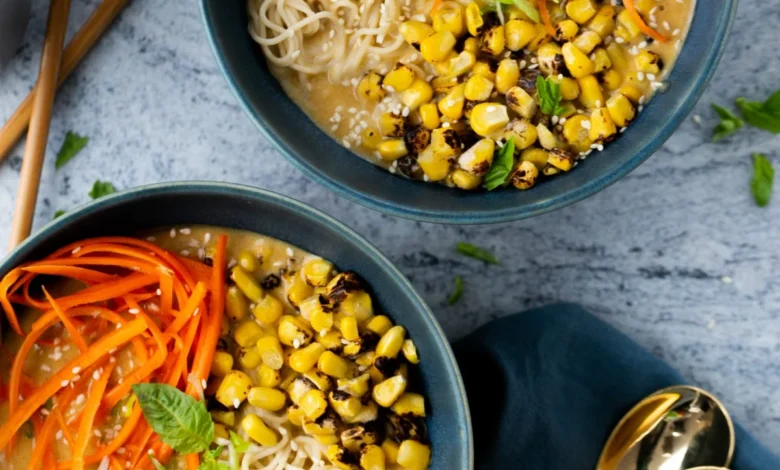
The culinary landscape of plant-based dining has evolved significantly in recent years, shifting away from basic vegetable broths toward deeply complex, rich, and texturally satisfying alternatives. Among the most innovative developments in home kitchens is a unique approach to vegan ramen that bypasses traditional heavy modifiers like coconut milk, soy milk, or tahini in favor of an unexpected yet harmonious pairing: roasted sweet potato and unsweetened peanut butter. Developed by culinary writer Alejandra Graf, this method transforms a standard mushroom, garlic, and ginger broth into a velvety, umami-rich soup that rivals traditional pork or chicken-based tonkotsu broths in depth and mouthfeel.
The Mechanics of Plant-Based Creaminess in Modern Soups
Achieving a luxurious texture in vegan ramen has historically presented a challenge for home cooks. Conventional recipes frequently rely on high-fat dairy substitutes or sesame pastes that can occasionally overwhelm the delicate aromatics of the broth. By introducing roasted sweet potato, cooks gain a dual benefit: the vegetable imparts a natural, subtle sweetness that counterbalances the inherent saltiness of Japanese condiments, while its starches naturally thicken the liquid when blended. Simultaneously, unsweetened peanut butter introduces healthy fats and profound nutty depth, elevating the soup profile without requiring complex preparation steps.
This technique simplifies the cooking process while maximizing flavor extraction. Rather than simmering broths for hours, the base ingredients—mushrooms, onions, garlic, and ginger—are quickly sautéed before being combined with the roasted sweet potato and peanut butter, then processed until completely smooth. The resulting emulsion forms a robust foundation that easily accommodates various dietary preferences, including gluten-free variations when paired with rice and millet noodles.
Chronology and Development of the Recipe
The popularization of alternative ramen broths gained momentum throughout the late 2010s and early 2020s, driven by a surge in home cooking during global shifts toward domestic dining. Culinary creators began experimenting with fusion ingredients that bridged traditional Japanese techniques with accessible, pantry-staple items found in standard grocery stores.
In February 2021, the creamy peanut and sweet potato ramen recipe was formally introduced to home cooking audiences, quickly capturing attention for its efficiency and accessibility. Over the subsequent years, the recipe became a staple within the digital plant-based community, praised particularly by families navigating picky eaters or diverse dietary restrictions. The integration of a customizable tare—the concentrated seasoning sauce added directly to individual bowls rather than the main pot—allowed diners to tailor the sodium and acidity levels to their personal palates, a technique rooted in authentic ramen-ya practices across Japan.

Nutritional Analysis and Dietary Implications
From a nutritional standpoint, this innovative ramen recipe offers a balanced profile that defies the heavy reputation of traditional noodle soups. A standard serving contains approximately 229 calories, paired with 47 grams of complex carbohydrates, 7 grams of protein, and a remarkably low fat content of just 1 gram, with saturated fats kept to a minimum. Furthermore, the dish delivers significant dietary fiber (4 grams) and is exceptionally rich in Vitamin A, driven primarily by the inclusion of nutrient-dense sweet potatoes, which supply nearly 9,000 International Units (IU) per serving.

The use of wholesome ingredients addresses common criticisms of instant or restaurant-style ramen, which are frequently scrutinized for excessive sodium content and refined carbohydrates. By allowing individuals to control the application of the tare—which contributes the primary sodium component—home cooks can significantly reduce their salt intake without sacrificing traditional savory flavor profiles.
Expert Insights and Culinary Adaptability

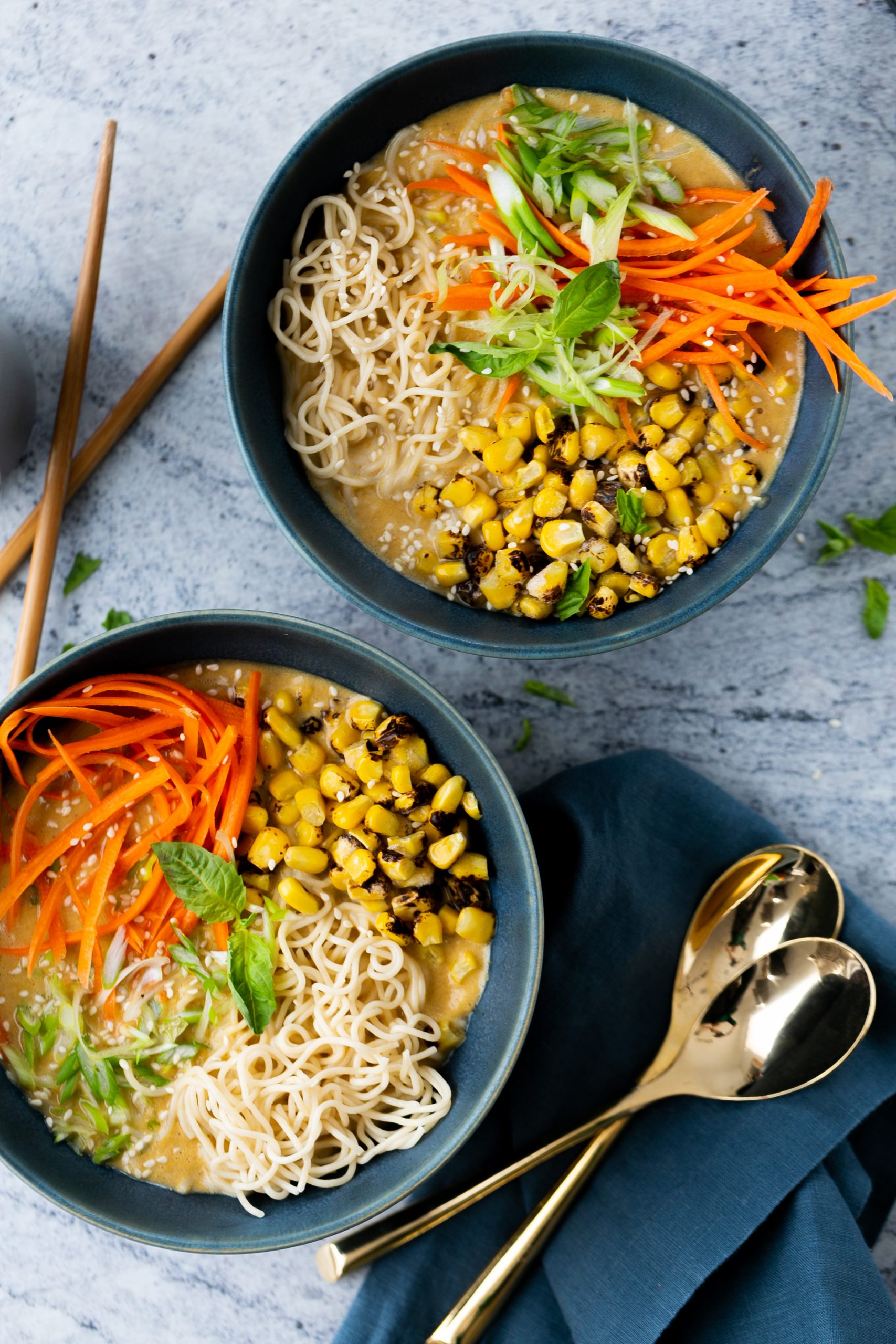
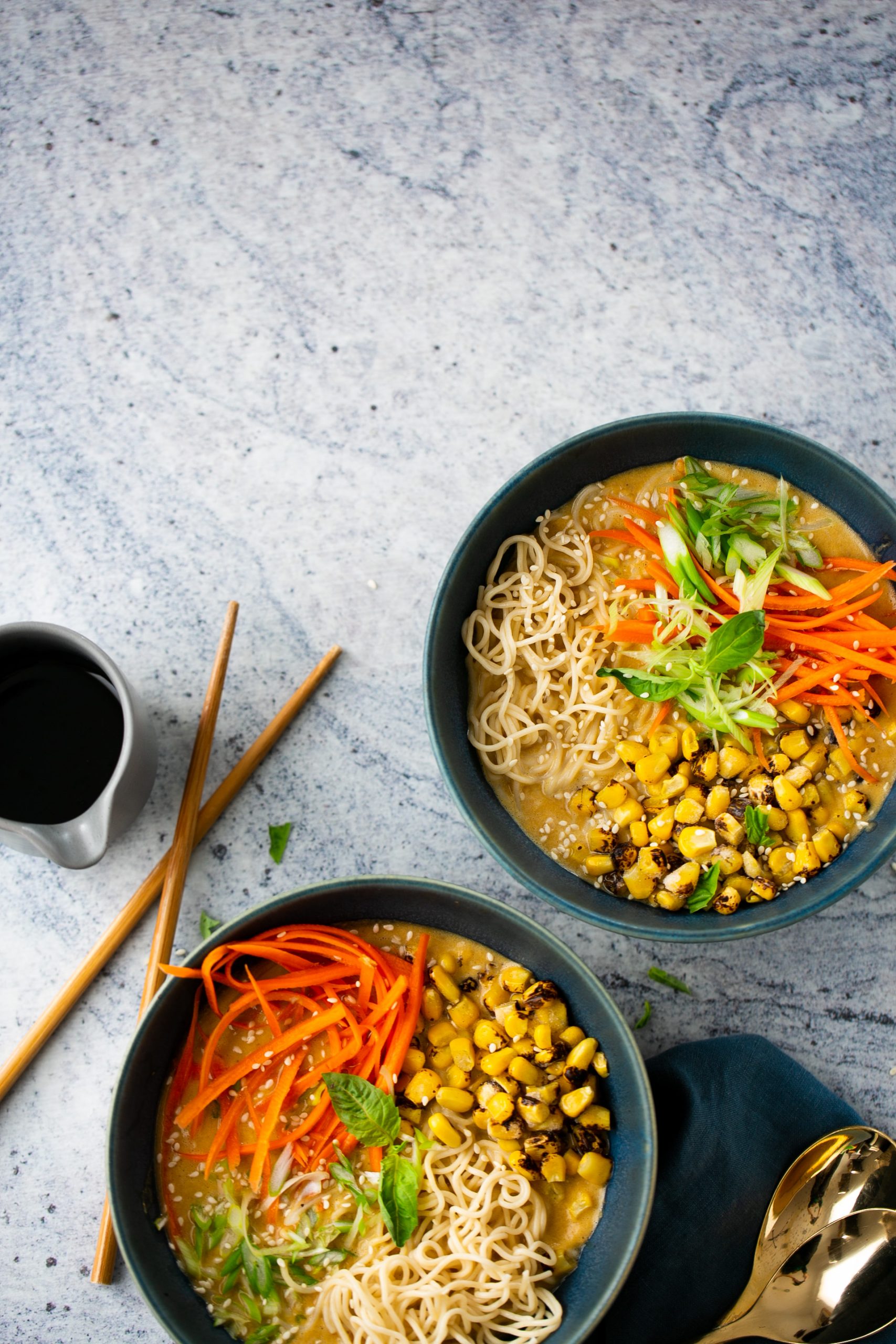
Culinary analysts note that the success of modern plant-based comfort food relies heavily on sensory balance: the interplay between rich fats, bright acids, and contrasting textures. In this recipe, the heavy, velvety nature of the peanut and sweet potato broth is intentionally counterbalanced by fresh, crunchy toppings such as shredded raw carrot, roasted corn, chopped scallions, and fresh herbs.
Professional chefs and recipe developers emphasize the importance of adaptability in contemporary home cooking. The broth can be prepared in bulk and stored safely in a refrigerator for up to one week, or frozen for extended periods, making it a viable option for meal-prep enthusiasts. Additionally, the flexibility of the noodle component—ranging from traditional wheat noodles to gluten-free millet-and-rice blends or spiralized vegetable alternatives—ensures the dish remains accessible to a broad demographic of consumers with specific dietary needs.

Broader Impact on Home Cooking Trends
The rise of accessible, globally-inspired vegan recipes reflects a broader cultural shift toward inclusive dining where plant-based meals are not viewed as restrictive alternatives, but as elevated culinary experiences in their own right. Recipes that utilize everyday pantry items to replicate complex, restaurant-quality dishes empower home cooks to experiment with international flavors without requiring specialized specialty markets. As consumer interest in sustainable, nutrient-dense, and allergen-conscious cooking continues to expand, innovative approaches to classic comfort foods are expected to remain a prominent fixture in modern culinary media.