Unlocking the Authentic Mediterranean Diet: Five Essential Kitchen Staples for Lifelong Health and Wellness

The ongoing global discourse surrounding nutritional science has increasingly converged on a singular, time-tested dietary pattern: the traditional Mediterranean diet. Rejecting the cyclic nature of restrictive wellness fads and rigid macronutrient counting, leading nutritional experts and public health authorities continue to champion this lifestyle not merely as a temporary weight-loss regimen, but as a sustainable blueprint for longevity. Grounded in the culinary traditions of countries bordering the Mediterranean Sea—such as Greece, Italy, and Spain—this dietary pattern has been extensively researched for over half a century, consistently demonstrating remarkable benefits for cardiovascular health, metabolic function, and overall life expectancy.
The Evolution and Historical Context of the Mediterranean Diet
The modern scientific understanding of the Mediterranean diet originated in the mid-20th century, largely pioneered by American physiologist Ancel Keys through the landmark Seven Countries Study, initiated in the late 1950s. Keys and his researchers observed that populations in regions like Crete and Southern Italy experienced remarkably low rates of coronary heart disease compared to their counterparts in the United States and Northern Europe, despite having comparable access to modern medical care.
Subsequent epidemiological research over the ensuing decades reinforced these findings, attributing the observed health outcomes not to a single isolated nutrient, but to the synergistic effect of an entire dietary matrix. This matrix emphasizes abundant plant foods, minimal processing, high consumption of extra virgin olive oil, moderate intake of dairy and fish, and low consumption of red meat and processed sugars. Furthermore, the diet is intrinsically tied to a lifestyle characterized by physical activity, seasonality, and communal dining. In 2010, UNESCO officially recognized this cultural significance by inscribing the Mediterranean diet on its Representative List of the Intangible Cultural Heritage of Humanity, spanning nations including Greece, Italy, Spain, Morocco, Portugal, Cyprus, and Croatia.
Empirical Evidence and Nutritional Implications
Modern clinical trials have continually validated the physiological mechanisms underlying the Mediterranean diet’s efficacy. A pivotal study published in the New England Journal of Medicine—the PREDIMED (PREvención con DIeta MEDiterránea) trial—demonstrated that a Mediterranean diet supplemented with extra virgin olive oil or nuts reduced the incidence of major cardiovascular events by approximately 30% compared to a control diet low in fat.
Public health analysts attribute these outcomes to the unique biochemical profile of the diet. Rich in monounsaturated fatty acids, dietary fiber, polyphenols, and essential micronutrients, the dietary pattern actively modulates inflammatory pathways, improves endothelial function, and supports optimal glycemic control. Unlike low-fat or hyper-restrictive protocols that often lead to nutritional deficiencies or psychological burnout, the Mediterranean model promotes long-term adherence due to its emphasis on palatability, culinary flexibility, and cultural integration.
Five Fundamental Pillars of the Traditional Mediterranean Kitchen
To successfully implement this dietary approach, nutritional experts emphasize five foundational food groups that have sustained Mediterranean populations for generations. These staples serve as the primary building blocks of authentic regional cuisine.
1. Unrefined Whole Grains
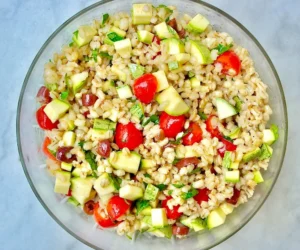
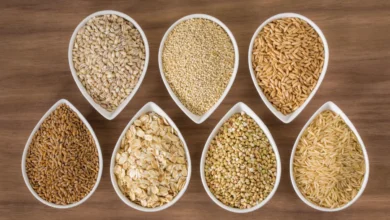
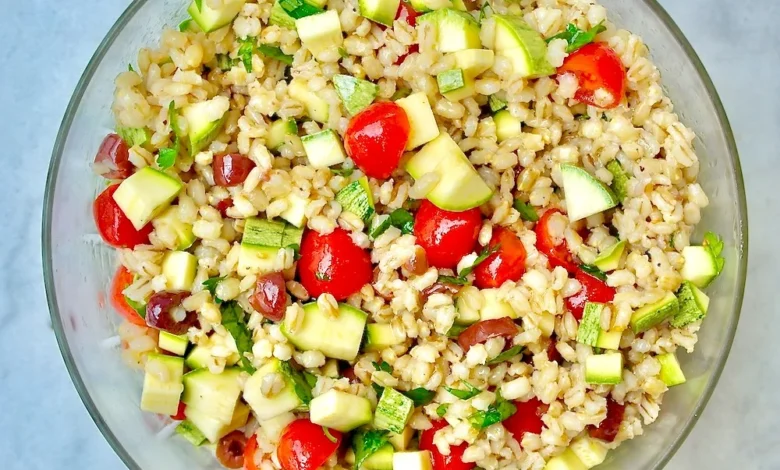
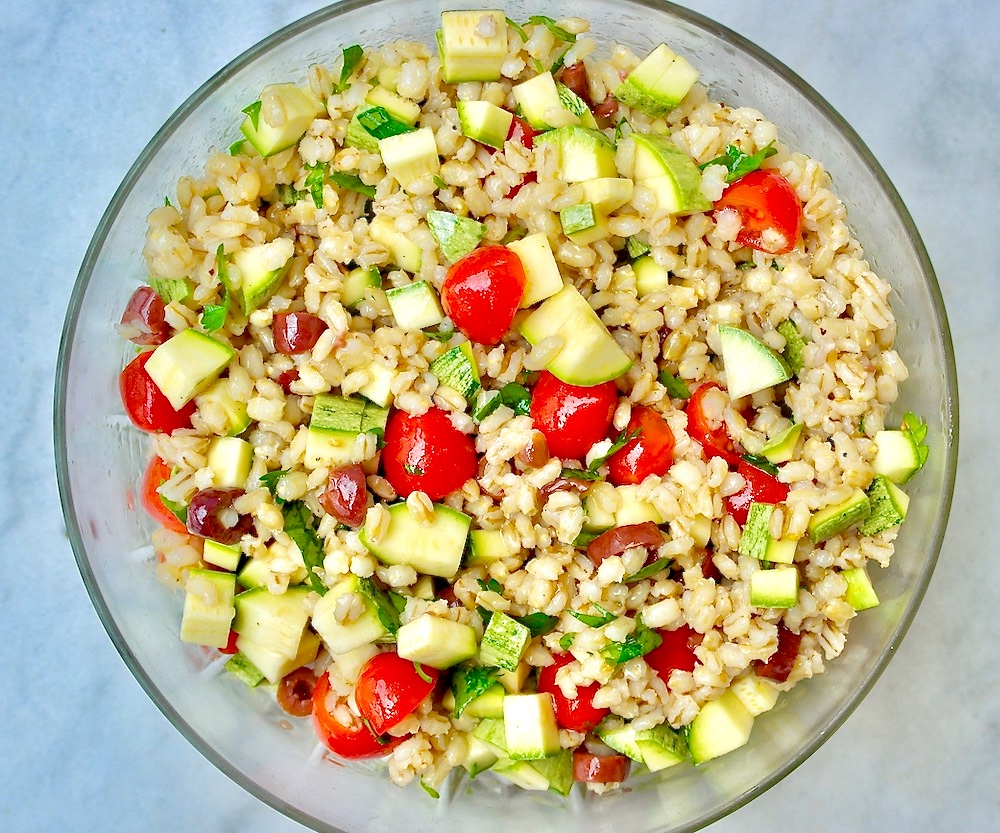
In traditional Mediterranean households, grains are rarely consumed in their highly processed, refined forms. Instead, local staples such as barley, bulgur, farro, spelt, and rustic whole-grain breads occupy a central role in daily meals. Unlike refined grains, which are stripped of the nutrient-dense bran and germ during milling, whole grains retain their complex architecture, providing a steady release of glucose alongside vital B vitamins, minerals, and dietary fiber. Historically, these grains were combined with seasonal vegetables, legumes, fresh herbs, and olive oil to create hearty, nutrient-dense dishes that ensure prolonged satiety and digestive health.
2. Oregano and Aromatic Herbs
Herbs and spices in the Mediterranean culinary tradition perform a dual function: they elevate the sensory profile of simple ingredients and deliver concentrated bioactive compounds. Dried Greek oregano, in particular, is celebrated for its robust aroma and potent antioxidant properties. Rich in phenolic compounds such as carvacrol and thymol, oregano and similar herbs allow home cooks to maximize flavor without relying on heavy cream-based sauces, excessive sodium, or processed flavor enhancers. This culinary practice bridges the gap between preventative healthcare and gastronomy, making nutrient-dense whole foods deeply enjoyable.
3. Traditional Fermented Dairy (Greek Yogurt)
Dairy consumption in the Mediterranean context—exemplified by authentic strained Greek yogurt—differs significantly from industrialized, highly sweetened dairy products common in Western markets. Historically treated as an everyday staple rather than a specialized dietary supplement, traditional yogurt is thick, creamy, and naturally rich in protein, calcium, and bioactive peptides. Furthermore, varieties containing live and active bacterial cultures support gastrointestinal microbiome diversity, which emerging immunological and gastroenterological research links to systemic health and metabolic regulation.
4. Extra Virgin Olive Oil as the Dietary Foundation
Extra virgin olive oil (EVOO) represents the undisputed cornerstone of Mediterranean culinary architecture. Epidemiological data indicates that populations in regions like Greece maintain the highest per capita consumption of olive oil globally. Unlike refined vegetable oils produced via chemical extraction, extra virgin olive oil is mechanically pressed, preserving its high concentration of monounsaturated fatty acids (primarily oleic acid) and a diverse array of polyphenols. Public health bodies emphasize that a truly Mediterranean dietary pattern cannot be low-fat; the generous inclusion of EVOO is essential not only for its cardiovascular benefits, but also for its ability to enhance the bioavailability of fat-soluble vitamins found in vegetables, thereby facilitating higher consumption of nutrient-dense produce.
5. Seasonal, Plant-Forward Produce
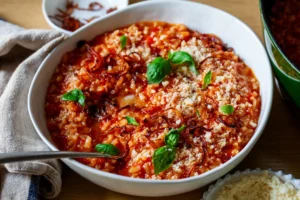
Vegetables—ranging from nightshades like tomatoes, eggplants, and bell peppers to cruciferous varieties, leafy greens, and root vegetables—form the absolute bulk of traditional Mediterranean plates. Rather than serving as a minor side dish, produce is frequently prepared as the main course through methods such as slow-simmering in tomato-and-olive-oil bases (known in Greek cuisine as ladera), roasting, or stuffing with rice and herbs. This vegetable-forward approach guarantees a high intake of dietary fiber, vitamins A, C, and K, and thousands of unique phytochemicals that protect cellular integrity and mitigate chronic systemic inflammation.
Broader Socio-Economic and Public Health Impact
As global healthcare systems grapple with the rising prevalence of non-communicable chronic conditions—such as type 2 diabetes, obesity, and cardiovascular disease—public health officials are increasingly looking toward dietary interventions that emphasize sustainability over short-term compliance. The widespread adoption of the Mediterranean diet model offers a scalable strategy for reducing healthcare expenditure associated with diet-related illnesses.
Nutrition economists and environmental scientists also highlight the ecological alignment of the Mediterranean model. By prioritizing locally sourced, seasonal plant foods, whole grains, and modest portions of responsibly harvested fish and animal products, this dietary pattern generally carries a lower carbon footprint compared to industrial, meat-heavy Western diets.
Ultimately, translating the Mediterranean diet into modern daily life requires a return to foundational culinary principles: prioritizing minimally processed whole foods, embracing culinary fats of high biological value, utilizing aromatic herbs for flavor, and viewing mealtime as a deliberate, social ritual rather than a mechanical act of fueling. Through this integrated perspective, the traditional Mediterranean lifestyle remains a vital, scientifically validated framework for achieving optimal human health and longevity.