Yukhoe Kimbap: A Culinary Fusion Redefining Korean Beef Tartare in Modern Gastronomy

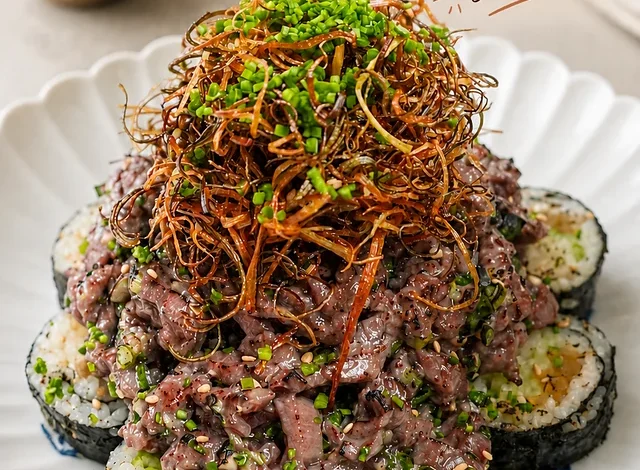
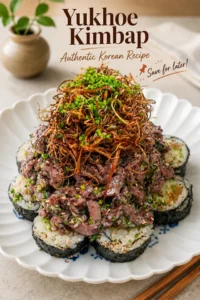
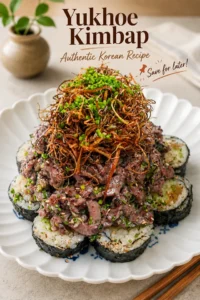
The evolution of Korean cuisine on the global stage has long been characterized by a delicate balance between traditional preservation techniques and contemporary innovation. Among the most recent developments in this culinary movement is the emergence of Yukhoe Kimbap, a sophisticated fusion dish that synthesizes the ancient preparation of Korean beef tartare—known as yukhoe—with the convenience and structure of the classic kimbap roll. This dish, which originated in small-scale, exclusive supper club settings in Paris, has rapidly transitioned into a hallmark of modern Korean fine-casual dining, representing a significant shift in how raw, high-quality proteins are integrated into handheld street-food formats.

The Historical and Culinary Context of Yukhoe
To understand the significance of this fusion, one must first look at the history of yukhoe itself. Derived from the words "yuk" (meat) and "hoe" (raw dish), yukhoe has been a staple of Korean banquet culture for centuries. Historically, the dish was reserved for occasions requiring high-protein nourishment, often utilizing lean cuts such as top round or eye of round, which were seasoned with aromatic oils, soy sauce, and garlic.

In its traditional iteration, yukhoe is frequently accompanied by julienned Korean pear (bae), which provides a crisp, saccharine contrast to the savory, umami-rich profile of the raw beef. The addition of egg yolk further emulsifies the dish, creating a creamy texture. While the dish has remained largely unchanged in Korean households and specialized restaurants for generations, the modern adaptation into a kimbap format—typically defined by seasoned rice wrapped in roasted seaweed (nori)—marks a departure from the traditional plate-based service, turning a communal dish into a modular, bite-sized experience.

Architectural Composition and Preparation Methodology
The structural integrity of Yukhoe Kimbap relies on a meticulous separation of components. Unlike traditional kimbap, where all ingredients are bound together inside the seaweed, the yukhoe variation utilizes a "base-and-topping" architecture. The interior roll consists of seasoned rice, pickled radish (danmuji), cucumber, and Korean pear. The absence of traditional cooked fillings inside the roll prevents the moisture from the beef from compromising the texture of the nori, which can become soggy if exposed to raw proteins for extended periods.

The preparation process involves a strict adherence to food safety and texture management. Culinary experts emphasize that the beef must be sliced against the grain while partially frozen to ensure a tender mouthfeel. The accompanying sauce—an emulsion of sesame oil, soy sauce, and aromatic garlic—is traditionally withheld until the moment of service. This practice ensures that the acidity and salt content of the seasoning do not "cure" or break down the meat prematurely, maintaining the integrity of the raw protein.

The Rise of the "Crispy" Element: Green Onion Oil Innovation
A defining feature of contemporary iterations of this dish is the inclusion of fried green onion. By flash-frying julienned scallions in avocado oil at precisely 160°C (320°F), chefs are able to introduce a secondary, crunch-based texture profile that is otherwise missing from the soft composition of raw beef and vinegared rice. Beyond the immediate sensory benefit, this process yields a byproduct: high-quality green onion oil.

In professional kitchens, this oil is treated as a foundational ingredient for subsequent sauces, reflecting a broader industry trend toward "zero-waste" culinary practices. The utilization of this oil to finish the yukhoe sauce creates a bridge between the cooked elements of the dish and the raw, bridging the flavor gap that often exists in fusion cuisine.

Market Trends and Consumer Reception
The popularity of this dish reflects a broader consumer interest in "elevated comfort food." According to data from international culinary market research, there has been a 15% increase in consumer demand for "raw-protein-forward" appetizers in urban markets over the past 24 months. This trend is driven by a demographic that values the high nutritional density of lean beef while seeking the aesthetic presentation typical of high-end sushi and tartare bars.

The "supper club" origin of this dish, specifically in cities like Paris, suggests that the appeal of Yukhoe Kimbap lies in its versatility. It is being positioned as a "small plate" option that allows for the scalability of ingredients. Unlike a full-sized bibimbap, which requires a bowl and utensils, the kimbap format is inherently social, fitting well within the "shared-plate" dining culture that has become prevalent in both Seoul and major Western metropolitan hubs.

Challenges and Professional Best Practices
The primary challenge in the widespread adoption of Yukhoe Kimbap remains the sourcing of high-grade raw beef. Because the preparation bypasses the sterilization process of heat, practitioners must adhere to strict cold-chain management. In the professional kitchen, this necessitates:

- Sourcing: Utilizing only Grade-A, pathogen-free beef sourced from reputable purveyors who are informed of the end-use.
- Temperature Control: Maintaining the beef at temperatures below 4°C (40°F) until the moment of final seasoning.
- Timeline: Reducing the duration between the final seasoning of the beef and the assembly of the roll to under five minutes.
These practices have led to an increase in specialized training for chefs who wish to feature the dish on their menus, as the margin for error in handling raw proteins is significantly thinner than with cooked alternatives.

Implications for Future Fusion Cuisine
The emergence of Yukhoe Kimbap signifies a maturing of the Korean culinary export market. Rather than diluting traditional dishes to fit foreign palates, this dish demonstrates a sophisticated mastery of the original components, reconfigured to address modern consumption habits.

If current trends continue, it is likely that variations of this dish—perhaps incorporating alternative proteins like tuna or high-grade salmon, or experimenting with regional variations of the pickling brine—will become a fixture in upscale Korean fusion establishments. The dish serves as a testament to the fact that when traditional ingredients are handled with a rigorous understanding of their chemical and textural properties, they can be successfully adapted into entirely new formats without losing the cultural identity that made them significant in the first place.

As chefs continue to experiment with torching, smoking, or nitrogen-cooling the beef top-layer, the boundaries of what constitutes "traditional" yukhoe will continue to expand. For now, the dish remains a vibrant example of how global culinary boundaries are becoming increasingly porous, allowing for the birth of high-concept dishes that are as technically demanding as they are satisfying to the consumer.