Beyond the Traditional Pie: A Comprehensive Guide to Seasonal Pumpkin Culinary Innovation

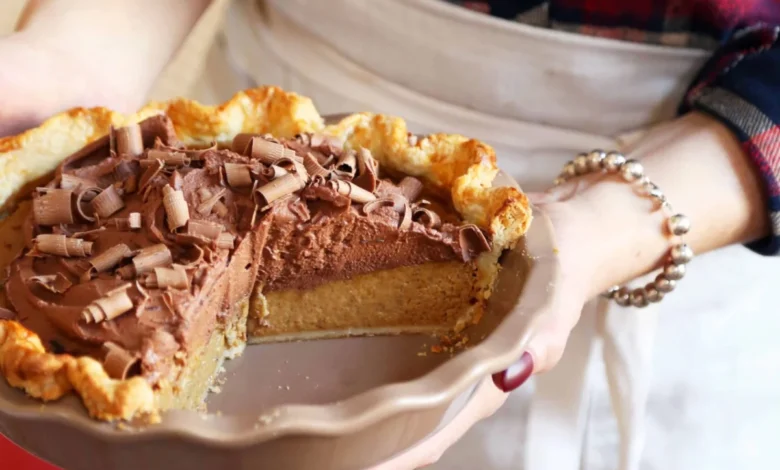
As the autumnal equinox marks the official commencement of the fall season, consumer interest in pumpkin-based culinary applications undergoes a significant annual surge. While traditional pumpkin pie remains the cornerstone of holiday celebrations in North America, recent trends in home baking and commercial patisserie indicate a pivot toward diversifying the use of Cucurbita pepo. Data from the National Agricultural Statistics Service underscores that the United States produces over 1.5 billion pounds of pumpkins annually, with a substantial portion of this harvest designated for the processing market, primarily serving the baking and canned goods sectors. This report examines the evolution of pumpkin-centric desserts, moving beyond the standard custard-based pie toward a broader repertoire of baked goods, including sheet cakes, enriched breads, and complex, no-bake layered confections.
Historical Context and Market Evolution
The ubiquity of the pumpkin in fall culinary traditions is deeply rooted in the agricultural cycles of the temperate climate zones. Historically, the pumpkin was utilized as a shelf-stable starch during the winter months. In the modern era, the "pumpkin spice" phenomenon has catalyzed a multi-billion dollar industry that extends far beyond the traditional Thanksgiving table. Market analysts at the Specialty Food Association note that seasonal flavors often act as a barometer for consumer confidence, with "comfort baking" seeing an uptick during periods of economic transition or seasonal cooling.
The transition from a single-application ingredient to a versatile baking staple has been facilitated by the democratization of culinary techniques via digital platforms. Where previously home bakers were limited to regional family recipes, the current landscape allows for the rapid dissemination of advanced techniques, such as the use of brown butter, infusion of maple-based glazes, and the adaptation of European techniques like the tiramisu to include native American squash varieties.

Categorical Analysis of Modern Pumpkin Baking
The diversification of pumpkin-based desserts can be categorized into four primary streams: communal service cakes, high-moisture breads, portion-controlled bars, and sophisticated, project-based desserts.
Communal Service and High-Yield Baking
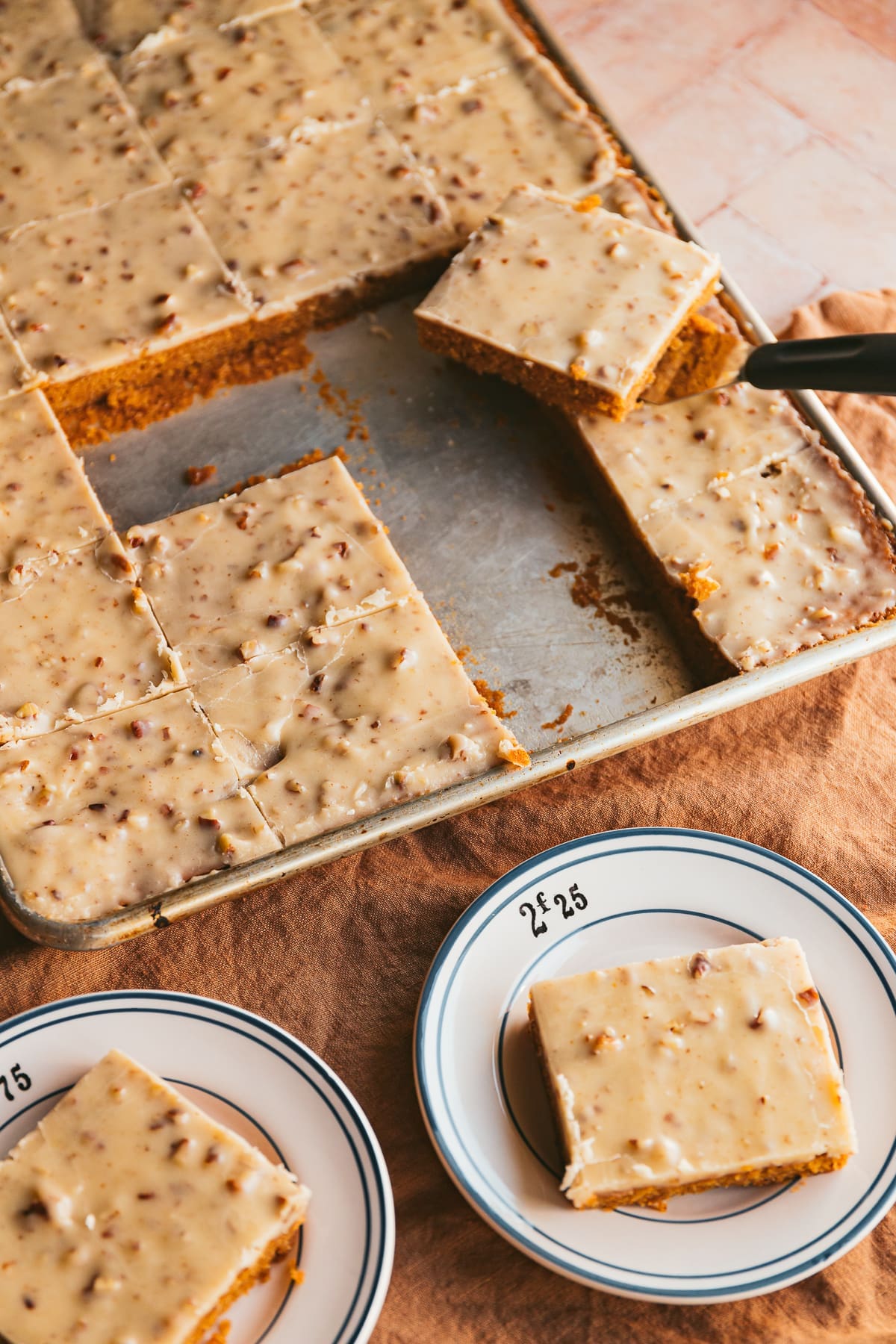
For large-scale social gatherings, the industry trend has shifted toward sheet-style cakes. These preparations, such as the brown-butter pumpkin Texas sheet cake, offer a higher surface-area-to-volume ratio than traditional deep-dish pies. This allows for more even heat distribution during the baking process and provides an ideal canvas for nut-infused crumb toppings and savory-sweet frostings. Nutritional professionals often note that such preparations allow for the incorporation of fiber-rich pumpkin purée while utilizing leavening agents that result in a lighter, more aerated crumb structure compared to the dense consistency of a standard custard.

The Preservation of Moisture in Bread Applications
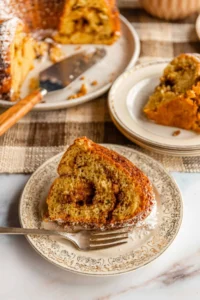
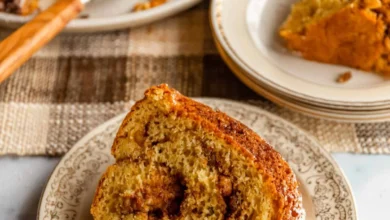
Pumpkin bread occupies a unique niche in the baking sector, characterized by its long-term stability and moisture retention. Unlike cakes, which may stale within 24 to 48 hours, the high pectin content in pumpkin purée acts as a natural humectant. When combined with traditional fats and walnuts—which contribute both structural integrity and a necessary contrast in texture—the resulting product remains shelf-stable for several days. This makes it an ideal commodity for both gifting and mass-produced grab-and-go breakfast options.
Precision and Portability: The Bar and Cookie Segment
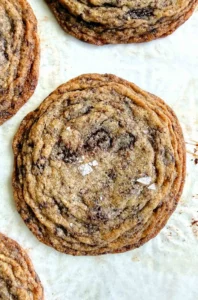
The move toward bars and cookies represents a shift in consumer demand for portion control and convenience. Pumpkin pie bars, which utilize a shortbread or graham-cracker crust, allow for the reduction of preparation time by eliminating the need for delicate pastry crimping. Similarly, the development of "pillowy" pumpkin chocolate chip cookies marks a departure from the snap-style cookie, focusing instead on the soft, cake-like texture achieved through high-moisture ingredients.

The introduction of maple-based glazes and the use of the black-and-white cookie format—traditionally a staple of New York-style delis—showcases a fusion of regional American baking traditions. These products often command a premium in the artisan market, as they require a more precise balance of acidity and sweetness to ensure the maple notes are not obscured by the earthy profile of the squash.
Advanced Culinary Techniques and Professional Integration
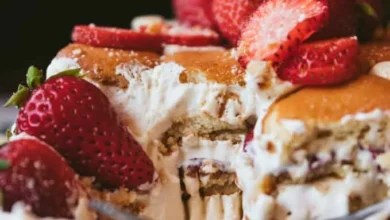
The upper echelon of modern pumpkin desserts often involves complex, no-bake, or custard-based applications. The pumpkin spice tiramisu, for instance, replaces the traditional coffee-soaked ladyfingers with a spice-infused variant, demonstrating how global dessert formats can be successfully localized.

Furthermore, heritage recipes such as the Louisiana tarte a la bouillie serve as a reminder of the historical significance of custard pies in regional American culture. These projects require a higher level of technical skill, involving the slow cooking of a cornstarch-thickened custard. Culinary historians suggest that such recipes are seeing a resurgence as home bakers seek to reconnect with "slow-food" traditions that prioritize craftsmanship over speed.
Economic and Supply Chain Implications
The reliance on pumpkin as a seasonal anchor has significant implications for the supply chain. Suppliers of canned pumpkin purée face intense pressure during the Q4 window, as demand frequently exceeds domestic supply, leading to increased reliance on international imports or the use of substitute winter squashes, such as butternut, which provide a similar color and sugar profile.

Professional bakers and pastry chefs have observed that the increased focus on quality ingredients—specifically the browning of butter and the sourcing of high-grade autumnal spices—has elevated the perception of pumpkin from a low-cost seasonal filler to a premium ingredient. This trend is further supported by the rise in popularity of "Thanksgiving prep" guides, which streamline the labor-intensive process of coordinating multiple dessert courses for a single event.
Broader Impact on Consumer Behavior
The shift toward a wider variety of pumpkin desserts suggests a more sophisticated consumer base. No longer content with the single-flavor profile of nutmeg and clove, the modern baker is experimenting with the intersection of savory and sweet. This is evidenced by the inclusion of pecans, brown butter, and dark chocolate in recipes previously dominated by cinnamon.

Industry experts predict that as the season extends, we will see an increase in "functional" pumpkin baking—incorporating seeds for protein, using almond flours for gluten-free applications, and exploring the use of non-refined sugars like maple syrup and honey to appeal to health-conscious demographics.
Conclusion and Future Outlook
The diversification of pumpkin-based desserts is not merely a passing trend, but a reflection of the evolving nature of the American kitchen. By embracing a spectrum of textures, from the dense, moist loaf to the light, whipped tiramisu, the modern baker has ensured that the pumpkin remains relevant well beyond the traditional Thanksgiving centerpiece. As regional recipes are rediscovered and global formats are adapted, the pumpkin continues to serve as a vital component in the seasonal culinary landscape.

For those planning upcoming holiday menus, the focus remains on thematic consistency—balancing the familiar, comforting flavors of the harvest season with innovative presentations that cater to a wide array of dietary preferences and social contexts. The continued documentation of these recipes, particularly in digital formats, ensures that the evolution of the pumpkin dessert will remain a dynamic and ongoing process for seasons to come.
Related posts: