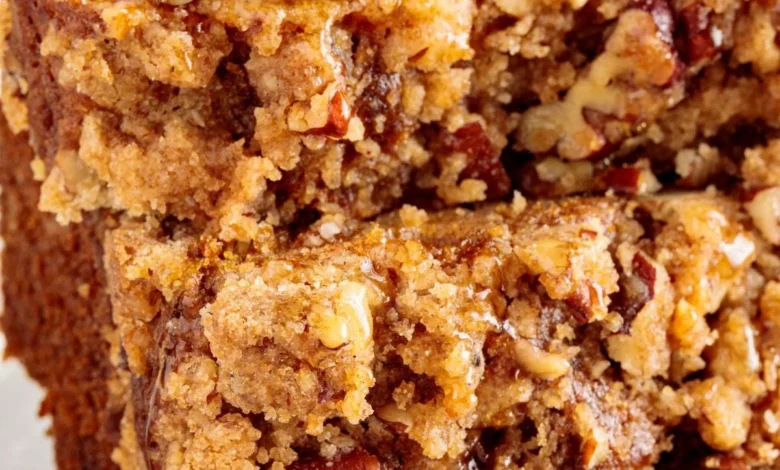
Culinary traditions often evolve from the clever repurposing of everyday agricultural staples, and the latest trend in autumnal baking exemplifies this ingenuity through the commercial and domestic embrace of root vegetable-based pastry. The emergence of seasonal comfort foods has directed renewed consumer focus toward the sweet potato (Ipomoea batatas), moving it from a savory dinner side dish into the realm of artisan bakery items. Culinary experts and home bakers alike are increasingly turning toward recipes that combine dense, nutrient-rich vegetables with traditional quick-bread techniques, resulting in items like the sweet potato loaf cake adorned with maple-glazed pecan streusel. This development reflects broader shifts in home economics and baking preferences toward moisture-retaining ingredients that extend shelf life and enhance nutritional profiles without sacrificing flavor.
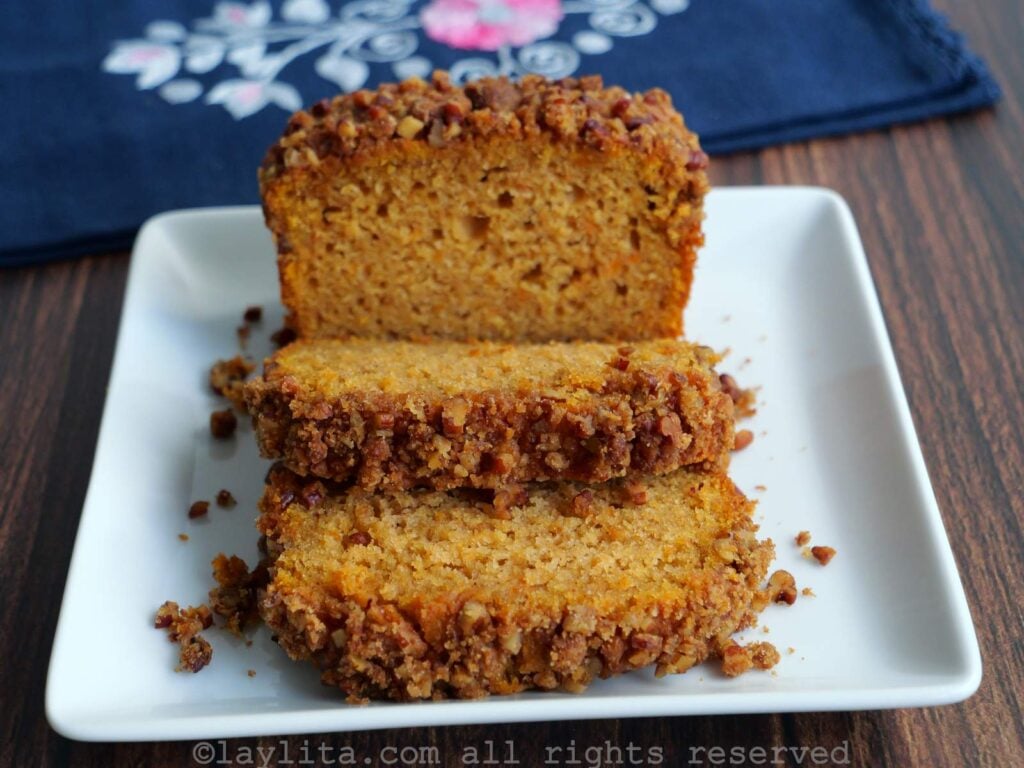
The historical trajectory of incorporating vegetables into sweet baked goods dates back centuries, tracing roots to periods of economic scarcity and wartime rationing when traditional baking fats and sugars were limited. During the 19th and early 20th centuries, ingredients like pumpkin, squash, and sweet potatoes were frequently utilized in European and American households to add natural sweetness, color, and moisture to breads and cakes. Over successive generations, these functional baking necessities transformed into deliberate culinary choices associated with autumn, harvest festivals, and holiday gatherings. The contemporary adaptation—featuring a velvety crumb, aromatic warming spices, and a textured nut topping—stands as a modern refinement of these heritage recipes, bridging the gap between traditional comfort food and modern gourmet baking standards.
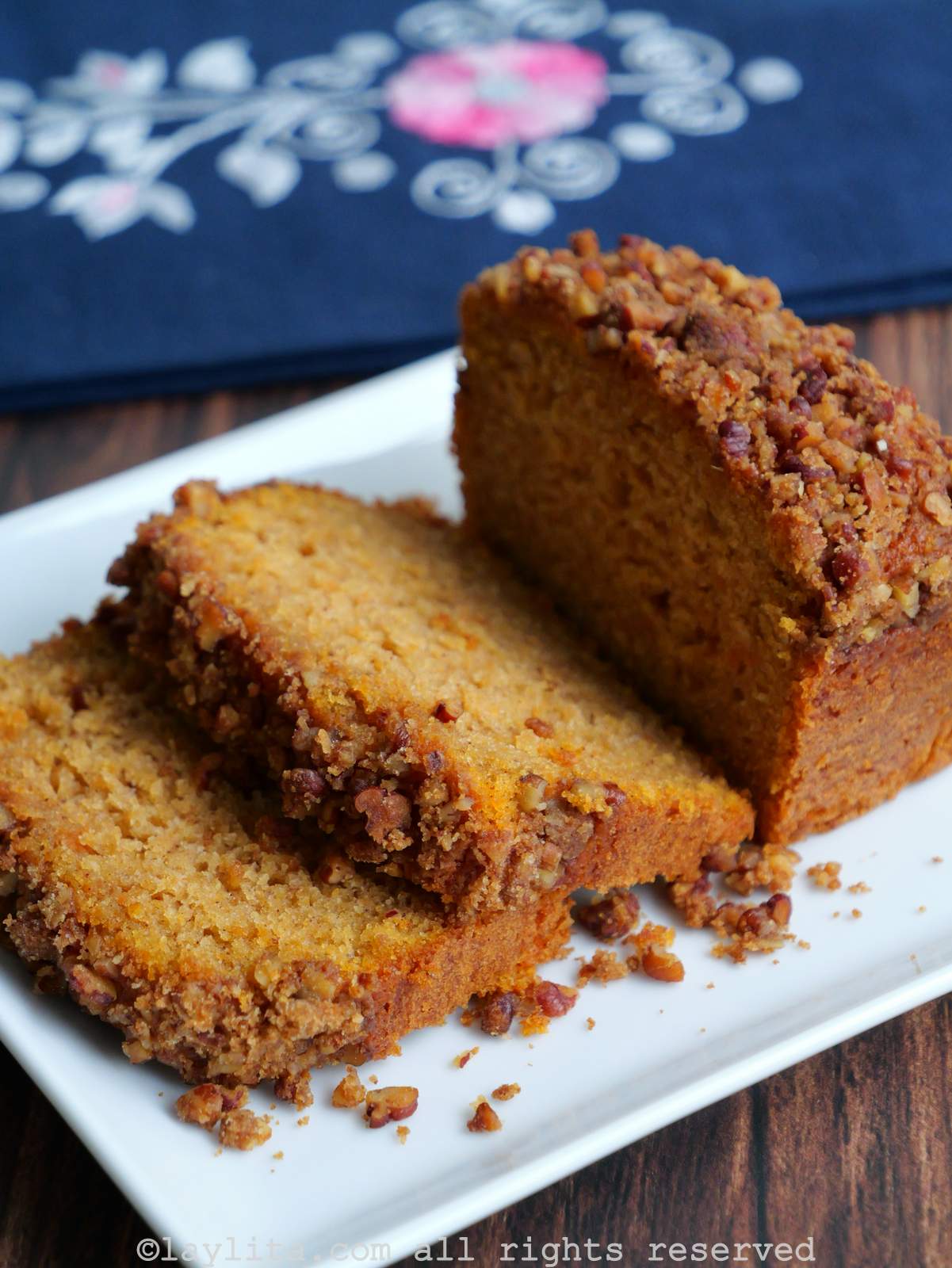
From a nutritional and chemical standpoint, integrating mashed sweet potato into a quick-bread batter provides distinct structural and sensory advantages. Sweet potatoes are rich in dietary fiber, complex carbohydrates, beta-carotene, and essential vitamins such as A and C. When incorporated into a flour-based matrix alongside sour cream, eggs, and cooking oil, the natural starches and moisture content of the vegetable interact with the gluten network to create a tender, velvety crumb that resists drying out. Furthermore, the inclusion of acidic components like sour cream activates leavening agents efficiently, ensuring a uniform rise while balancing the inherent sweetness of the vegetable and the accompanying maple syrup glaze.
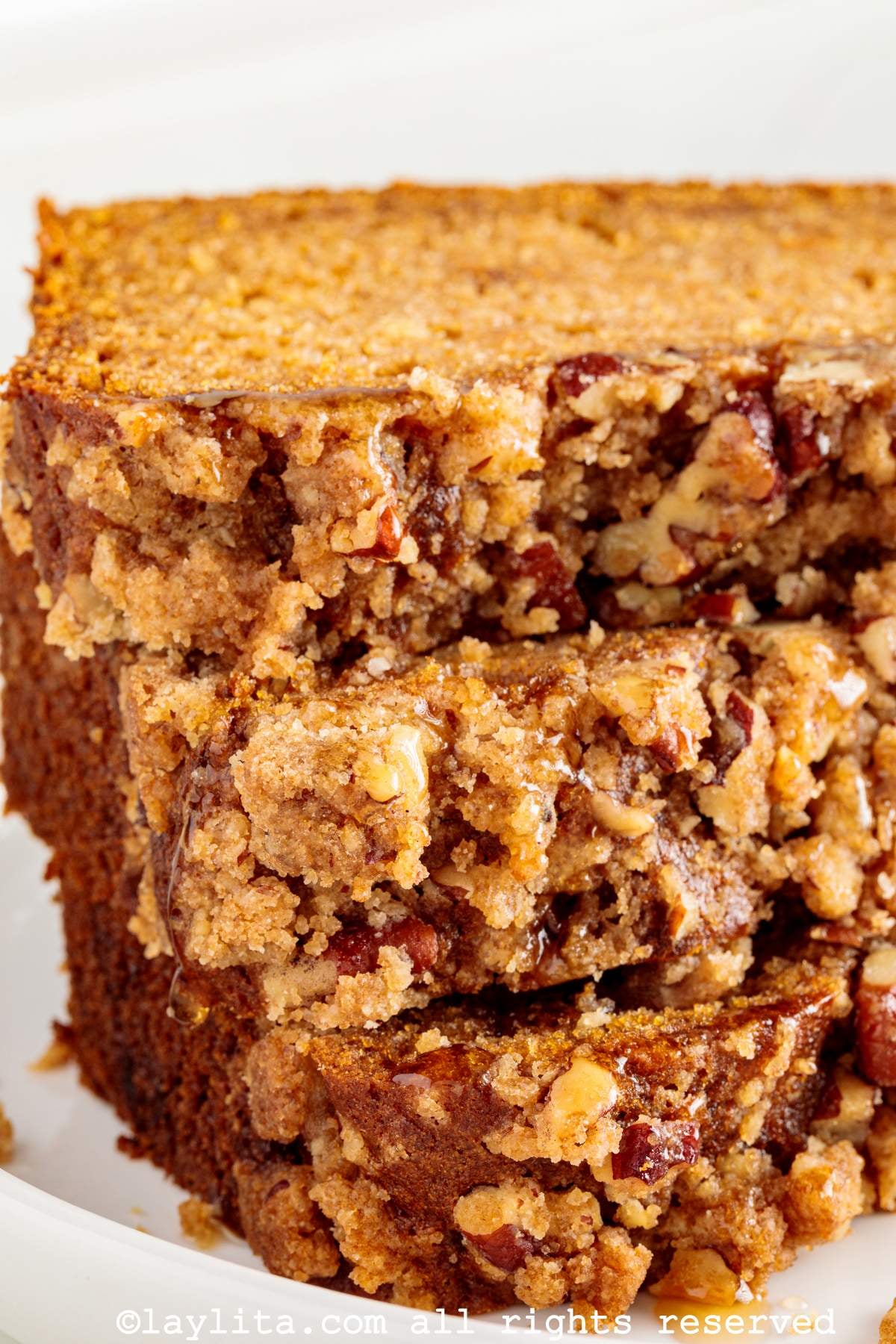
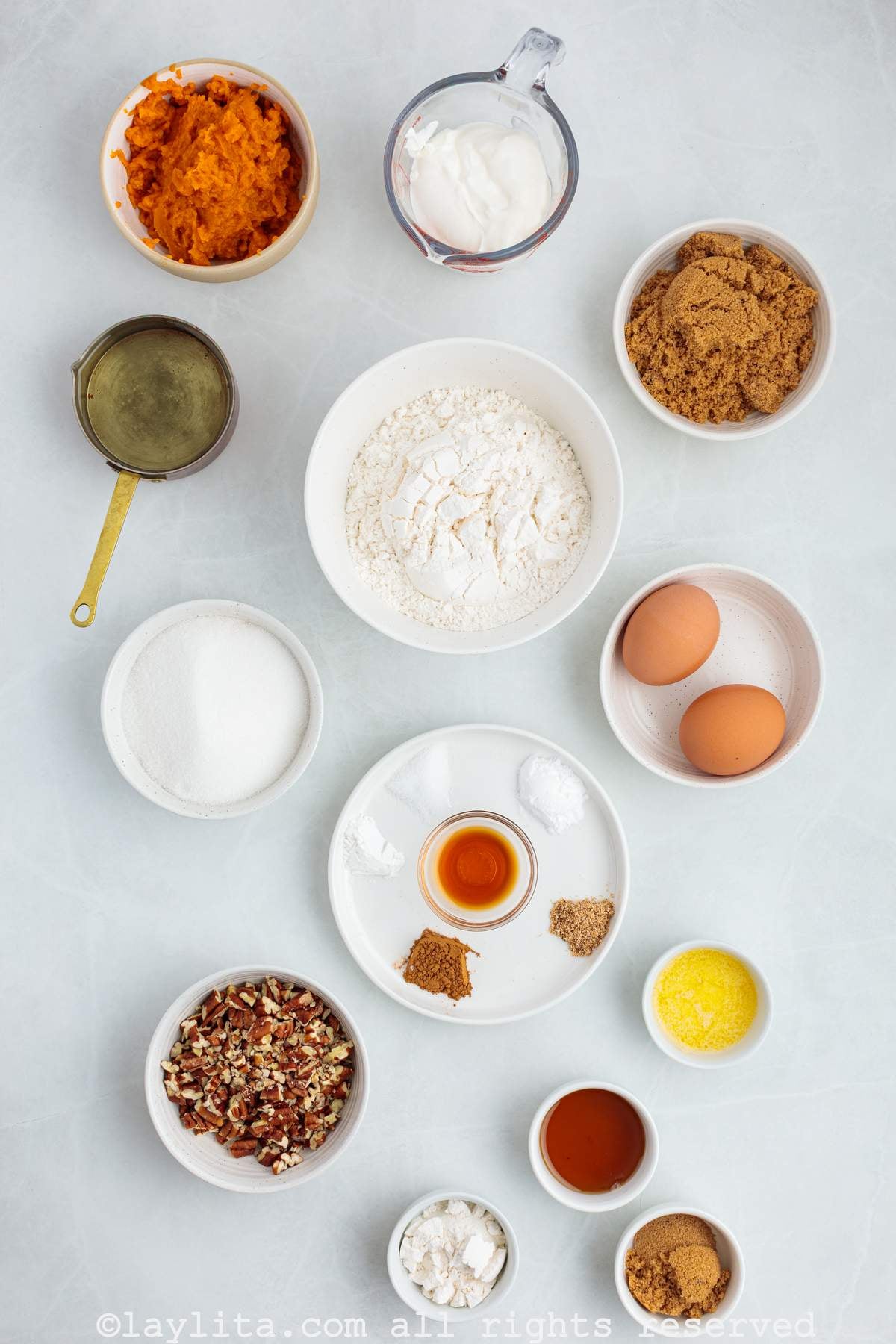
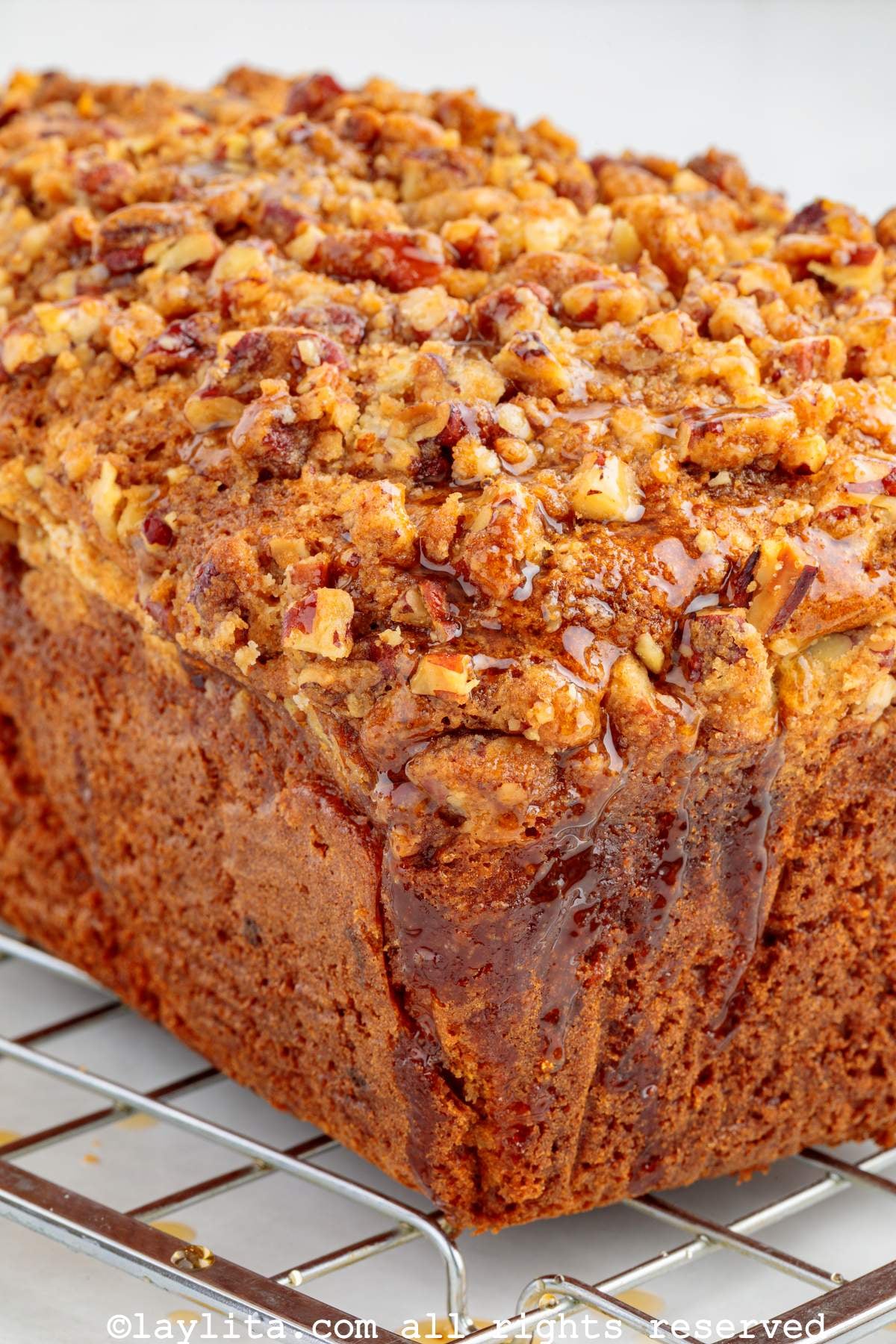
The preparation methodology requires precise execution to achieve the desired textural contrast between the tender interior and the crisp, buttery streusel topping. Culinary professionals recommend beginning with thoroughly roasted or steamed sweet potatoes that have been pureed to a smooth consistency, ensuring no fibrous strands remain to disrupt the cake’s crumb. The process typically follows standard quick-bread protocols: wet ingredients—including mashed sweet potato, neutral oil, eggs, vanilla extract, and sour cream—are whisked together separately from the dry components, which comprise all-purpose flour, granulated sugar, baking powder, baking soda, and a blend of spices such as cinnamon and nutmeg. Gentle folding of the two mixtures prevents overdevelopment of gluten, which can lead to a dense or rubbery texture. Once transferred to a greased loaf pan, the batter is crowned with a streusel mixture made from chopped pecans, butter, flour, and sugar, and finished immediately upon removal from the oven with a brush of pure maple syrup to lock in moisture and impart a glossy sheen.
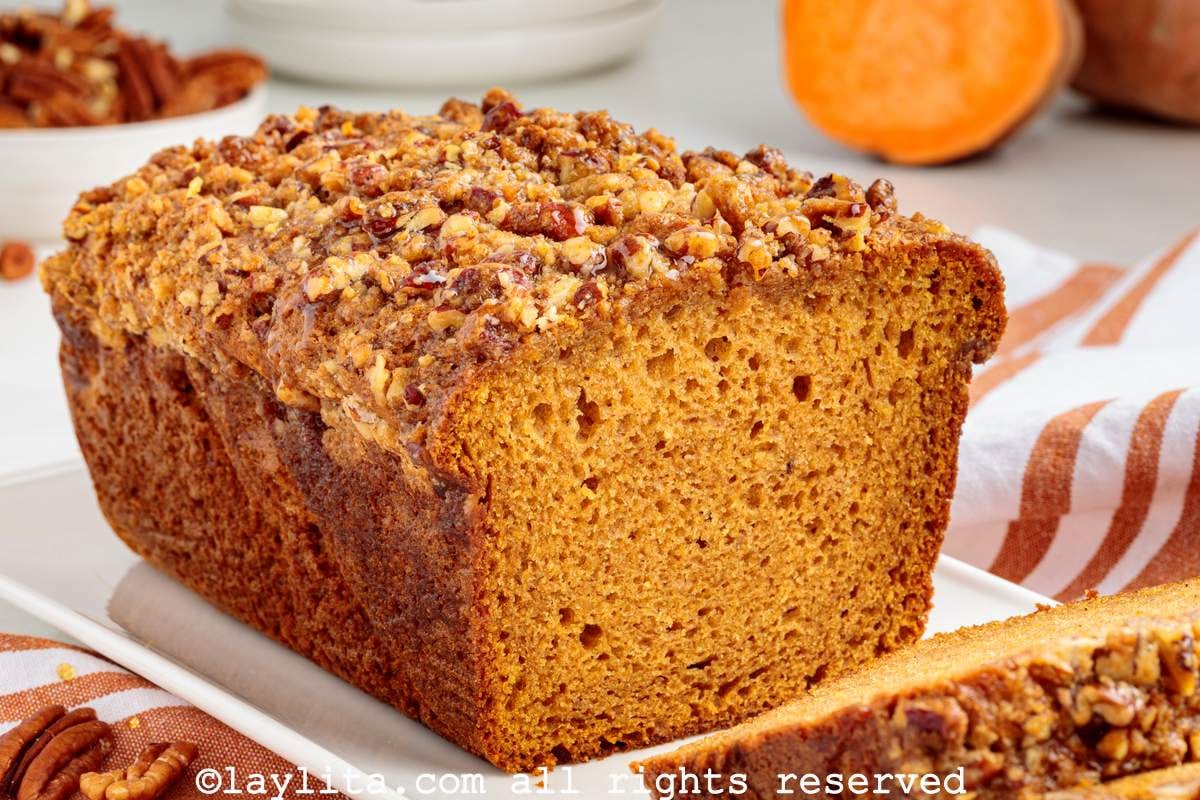
Market analysts monitoring consumer food trends note a consistent rise in the popularity of heritage-inspired baked goods, particularly during the fourth quarter of the calendar year. According to culinary trend reports from major food industry associations, consumer demand for comfort foods featuring recognizable, whole-food ingredients has grown steadily over the past five years. This shift is driven by an increasing consumer preference for transparent ingredient labels and home-cooking experiences that evoke nostalgia and warmth. The versatility of sweet potato loaves—serving equally well as a morning accompaniment to coffee, an afternoon snack, or a light dessert—has cemented its status as a staple in seasonal baking repertoires.
Chefs and professional bakers emphasize several critical variables for achieving optimal results when producing sweet potato loaf cakes on either a home or commercial scale. Temperature control is paramount; utilizing room-temperature eggs and dairy products ensures proper emulsion within the batter, while ensuring the sweet potato puree is completely cooled prevents premature activation of leavening agents or premature cooking of the eggs. Additionally, bakers must monitor baking times closely, utilizing a wooden skewer or digital thermometer to verify that the internal temperature has reached the appropriate threshold, thereby mitigating the risk of a slightly sunken center—a common phenomenon in high-moisture quick breads.
The broader implications of the sweet potato baking trend extend into agricultural and economic sectors, where demand for specific crop varieties remains robust year-round. As consumers increasingly seek out nutrient-dense alternatives to standard refined-flour pastries, farmers and distributors continue to adapt supply chains to meet the requirements for uniform, high-sugar sweet potato cultivars ideal for roasting and pureeing. This symbiotic relationship between agricultural production and culinary innovation underscores the enduring appeal of traditional ingredients reimagined through contemporary culinary techniques, ensuring that heritage-based comfort foods remain a vibrant component of modern gastronomy.