Dulce de Tayota (Chayote in Spiced Syrup): Exploring the Culinary Evolution and Global Appeal of a Caribbean Delicacy

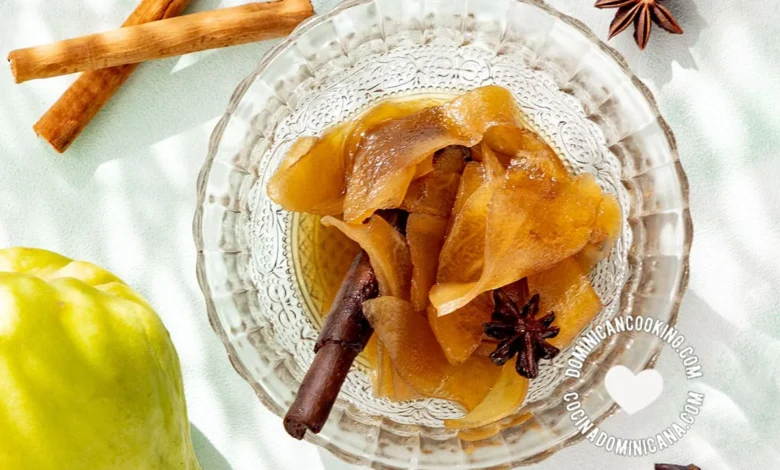
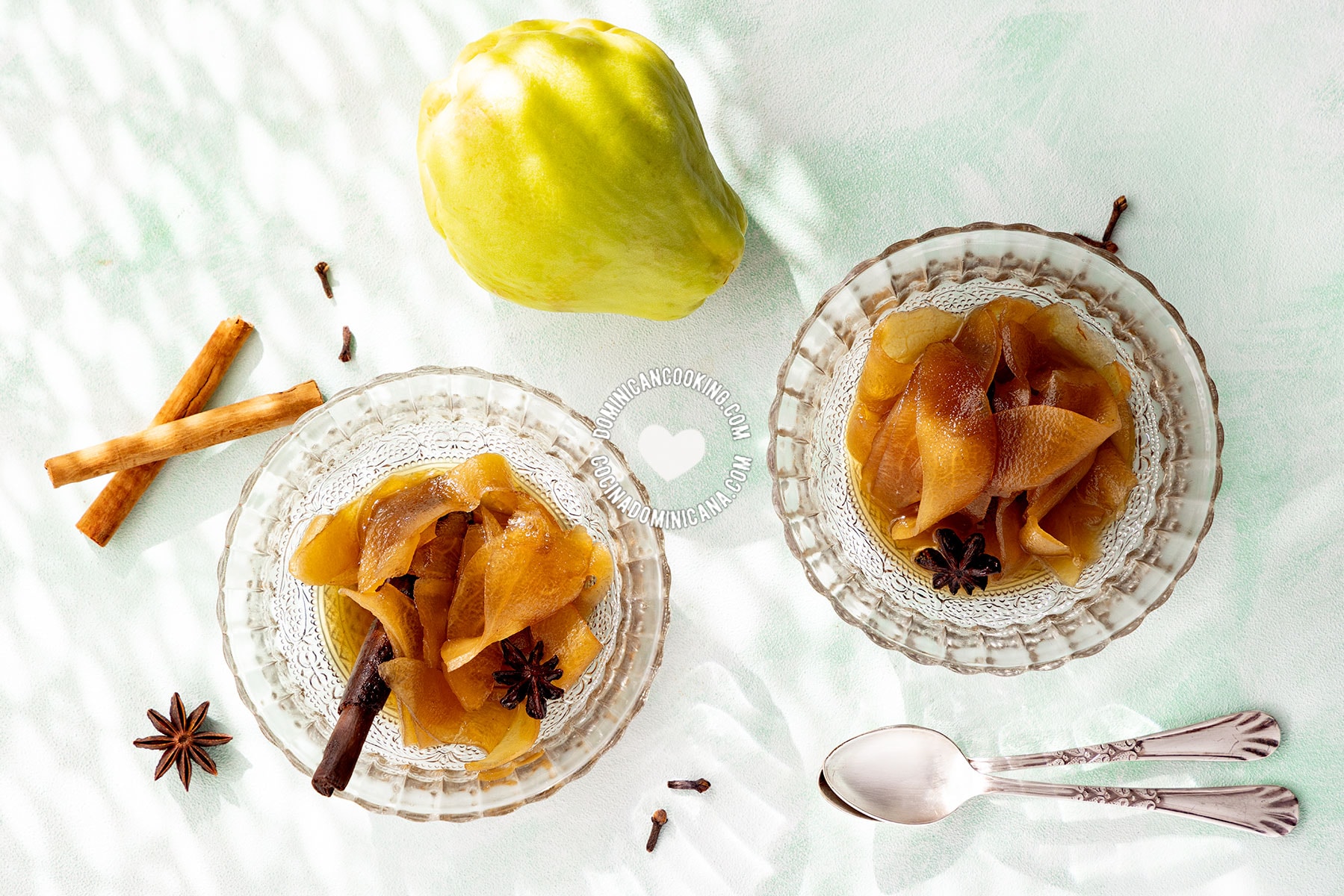
The global culinary landscape is increasingly defined by cross-cultural experimentation, sustainability, and the reimagining of humble ingredients. Among the most versatile yet underappreciated produce items making a steady transition from savory side dishes to gourmet centerpieces is the chayote, known locally in the Dominican Republic and across various Spanish-speaking regions as the tayota. Scientifically classified as Sechium edule, this perennial vine-growing vegetable has long been a staple of Caribbean agriculture. While historically relegated to stews, soups, and savory lunch accompaniments—most notably sharing the plate with La Bandera Dominicana or hearty locrios—the tayota is experiencing a renaissance. Culinary traditionalists and modern innovators alike are championing Dulce de tayota, a traditional candied dessert prepared in a spiced syrup, proving that this mild-tasting vegetable possesses a dynamic gastronomic profile capable of bridging the gap between savory and sweet.
Botanical Background and Culinary Characteristics of Chayote
To understand the culinary mechanics of Dulce de tayota, one must first examine the inherent properties of the chayote itself. Originating in Mesoamerica, where it was cultivated by the Aztecs and Maya, Sechium edule spread globally during the colonial era, eventually embedding itself deeply into Caribbean, Latin American, Louisiana Creole, and Southeast Asian cuisines.
Agronomists and culinary historians frequently note that the tayota is uniquely characterized by its neutral, mild flavor profile and high water content. While critics have historically joked about its lack of assertive flavor, contemporary chefs view this exact trait as its greatest asset. The cellular structure of the chayote acts as an edible sponge, readily absorbing and retaining the dominant flavors of whatever liquid it is cooked in.
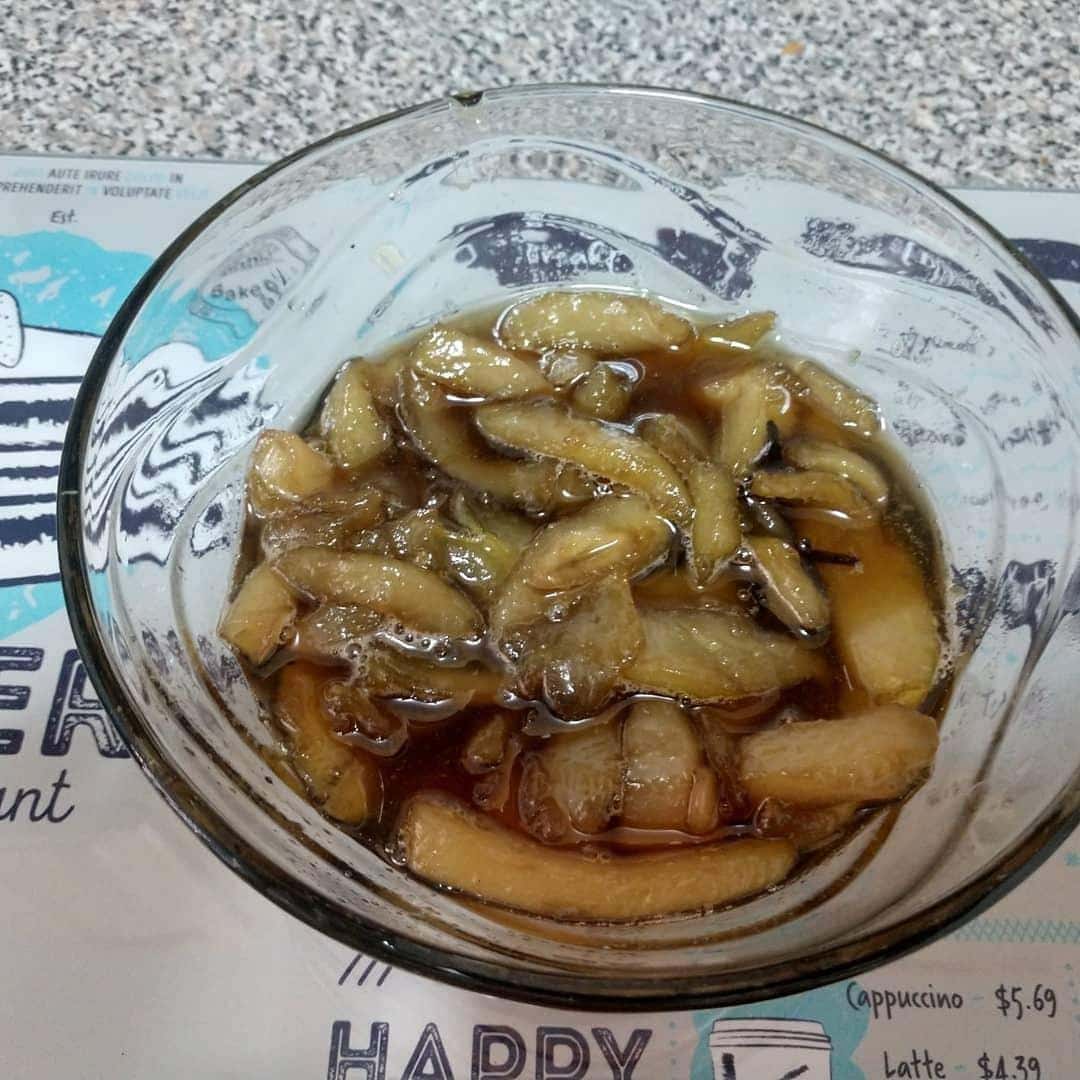
From a nutritional standpoint, the vegetable is exceptionally low in carbohydrates and calories, containing roughly 159 calories per prepared serving when integrated into traditional syrup desserts, while offering dietary fiber, Vitamin C, potassium, and minimal fats. These nutritional attributes have recently driven food scientists and recipe developers, such as Dominican culinary educator Clara Gonzalez (fondly known as "Tía Clara"), to experiment with low-carb and keto-friendly iterations of traditional dishes, ensuring that heritage recipes remain accessible to modern health-conscious consumers.
Chronology of Caribbean Confectionery and the Evolution of Dulce en Almíbar
The tradition of dulces en almíbar (fruits or vegetables preserved and cooked in heavy, spiced syrups) is deeply rooted in the history of Caribbean and Latin American dessert culture. This culinary art form represents a synthesis of Indigenous ingredients, European preservation techniques, and African flavoring traditions introduced during the colonial period.

Historically, sugar cane production served as the economic backbone of the Dominican Republic and neighboring islands. Consequently, sugar syrup became the primary medium for preserving seasonal produce long before refrigeration was widely available. While tropical fruits such as papayas (lechosa), figs, and citrus peels were the most common candidates for these sweet preserves, resourceful home cooks frequently looked to their garden harvests to expand their dessert repertoires.
The incorporation of the tayota into this dessert tradition exemplifies the ingenuity of Caribbean domestic kitchens. By the mid-to-late 20th century, Dulce de tayota had transitioned from an obscure regional variation to a recognized regional specialty, particularly celebrated during the summer months when served thoroughly chilled. The timeline of its preparation typically spans a swift 25 minutes—comprising five minutes of active prep time and twenty minutes of simmering—making it a practical yet sophisticated option for family gatherings and traditional weekend lunches.
Culinary Methodology: Crafting the Traditional Spiced Syrup
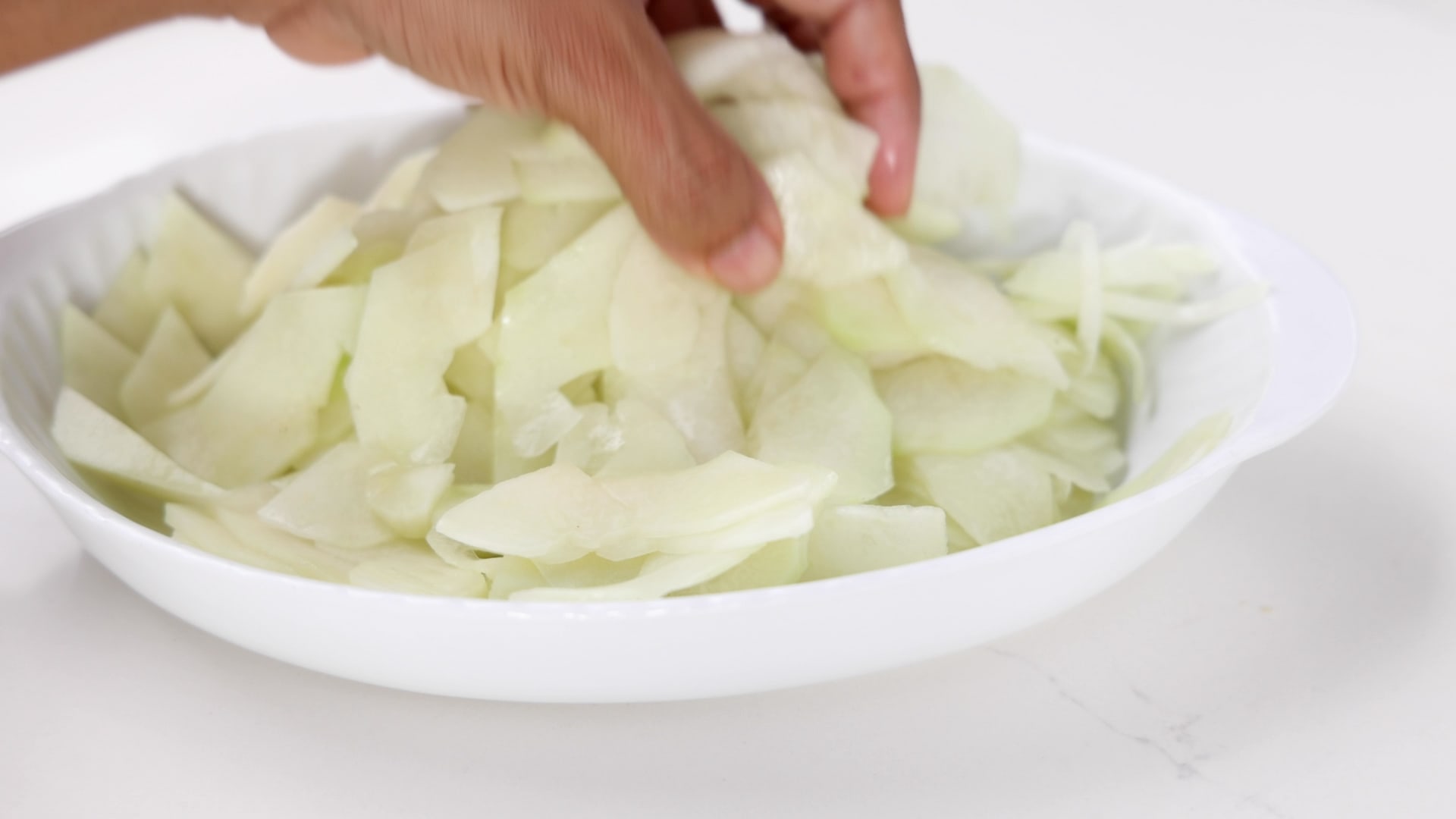
The preparation of Dulce de tayota requires precision despite its short ingredient list. The process begins with the careful peeling and slicing of the raw chayote. Because the vegetable contains a mild sap that can sometimes cause temporary skin irritation, professional culinary guidelines recommend peeling the tayota under running water or wearing kitchen gloves.
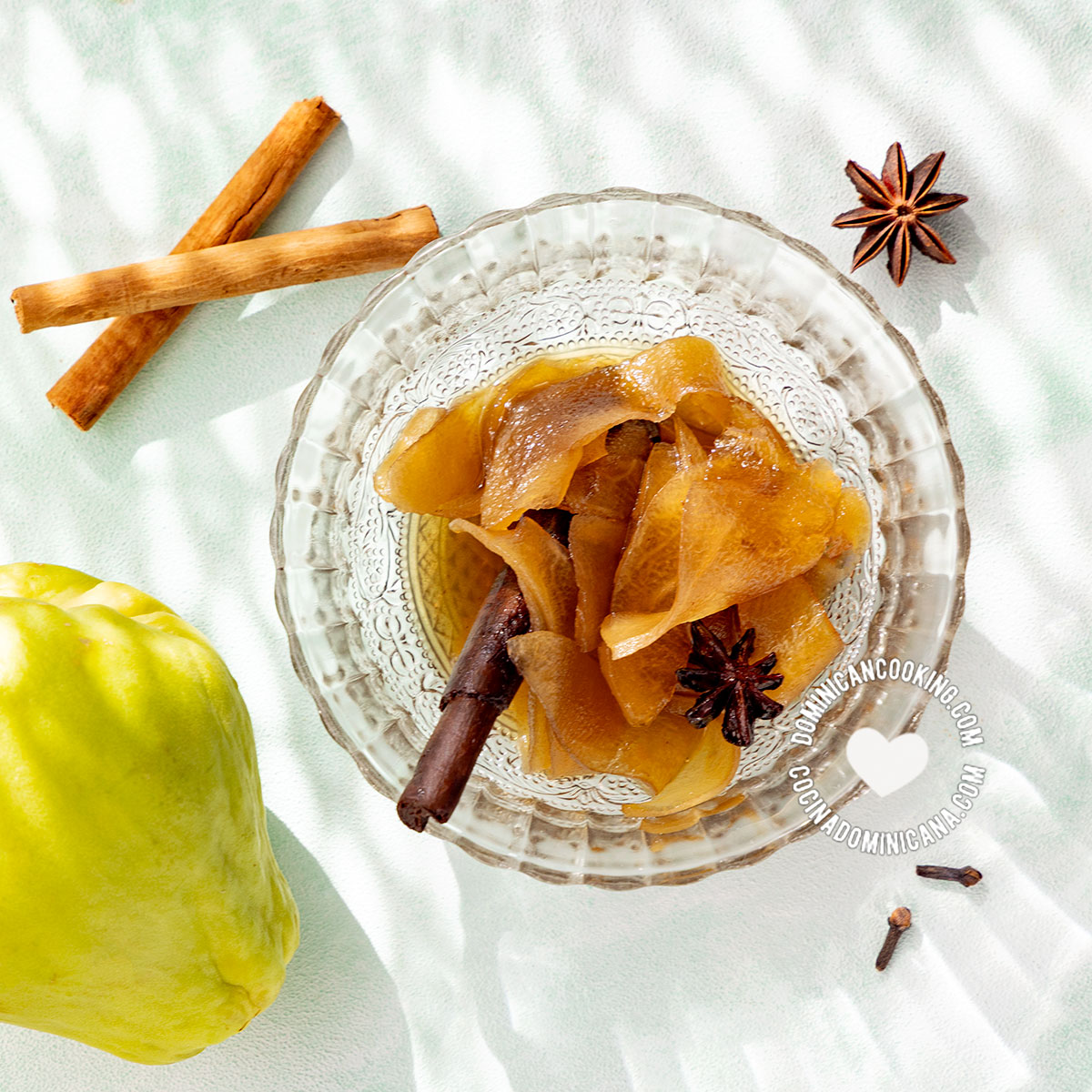
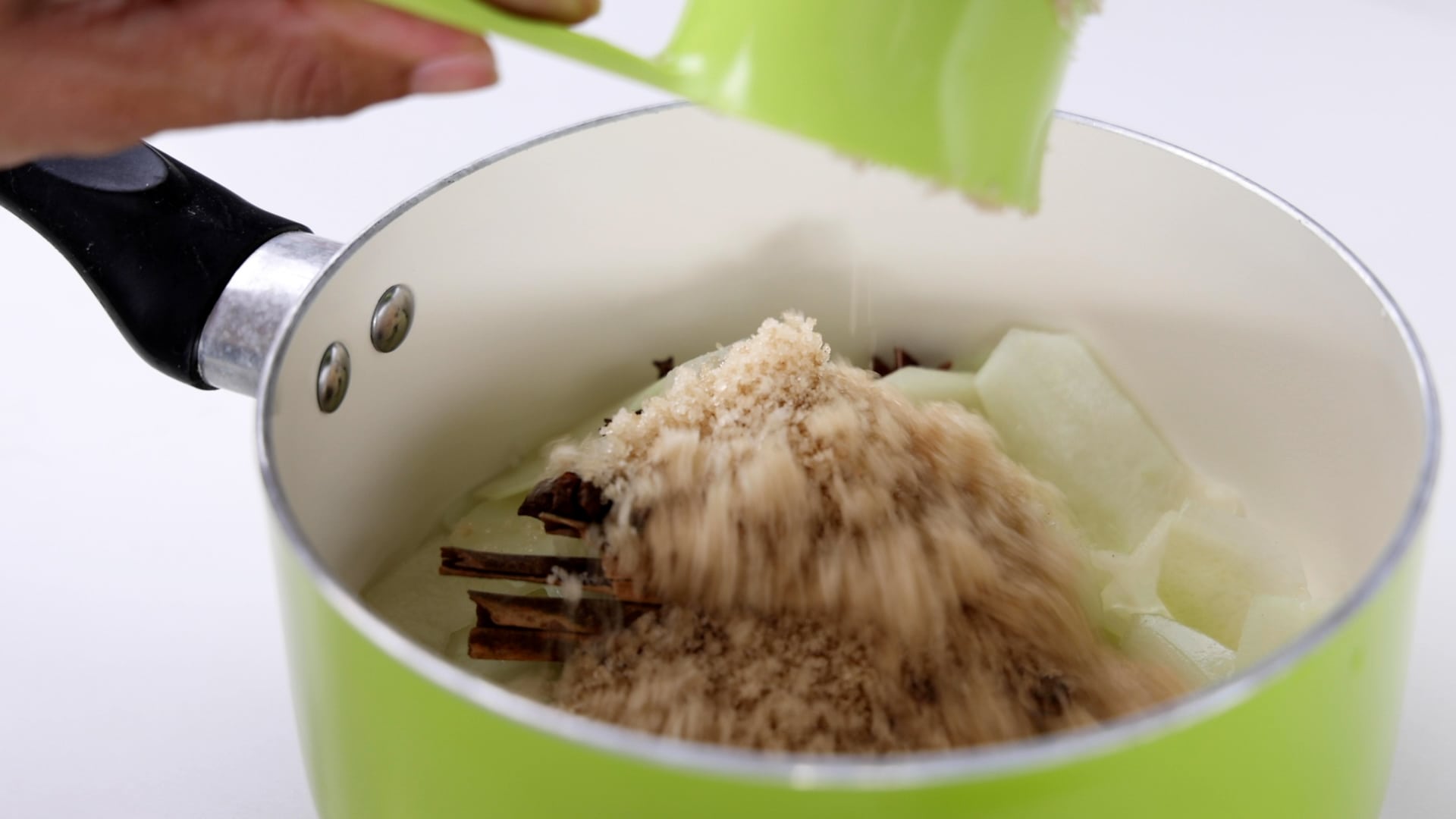
Once sliced into uniform pieces—often wedges or cubes—the vegetable is combined in a pot with water, granulated sugar (or alternative sweeteners for low-carb variants), and a curated blend of aromatic whole spices. Traditional Dominican flavor profiles heavily rely on cinnamon sticks, cloves, star anise, and occasionally a splash of vanilla extract or a twist of citrus peel, such as lime or orange.
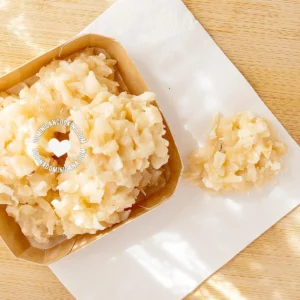
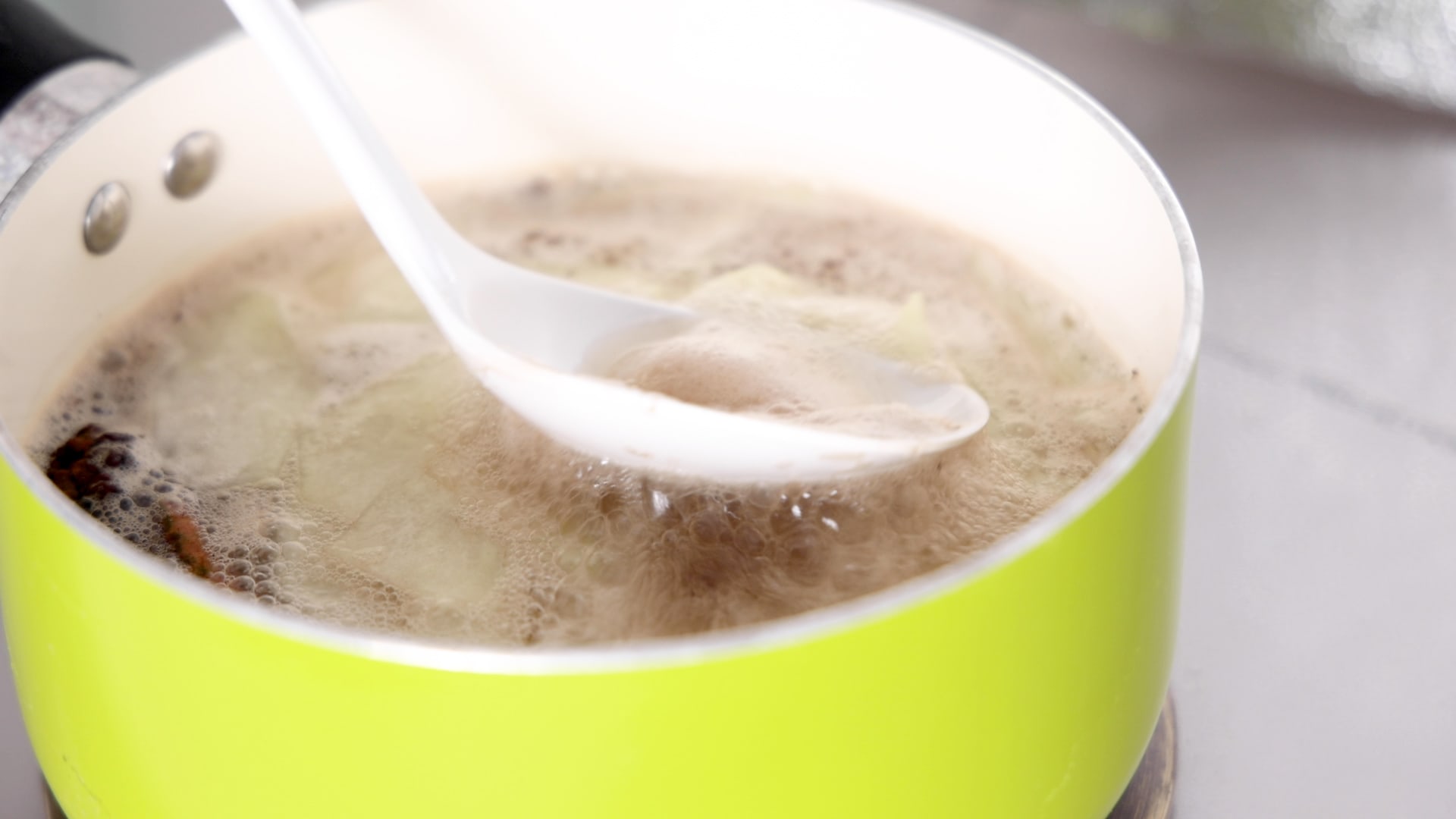
As the mixture simmers over medium heat, an osmotic process occurs: the sugar-rich syrup draws out the natural moisture of the tayota while simultaneously infusing the cellular matrix of the vegetable with the warming notes of the spices. The result is a tender yet firm candied texture, enveloped in a glossy, aromatic syrup that thickens as it cools.
Nutritional Analysis and Modern Dietary Adaptations
In an era where dietary restrictions frequently dictate culinary trends, traditional recipes face the challenge of adaptation without losing their cultural authenticity. Standardized nutritional data for Dulce de tayota indicates that a traditional serving contains approximately 41 grams of carbohydrates, predominantly driven by the 37 grams of sugar required to create the characteristic almíbar.
However, recent shifts in nutritional science and consumer demand have prompted culinary platforms to explore functional modifications. Recent recipe iterations incorporate erythritol, monk fruit, or allulose as direct replacements for refined cane sugar. Because the tayota is naturally low in carbohydrates and glycemic impact, these modern substitutions allow individuals managing diabetes or adhering to ketogenic diets to enjoy a historically authentic flavor profile without compromising their metabolic health. Medical professionals and nutritionists continue to emphasize, however, that consumers with specific health regimens should consult personalized dietary guides regarding exact nutritional breakdowns.
Broader Socio-Cultural Implications and Global Reach
The rising international interest in dishes like Dulce de tayota reflects a broader movement within global gastronomy: the elevation of regional, plant-based heritage foods. As digital food media and platforms like Instagram and specialized cooking blogs break down geographic barriers, diaspora communities and international food enthusiasts are increasingly eager to explore authentic Caribbean cuisine beyond the standard tourist offerings.
Food sociologists note that recipes passed down through digital platforms by cultural culinary figures serve as vital archives of intangible cultural heritage. By demystifying ingredients that were once treated as punchlines—such as the "flavor-challenged" tayota—these educational initiatives foster cross-cultural appreciation and encourage sustainable, versatile cooking practices. Utilizing local, resilient crops like chayote for both sweet and savory applications reduces food waste and diversifies culinary portfolios on a global scale.
Conclusion
Dulce de tayota stands as a testament to the creativity embedded in Caribbean culinary history. By transforming a mild, unassuming vegetable into an aromatic, spiced summer dessert, generations of cooks have demonstrated that culinary excellence relies as much on technique and imagination as it does on the intrinsic qualities of the raw ingredient. As modern adaptations continue to honor traditional flavor combinations while accommodating contemporary dietary needs, this humble candied chayote dish secures its place not only on the Dominican Sunday lunch table, but within the pantheon of celebrated global comfort foods.