The Power of Anthocyanins: How Eating the Rainbow Protects Your Heart and Health

Dietary guidelines have long advised consumers to eat the rainbow, a colorful adage designed to encourage the daily intake of a diverse array of fruits and vegetables. While the visual appeal of a vibrant plate is undeniable, nutritional science has increasingly focused on the biochemical drivers behind these recommendations. Chief among them are anthocyanins, a specific class of naturally occurring plant compounds that not only provide brilliant red, blue, and purple hues to produce, but also deliver profound physiological benefits.
Recent large-scale scientific investigations have brought these powerful antioxidants into sharp focus, shedding new light on how simple dietary choices can significantly reduce the risk of chronic conditions such as cardiovascular disease and type 2 diabetes. As public health officials grapple with rising rates of diet-related illnesses, understanding the role of anthocyanins offers a clear, actionable pathway toward improved long-term health outcomes.
Understanding Anthocyanins: Etymology and Chemistry
To understand the function of anthocyanins, it is helpful to look at their linguistic origins. Derived from the ancient Greek words ánthos, meaning flower, and kýanos, which describes a dark greenish-blue color, the term literally translates to plant colors. Botanically speaking, anthocyanins belong to a broader family of chemical compounds known as flavonoids, which function as powerful polyphenols within plant tissues.
In nature, these pigments serve crucial evolutionary purposes for plants. They act as natural sunscreens by absorbing high-energy ultraviolet radiation, protect cells from oxidative stress, and attract pollinators and seed-dispersers with their striking pigmentation. When humans consume these plants, the chemical properties that protect the flora are transferred, conferring substantial antioxidant and anti-inflammatory benefits to the human body.
Landmark Research Quantifies the Health Benefits
The clinical relevance of these plant compounds was reinforced by a comprehensive new review published in The American Journal of Clinical Nutrition. The study synthesized data from numerous population and clinical trials to evaluate the systemic effects of long-term anthocyanin consumption. The findings provide empirical backing for what nutritionists have suspected for decades: regular intake of anthocyanin-rich foods yields measurable protection against major chronic diseases.
According to the review, individuals with the highest dietary intake of anthocyanins experienced a 26 percent lower incidence of cardiovascular disease compared to those with minimal intake. Furthermore, the data revealed an 18 percent lower risk of suffering a heart attack, an 11 percent reduction in the risk of developing type 2 diabetes, a 9 percent decrease in cardiovascular disease mortality, and an 8 percent lower risk of developing hypertension.
Perhaps most encouraging for everyday consumers is the threshold required for these benefits. The researchers observed that improvements in blood vessel function—a critical marker of cardiovascular health—could be achieved with daily intakes as low as 50 milligrams.
Identifying Rich Dietary Sources and Serving Sizes
Translating clinical measurements into daily dietary habits requires knowing which foods contain these pigments and in what concentrations. Anthocyanins are not universally present in all plant matter; rather, they are concentrated in specific fruits and vegetables, typically those with deeply saturated skins and flesh.
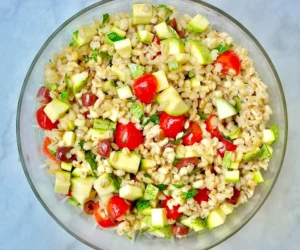
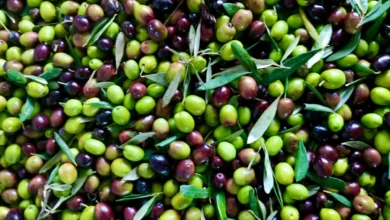
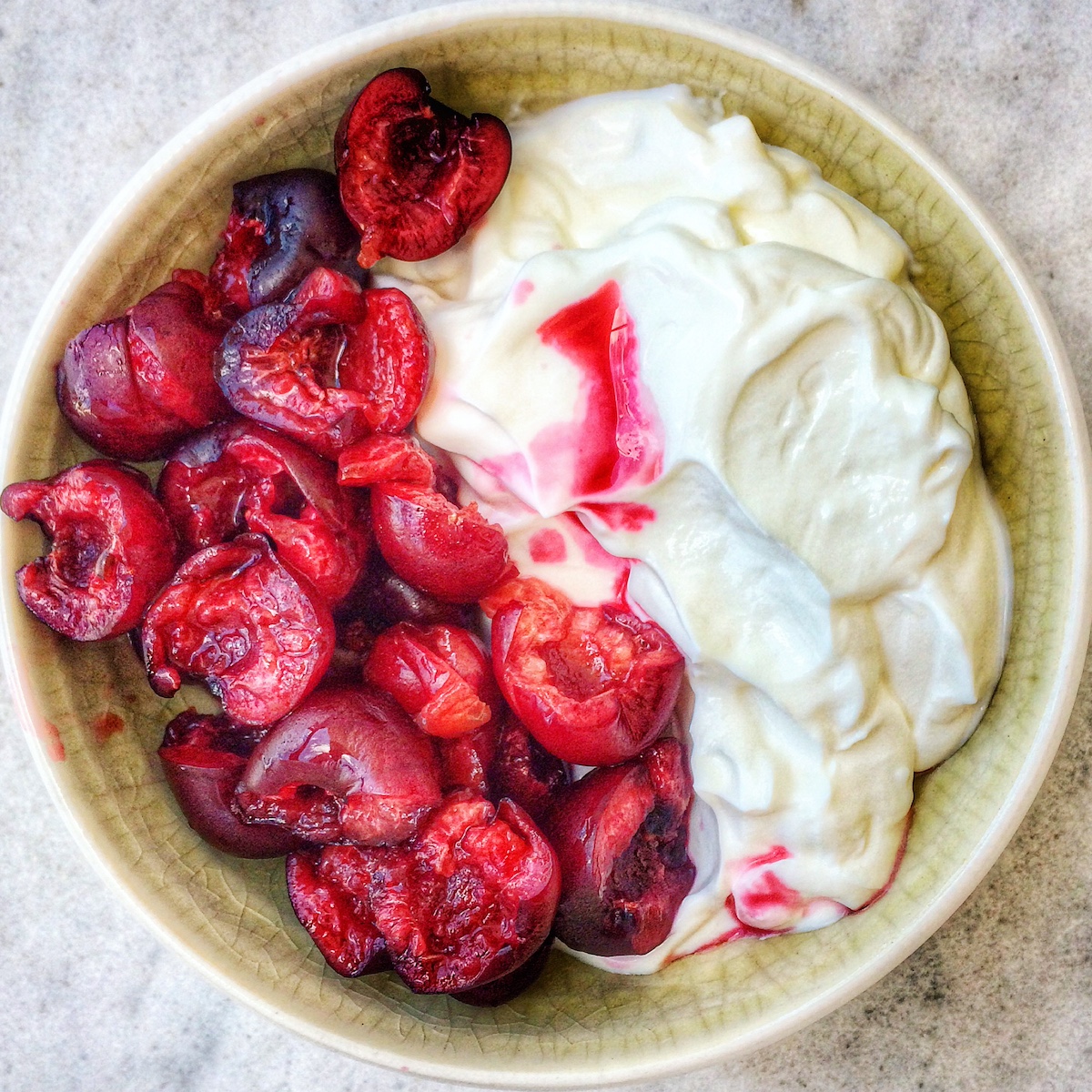
Prominent sources include dark berries such as blueberries, blackberries, raspberries, and strawberries, as well as tart cherries, purple grapes, black currants, and pomegranates. Among vegetables, deep purple eggplants, red cabbage, purple cauliflower, red radishes, and black beans stand out as exceptional contributors.
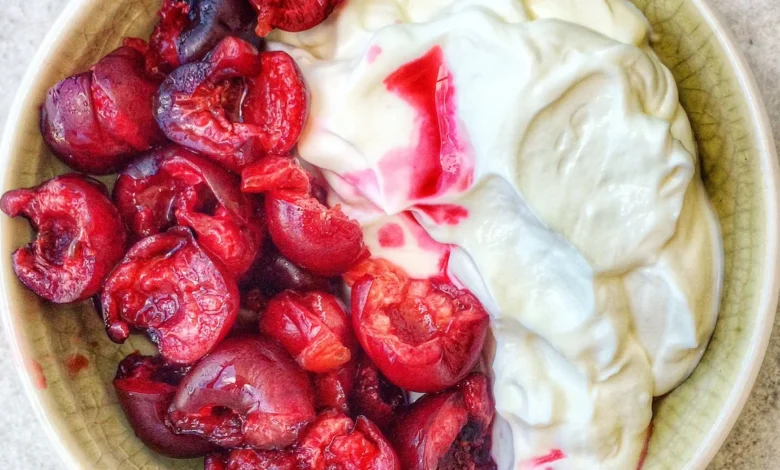
To visualize what 50 milligrams of anthocyanins looks like on a plate, nutritional epidemiologists note that portion sizes vary depending on the concentration of the specific food. However, consuming roughly a half-cup serving of a deeply pigmented fruit or vegetable—such as fresh blueberries, tart cherries, or chopped red cabbage—is generally sufficient to reach the 50-milligram threshold.
The Role of Seasonal Diversity and the Mediterranean Diet
The distribution of anthocyanins in human diets has historically been tied to geography and agricultural cycles, a principle embodied by the traditional Mediterranean diet. Elena Paravantes, a registered dietitian nutritionist and expert on the Mediterranean dietary pattern, notes that the historical health benefits associated with this regional diet stem largely from its natural emphasis on seasonal variety.
"This is one reason the traditional Mediterranean diet is naturally rich in a wide range of plant compounds," Paravantes explains. "Because they eat different fruit and vegetables based on the seasons, the chemical profile of their diet constantly shifts throughout the year."
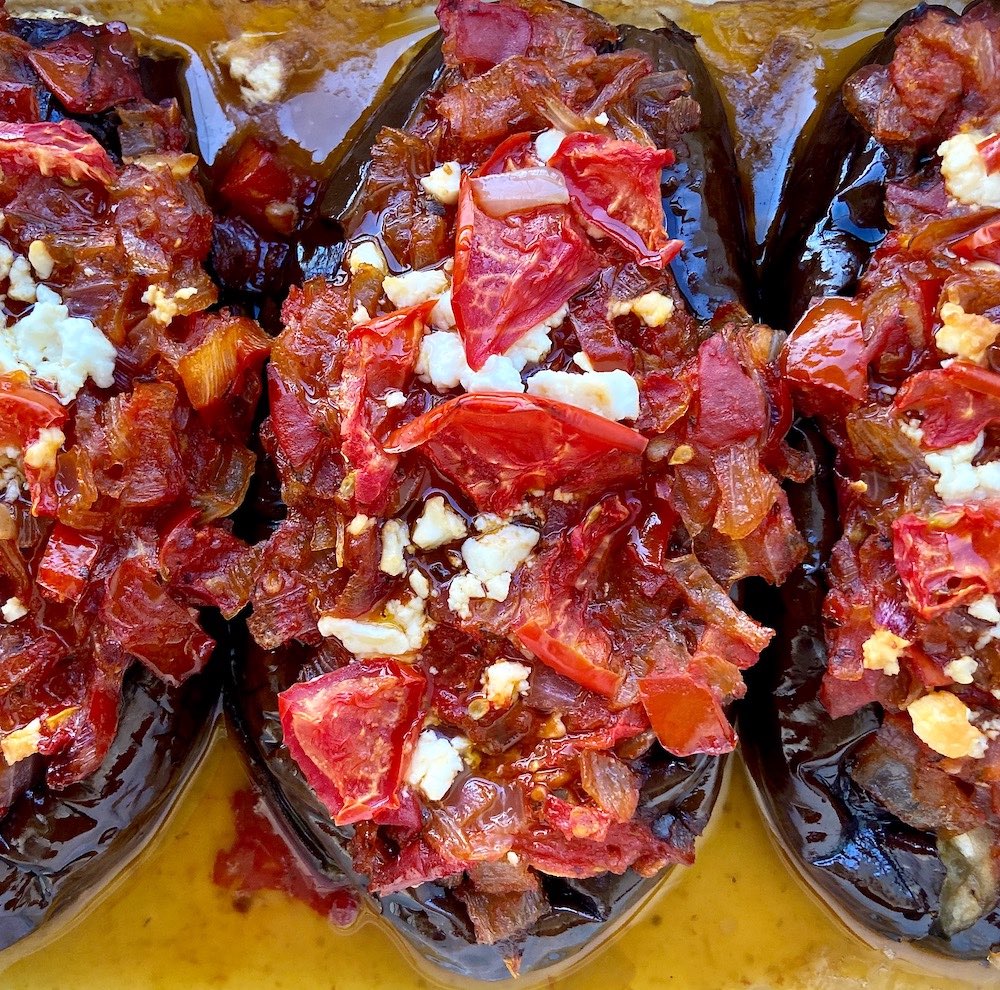
For instance, eggplants are consumed in abundance during the peak harvest months of summer through September, whereas root vegetables, winter squashes, and hardy greens dominate the colder months. This seasonal rotation prevents dietary monotony and ensures a broad spectrum of micronutrients and polyphenols are ingested over the course of a year. Consequently, health experts recommend that consumers look beyond staple produce items and actively rotate their fruit and vegetable selections in alignment with natural harvest cycles.
Practical Strategies for Increasing Intake
Integrating more anthocyanins into a daily routine does not require a complete culinary overhaul. Nutritionists suggest making small, sustainable adjustments to existing meal patterns to boost polyphenol consumption effortlessly.
Breakfast offers an easy entry point. Morning yogurt, oatmeal, or cold cereal can be instantly enriched by stirring in a half-cup of fresh or frozen blueberries, blackberries, or tart cherries. For midday meals, adding shredded red cabbage or sliced radishes to salads, wraps, and sandwiches provides both a crisp texture and a concentrated dose of pigments.
At dinner, incorporating roasted purple sweet potatoes, grilled eggplant, or a side of braised red cabbage can elevate the nutritional profile of the plate. Beverages also present viable options; unsweetened pomegranate juice, tart cherry juice, or a moderate glass of red wine can contribute to daily polyphenol counts when consumed responsibly.
Broader Public Health Implications
As chronic diseases continue to strain global healthcare systems, preventative nutrition has assumed a central role in public health policy. The mounting clinical data supporting the efficacy of polyphenols like anthocyanins suggests that dietary interventions could serve as a cost-effective adjunct to pharmaceutical treatments for metabolic and cardiovascular conditions.
Health economists and clinical researchers point out that shifting population diets toward nutrient-dense, plant-rich models could yield significant reductions in healthcare expenditures related to heart disease and type 2 diabetes. By focusing public health messaging away from restrictive eating and toward the active inclusion of colorful, seasonal produce, authorities can foster sustainable behavioral changes.
Ultimately, the directive to eat the rainbow is grounded in robust biochemical reality. As ongoing research continues to decode the complex interactions between plant compounds and human physiology, the humble anthocyanin stands out as a powerful testament to the healing capacity of whole foods.