Plantain Bites for Brunch or Parties Bring Authentic Caribbean Flavors to Modern Tables

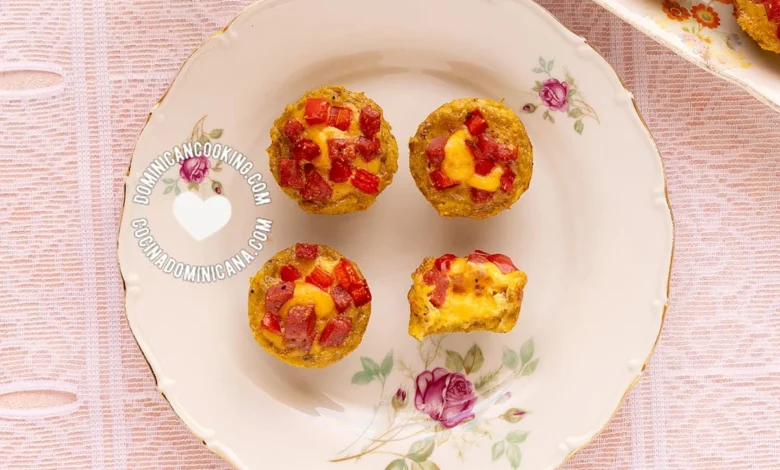
The global culinary landscape is experiencing a significant shift toward regional Caribbean gastronomy, with versatile tropical staples moving from traditional household settings into upscale brunch menus and catered events. Among the rising stars of this culinary movement are plantain-based breakfast and appetizer bites, a modern adaptation of the classic Dominican dish known as mangú. Developed to satisfy both contemporary convenience and authentic flavor profiles, these bite-sized appetizers represent a growing consumer demand for culturally rich finger foods that bridge the gap between homestyle cooking and modern hospitality.

Cultural Background and the Rise of Caribbean Brunch
For generations, the green plantain has served as a cornerstone of Dominican cuisine. Traditionally consumed as mangú—a savory, smooth mash of boiled green plantains traditionally served with Los Tres Golpes (fried salami, cheese, and eggs) alongside pickled red onions and avocado—the ingredient holds deep cultural significance. It is comfort food, a symbol of heritage, and a dietary staple across the Caribbean diaspora.
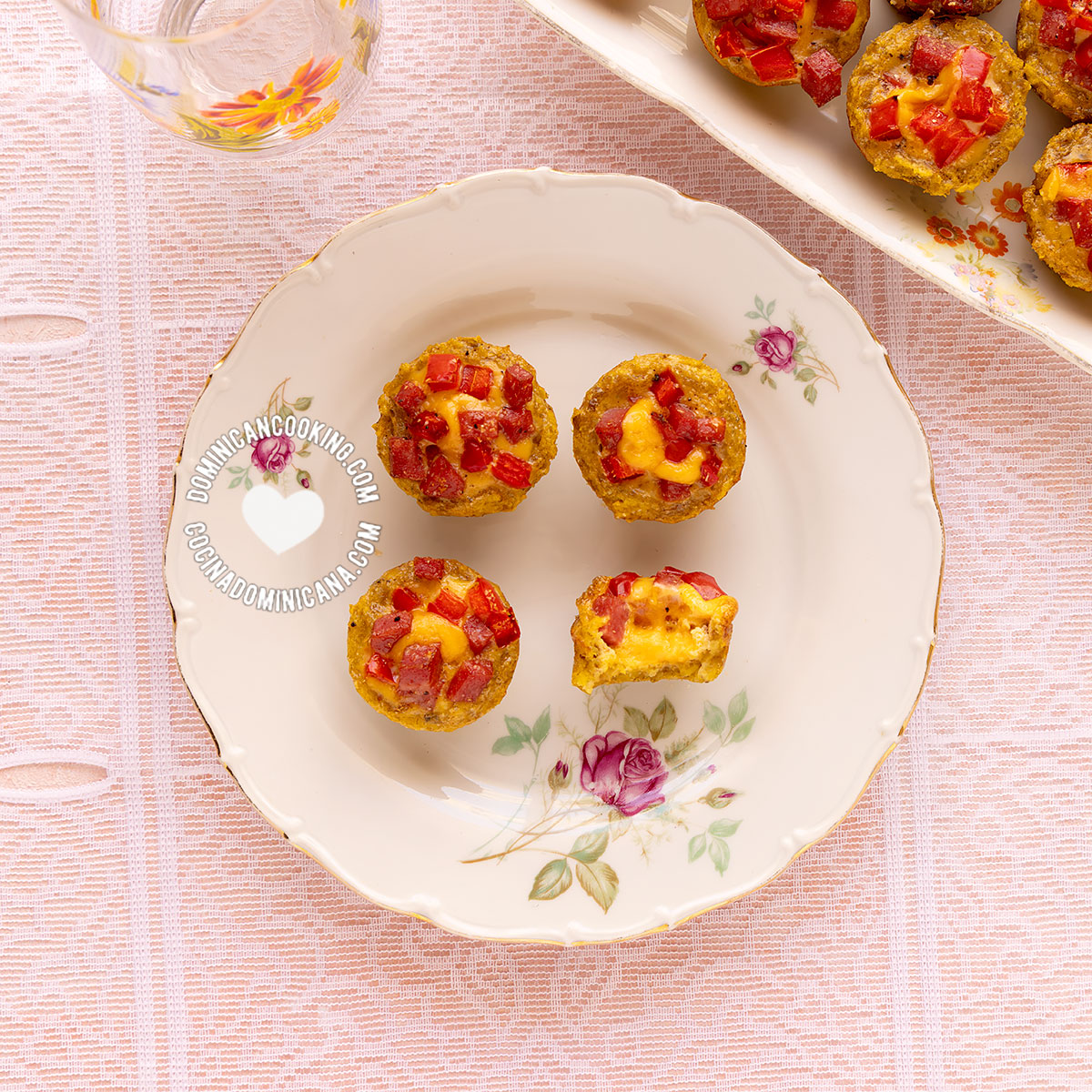
In recent years, the weekend brunch phenomenon has reshaped the hospitality and catering industries. While brunch was historically rooted in European and North American dining traditions, multicultural communities have successfully infused the mealtime slot with vibrant, non-traditional ethnic dishes. The transformation of mangú into baked, bite-sized portions reflects this evolution. By reshaping the traditionally rustic dish into refined, single-serving cups, culinary creators have made Caribbean flavors accessible for sophisticated gatherings, cocktail parties, and large-scale buffet spreads.
Recipe Chronology and Preparation Methodology
The creation and execution of plantain breakfast bites require a precise sequence of culinary steps designed to balance structural integrity with smooth textures. The preparation timeline spans approximately 35 minutes, broken down into distinct phases of boiling, shaping, filling, and baking.
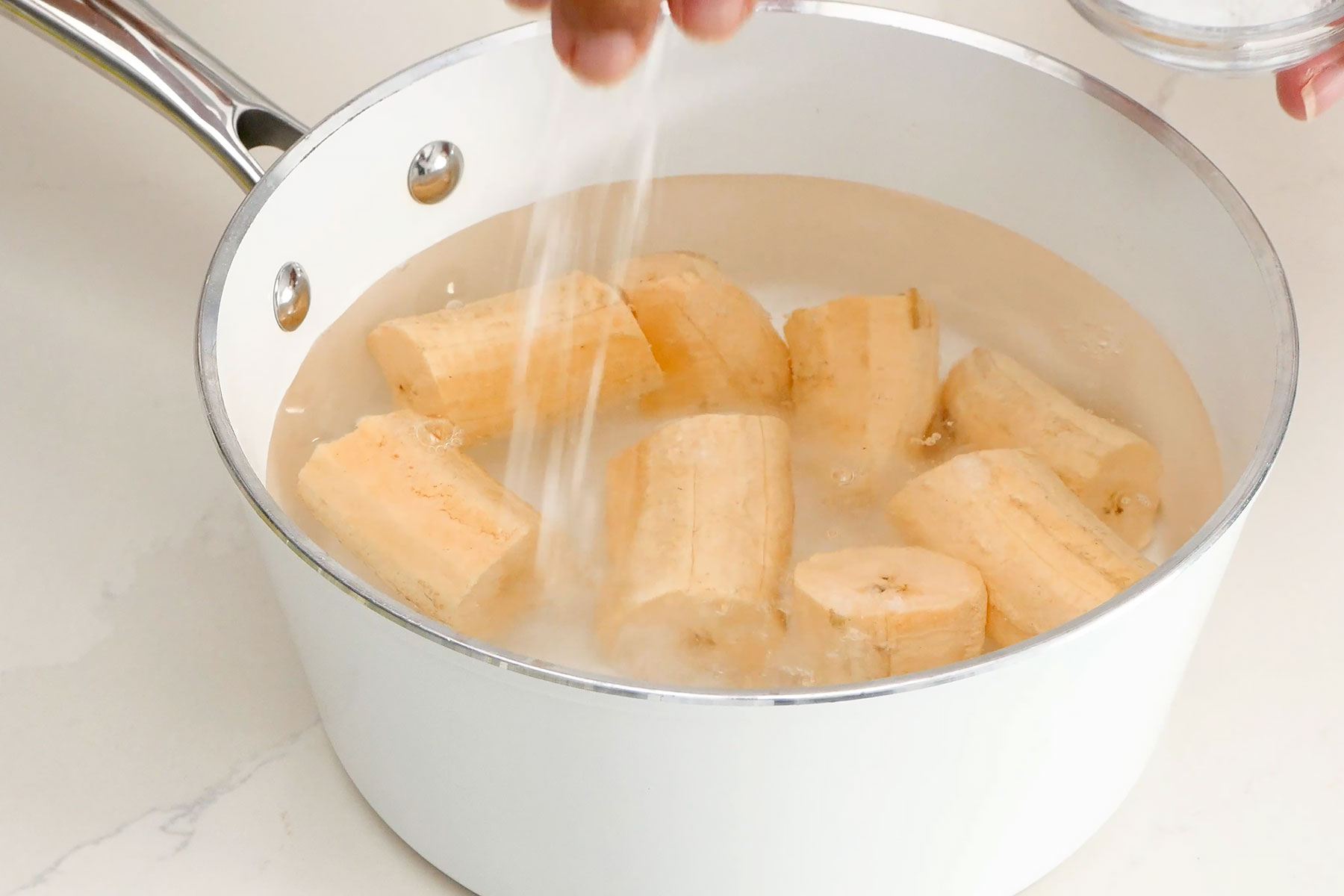
- Boiling Phase (approx. 15 minutes): Raw green plantains are peeled, sliced, and submerged in salted water. They are boiled until tender enough to be easily pierced with a fork, a process that breaks down the dense starches.
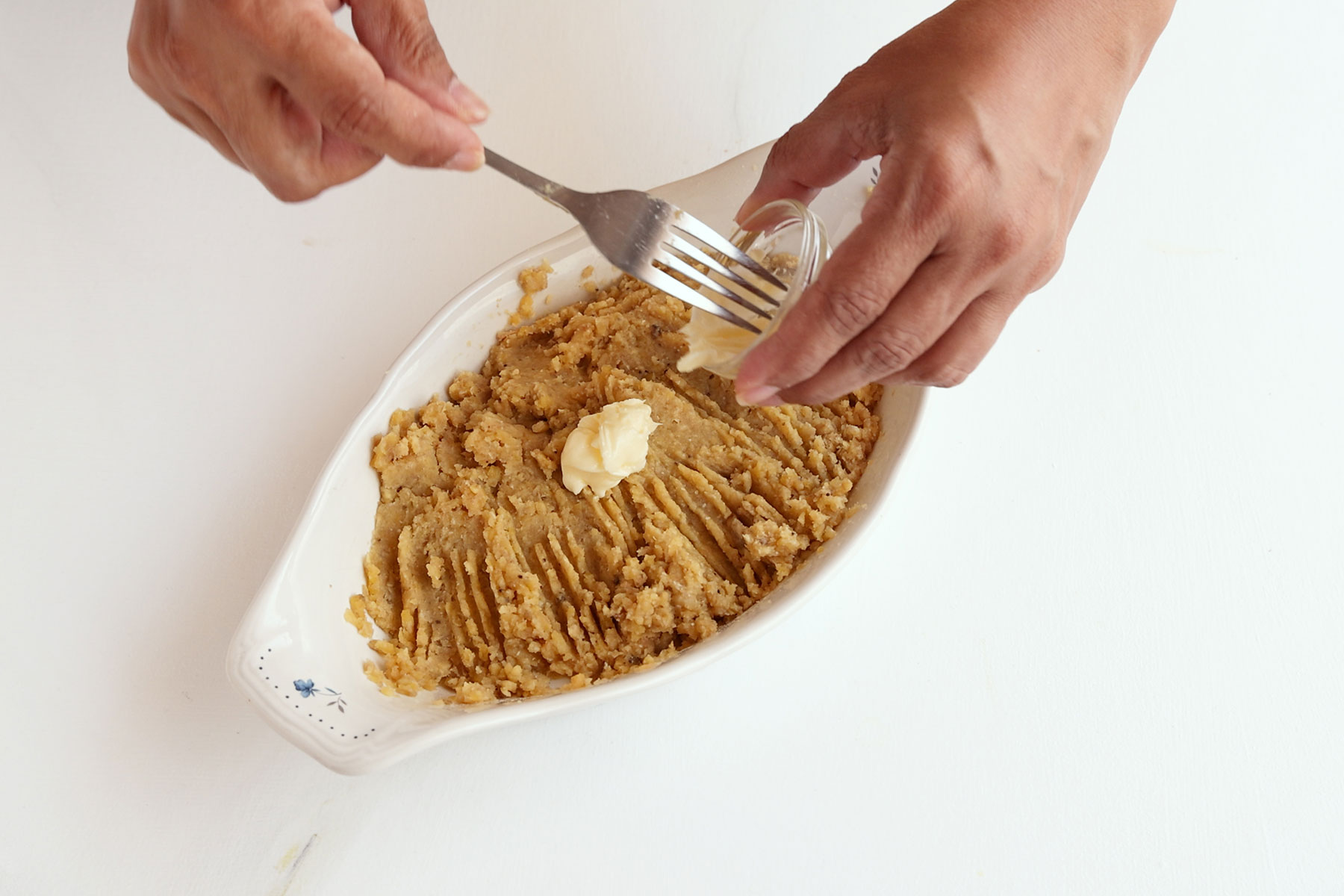
- Mashing Phase (approx. 5 minutes): The cooked plantains are thoroughly mashed while hot, often incorporated with small amounts of warm cooking water, butter, or oil to achieve a velvety, smooth consistency characteristic of traditional mangú.
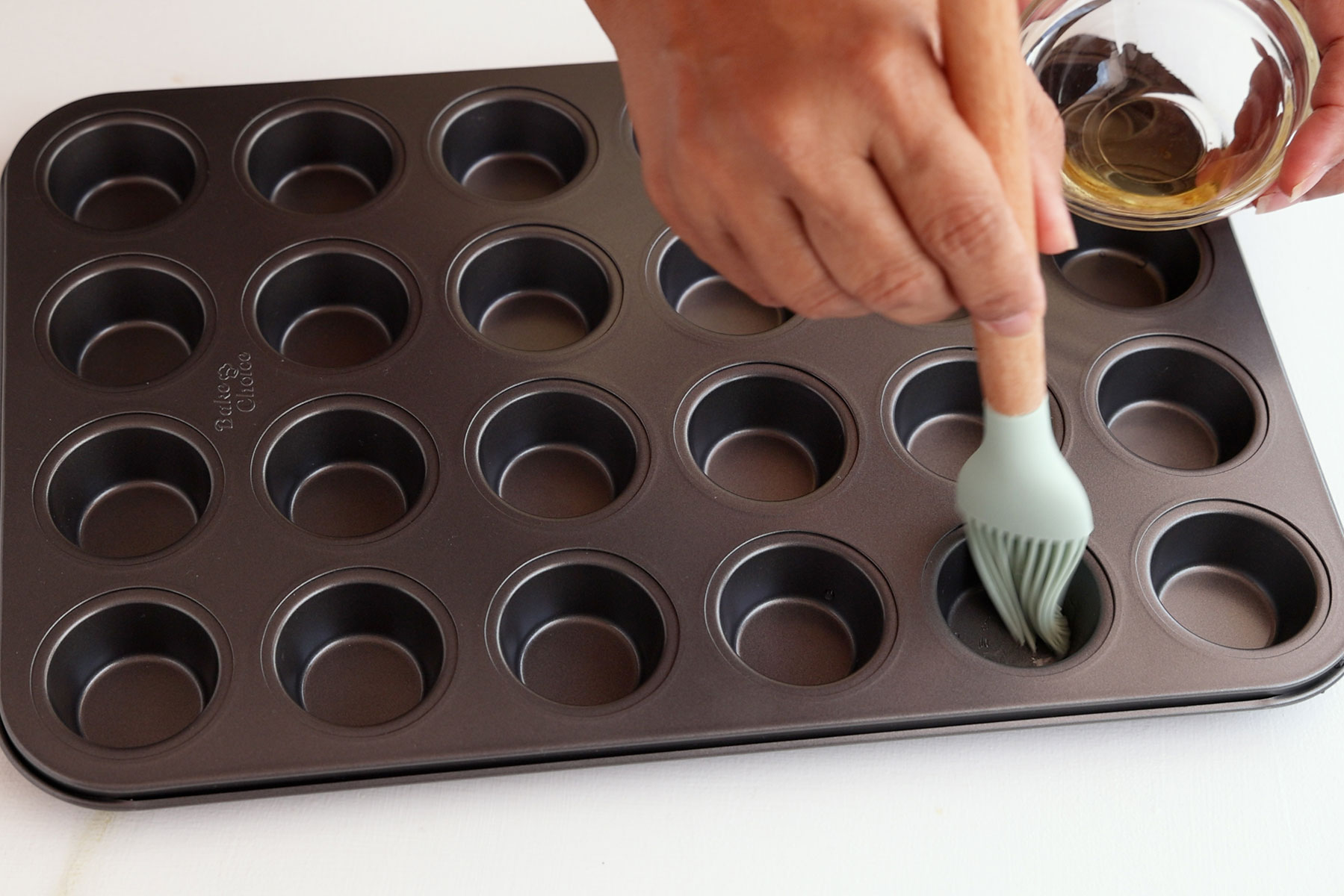
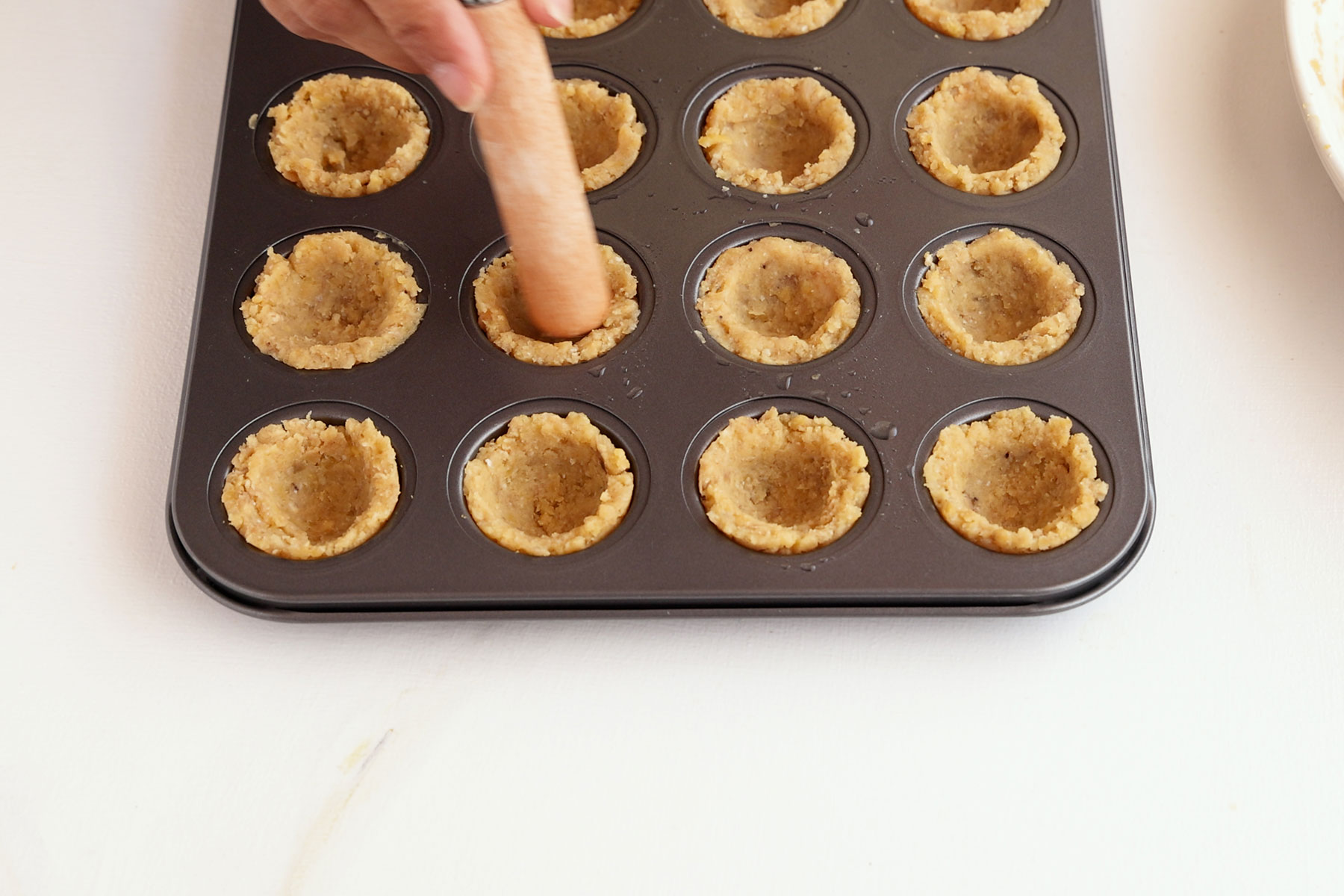
- Forming the Cups (approx. 5 minutes): The mashed mixture is portioned and pressed into greased miniature muffin tins or tart pans, creating hollow cups capable of holding various savory fillings.
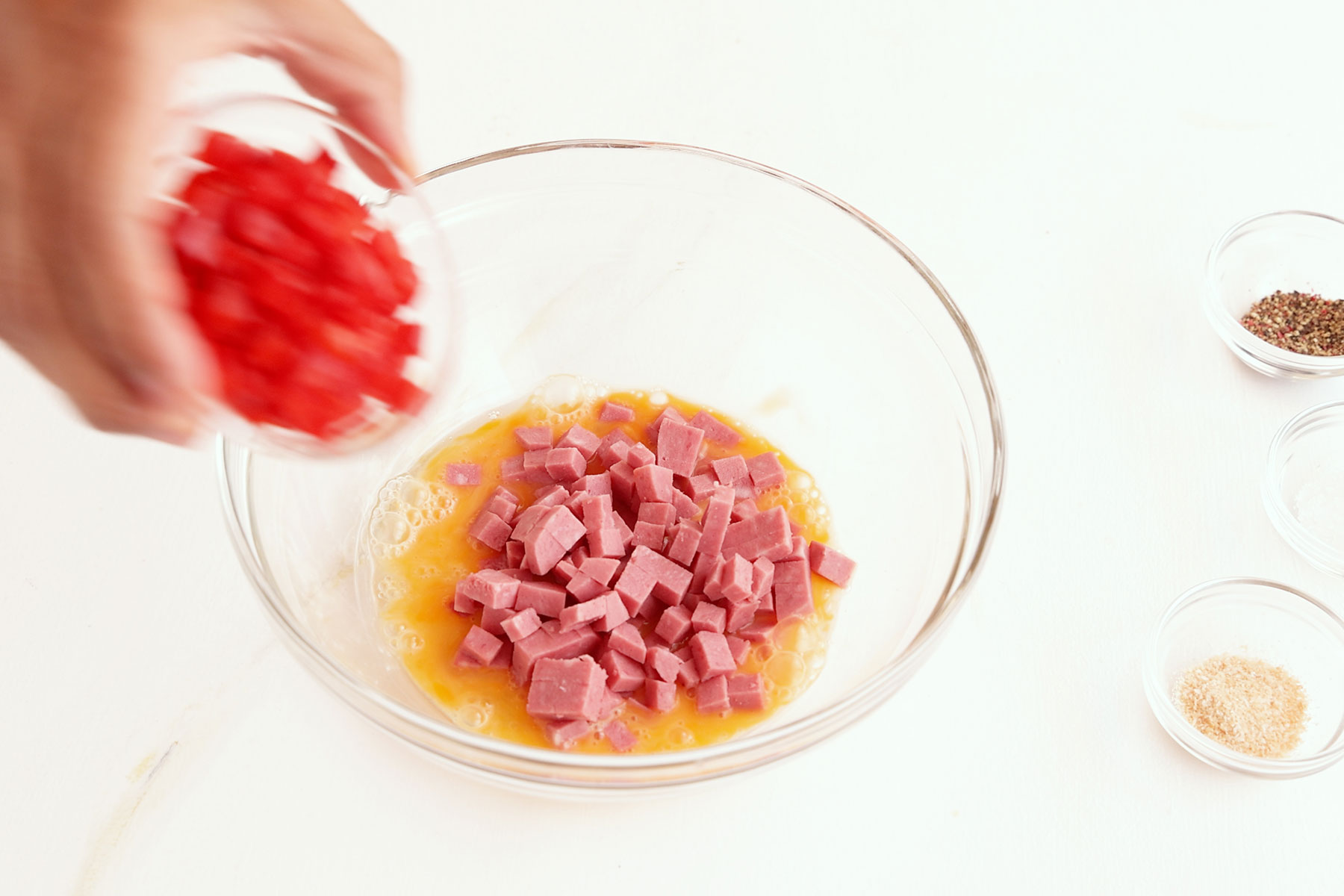
- Filling and Baking (approx. 15 minutes): A seasoned egg mixture, often combined with cheese, herbs, or localized proteins, is poured into the plantain cups. The assembly is then transferred to a preheated oven, where it bakes until the egg setting solidifies and the plantain edges achieve a light, golden crispness.
Nutritional Profile and Dietary Implications
As consumers increasingly scrutinize the nutritional content of party appetizers and finger foods, plantain-based recipes offer a distinct nutritional profile compared to traditional flour- or potato-based pastries. According to standardized nutritional analysis, a standard serving of four plantain bites yields approximately 257 kilocalories.
The dish provides roughly 21 grams of carbohydrates and 6 grams of protein, supported by 17 grams of total fat—of which 4 grams are saturated. Additionally, the recipe supplies essential micronutrients derived from the fruit, including potassium (approximately 395 mg), dietary fiber (2 g), and notable amounts of Vitamin C and Vitamin A. Because green plantains are naturally gluten-free and rich in complex carbohydrates, these bites function as a viable alternative for individuals managing specific dietary restrictions without sacrificing culinary depth.
Market Reception and Broader Culinary Implications
Food industry analysts note that the popularity of items like plantain bites aligns with a broader consumer preference for exploratory dining and "fusion-comfort" foods. Potluck gatherings, known in various Hispanic communities as fiestas de traje, as well as corporate catering events, have increasingly welcomed Caribbean finger foods (picadera) as alternatives to conventional western appetizers.
Culinary educators and diaspora chefs emphasize that dishes like mangú bites help preserve cultural heritage while introducing regional ingredients to wider, multicultural audiences. By translating complex, sit-down traditional breakfasts into portable finger foods, home cooks and professional caterers alike are expanding the commercial footprint of Caribbean gastronomy. As interest in authentic regional flavors continues to climb, staples like the green plantain are expected to maintain a prominent presence across international menus, bridging generations of culinary tradition with modern dining trends.