The Comprehensive Guide to Online Wine Courses: Elevating Your Expertise From Home

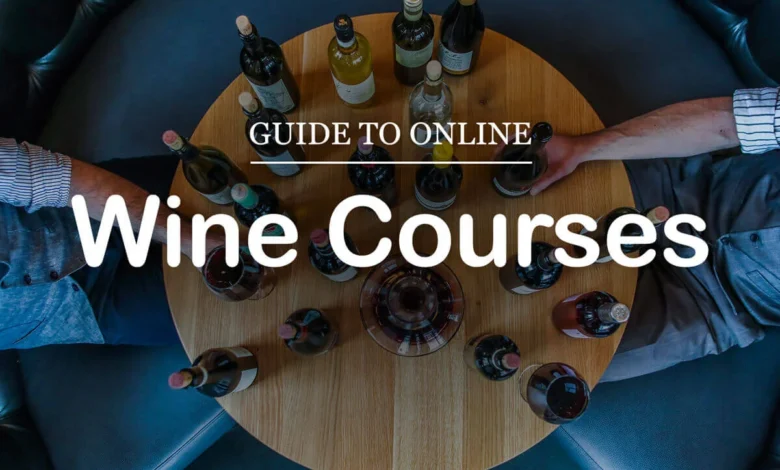
The global culinary and hospitality landscape has experienced a profound shift toward digital education, opening doors for professionals and enthusiasts alike to refine their palates and expand their expertise from the comfort of home. Whether navigating the complexities of regional viticulture for career advancement or simply seeking to deepen an appreciation for a favorite vintage, modern digital curricula offer unprecedented accessibility. With options ranging from complimentary, self-directed video playlists to rigorous, college-level certification programs, the digital wine education market has matured significantly, providing structured learning pathways that rival traditional classroom environments.
The Evolution and Landscape of Digital Wine Education
For decades, formal wine education was geographically constrained, requiring students to reside in major metropolitan areas with access to specialized institutes, master sommeliers, or physical tasting laboratories. The democratization of wine learning began with independent video platforms and has since evolved into sophisticated, multi-tiered virtual academies. Today’s market is broadly divided into two distinct categories: free, self-directed resources and structured, paid certification programs. Each avenue serves a different demographic, balancing financial investment against depth of study and credentialing power.
Industry data indicates that online professional development courses have seen a steady surge in enrollment, driven by a growing consumer interest in artisanal food and beverage products. According to hospitality training analysts, remote learning has proven particularly beneficial for front-of-house restaurant staff, who require flexible scheduling to balance demanding shift work with continuing education. By eliminating commute times and offering asynchronous video modules, digital platforms have removed traditional barriers to entry, allowing learners to progress at their own pace.
Free Wine Learning Resources: Flexibility and Patchwork Curricula
For learners operating on a budget or those wishing to test their dedication before financial investment, the internet offers a wealth of high-quality, complimentary material. Organizations such as Guildsomm, the Wine and Spirit Education Trust (WSET), and established digital publishers like Wine Folly have curated comprehensive YouTube playlists that cover everything from foundational theory to practical service techniques.
These free resources are typically structured around specific competencies:
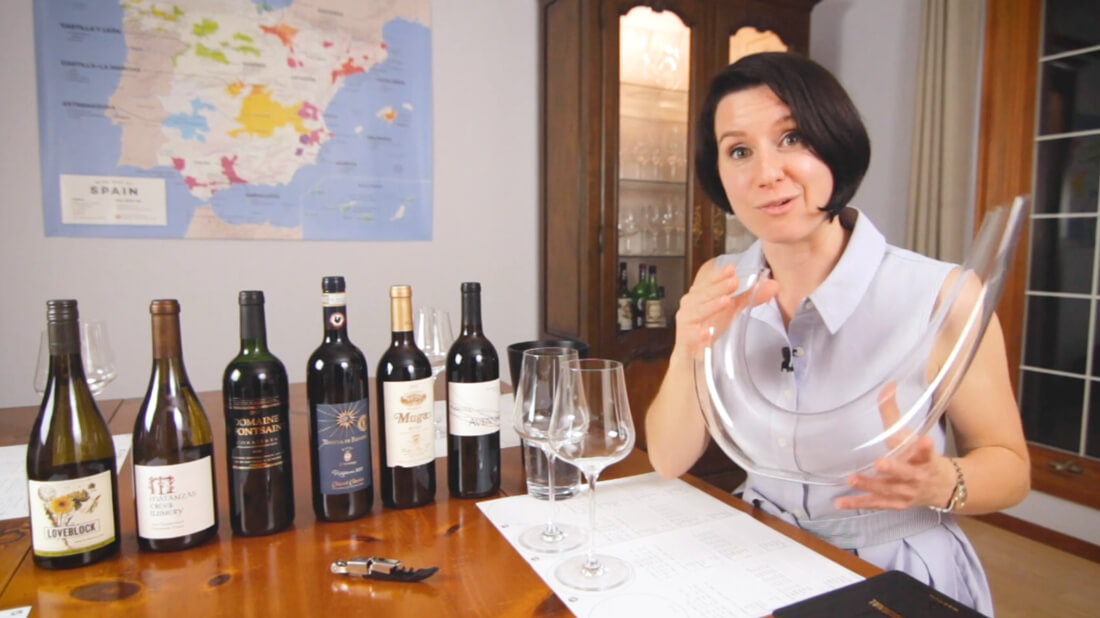
- General Wine Knowledge: Scrappy, self-directed learning paths often compile upwards of seven hours of video content exploring winemaking mechanics, professional tasting protocols, and major global wine regions. While content is inherently patchwork—pulled from various industry experts—the foundational integrity remains remarkably high.
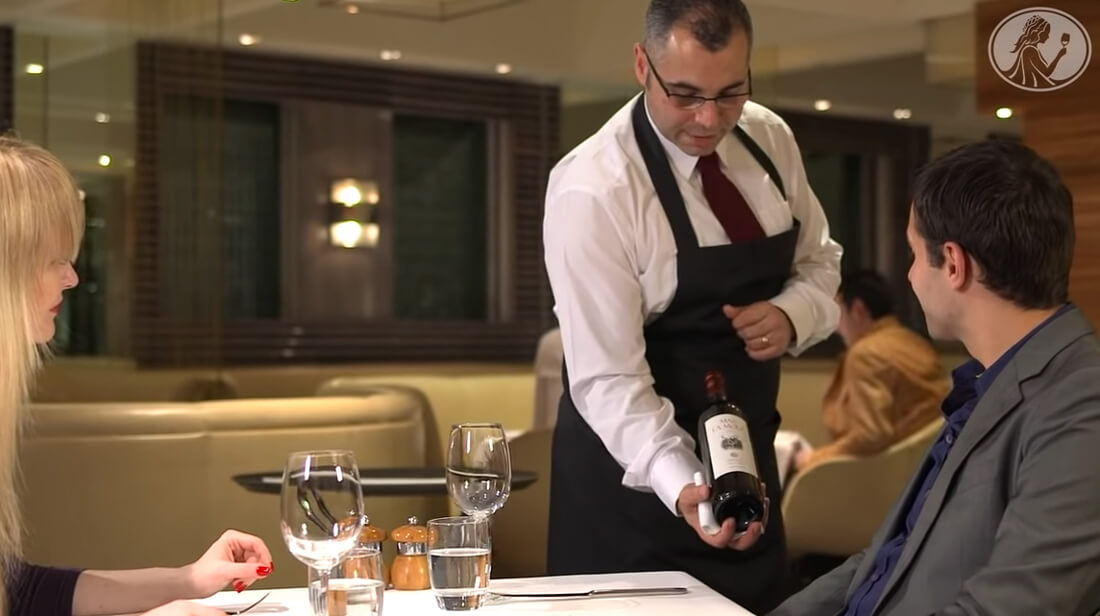
- Wine Service and Hospitality: Designed specifically for servers, bartenders, and hospitality professionals, these modules focus on mechanical proficiencies. Students learn the proper execution of opening a bottle with a waiter’s friend corkscrew, maintaining guest safety (such as preventing pressure-related accidents with sparkling wine), and mastering foundational food-and-wine pairing principles.
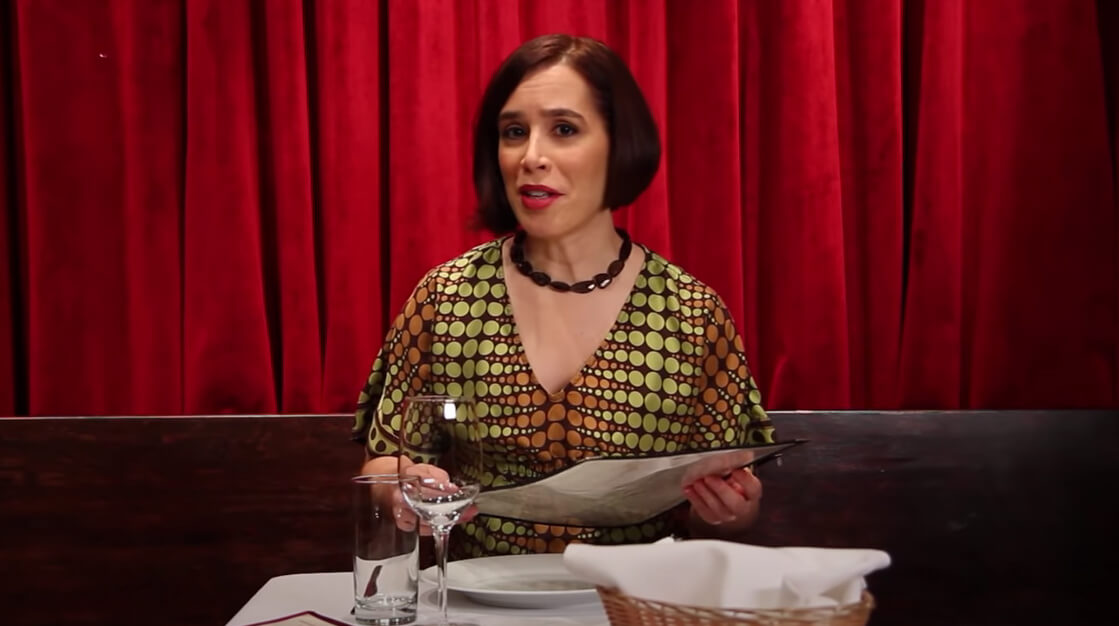
- Etiquette and Technique: Advanced foundational modules offer confidence-building instruction on navigating complex restaurant wine lists, interpreting international wine labels, and handling sophisticated social dining scenarios. Prominent wine communicators and masters guide viewers through practical applications designed to eliminate intimidation in high-end dining environments.
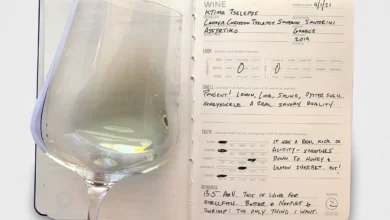
While free options provide exceptional theoretical value, educators note a distinct limitation: the absence of structured feedback, formal examinations, and guided tasting experiences. Without access to a structured peer group or an instructor to validate sensory observations, self-directed learners often struggle to calibrate their palates objectively.

Premium and Certified Online Wine Programs
For individuals pursuing formal credentials, career advancement, or a deeply immersive educational journey, paid online wine courses offer structured curricula, comprehensive study materials, and recognized certifications. Industry leaders and academic institutions have established robust digital programs that combine asynchronous video lectures with interactive, live-streamed webinars and group tastings.
Leading Independent and Expert-Led Platforms
- Wine Folly Courses: Ranging from introductory palate-training modules to college-level instruction, these self-paced digital classes focus on accessibility and practical application. Deeper-level courses provide digital certificates suitable for professional resumes and LinkedIn profiles, bridging the gap between casual enthusiasm and formal achievement.
- An Understanding of Wine with Jancis Robinson: Produced in partnership with BBC Maestro, this foundational course is led by one of the world’s most respected wine critics and journalists. Drawing on 45 years of industry experience, Robinson provides a razor-sharp analysis of identification, selection, and fundamental tasting principles.
- Wine Masterclass with James Suckling: Focusing on the perspective of a high-level critic, this visually striking course deconstructs the 100-point scoring system. Suckling encourages students to engage in blind tastings to evaluate wine objectively, supported by detailed companion guides that flesh out technical nuances.
- Everyday Guide to Wine with Jennifer Simonetti-Bryan: Developed by a Master of Wine, this comprehensive program delivers in-depth analysis spanning 14 major wine-producing countries and their primary sub-regions. While physical wines are not included in the purchase price, the curriculum provides extensive sourcing guides for dedicated students.
Accredited Academic Certifications
For those seeking globally recognized credentials, several prestigious academies have adapted their rigorous curricula for virtual delivery:
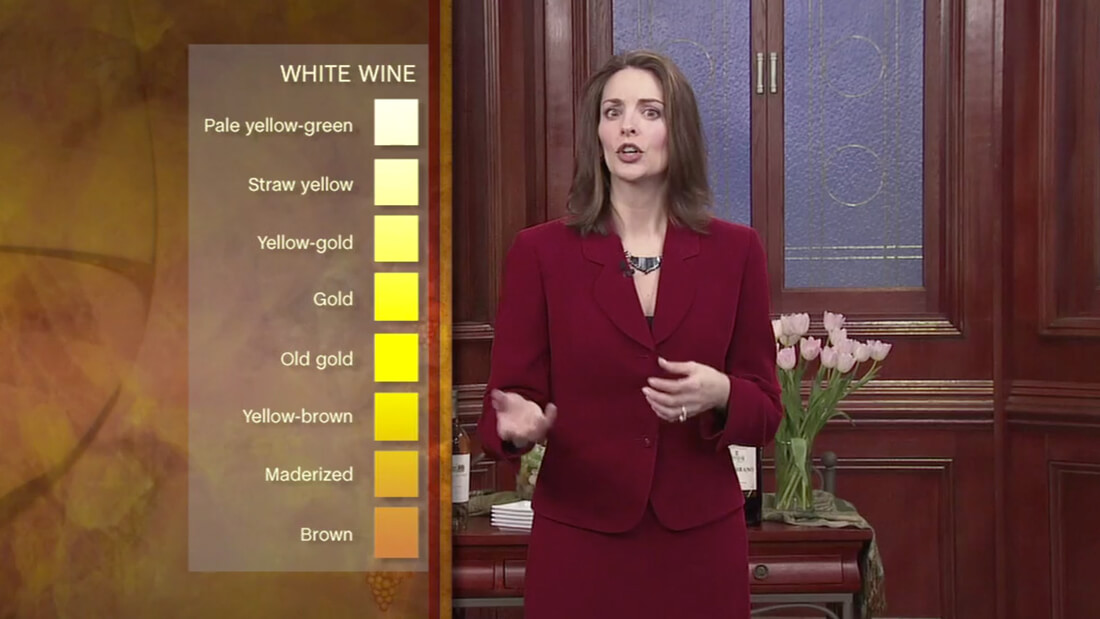
- WSET Level 2 Certificate via Napa Valley Wine Academy: A intensive five-week certification course that explores factors influencing wine style, key grape varieties, label terminology, and regional characteristics. Notably, the academy includes six tasting-portion samples shipped directly to students (within permitted regions) and features live, instructor-led online group tastings that foster interactive learning.
- Certified Specialist of Wine (CSW) via San Francisco Wine School: Led by Master Sommelier David Glancy, this nine-week program covers advanced topics including viticulture, enology, wine chemistry, flaws, international laws, and regional profiles. The course structure mandates active participation through live webinars, peer discussions, and weekly tasting assignments, culminating in a proctored examination for the official CSW title and pin.
- Regional Wine Scholar Programs via Wine Scholar Guild: Tailored for serious enthusiasts and educators specializing in the wines of France, Italy, or Spain, this program offers some of the most granular regional studies available online. Each module includes exhaustive study manuals, digital learning tools, specialized quizzes, instructor support, and rigorous examinations leading to official professional pins and certificates.
Implication, Retention, and the Tasting Group Model
Educational psychologists and wine educators alike emphasize that independent, remote learning presents unique challenges—chief among them being knowledge retention and the cost of acquiring diverse tasting samples. Research consistently indicates that peer-to-peer interaction dramatically enhances cognitive retention and sensory calibration. Tasting wine in isolation limits an individual’s ability to contextualize aromas, flavors, and structural components against alternative benchmarks.
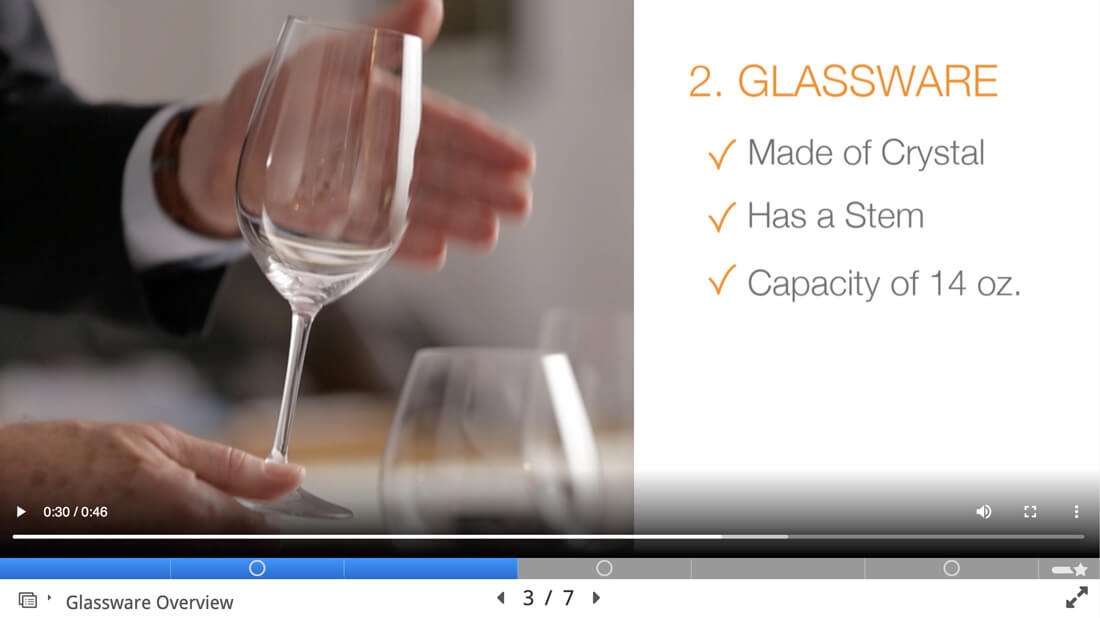
To counter the solitary nature of online study, industry professionals strongly advocate for the creation of informal, collaborative tasting groups. By gathering a small cohort of three to five enthusiasts to share the financial and logistical burden of purchasing course wines, students can transform isolated screen time into a dynamic, collaborative laboratory. Group leaders or rotating hosts facilitate structured tastings following the guidelines of their chosen curriculum, allowing peers to teach one another and debate sensory perceptions in real time.

Ultimately, the proliferation of digital wine education has dismantled traditional geographic and economic barriers, empowering a new generation of knowledgeable consumers and confident hospitality professionals. Whether a student opts for a scrappy, self-directed video playlist or commits to a multi-week Master Sommelier-led certification program, the tools for world-class wine mastery are now accessible directly from the modern home.