Exploring the Versatility of Indonesian Green Chili Sambal: Three Authentic Recipes and Culinary Insights

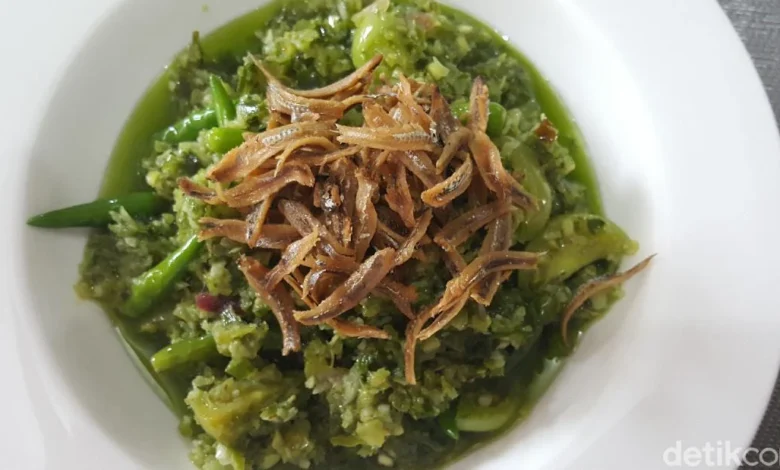
The culinary landscape of Indonesia is globally celebrated for its rich tapestry of flavors, dominated largely by the vibrant and fiery realm of sambal—a traditional chili-based condiment that accompanies almost every meal. While the national consciousness often gravitates toward the vivid crimson hues of red chili sambal, the green variant, universally known as sambal ijo, occupies a profoundly significant and beloved position in regional gastronomy, particularly within the Padang cuisine of West Sumatra. Culinary enthusiasts seeking to elevate their dining experiences can explore a diverse spectrum of green chili preparations, ranging from traditional Padang-style iterations to innovative variations incorporating crispy anchovies and raw, freshly pounded formats.
Indonesia boasts hundreds of distinct sambal varieties, each tailored to local micro-climates, cultural preferences, and specific proteins. The historical evolution of sambal dates back centuries, serving not merely as a flavor enhancer but historically acting as a natural food preservative in tropical climates due to the antimicrobial properties of capsaicin and allium components like garlic and shallots. While red chilies are often associated with intense, straightforward heat, green chilies—harvested before reaching full maturity—offer a distinctively brighter, grassier flavor profile with a sharper, more immediate acidity. This unique characteristic makes green sambal an exceptional pairing for rich, coconut-milk-heavy dishes, such as authentic Minangkabau rendang, gulai, and fried poultry.
The preeminent category within this culinary genre is the classic Padang-style sambal ijo. Traditionally served across the ubiquitous Nasi Padang establishments worldwide, this condiment relies heavily on large green chilies, curly green chilies, shallots, garlic, green tomatoes, and aromatic lime leaves. The preparation method requires careful boiling or steaming of the ingredients prior to rough grinding, followed by a final sautéing process in oil infused with bruised kaffir lime leaves. This technique softens the inherent bitterness of unripe chilies while locking in their vibrant emerald hue. Food historians note that the standardization of Padang-style sambal ijo paralleled the massive diaspora of Minangkabau restaurants across the Indonesian archipelago during the mid-20th century, transforming a localized ethnic delicacy into a nationwide dietary staple.
In response to evolving consumer preferences and the continuous quest for textural contrast in contemporary Indonesian dining, home cooks and professional chefs alike have developed innovative twists on the traditional recipe. Among the most popular modern iterations is Sambal Ijo Teri, which seamlessly integrates crunchy fried anchovies into the green chili matrix. This creation addresses a fundamental principle of Southeast Asian gastronomy: the harmonious interplay of textures. The soft, pungent heat of the sautéed green chili paste contrasts sharply with the salty, umami-rich crunch of small fried anchovies, locally known as ikan teri.
For culinary practitioners interested in replicating this dish at home, the precise formulation of Sambal Ijo Teri requires a methodical approach.
Ingredients for Sambal Ijo Teri:
- 5 large green chilies
- 100 grams curly green chilies
- 50 grams small green bird’s eye chilies (cabe rawit hijau) for elevated heat
- 7 shallots
- 3 cloves of garlic
- 100 milliliters coconut oil or high-smoke-point vegetable oil
- 5 green tomatoes, thinly sliced
- 2 kaffir lime leaves (daun jeruk purut)
- 1 teaspoon granulated sugar
- 2 teaspoons salt
- 1 tablespoon mushroom bouillon powder
- 50 grams plain dried anchovies, fried until exceptionally crisp
Step-by-Step Preparation Method for Sambal Ijo Teri:
- Begin by utilizing a traditional stone mortar and pestle (ulekan) or a mechanical food processor to coarsely grind the large green chilies, curly green chilies, a portion of the green bird’s eye chilies, shallots, and garlic. The texture should remain slightly chunky to ensure structural integrity during cooking.
- Heat the coconut oil in a wok or skillet over medium-high heat. Carefully introduce the ground chili mixture into the hot oil, stirring continuously until the mixture reaches a vigorous simmer.
- Reduce the heat to low. Incorporate the kaffir lime leaves, salt, sugar, and mushroom bouillon powder directly into the simmering paste.
- Maintain a gentle simmer, allowing the natural moisture within the chili paste to evaporate completely, signaling that the raw pungent flavors have dissipated and the sambal is nearing completion.
- Fold in the thinly sliced green tomatoes and the remaining fresh green bird’s eye chilies. Continue cooking briefly until the tomatoes and raw chilies reach a tender, wilted state, then immediately remove the wok from the heat source.
- Just before serving, generously garnish the warm sambal with the previously fried, crisp plain anchovies to preserve their distinct textural crunch.
Moving away from cooked variations, another highly revered preparation method across the Indonesian archipelago is Sambal Ijo Dadak, commonly translated as "instant" or "freshly made" sambal. The term "dadak" refers to the immediate, raw preparation style where ingredients are pulverized on demand without undergoing a boiling or frying phase. This style is particularly favored in Sundanese and general West Javanese culinary traditions, where the emphasis is placed on maximum freshness, pungent aromatics, and vibrant acidity.
Sambal Ijo Dadak relies on a heavy concentration of green bird’s eye chilies and curly green chilies, combined with an abundance of raw shallots, garlic, and tart green tomatoes. The defining characteristic of this variant is the application of piping-hot cooking oil poured directly over the freshly pounded raw ingredients at the final stage of assembly, a technique that partially cooks the surface aromatics, releases essential oils, and creates an intensely aromatic, highly addictive condiment.
Ingredients for Sambal Ijo Dadak:
- 20 curly green chilies
- 20 green bird’s eye chilies
- 5 shallots
- 3 cloves of garlic
- 3 green tomatoes, diced or sliced into wedges
- 1 teaspoon granulated sugar
- 1 teaspoon salt
- 100 milliliters neutral cooking oil, heated to smoking point
- Juice extracted from 1 fresh lime
Step-by-Step Preparation Method for Sambal Ijo Dadak:
- Place the curly green chilies, green bird’s eye chilies, shallots, and garlic into a traditional stone mortar. Pound the ingredients coarsely using the pestle, ensuring they are thoroughly crushed to release their juices without turning into a smooth puree.
- Add the freshly cut green tomatoes directly into the crushed chili mixture, gently bruising them with the pestle so they integrate with the aromatics while retaining distinct pieces.
- Season the mixture evenly with the granulated sugar and salt, working the seasonings thoroughly into the raw paste.
- Carefully pour the boiling-hot cooking oil directly over the raw sambal mixture, followed immediately by the fresh lime juice. The mixture will sizzle violently as the thermal shock tames the harsh rawness of the alliums and chilies.
- Stir the components thoroughly to ensure uniform distribution of the hot oil and citrus juice. Allow the mixture to rest for several minutes at room temperature to let the flavors meld and the vegetables soften slightly before serving alongside steamed white rice and local proteins.
From an economic and sociological perspective, the enduring popularity of sambal ijo reflects broader trends within Indonesia’s booming culinary tourism and domestic food sectors. Culinary analysts and food economists note that micro-enterprises specializing in traditional sambal formulations have seen significant growth in recent years, propelled by social media food content creators and e-commerce platforms specializing in ready-to-eat bottled condiments. This commercialization has allowed regional recipes, once confined to specific geographic pockets like West Sumatra or West Java, to achieve national and international distribution.
Nutritionists, however, advise mindful consumption when engaging with these fiery condiments. While green chilies are rich in Vitamin C, antioxidants, and capsaicin—which has been studied for its potential metabolic and anti-inflammatory benefits—the high sodium content from added salt, MSG, or bouillon, combined with saturated fats from coconut oil or high-heat frying oils, warrants balanced moderation, particularly for individuals managing cardiovascular conditions or hypertension.
Ultimately, whether prepared in the traditional slow-cooked Padang style, enhanced with the savory crunch of anchovies, or assembled raw and fresh in the dadak fashion, sambal ijo remains an indispensable pillar of Indonesian gastronomy. Its capacity to transform simple, humble meals into extraordinary sensory experiences ensures its continued relevance across modern kitchens, traditional eateries, and fine-dining establishments alike, securing its legacy as a masterpiece of flavor, heritage, and culinary ingenuity.
Related posts: