Exploring the Rich Culinary Heritage and Authentic Preparation of Traditional Javanese Fried Rice with Shredded Chicken and Bold Shrimp Paste

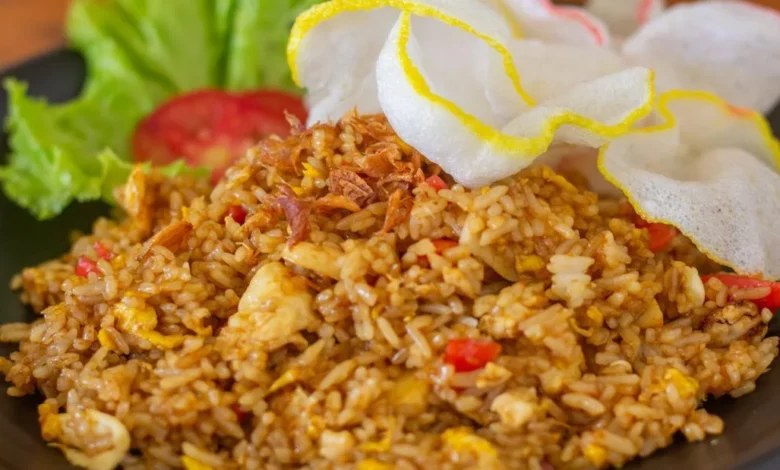
The culinary landscape of Indonesia is as diverse as its archipelago, with regional variations transforming staple ingredients into distinct cultural expressions. Among the myriad iterations of fried rice found across the nation, Javanese fried rice, or nasi goreng Jawa, holds a prominent position due to its robust flavor profile, deeply savory character, and traditional preparation methods. Unlike its Chinese-influenced counterpart, which often relies on soy sauce and light seasoning for a cleaner taste, or the fiery Acehnese version dominated by heavy spices, Javanese fried rice is characterized by its rich, dark paste—locally known as bumbu medok—which infuses every grain of rice with a complex blend of aromatics and fermented seafood.
Culinary historians and food anthropologists note that fried rice in Indonesia originated as a practical method to repurpose leftover cooked rice, preventing food waste in households across Java. Over generations, this domestic resourcefulness evolved into a celebrated street food and a staple of home cooking. The distinct identity of the Javanese variant stems heavily from the use of stone-ground spice pastes. While modern kitchens frequently utilize electric blenders, traditional practitioners maintain that hand-grinding ingredients on a stone mortar and pestle—the cobek—releases essential oils more effectively, creating a richer texture and a more harmonious integration of flavors.
The foundational base of an authentic Javanese fried rice begins with a meticulously prepared paste. Shallots and garlic form the aromatic core, providing a pungent and savory foundation that is balanced by the sharp heat of red chili peppers. Crucially, the defining element that separates Javanese fried rice from other regional styles is the incorporation of terasi, a fermented shrimp paste. When cooked, terasi undergoes a chemical transformation that releases umami-rich compounds, lending a deep, earthy aroma and a savory depth that lingers on the palate. Combined with sweet soy sauce (kecap manis), which caramelizes upon contact with the hot wok, the dish achieves a signature balance of deep savory notes and subtle sweetness.
As urbanization and culinary globalization accelerate, traditional recipes face the challenge of preservation against modern, fast-paced adaptations. Food security analysts and culinary associations in Indonesia have increasingly emphasized the importance of documenting and promoting heritage recipes to safeguard the intangible cultural heritage of the archipelago. Traditional dishes like nasi goreng Jawa not only reflect the agricultural abundance of Java—historically rich in spices, shallots, and rice cultivation—but also illustrate the historical trade routes that introduced fermented condiments and chili peppers to the region.
The preparation of this traditional dish requires specific culinary techniques to ensure optimal texture and flavor distribution. The following sections provide an exhaustive examination of the contextual background, operational methodology, nutritional implications, and cultural significance of preparing traditional Javanese fried rice with shredded chicken and bold shrimp paste.
Historical Evolution and Cultural Context of Indonesian Fried Rice
To understand the significance of Javanese fried rice, one must examine the broader socio-economic history of rice consumption in Southeast Asia. Rice has served as the primary caloric source and economic currency in Java for centuries. Historical reliefs on ancient temples, such as the ninth-century Borobudur, depict rural life centered around agrarian practices, paddy cultivation, and communal feasting. While boiled or steamed rice remained the daily standard, the practice of stir-frying day-old rice emerged as a domestic strategy to ensure food preservation in tropical climates without refrigeration.
During the colonial period and subsequent waves of international trade, various culinary influences intersected within the port cities and royal courts of Java. Chinese immigrants introduced the wok and soy-based seasoning techniques, while indigenous populations adapted these methods using local flora and fauna. The integration of shallots—cultivated extensively in regions such as Brebes, Central Java—alongside native chili peppers and locally produced shrimp paste from coastal fishing villages, solidified the unique regional identity of Javanese cuisine.
In contemporary Indonesian society, fried rice occupies a unique space, consumed universally across all socio-economic strata. From humble street vendors pushing wooden carts through residential alleys to high-end establishments in metropolitan hotels, the dish remains a unifying culinary thread. Government bodies, including the Ministry of Tourism and Creative Economy, have frequently highlighted traditional gastronomy as a vital component of nation-branding and cultural diplomacy, utilizing iconic dishes like nasi goreng to attract international culinary tourists.
Nutritional Profile and Ingredient Analysis of Bumbu Medok
From a nutritional perspective, traditional Javanese fried rice is a calorie-dense meal that provides substantial macronutrients, particularly carbohydrates and proteins. The primary carbohydrate source, white rice, supplies rapid energy, which can be balanced by incorporating adequate protein sources such as eggs and shredded chicken.
The components of the bumbu medok paste contribute not only to flavor but also to potential health properties associated with traditional Indonesian ingredients:
- Shallots and Garlic: Rich in organosulfur compounds, allicin, and flavonoids, these aromatics are recognized in nutritional science for their potential antimicrobial, anti-inflammatory, and cardiovascular benefits.
- Red Chili Peppers: Contain capsaicin, a bioactive compound known to stimulate metabolism, provide antioxidant properties, and enhance thermogenesis.
- Fermented Shrimp Paste (Terasi): While high in sodium, it provides essential minerals such as calcium and iron, alongside amino acids generated during the fermentation process, which contribute to its potent umami profile.
- Sweet Soy Sauce (Kecap Manis): Made from fermented soybeans, palm sugar, and aromatic herbs, it contributes complex carbohydrates and imparts the characteristic dark coloration and caramelized sweetness.
Dietary nutritionists note that while traditional preparations often involve high sodium and oil content, modern home cooks can adapt portions and cooking oils to align with contemporary health guidelines without compromising the authentic flavor profile.
Detailed Preparation Guide: Ingredients and Step-by-Step Methodology
Preparing an authentic version of Javanese fried rice with shredded chicken and bold shrimp paste requires precision in timing, heat control, and ingredient preparation. The following documentation outlines the standardized parameters for achieving optimal culinary results.
Recipe Overview and Specifications
- Duration: 30 minutes
- Difficulty Level: Easy
- Yield: 2 portions
- Regional Origin: Java
- Culinary Category: Rice-based main course
Comprehensive Ingredient Inventory
For the Spice Paste (Bumbu Medok):
- Shallots: 6 units, peeled
- Garlic cloves: 3 units, peeled
- Red chili peppers: 4 to 5 units (adjusted according to desired heat level)
- Fermented shrimp paste (terasi): 1 teaspoon, roasted or pan-warmed to release aromas
- Salt: To taste
For the Main Dish:
- Cooked white rice: 3 to 4 cups, preferably day-old and stored in the refrigerator to reduce moisture content
- Chicken breast or thigh: 200 grams, boiled and subsequently shredded
- Eggs: 2 units, beaten for scrambled preparation
- Sweet soy sauce (kecap manis): 2 to 3 tablespoons
- Cooking oil: 2 tablespoons for sautéing
- Fried shallots (bawang goreng): Generous amount for garnish
- Fresh tomatoes: 1 to 2 units, sliced for accompaniment
- Traditional crackers (kerupuk): Served alongside
Step-by-Step Chronological Cooking Methodology
Phase 1: Preparation of Aromatics and Proteins
- Begin by preparing all components mise en place. Ensure the cooked rice is thoroughly separated using clean hands or a spatula to eliminate clumps, which ensures even heat distribution during frying.
- In a traditional stone mortar and pestle (cobek), combine the shallots, garlic, red chili peppers, and roasted shrimp paste. Grind the ingredients firmly until a smooth, uniform paste is formed. Alternatively, if using a food processor, pulse until the mixture achieves a fine consistency without becoming entirely liquefied.
- Prepare the protein elements. If using pre-cooked chicken, shred the meat into uniform, manageable strips. In a separate bowl, lightly beat the eggs with a pinch of salt.
Phase 2: Cooking the Base and Proteins
- Place a wok or large skillet over medium-high heat. Add the cooking oil and allow it to heat until shimmering.
- Pour the beaten eggs into the hot wok, stirring rapidly to create soft, fluffy scrambled eggs. Once cooked, remove the scrambled eggs from the wok and set them aside on a clean plate.
- In the same wok, maintaining medium heat, add the freshly ground bumbu medok paste. Sauté the paste continuously for 3 to 5 minutes. The process is critical: cook until the raw aroma of the shallots and garlic dissipates and the oil separates slightly from the paste, indicating that the aromatics are fully cooked and caramelized.
Phase 3: Integration of Rice and Final Seasoning
- Reduce the heat slightly and add the prepared white rice directly into the wok with the cooked spice paste. Using a spatula, toss and fold the rice vigorously, ensuring that every grain is evenly coated with the dark, aromatic paste.
- Drizzle the sweet soy sauce (kecap manis) evenly over the rice. Continue to stir-fry over medium-high heat for another 3 to 5 minutes, allowing the sugars in the soy sauce to caramelize and impart a smoky, charred aroma (smoky wok hei flavor).
- Incorporate the previously prepared shredded chicken and the cooked scrambled eggs back into the wok. Toss all ingredients together until evenly heated through. Taste the mixture and adjust salt or sweet soy sauce levels according to personal preference.
Phase 4: Plating and Presentation
- Transfer the hot Javanese fried rice onto serving plates.
- Garnish generously with crispy fried shallots (bawang goreng) to add textural contrast.
- Arrange fresh tomato slices and traditional crackers (kerupuk) alongside the dish. Serve immediately while hot.
Economic and Social Implications of Traditional Gastronomy
The preservation and commercial viability of traditional dishes like Javanese fried rice have significant economic implications for local communities across Indonesia. Street food vendors, small-scale spice farmers, poultry suppliers, and traditional market vendors form an interconnected ecosystem that relies on the daily demand for local cuisine. Economic reports from urban centers frequently highlight how culinary micro-enterprises contribute substantially to grassroots economic resilience and employment generation.
Furthermore, culinary tourism has emerged as a major economic driver. International and domestic travelers increasingly seek authentic gastronomic experiences, moving beyond standardized hotel dining to explore neighborhood night markets and legendary street food stalls. Municipal governments in major Indonesian cities have recognized this trend, investing in culinary festivals, hygiene training for street vendors, and digital promotional campaigns to elevate local food culture onto the global stage.
Challenges in Preserving Culinary Heritage
Despite its enduring popularity, the preparation of traditional dishes faces several modern challenges. The globalization of food supply chains has led to the proliferation of instant seasoning powders and mass-produced commercial pastes, which, while convenient, often lack the nuanced flavor profile of freshly ground spices. Culinary educators and cultural preservationists argue that reliance on processed shortcuts diminishes the artisanal skills required to maintain authentic regional tastes.
Additionally, shifting dietary habits among younger generations—who are increasingly exposed to Western and East Asian fast-food franchises—pose a challenge to the transmission of traditional cooking knowledge within households. Efforts by culinary institutions, cooking schools, and digital content creators to document traditional recipes through step-by-step guides and video media are vital steps in bridging this generational gap, ensuring that heritage recipes continue to be practiced and appreciated in the modern era.
Conclusion and Future Outlook
Nasi goreng Jawa bumbu medok represents far more than a simple meal; it is a cultural artifact encapsulating the history, resourcefulness, and flavor preferences of the Javanese people. Through the careful balance of pungent aromatics, fermented umami, sweet soy sauce, and protein-rich accompaniments, the dish delivers a sensory experience that has resonated across generations. As culinary tourism continues to grow and digital platforms facilitate the global dissemination of traditional recipes, the preservation of authentic preparation methods ensures that Indonesia’s rich gastronomic heritage remains vibrant, relevant, and globally celebrated for years to come.
Related posts: