Beyond the Myth: The Real Role of Fish in the Mediterranean Diet and How to Embrace It Affordably

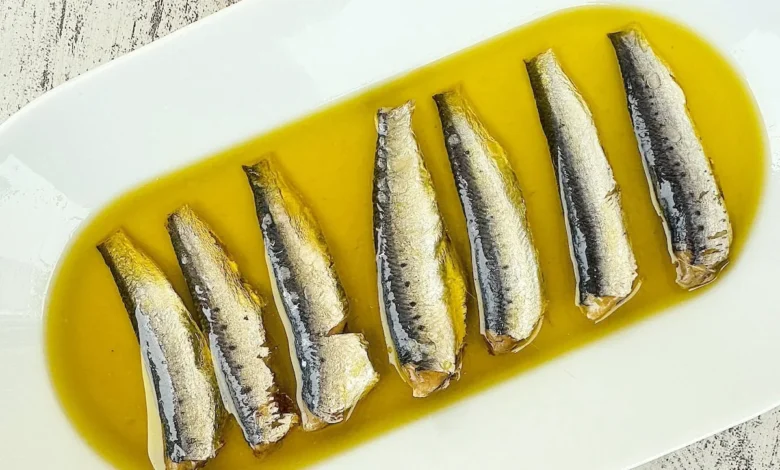
The global perception of the Mediterranean diet has long been dominated by idyllic imagery: coastal villagers casting nets into azure waters, daily trips to vibrant fish markets, and plates laden with expensive, freshly caught seafood. However, nutritional science and historical records reveal a vastly different reality. The traditional diet that earned worldwide acclaim for promoting cardiovascular health and longevity was not built on daily consumption of fresh, premium fish like salmon or sea bass. Instead, it relied heavily on preserved, small, and remarkably affordable oily fish such as sardines and anchovies. As modern consumers increasingly seek sustainable and budget-friendly ways to adopt healthy eating patterns, understanding the historical context of Mediterranean nutrition offers valuable lessons for contemporary meal planning.
Historical Realities and Geographic Constraints
To understand the authentic composition of the Mediterranean diet, one must examine the geography of the region. Take Greece, for instance, where approximately 80 percent of the landmass is mountainous. Historically, a large portion of the population lived in these elevated inland regions, far removed from daily access to the coastline. During the height of traditional dietary practices—often studied by researchers in the mid-20th century—fresh fish was a luxury that inland communities experienced infrequently, if at all.
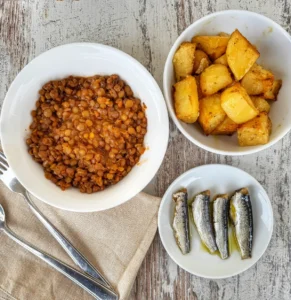
Oral histories and regional archives illustrate that fishmongers might visit mountain villages only once or twice a week during the summer months, even less frequently in the winter, and sometimes not at all. Consequently, preservation methods were essential for incorporating marine nutrients into the inland diet. Preservation techniques included salting, curing, and marinating. Rather than serving as the central, standalone protein of a lavish dinner, preserved fish was typically consumed in modest portions as a side dish or condiment. It accompanied staples like wild greens, legumes, and root vegetables—for instance, marinated sardines served alongside a hearty bowl of lentil soup. This resourcefulness defined the authentic Mediterranean lifestyle, proving that physical distance from the sea did not preclude communities from benefiting from marine-based nutrition.
Nutritional Science and the Power of Omega-3 Fatty Acids
At the core of the medical community’s endorsement of fish consumption lies a specific category of nutrients: omega-3 fatty acids. These polyunsaturated fats are classified as essential, meaning the human body requires them for optimal physiological function but cannot synthesize them independently. Consequently, they must be acquired through dietary sources.
Clinical research has consistently demonstrated the profound health benefits of omega-3 fatty acids, particularly eicosapentaenoic acid (EPA) and docosahexaenoic acid (DHA). These compounds play a critical role in cardiovascular health by lowering triglyceride levels, reducing blood pressure, and mitigating the risk of arrhythmias, heart attacks, and strokes. Furthermore, neurological studies indicate that regular intake of omega-3s is associated with a reduced incidence of cognitive decline, dementia, and Alzheimer’s disease. Their potent anti-inflammatory properties also help combat chronic, low-grade inflammation, which is increasingly recognized as a root driver of numerous modern chronic illnesses, including type 2 diabetes and certain autoimmune disorders.
In the traditional Mediterranean framework, omega-3s were not derived exclusively from marine life. Terrestrial sources such as wild greens (horta), walnuts, and dairy and meat products from grass-fed livestock also contributed to the daily intake. However, small oily fish provided a consistent and dense concentration of these vital nutrients, cementing their status as a cornerstone of longevity.
Sardines: The Nutritional Powerhouse
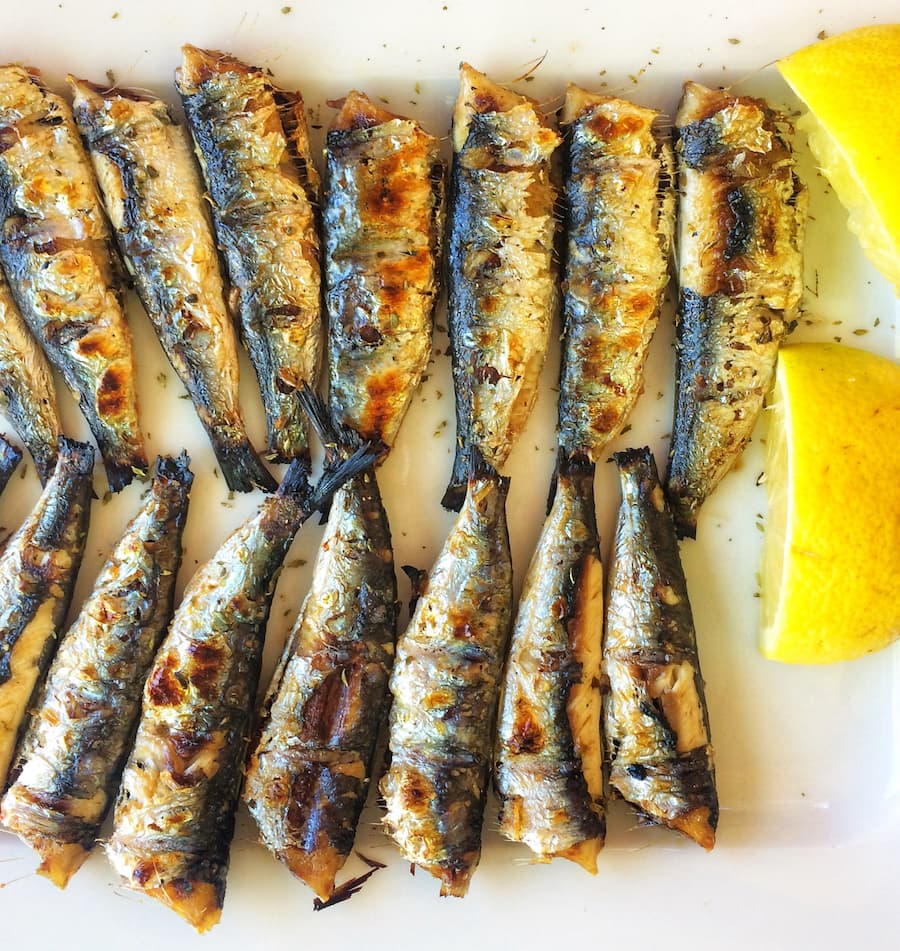
Among the various species consumed, the humble sardine stands out as one of the most nutritionally dense foods available. Despite often being overlooked in modern culinary trends, sardines offer a remarkable profile of macro- and micronutrients.
Because sardines are typically consumed whole—including their soft, edible bones, particularly when canned—they provide an exceptional source of bioavailable calcium and vitamin D, two nutrients notoriously difficult to obtain adequately from standard dietary sources. Furthermore, they are rich in high-quality protein, vitamin B12, iron, and selenium.
Ecological and economic factors further elevate the status of sardines. Positioned low on the marine food chain, sardines feed primarily on plankton, which prevents them from accumulating significant levels of heavy metals such as mercury. This low mercury accumulation distinguishes them from larger predatory fish like swordfish or shark, making sardines exceptionally safe for frequent consumption, including by vulnerable populations such as pregnant women and young children. Economically, sardines remain one of the most cost-effective animal proteins on the market, challenging the assumption that adhering to a health-conscious diet requires a substantial financial commitment.
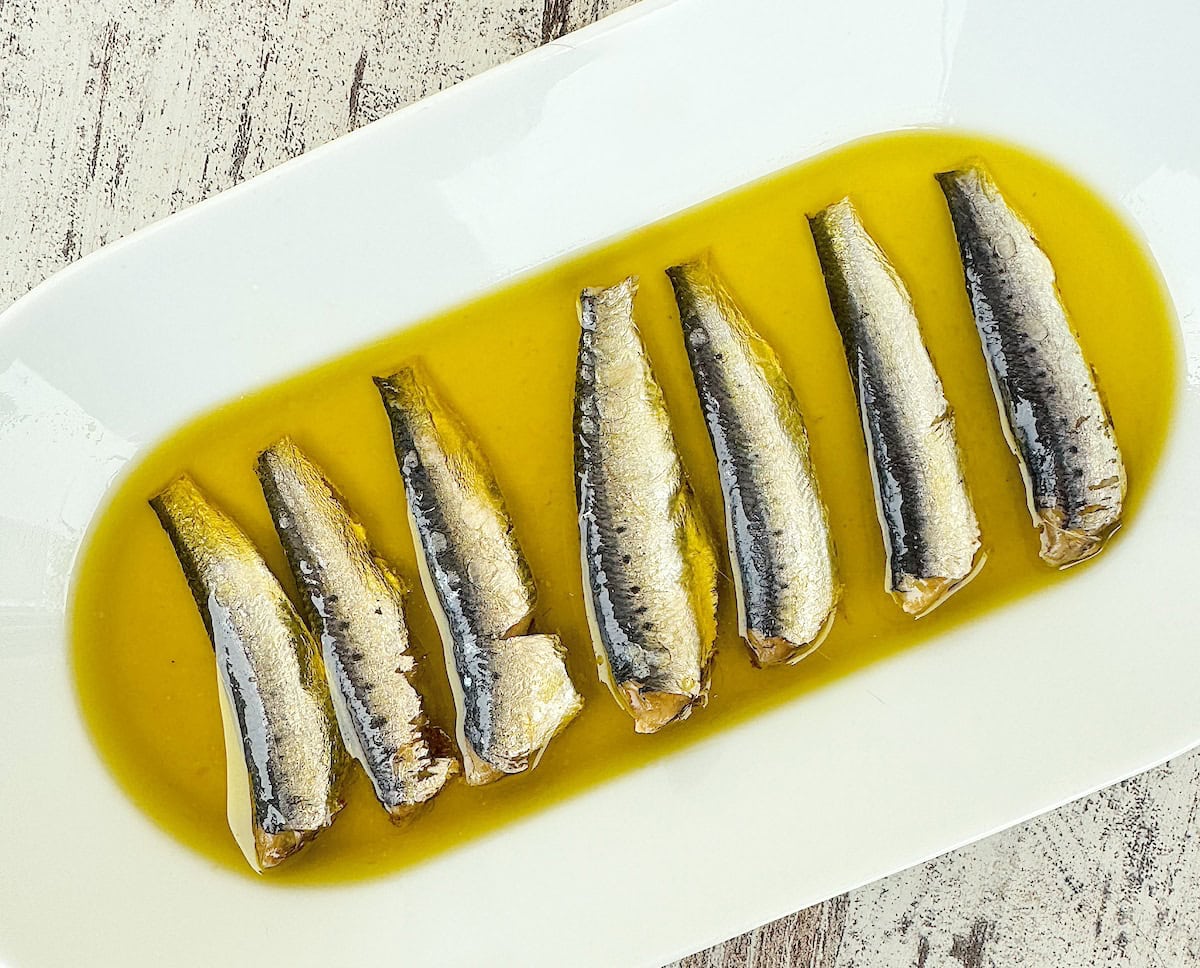
Moreover, processing methods do not compromise these nutritional benefits. Canned sardines packed in olive oil retain their omega-3 fatty acids, protein, and mineral content, offering a shelf-stable alternative that rivals fresh fish in nutritional value.
Anchovies: Culinary Versatility and Micronutrient Density
Similarly underestimated are anchovies, which are frequently relegated to the role of a divisive pizza topping in contemporary Western cuisine. In traditional Mediterranean cultures, however, anchovies are revered for their intense umami flavor and dense nutritional composition.
Like sardines, anchovies are small pelagic fish rich in omega-3 fatty acids, selenium, iron, vitamin B12, and calcium when consumed whole. Their low position on the food chain similarly ensures minimal mercury contamination. Historically, salt-packed anchovies served as a vital protein and sodium source for inland villages lacking refrigeration. Marinated variations, such as the classic Greek gavros marinatos, demonstrate how simple preservation techniques utilizing citrus juice and olive oil transform a humble catch into a revered culinary tradition, frequently enjoyed as a meze alongside regional spirits.
The Salmon Paradox: Nutritious, But Not Mediterranean
In contemporary health discussions, salmon is frequently touted as the quintessential healthy fish, largely due to its high omega-3 content, robust protein profile, and presence of astaxanthin, a powerful antioxidant. While salmon is undeniably nutritious, culinary historians and nutritionists emphasize that it holds no historical place in the traditional Mediterranean diet.
Salmon is native to the North Atlantic and Pacific oceans and does not inhabit the Mediterranean Sea. While incorporating salmon into a modern diet aligns with general healthy eating guidelines, consumers should recognize that it is not culturally authentic to the Mediterranean region. Furthermore, wild-caught salmon is often prohibitively expensive, and farmed varieties present environmental and economic considerations that differ vastly from the small, sustainable fisheries that historically supported Mediterranean coastal communities. Traditional alternatives like sardines and anchovies provide comparable nutritional benefits at a fraction of the cost and with a lighter environmental footprint.
Preserved Staples: Salt Cod and Herring
Beyond small pelagic species, other preserved fish traditions played a critical role in regional nutrition. Salt cod (baccala or bakaliaros), though not native to the warm waters of the Mediterranean, became an institutional staple of the diet through centuries of trade. Because salt-curing allowed cod to be transported deep inland without refrigeration, it gave rise to iconic regional dishes across Southern Europe, including Greek bakaliaros skordalia, Portuguese Bacalhau à Brás, and Italian baccalà alla Napoletana. While cod is a lean protein rather than a fatty fish—meaning it lacks the high omega-3 concentrations of sardines—it remains a versatile, low-fat protein source deeply rooted in Mediterranean culinary heritage.
Similarly, smoked and salted herring (renga), though originating in Northern European waters, found a permanent home on the Greek table as a preserved staple. Consumed sparingly as a companion to legumes like lentils or chickpeas, herring provided essential fatty acids and micronutrients to inland populations, exemplifying the pragmatic adaptability of traditional food cultures.
Implications for Modern Dietary Habits
The historical reality of fish consumption in the Mediterranean offers a liberating perspective for contemporary consumers. Adhering to the principles of this renowned dietary pattern does not necessitate daily trips to a fishmonger, nor does it require purchasing expensive, specialty seafood imports.
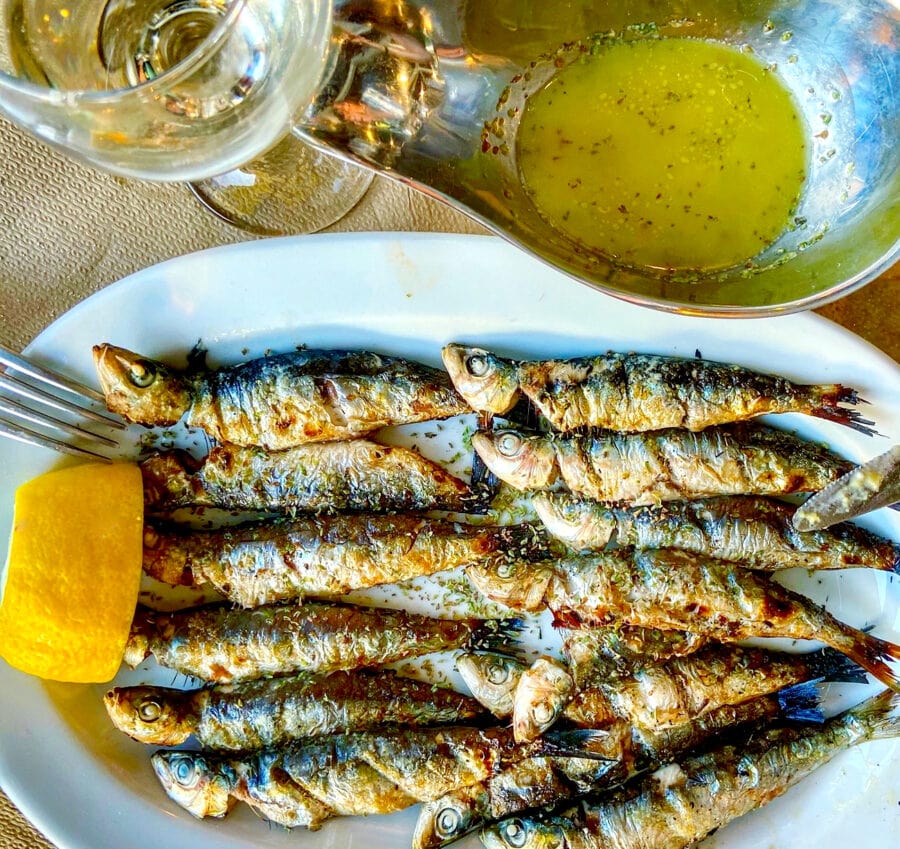
By embracing small, oily, and preserved fish such as sardines and anchovies—whether fresh, grilled, or conveniently accessed from an olive-oil-packed tin—individuals can easily meet their nutritional requirements for omega-3 fatty acids, calcium, and high-quality protein. This approach not only aligns with the authentic practices of longevity-favored populations but also offers a sustainable, economically viable strategy for long-term health and wellness.