Curry Noodle Soup with Popcorn Chicken: A Fusion Comfort Dish Reshaping Weeknight Home Cooking

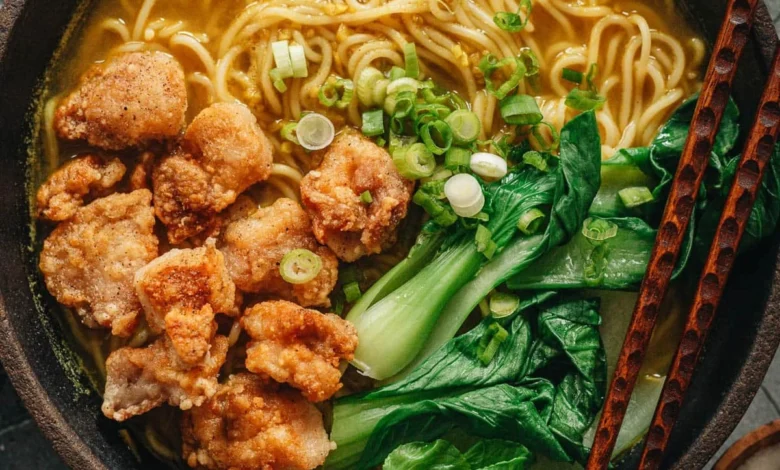
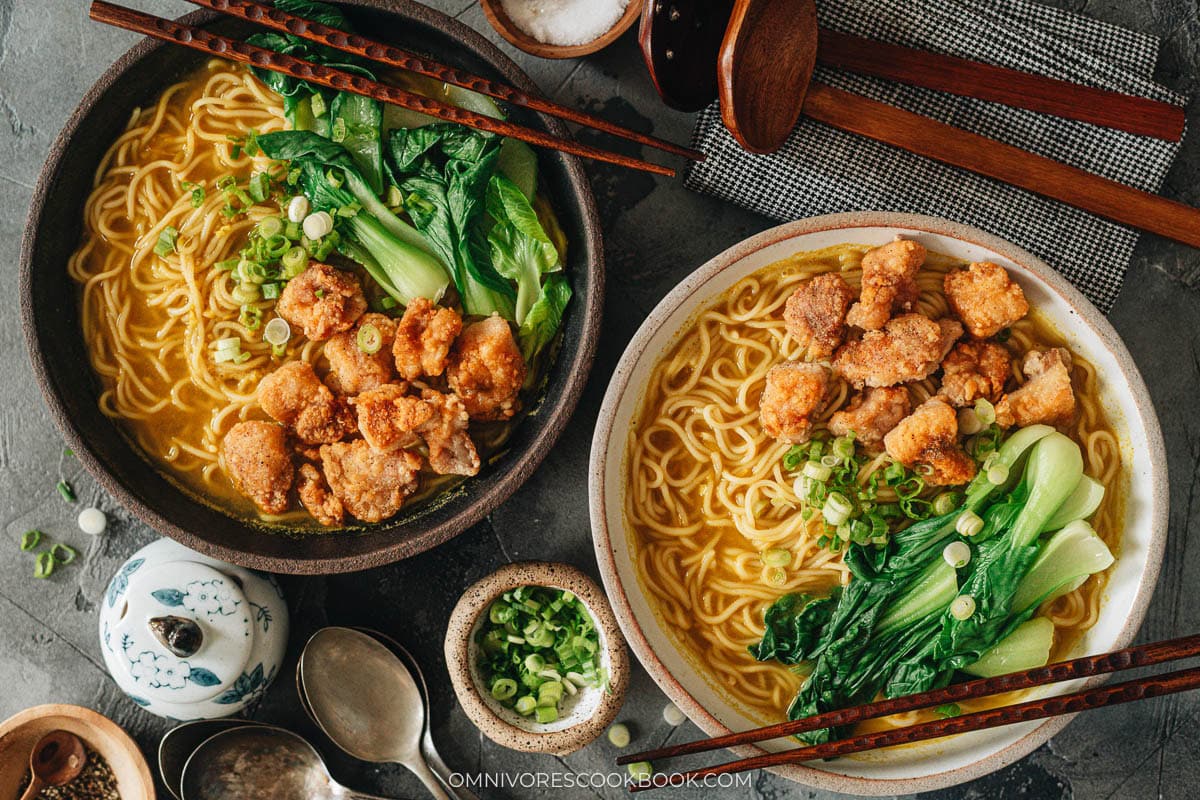
The culinary landscape of contemporary home cooking continues to evolve through the creative fusion of cross-cultural flavor profiles, offering efficient solutions for modern households seeking both speed and complexity in their meals. Among the latest recipes gaining traction across digital culinary platforms is the curry noodle soup paired with crispy popcorn chicken—a dish that reimagines traditional Chinese home-style noodle soups by integrating Japanese curry powder techniques with Taiwanese-inspired crunchy chicken textures. Developed as a practical weeknight meal, this recipe addresses the perennial household demand for quick, kid-friendly dinners that do not sacrifice robust flavor profiles.
Culinary Origins and Flavor Architecture
The genesis of this modern homestyle dish lies in the adaptation of global spice profiles to fit the fast-paced nature of domestic kitchens. Unlike traditional Indian curries, which often rely on complex, long-simmered spice blends, or rich Thai coconut-based curries, this iteration utilizes Japanese curry powder as its aromatic foundation. Japanese curry powder typically features a milder, sweeter, and more rounded flavor profile due to a balanced blend of turmeric, coriander, cumin, and fenugreek, making it accessible to palates of all ages.
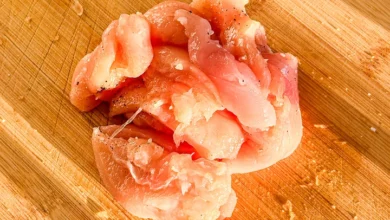
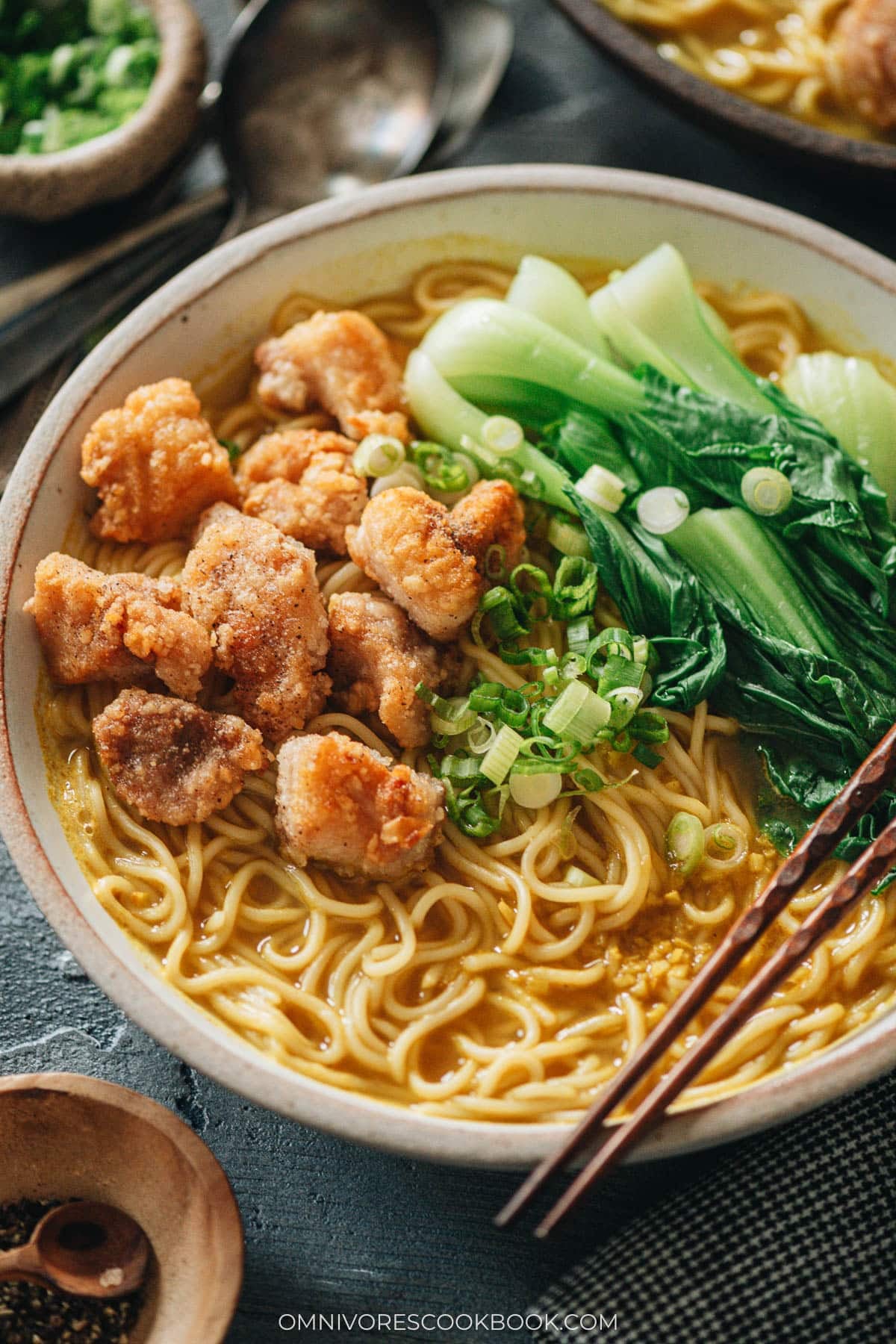
The architecture of the dish is built upon a contrast of textures and temperatures. Rather than simmering the protein within the broth—a standard practice in many traditional soups—the chicken is treated as an independent component. Boneless, chicken thighs are cut into bite-sized morsels, briefly marinated in Shaoxing rice wine and salt, and then coated in cornstarch just before frying. This technique locks in natural juices while creating a light, shatteringly crisp exterior reminiscent of Taiwanese street-food popcorn chicken.
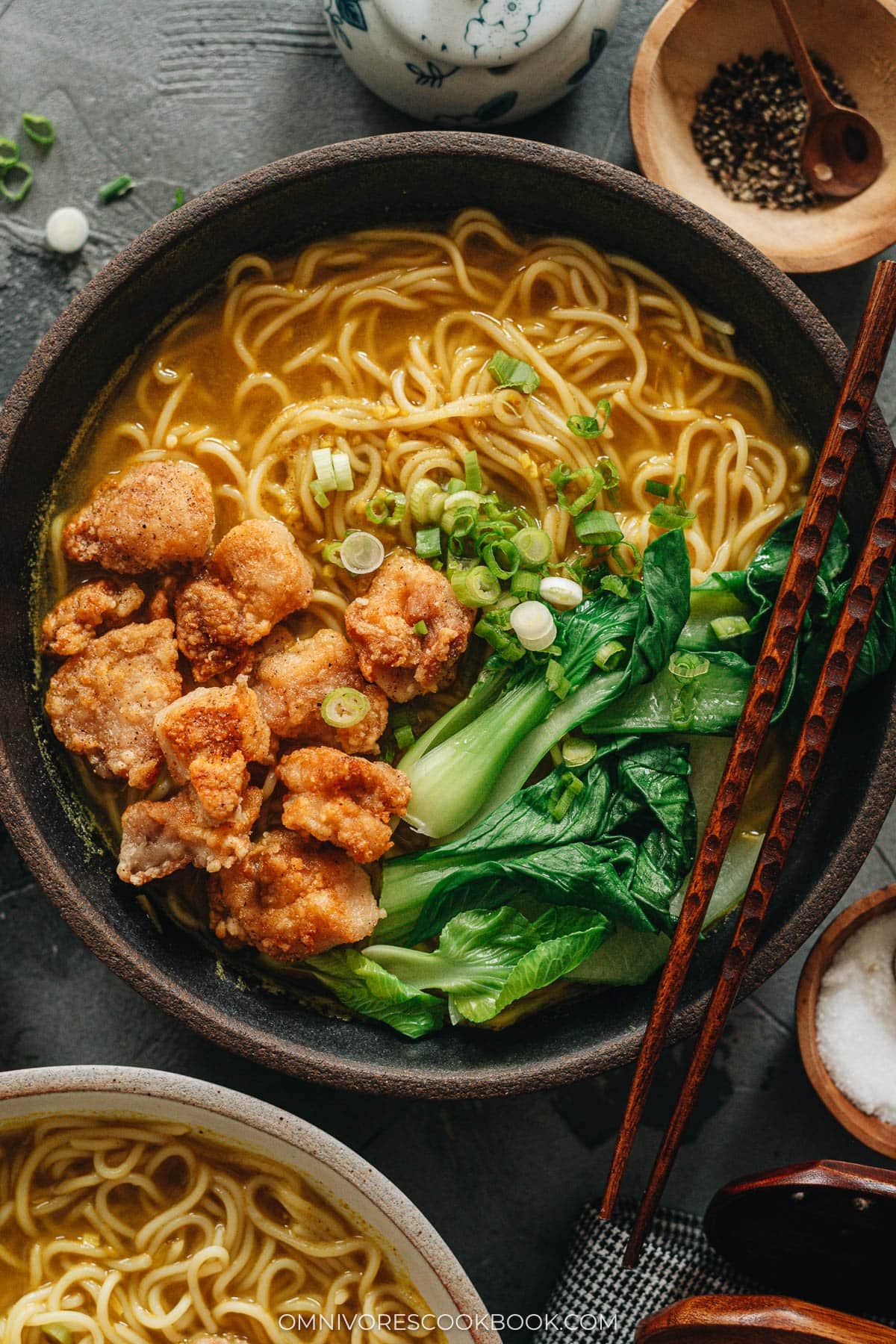
When introduced to the soup, the chicken provides a textural counterpoint to the soft, absorbent Chinese wheat noodles and blanched baby bok choy. The culinary rationale for keeping the chicken crisp relies on timing; the pieces are added to the bowl immediately before serving so that the outer layer maintains its structural integrity while gradually absorbing the savory broth as the meal progresses.
Chronology and Preparation Workflow
Designed with kitchen efficiency in mind, the entire preparation and cooking timeline spans approximately 30 to 35 minutes, aligning with average consumer demands for rapid weeknight meal execution. The workflow relies on a single-skillet method that maximizes flavor extraction while minimizing post-cooking cleanup.
Phase one begins with protein preparation. The chicken thighs undergo a brief ten-minute marinade in Shaoxing wine and salt, allowing the aromatics to penetrate the meat fibers. Immediately prior to cooking, the cornstarch coating is applied—a crucial temporal detail, as early coating can draw out moisture and yield a gummy texture.
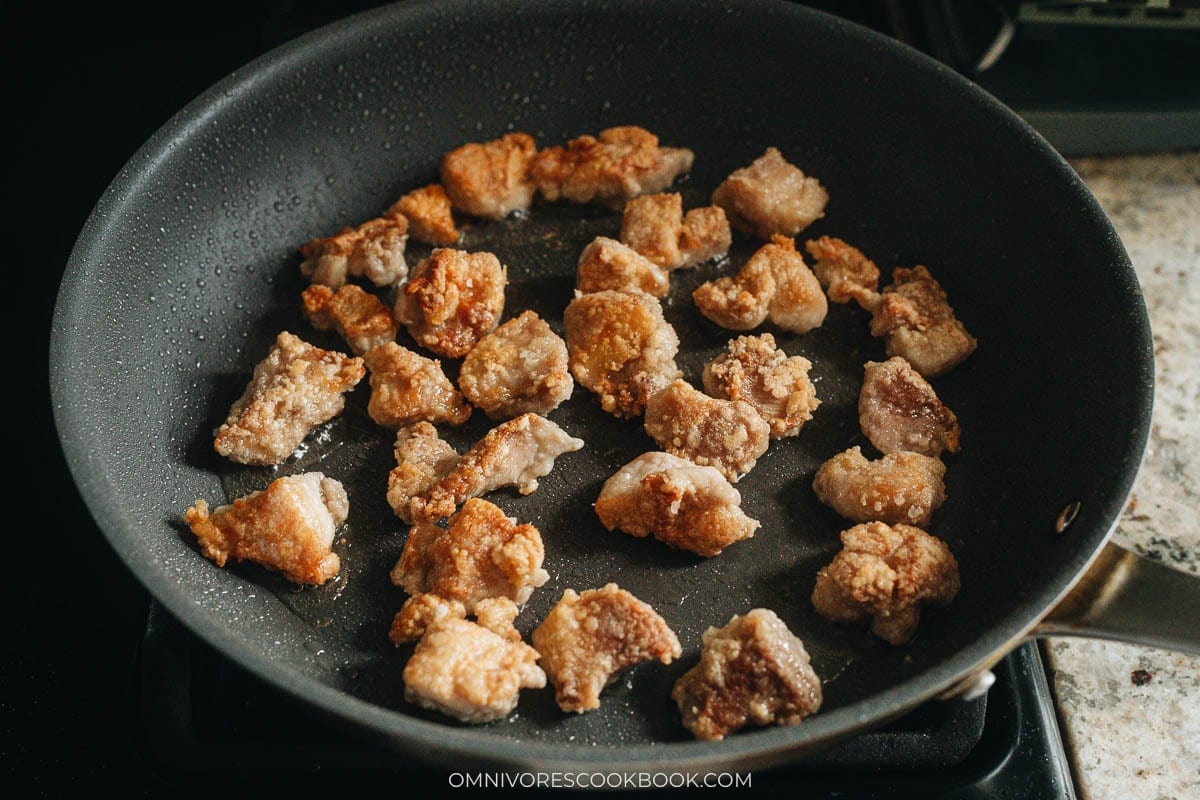
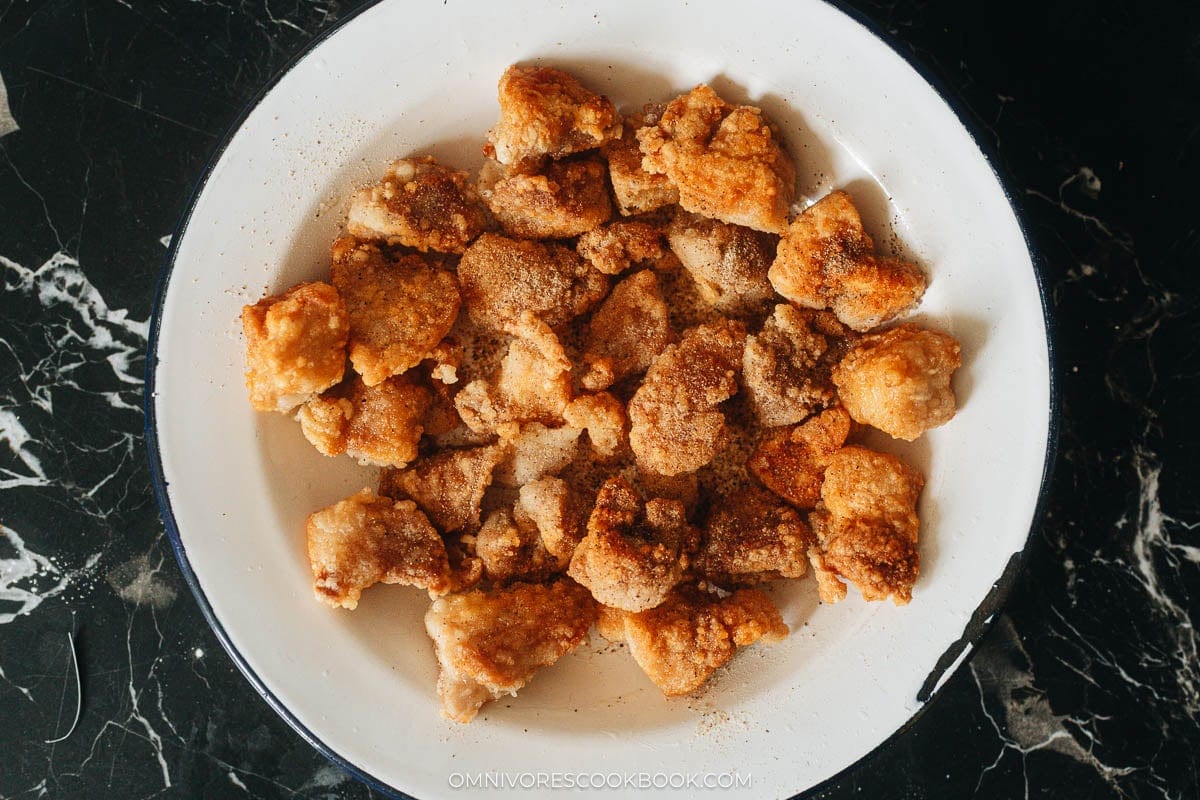
Phase two centers on the primary skillet. Peanut oil, chosen for its high smoke point, heats to medium-high to facilitate the shallow frying of the chicken pieces arranged in a single layer. Once golden brown—typically requiring two to three minutes per side—the chicken is transferred to a resting plate and seasoned immediately with white pepper, which imparts a distinct earthy heat.
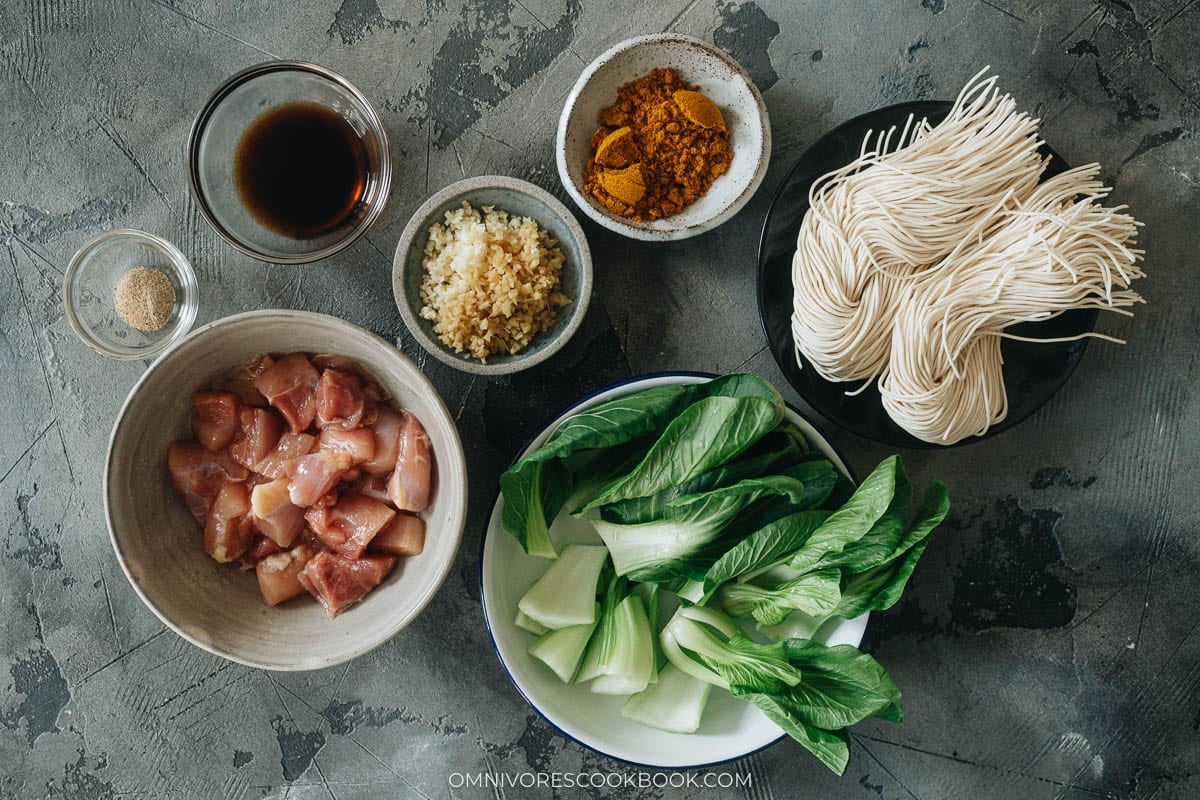
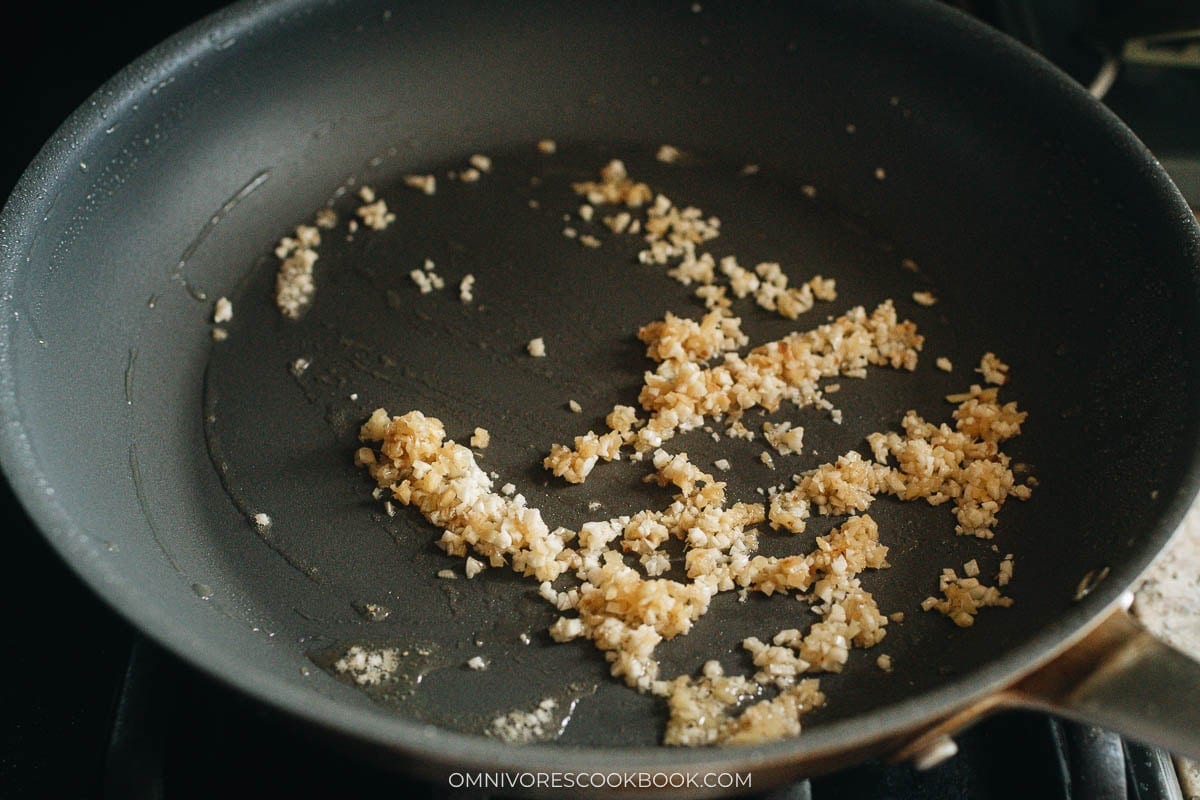
Phase three utilizes the residual fond and remaining infused oil left in the skillet. Without wiping the pan, grated ginger, garlic, and the Japanese curry powder are bloomed in the leftover fat for roughly one minute. This step utilizes culinary chemistry, as fat-soluble compounds in the spices release their essential oils into the pan. Chicken stock is subsequently introduced, alongside secondary seasonings including rice vinegar, soy sauce, a touch of sugar, and additional Shaoxing wine to balance the profile.
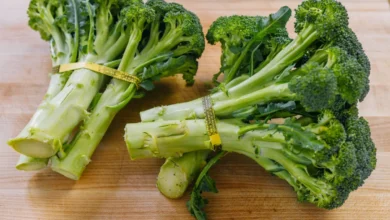
Phase four concludes the timeline concurrently: wheat noodles and baby bok choy are blanched in a separate boiling pot of water. The greens are plunged into cold water to arrest the cooking process and preserve their vibrant chlorophyll color, while the noodles are drained and divided into serving bowls. The final assembly involves layering the noodles, bok choy, simmering curry broth, and the crown of crispy popcorn chicken, finished with a scatter of fresh green onions.
Nutritional Profile and Dietary Considerations
Analysis of standard nutritional metrics for a single serving of this curry noodle soup reveals a balanced macronutrient distribution tailored for sustained energy. A typical portion containing approximately 531 kilocalories provides 38.3 grams of protein, largely attributed to the generous portion of chicken thigh meat. Carbohydrates account for 47.2 grams, supplied primarily by the wheat noodles, while dietary fiber stands at 4.5 grams, supported by the inclusion of baby bok choy.
Total fat content is registered at 20.2 grams, with only 3 grams originating from saturated fats, reflecting the use of unsaturated peanut oil for frying. However, dietary monitors note a relatively high sodium content—averaging 1,551 milligrams per serving—largely driven by the integration of soy sauce, chicken stock, and seasoning salts. Culinary experts suggest that home cooks monitoring their sodium intake can mitigate this by opting for low-sodium chicken broth and reducing added table salt without significantly compromising the dish’s flavor complexity.
Broader Culinary Trends and Expert Adaptations
The popularity of hybrid comfort dishes like the curry noodle soup with popcorn chicken underscores a broader shift in home economics and culinary consumption. Modern consumers increasingly favor flexible recipes that allow for ingredient substitutions based on pantry availability. Culinary authorities note that while thin Chinese wheat noodles and chicken thighs form the traditional base of this specific iteration, the framework accommodates substitutions seamlessly—such as utilizing ramen noodles, udon, or lean chicken breast, provided the cooking times are adjusted accordingly to prevent dryness.
Furthermore, the dish highlights the growing appreciation for regional Asian pantry staples in Western domestic cooking. Ingredients such as Shaoxing wine, a traditional Chinese rice wine used for depth and fermented complexity, have transitioned from specialty Asian supermarket items to mainstream grocery staples, reflecting shifting demographic tastes and an increased willingness among home cooks to experiment with authentic flavor bases.
As households continue to navigate the demands of busy schedules paired with a desire for restaurant-quality dining experiences at home, streamlined fusion recipes that merge comforting familiarity with vibrant global spices are expected to remain a staple of contemporary food culture.