Beyond Survival: How Independent Restaurants Are Reinventing the Industry Through Employee Investment

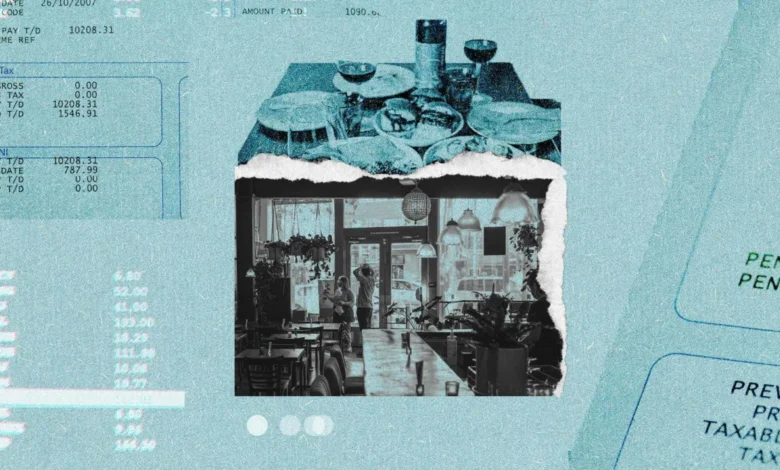
The COVID-19 pandemic introduced an era of relentless cutbacks, forcing countless independent eateries across the United States to shutter their doors permanently, pivot to precarious takeout models, or slash operational costs just to stay afloat. For decades, the American restaurant industry operated on a notoriously fragile economic model characterized by razor-thin profit margins, grueling 80-hour workweeks, stagnant wages, and virtually nonexistent benefits. When government-mandated lockdowns and shifting public health guidelines decimated foot traffic in early 2020, this dysfunctional status quo transformed from a persistent systemic flaw into an acute existential crisis.
However, a growing cohort of forward-thinking operators is using this historic disruption as an opportunity to overhaul the foundational economics of food service. Rather than tightening their belts further, these restaurateurs are opting to invest heavily in their most critical asset: their workforce. By raising base wages, offering comprehensive healthcare, implementing paid time off, and rethinking operational efficiency, pioneering establishments are proving that prioritizing employee well-being is not just an ethical imperative, but a remarkably sound business strategy that drives revenue, boosts retention, and ensures long-term sustainability.
The Genesis of a High-Investment Model
In the historic Santa Barbara County town of Los Alamos, California, Greg and Daisy Ryan faced the same existential dread as millions of their industry peers in the spring of 2020. As co-owners of Bell’s, a popular French-inspired bistro, they watched helplessly as pandemic restrictions choked off traditional dining. While many of their contemporaries rushed to transition into retail markets or simplified takeout operations, the Ryans made a radical, counterintuitive pivot.

In June 2020, following a strategic two-month closure to reevaluate their business plan, the couple decided to dramatically increase their expenditures on staff. They hiked average wages to $27 per hour and introduced a robust perks package that included fully covered health insurance and 80 hours of paid time off. In an industry where financial survival usually dictates minimizing labor costs at all costs, the Ryans’ decision was a massive gamble.
Yet, the investment paid immediate dividends. In the wake of these sweeping changes, Bell’s experienced a dramatic surge in both revenue and staff stability. Prior to the pandemic, in 2019, the restaurant cleared approximately $1 million in annual revenue. By 2021, despite ongoing public health challenges and capacity fluctuations, that figure surged to roughly $3 million. Meanwhile, employee retention skyrocketed to over 95 percent, creating a deeply experienced, highly cohesive team that fundamentally elevated the guest experience.
Cracking the Code: Financial Engineering and Operational Shifts
Transitioning to a high-wage, high-benefit employment model requires meticulous financial engineering. For the Ryans, achieving this economic balance involved a deep dive into hard costs, such as real estate, alongside flexible expenses like food and labor. Collaborating with an industry brain trust comprising former and current management from the Union Square Hospitality Group, the Thomas Keller Restaurant Group, and restaurant operations support group Oyster Sunday, the couple engineered a streamlined business model centered around a fixed-price menu.
Bell’s transitioned to a $65 five-course pre-fixe dinner menu, accompanied by a mandatory 20 percent service fee implemented in lieu of traditional tipping. This structure eliminated the unpredictability of a-la-carte ordering, enabling the kitchen to tightly manage food waste, accurately forecast inventory needs, and build reliable partnerships with local agricultural producers. By October 2021, mirroring inflationary pressures and rising food costs, the menu price adjusted to $75 per person, consistently drawing 65 to 75 covers a night.
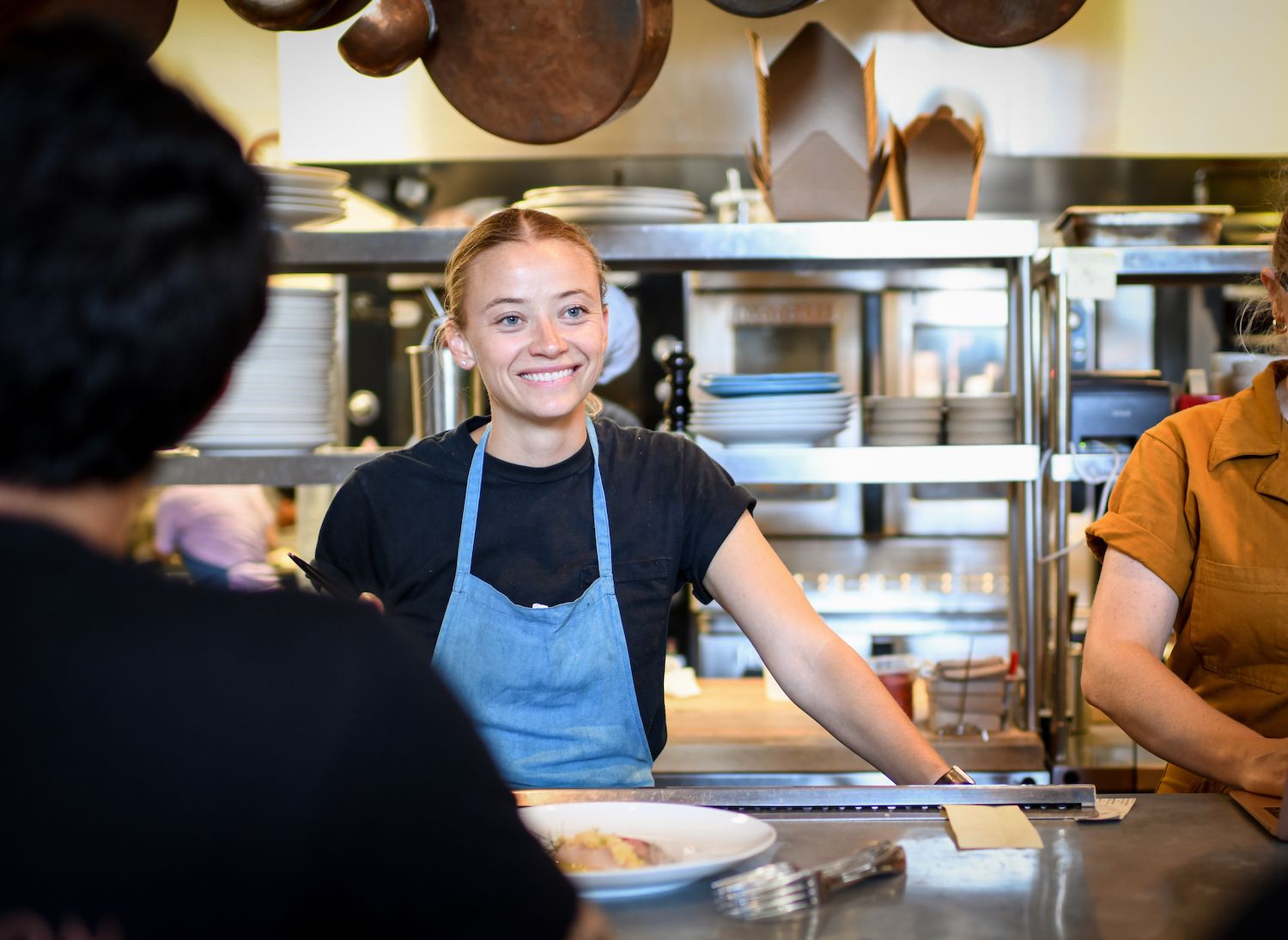
The inclusion of a 20 percent service fee removed the volatility of tipping, ensuring a transparent, guaranteed revenue stream dedicated to supporting labor costs. While service fees carry the distinct regulatory disadvantage of being classified as taxable income—meaning the restaurant must pay taxes on the pooled funds—the operational upside of wage predictability far outweighed the bureaucratic hurdles.
The Broader Labor Crisis and Industry Context
The struggles faced by Bell’s occurred against a grim national backdrop. According to data from the U.S. Bureau of Labor Statistics (BLS), the leisure and hospitality sector suffered catastrophic employment losses during the pandemic. By March 2022, the food service industry remained down nearly 820,000 jobs compared to its pre-pandemic peak in February 2020.
Years of systemic exploitation—manifested as sub-minimum wages for tipped workers, volatile schedules, lack of health insurance, and vulnerability to hostile customer behavior—finally culminated in a mass exodus. Thousands of cooks, servers, dishwashers, and front-of-house staff permanently abandoned the culinary sector in search of predictable hours, remote work opportunities, and corporate benefits. With federal financial lifelines like the Restaurant Revitalization Fund heavily depleted and largely inaccessible to the vast majority of applicants, independent owners were left entirely on their own to navigate the acute labor shortage.
Innovating Across the Country: Oakland and Washington, D.C.

The movement toward sustainable labor practices is not restricted to rural California bistros; it is manifesting in diverse formats nationwide. In Oakland, California, Stella Dennig co-opened Daytrip, a natural wine bar and restaurant, with a firm commitment to dismantling traditional labor exploitation. Dennig openly acknowledges that Daytrip’s labor costs routinely consume between 40 and 48 percent of the restaurant’s total expenditures—substantially higher than the traditional industry benchmark of 30 percent.
To offset these elevated labor investments, Daytrip has aggressively diversified its revenue streams. Alongside sit-down dinner service, the establishment operates curated natural wine and beverage clubs, pop-up nighttime wine bars featuring low-labor snacks, and plans for a daytime coffee and pastry service. By cultivating multiple revenue channels that do not require a full back-of-house kitchen staff, Daytrip generates steady cash flow while maintaining competitive wages. Non-salaried employees at Daytrip start at $16 to $18 an hour—exceeding Oakland’s baseline minimum wage—and share equally in a pooled 20 percent service fee. Furthermore, the restaurant provides scaling healthcare stipends and quarterly financial literacy workshops.
Similarly, in Washington, D.C., hospitality entrepreneur Jason Berry initiated a comprehensive six-month pilot program across his Mi Vida and Succotash restaurants. The program addresses the notorious burnout plaguing managerial and culinary leadership by shifting managers and chefs from traditional five-day, 11-to-12-hour onsite workweeks to compressed four-day, 12-hour shifts. Administrative tasks such as scheduling and menu planning are permitted to be completed offsite.
While Berry noted that the shift required hiring three additional managers at baseline salaries of approximately $80,000 each, the reduction in turnover rapidly offset the initial onboarding outlay. Industry data indicates that the cost of replacing a departing employee—factoring in lost productivity, recruitment commissions, and intensive training hours—can easily consume 15 percent or more of a worker’s annual salary. By fostering sustainable work-life balances, restaurants preserve invaluable institutional knowledge and maintain culinary consistency.
The Human Impact on Workers

For the individuals laboring on the front lines of the restaurant industry, the shift toward comprehensive benefits represents a transformative, life-altering development. Micah Fendley, a veteran server with two decades of industry experience, experienced a profound shift in his relationship with his profession after joining the team at Bell’s. For the first time in his career, Fendley received employer-sponsored health insurance.
Beyond the tangible medical security, Fendley noted that paid winter breaks and equitable compensation fundamentally altered his mental health and daily stamina. Returning to work after a restorative holiday afforded him a level of professional engagement and alertness he had never previously experienced in decades of hospitality work.
Industry experts emphasize that structural improvements do not invariably require astronomical capital outlays. Anne McBride, vice president of programs at the James Beard Foundation, highlights that many workers departed the industry simply due to a lack of transparent career progression. By formalizing clear pathways for advancement, wage increases, and leadership development, independent operators can successfully transform transient food service jobs into viable, long-term careers without necessarily disrupting their core financial models.
The Path Forward for Sustainable Hospitality
As independent restaurants continue to navigate economic uncertainties, inflationary pressures, and evolving consumer habits, the traditional playbook of cutting labor costs to preserve short-term margins is increasingly viewed as a relic of an unsustainable past.

For operators like Greg Ryan, the mission moving forward is clear. Plans are already underway at Bell’s to introduce vision and dental coverage alongside a robust 401(k) retirement matching program. These continuous reinvestments serve a dual purpose: they fortify the business against the perennial turbulence of the labor market, and they signal to employees that they are valued human beings rather than disposable operational cogs.
While achieving this utopian operational balance requires a delicate blend of fortunate real estate positioning, diversified revenue streams, meticulous financial planning, and unwavering ideological commitment, the results speak for themselves. By treating labor as an invaluable investment rather than a manageable liability, pioneering restaurateurs are proving that a healthier, more equitable industry is not merely an idealistic dream, but a commercially viable reality.