The Science of the Maillard Reaction and Culinary Evolution
The transformation of raw garlic into black garlic is not a fermentation process, but rather a slow, controlled aging process driven by the Maillard reaction. By exposing bulbs of Allium sativum to sustained low-level heat and controlled humidity for several weeks, the naturally occurring sugars and amino acids rearrange to create melanoidin, the dark pigment responsible for the garlic’s characteristic color.
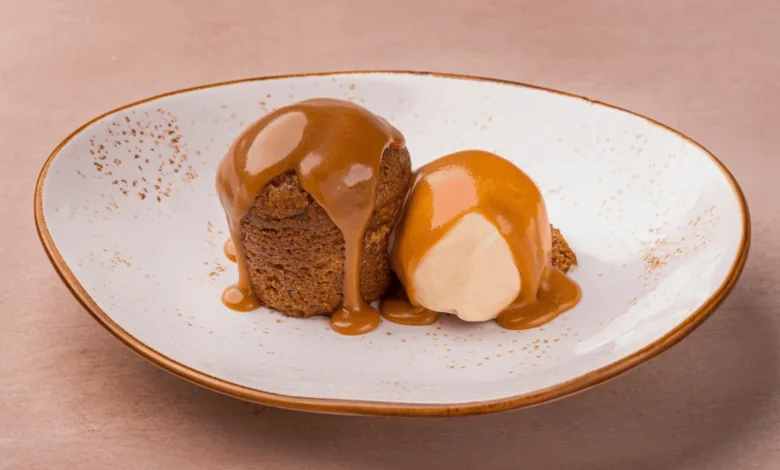
From a biochemical standpoint, this process reduces the sulfurous, pungent notes of raw allicin, replacing them with a complex profile of molasses, balsamic vinegar, tamarind, and dried fruit. The resulting flavor is intensely savory—often described as "umami-rich"—making it a versatile ingredient. The integration of this ingredient into an ice cream base, bolstered by the floral sweetness of honey, is a deliberate exercise in flavor balancing. The honey acts as a bridge, tempering the earthy, caramelized notes of the garlic while providing the necessary viscosity to maintain a smooth, churned texture.
Chronology of the Modernist Gastronomy Movement
The emergence of avant-garde desserts like Black Garlic Honey Ice Cream did not occur in a vacuum. It is the latest iteration of a culinary movement that began in the late 1990s and early 2000s, pioneered by figures such as Ferran Adrià at El Bulli and Heston Blumenthal at The Fat Duck.
Historically, this movement focused on the deconstruction of traditional dishes and the application of laboratory techniques to food. In the early 2010s, the focus shifted toward "Modernist Pantry" style cooking, which brought specialized hydrocolloids, precision temperature control, and unconventional flavor pairings into the professional and home kitchen. The transition from experimental fine dining to accessible, intermediate-level recipes reflects the democratization of these techniques. Today, the ability to create complex, multi-day desserts is no longer restricted to professional laboratories but is facilitated by the widespread availability of high-quality, shelf-stable ingredients like fermented black garlic.
Supporting Data and Market Trends
Consumer demand for "functional" and "complex" food experiences has seen a measurable rise over the last decade. Market research indicates that "umami" is no longer a niche culinary term; it is now a recognized flavor profile requested by a significant demographic of adventurous home cooks.
Data from recent culinary expos suggests that fermented ingredients—including black garlic, kimchi, and koji—are experiencing a 15% year-over-year growth in interest within the dessert sector. This trend is driven by a desire for reduced sugar content, as the natural complexity of fermented ingredients allows chefs to rely less on sucrose and more on depth of flavor to provide a satisfying sensory experience.
Preparation Protocol: A Technical Overview
The preparation of Black Garlic Honey Ice Cream is classified as an intermediate culinary task, requiring approximately 24 hours of total time to ensure proper infusion and aging of the base.
- Base Infusion: The process begins with the creation of a standard custard or Philadelphia-style base. The black garlic must be meticulously processed into a fine paste or emulsion before being integrated into the dairy. Failure to properly emulsify the garlic can result in textural inconsistencies, which are undesirable in premium ice cream.
- The Aging Period: The mixture must be held at a controlled, chilled temperature for at least 12 hours. This period is crucial for "maturing" the flavor; it allows the water-soluble compounds in the black garlic to fully integrate with the milk fats.
- Churning and Temperature Control: The freezing process requires consistent agitation to prevent the formation of large ice crystals. The introduction of honey—a liquid sweetener with a lower freezing point than sucrose—further complicates the freezing curve, requiring precise temperature management to ensure a scoopable, stable product.
Industry Expert Perspective
Culinary historians and food scientists argue that the success of such a dish relies on the "flavor-bridging" principle. "When you pair a high-umami ingredient with a high-sugar ingredient, you are essentially activating different receptors on the palate simultaneously," notes Dr. Elena Vance, a sensory science consultant. "The honey provides an immediate sensory reward, while the black garlic provides a lingering, ‘brooding’ finish. It is this temporal difference in taste perception that makes the dessert memorable."
Furthermore, chefs who have adopted this recipe emphasize that it is not merely a novelty item but a study in contrast. By moving away from purely sugary desserts, culinary professionals are attempting to combat "palate fatigue," where the overwhelming sweetness of traditional desserts dulls the diner’s interest.
Broader Impact on Home Cooking
The shift toward recipes like Black Garlic Honey Ice Cream suggests a broader trend in home cooking: the willingness to fail in pursuit of innovation. The "Intermediate" difficulty rating reflects the necessity of having basic technical knowledge—such as proper tempering of eggs or the use of an ice cream churn—but the recipe itself encourages experimentation with ratios.
The economic implication is also significant. As artisanal food products become more accessible, the barrier to entry for high-level culinary techniques has collapsed. Consumers can now source premium black garlic online or at local farmers’ markets, enabling the creation of "restaurant-quality" experiences at home. This shift benefits small-scale producers of fermented goods, who have seen a surge in demand as their products transition from specialty items to pantry staples.
Conclusion and Future Implications
Black Garlic Honey Ice Cream stands as a testament to the maturation of the global palate. It is a dish that requires the diner to set aside preconceptions about what constitutes a "sweet" ingredient. By utilizing the Maillard reaction to bridge the gap between the vegetable kingdom and the dessert menu, the dish offers a blueprint for future culinary innovation.
As sustainability remains at the forefront of the food industry, the use of fermented ingredients—which often utilize agricultural products that might otherwise go to waste—provides a compelling model for future menu planning. Whether this specific flavor profile becomes a mainstream staple or remains a permanent fixture of the avant-garde kitchen, it serves as a clear indicator that the future of gastronomy lies in the successful manipulation of complex, savory, and unexpected flavor profiles. The 24-hour commitment required for this recipe is not merely a technical constraint; it is an invitation for the home cook to engage deeply with the ingredients, reflecting the evolving relationship between the modern consumer and the science of the kitchen.