Khymos Unveils Major Digital Overhaul Featuring a Modernized Domain, Mobile Responsiveness, and a Chemistry-Inspired Brand Identity

The digital home of molecular gastronomy and food science exploration, Khymos, has officially completed a comprehensive behind-the-scenes infrastructure overhaul, marking a significant milestone in the platform’s history. The ambitious modernization project includes a permanent domain migration, the implementation of a fully responsive web design tailored for mobile devices, and the introduction of a custom-designed visual identity rooted in scientific principles. For a platform that has long served as an invaluable digital repository for chefs, scientists, and culinary enthusiasts interested in the physical and chemical transformations of cooking, this modernization represents a long-overdue adaptation to the demands of contemporary web consumption.
Longtime readers navigating to the platform will notice that the blog has successfully transitioned from its legacy subdomain at blog.khymos.org to its streamlined primary domain at khymos.org. To ensure uninterrupted access and preserve the extensive digital footprint accumulated over years of publication, administrators have implemented a comprehensive system of permanent URL redirects. This technical measure guarantees that old bookmarks, academic citations, and external links will automatically route visitors to the correct locations on the newly optimized site without encountering broken links or error pages.
Addressing a Long-Standing Digital Deficit
Among the most critical improvements of this digital refresh is the adoption of a contemporary, responsive WordPress theme. Prior to this update, the website lacked mobile optimization, a limitation that became increasingly pronounced as global internet traffic shifted decisively toward smartphones and tablets. In an era where digital content is predominantly consumed on mobile hardware, the absence of a responsive layout hampered readability and user engagement. Acknowledging this shortfall, the platform’s leadership noted that the transition to a mobile-friendly architecture is a vital enhancement that vastly improves accessibility for a global audience accustomed to consuming information on the go.
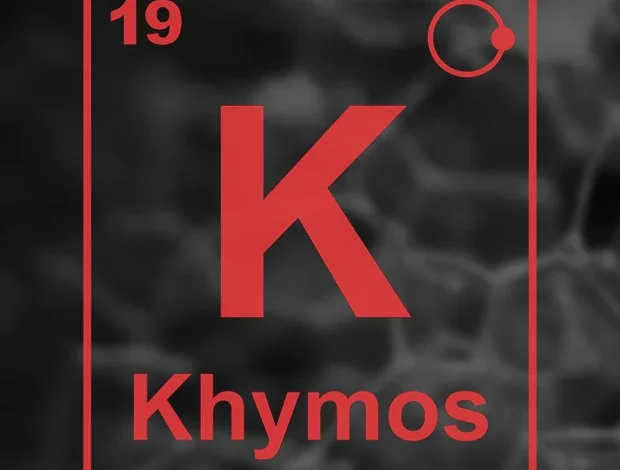
Complementing the structural and architectural changes is a completely redesigned logo that pays homage to the scientific foundations of the site’s content. The new visual mark centers on the letter K, which serves a dual purpose as both the initial letter of the brand name and the internationally recognized chemical symbol for potassium, element number 19 on the periodic table. Further embedding chemical nomenclature into the design, a solitary dot positioned on the ring of the letter symbolizes potassium’s single valence electron in its outermost shell. This subtle yet deliberate nod to chemistry bridges the gap between the platform’s aesthetic presentation and its core intellectual focus: the scientific principles governing culinary arts.
A Chronological Evolution of Food Science Communication
To understand the significance of the Khymos overhaul, it is helpful to examine the historical trajectory of food science blogging and digital culinary education. Founded during a period when the internet was experiencing a burgeoning interest in molecular gastronomy—popularized by figures like Ferran Adrià, Heston Blumenthal, and Hervé This—Khymos emerged as a bridge between the rigorous academic study of food chemistry and the practical application of these concepts in professional and domestic kitchens.
In the mid-2000s, the landscape of food writing was largely confined to print media, traditional cookbooks, and niche academic journals. The advent of specialized blogs democratized access to complex scientific concepts, allowing amateur cooks and culinary professionals alike to explore hydrocolloids, spherification, and thermal kinetics through accessible online articles and compiled reference guides, such as the widely cited Hydrocolloid Blends list hosted on the site. Over the subsequent decades, as the initial wave of molecular gastronomy evolved into a broader, more integrated appreciation of modernist cuisine and food science, platforms like Khymos maintained their relevance by archiving essential techniques, experimental recipes, and literature reviews.
However, the rapid acceleration of web technology created a widening chasm between the platform’s archival value and its technical execution. While the content remained scientifically rigorous and historically relevant, the underlying infrastructure aged. The lack of mobile responsiveness created friction for users attempting to consult recipes or reference guides in dynamic environments such as restaurant kitchens or home test kitchens, where mobile devices and tablets are the primary tools for accessing digital information. The recent migration and redesign directly address this technical debt, ensuring that foundational culinary science literature remains accessible to contemporary researchers and practitioners.
Data and Technical Specifications of the Migration
Migrating a long-standing WordPress repository of this magnitude involves intricate technical maneuvers designed to preserve SEO equity, user data integrity, and media attachments. Transitioning from a subdomain to a root domain requires meticulous configuration of Domain Name System (DNS) records, secure socket layer (SSL) certificate updates, and the deployment of explicit 301 redirects via server-level configuration files or specialized redirect management plugins.
Industry data on website migrations indicates that failing to execute these steps correctly can result in a catastrophic loss of organic search traffic and broken inbound links from academic papers, culinary forums, and news aggregators. By ensuring that legacy URLs seamlessly resolve to their new counterparts at khymos.org, the platform has safeguarded its historical archive. Furthermore, the adoption of a responsive theme built on modern coding standards significantly improves page load speeds—a critical metric for user retention and search engine optimization. Performance benchmarks for modern WordPress implementations typically emphasize minimizing cascading style sheet (sheet) bloat, optimizing image delivery via next-gen formats, and leveraging browser caching, all of which contribute to a smoother user experience across desktop and mobile operating systems.
Broader Industry Implications and the Future of Culinary Science Platforms
The modernization of Khymos arrives at a time when the digital dissemination of food science is undergoing its own structural transformation. In recent years, the democratization of culinary education has expanded beyond independent blogs into institutional digital repositories, open-access scientific journals, and multimedia platforms such as YouTube channels and specialized streaming masterclasses. Despite this proliferation of content, the demand for curated, text-based reference materials remains exceptionally high.
Experts in digital content preservation note that independent science blogs often face a sustainability crisis. Many early pioneers of food science blogging have gone inactive, leaving valuable intellectual property stranded on outdated, vulnerable platforms plagued by security risks and broken code. The proactive maintenance and technical revitalization demonstrated by Khymos set a positive precedent for similar independent educational resources. By investing in a secure, mobile-responsive infrastructure, the platform ensures that its historical contributions to the culinary science community remain preserved, searchable, and fully functional for future generations of cooks, food scientists, and curious eaters.
Looking ahead, the newly optimized domain provides a stable foundation for potential future expansions, whether through the integration of updated reference tables, interactive calculators for culinary measurements, or renewed publishing schedules. As the intersection of technology and gastronomy continues to evolve—embracing everything from artificial intelligence in recipe development to advanced precision agriculture—having a modernized, accessible digital portal ensures that foundational knowledge remains within easy reach of anyone equipped with a smartphone and a passion for understanding the chemistry of food.