Prime Rib Roast Recipe: A Comprehensive Guide to Culinary Precision and Preparation

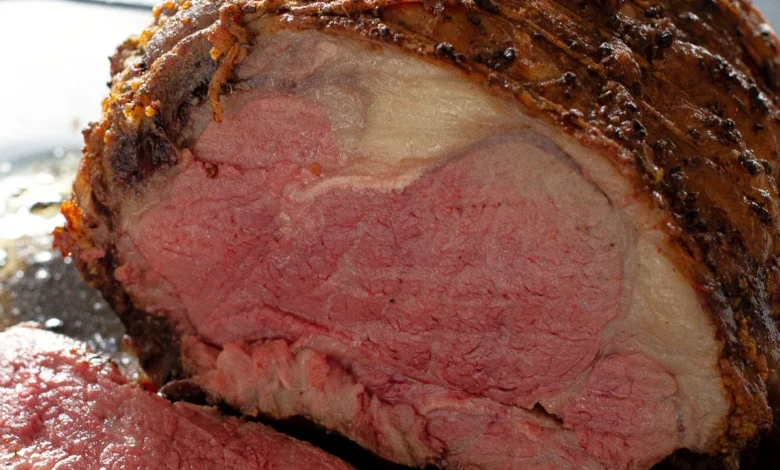
The prime rib roast, frequently referred to in culinary circles as a standing rib roast, occupies a position of distinction in the pantheon of celebratory dining. Historically associated with high-end steakhouse fare and traditional holiday banquets, the preparation of this cut—which originates from the primal rib section of the bovine—demands a rigorous adherence to thermal management and timing. Unlike smaller cuts of beef that can be seared rapidly, the prime rib is a substantial roast requiring a nuanced, multi-stage thermal application to achieve a uniform internal temperature while developing a savory exterior crust.
Culinary Classification and Meat Science
The prime rib is anatomically synonymous with the ribeye steak; the primary distinction lies in the preparation method. A ribeye is typically sliced into individual portions before cooking, whereas the prime rib represents the entire roast before it is portioned. The muscle groups involved—primarily the longissimus dorsi—are characterized by significant intramuscular fat, or marbling, which renders the meat tender and flavorful during the extended cooking process.
In the United States, the Department of Agriculture (USDA) oversees the grading of beef based on maturity and marbling. While the term "Prime" in "prime rib" historically referred to the USDA Prime grade, modern nomenclature often applies the term to the cut itself, regardless of whether the specific specimen is graded USDA Prime, Choice, or Select. Culinary experts note that while USDA Prime offers the highest degree of marbling, Choice-grade roasts are statistically more prevalent in retail environments and provide a high-quality outcome when handled with appropriate thermal techniques.
The Evolution of Modern Roasting Techniques
Historical cooking methods often involved high-temperature roasting, which frequently resulted in an uneven gradient—where the outer layers of the meat were significantly overcooked before the center reached the desired temperature. Contemporary culinary methodology has shifted toward a "low and slow" approach. This involves a brief, high-heat initial phase to induce the Maillard reaction—a chemical reaction between amino acids and reducing sugars that creates the complex, savory crust—followed by a prolonged period of moderate heat to ensure edge-to-edge consistency.
The adoption of this method has been facilitated by the widespread availability of digital, probe-style meat thermometers. Industry standards suggest that the use of a reliable thermometer is the single most critical factor in mitigating the risk of protein degradation caused by overcooking. By monitoring the internal temperature, home chefs can replicate professional-grade results that were once restricted to industrial kitchens.
Establishing a Standardized Temperature Protocol
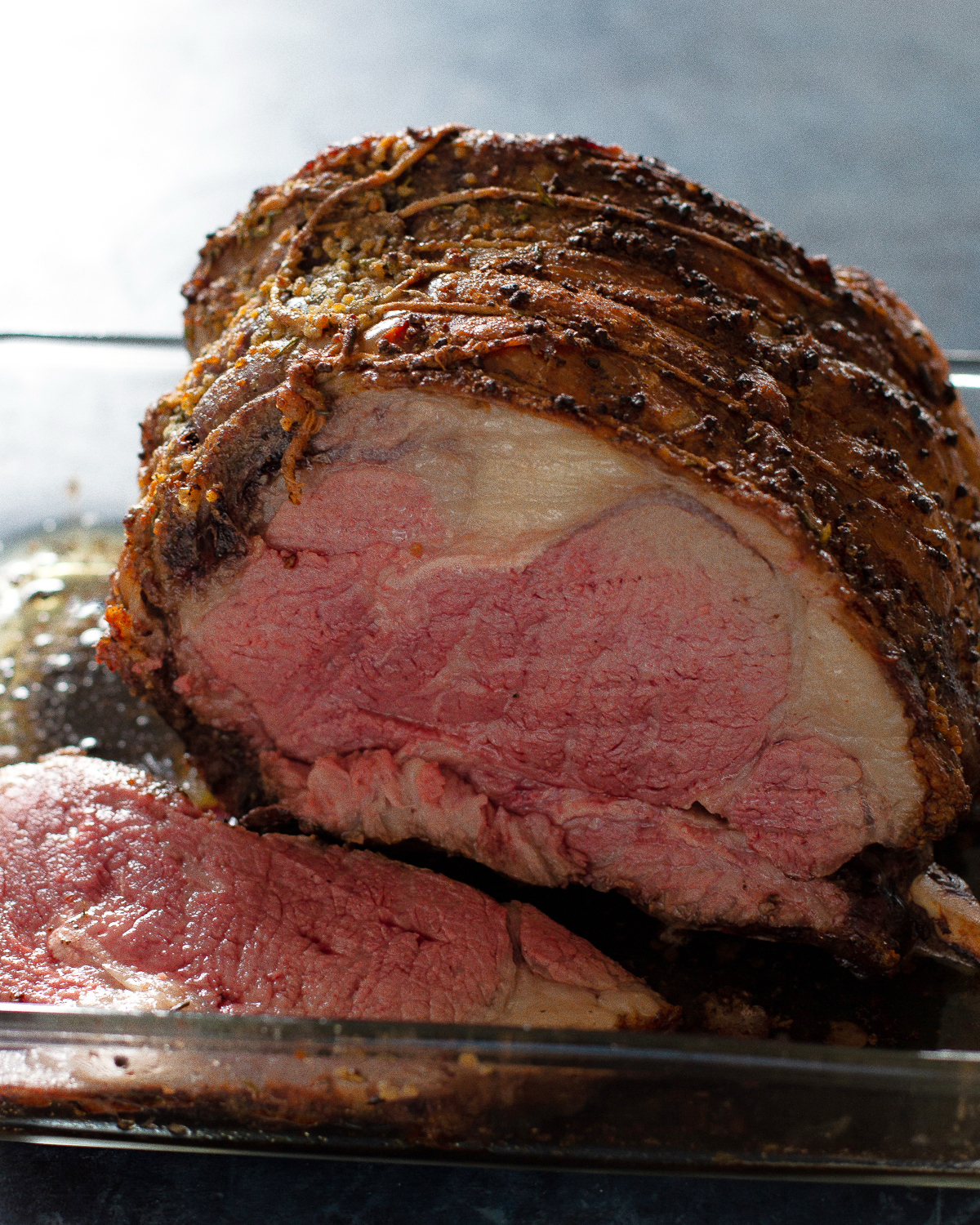
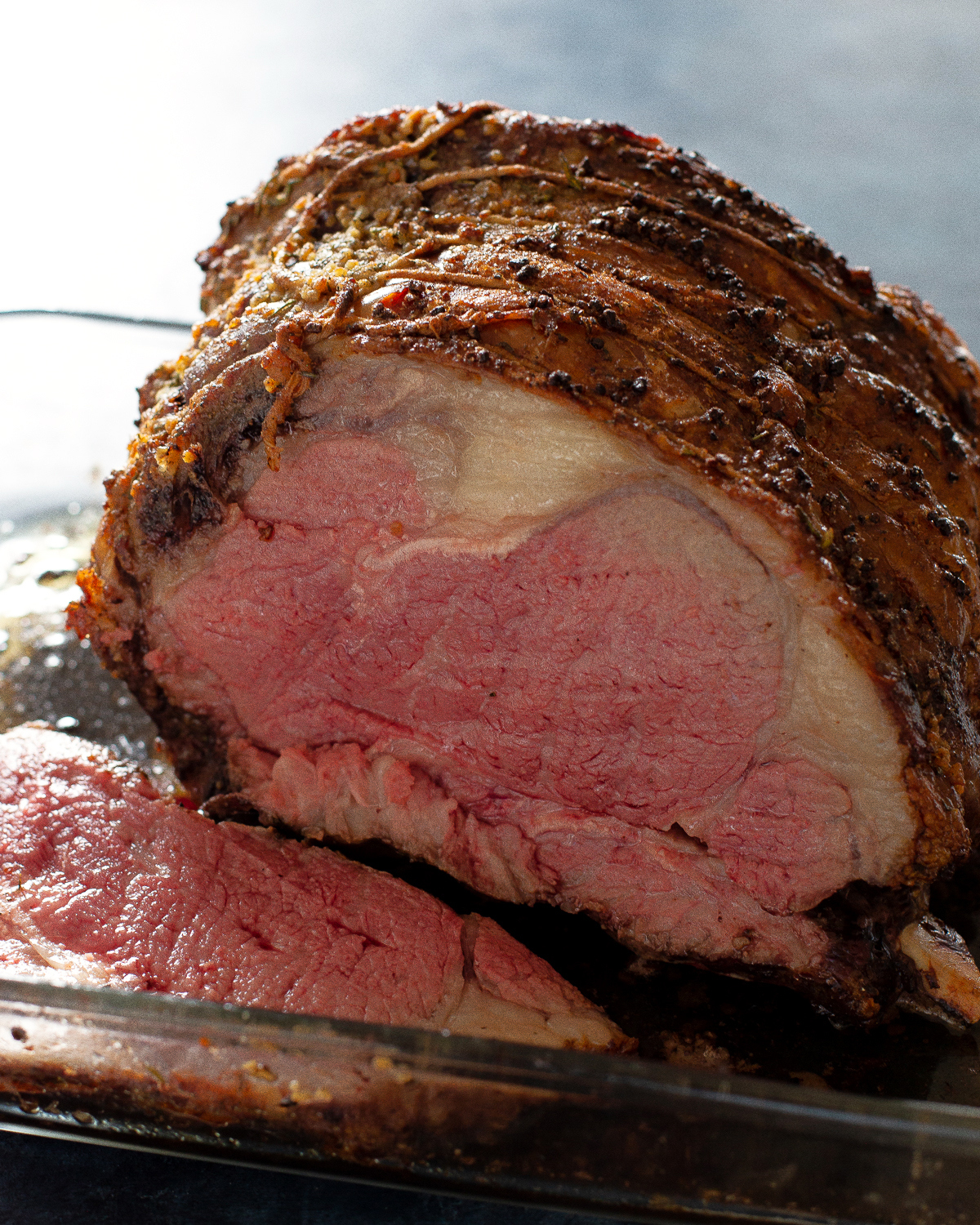
For optimal results, the internal temperature of the roast must be monitored with precision. The following benchmarks are recognized as standard for achieving specific degrees of doneness:
- Rare: Target an internal temperature of 120°F (49°C). The roast should be removed from the heat source when it reaches 115°F (46°C) to account for residual heat during the resting period.
- Medium-Rare: Target 125°F to 130°F (52°C–54°C). The roast should be removed at 120°F (49°C).
- Medium: Target 135°F to 140°F (57°C–60°C). The roast should be removed at 130°F (54°C).
- Medium-Well: Target 145°F to 150°F (63°C–66°C). The roast should be removed at 140°F (60°C).
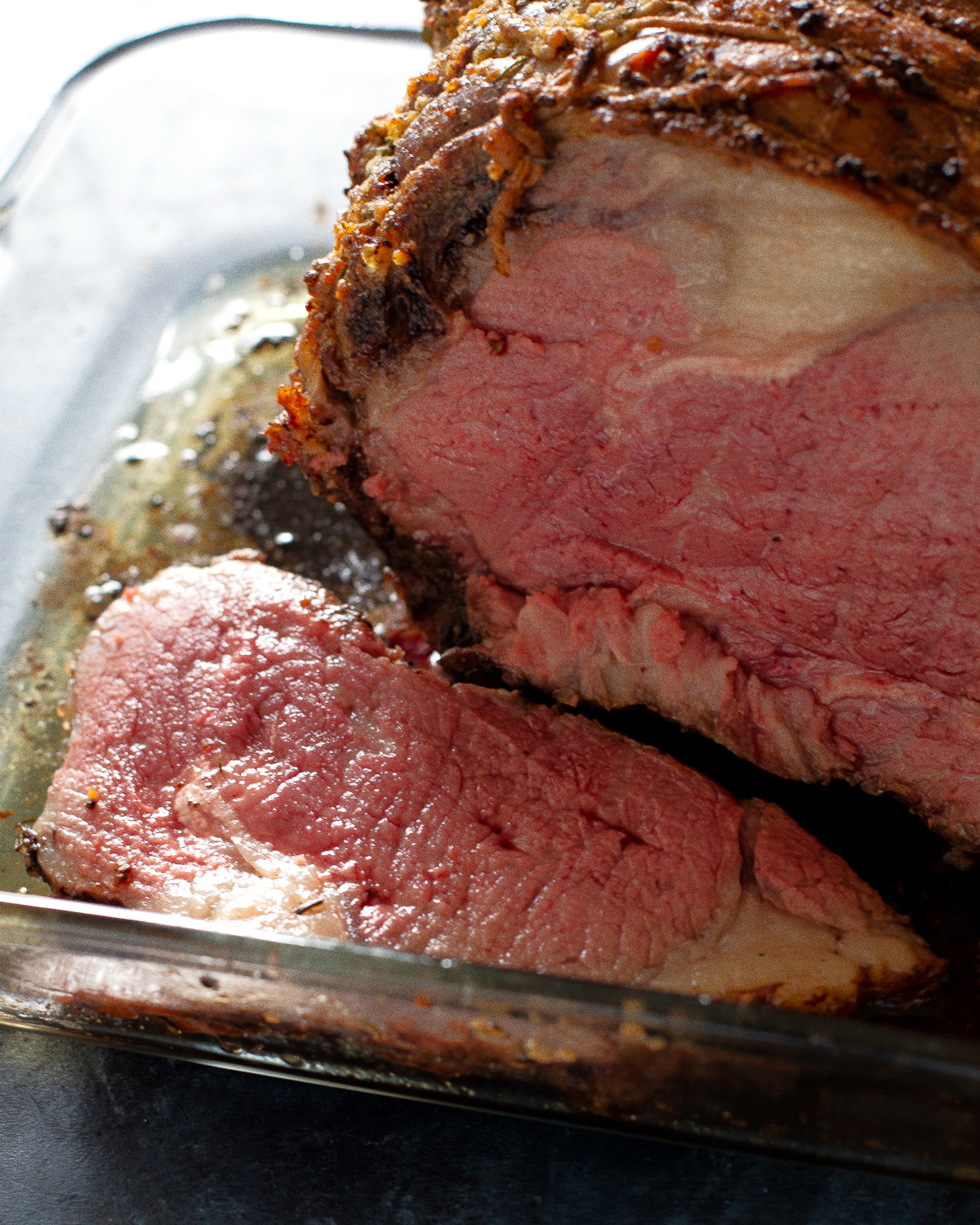
It is a scientific imperative that the roast undergoes a "resting period" of 20 to 30 minutes after removal from the oven. During this time, the muscle fibers relax and reabsorb the internal juices. If the roast is carved immediately, the pressurized juices will dissipate, resulting in a loss of moisture and a degradation of the final product’s texture.
The Role of the Butcher and Skeletal Structure
The presence of bone in a standing rib roast serves two primary functions: thermal regulation and structural support. The bone acts as an insulating barrier, protecting the meat immediately adjacent to it from rapid heat absorption. Furthermore, the bone provides a natural "rack" that elevates the meat from the roasting pan, facilitating even air circulation.
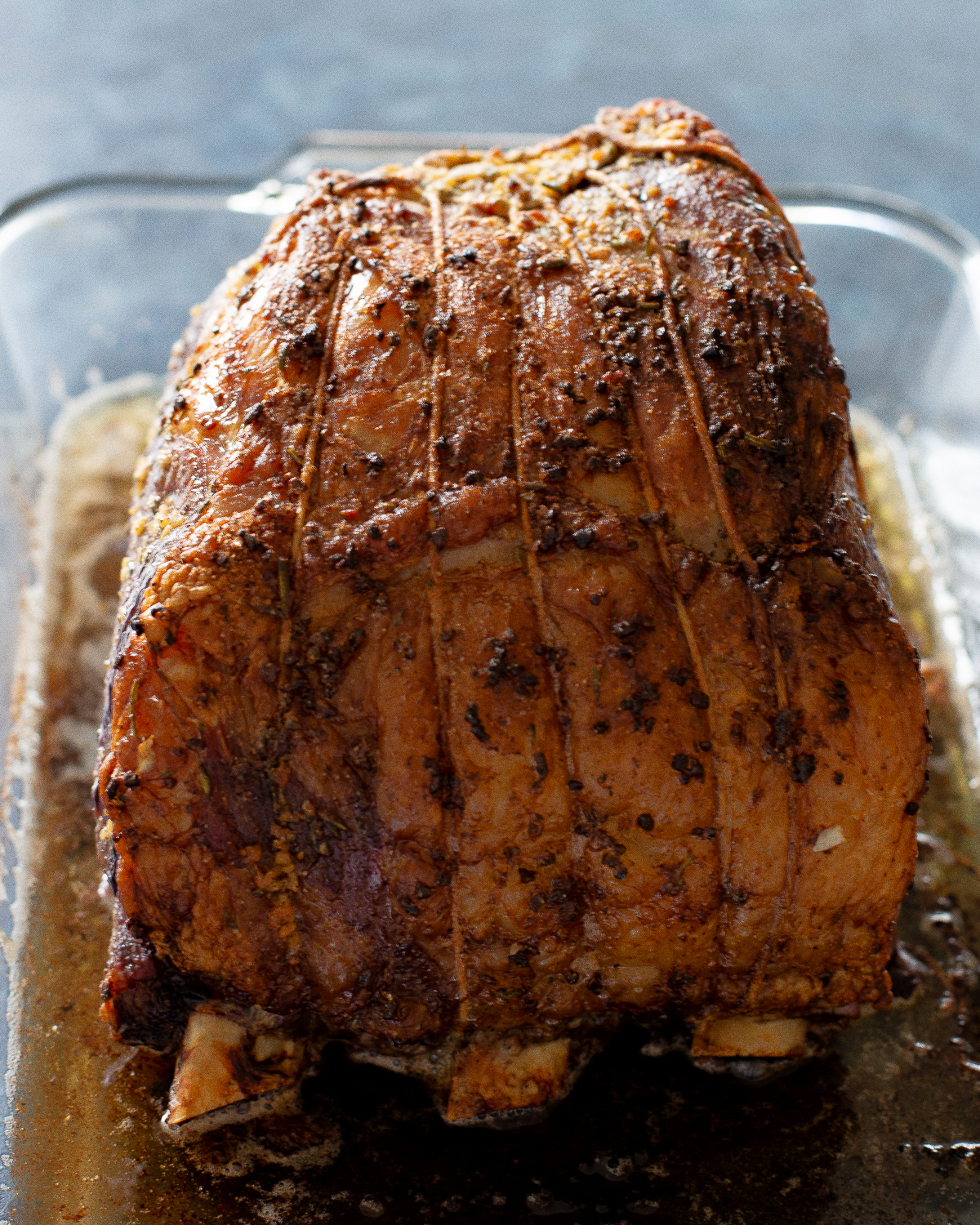
In professional practice, it is common to request that a butcher remove the bones and reattach them using butcher’s twine. This technique offers the dual benefits of bone-in flavor and heat distribution while significantly simplifying the carving process for the host. When the cooking is complete, the twine is removed, the bones are detached, and the roast is ready for clean, uniform slicing.
Culinary Infrastructure: Equipment and Ingredients
Achieving a consistent outcome requires minimal specialized equipment but high-quality inputs. The essential toolset includes:
- A Calibrated Thermometer: Digital probe thermometers are preferred for their ability to remain in the meat throughout the cooking process, providing real-time data.
- A Heavy-Gauge Roasting Pan: This facilitates the collection of fond (browned bits), which serves as the foundation for the au jus.
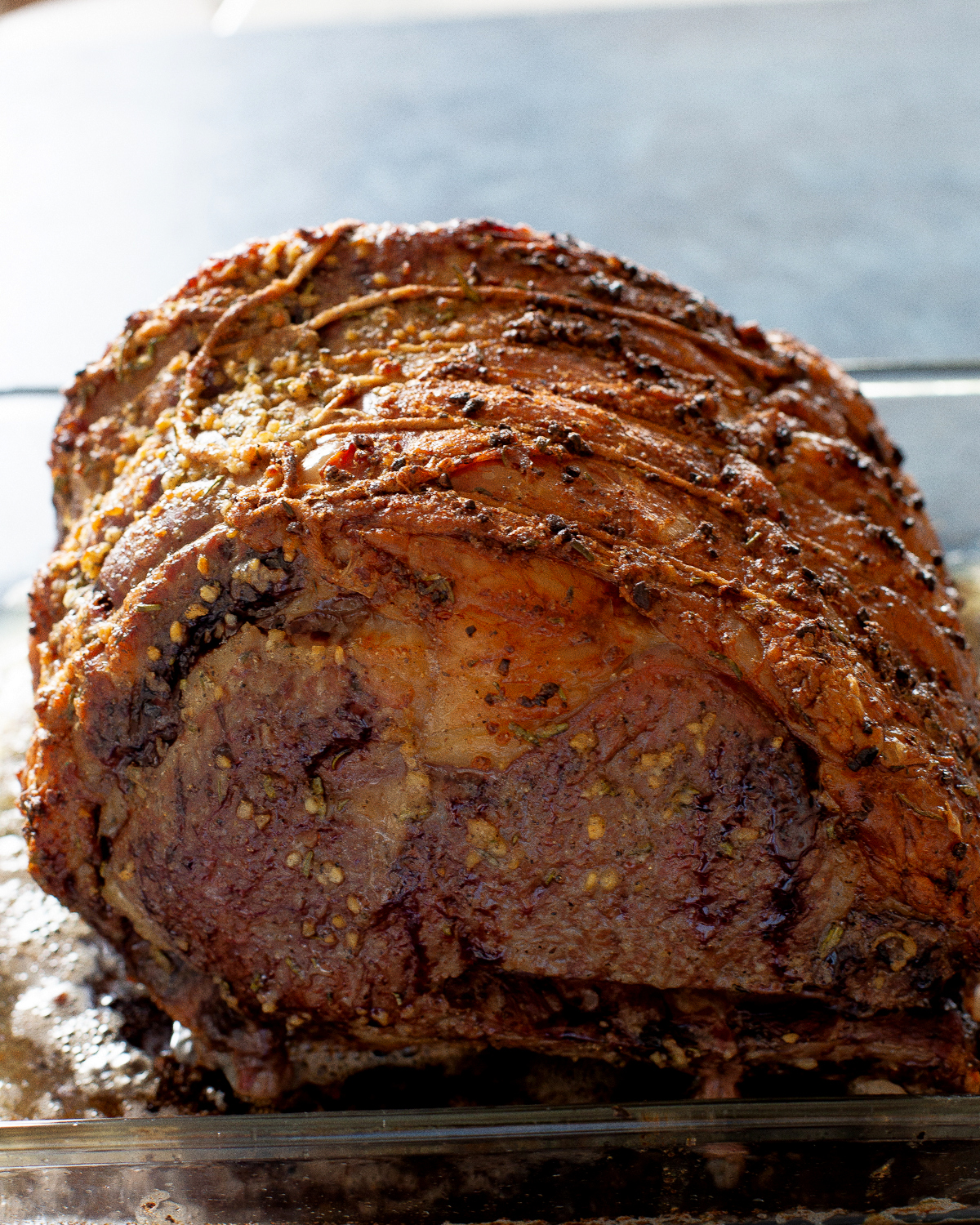
- A Compound Butter: A mixture of unsalted butter, minced garlic, fresh rosemary, thyme, and sea salt provides the flavor profile for the crust.
The au jus—a French term for "with juice"—is a critical component of the service. By deglazing the roasting pan with beef stock or red wine and simmering the liquid with aromatics, the chef creates a concentrated sauce that complements the richness of the beef.
Strategic Implications of Long-Form Cooking
The decision to serve prime rib is often a strategic choice for high-stakes social events, such as holiday gatherings or milestone celebrations. The logistical benefit of this roast is its capacity to serve large groups while remaining relatively passive during the cooking cycle. Because the roast spends the majority of its time in the oven, the host is liberated from constant kitchen attendance, allowing for greater focus on ancillary tasks.
However, the financial commitment associated with a large rib roast—often ranging from four to eight pounds—places a premium on risk mitigation. Food safety experts emphasize that the "low and slow" method must be carefully managed to ensure the meat does not remain in the "danger zone" (40°F to 140°F) for an extended duration that would encourage bacterial proliferation. Therefore, starting with a room-temperature roast (tempering for one hour prior to cooking) is a recommended practice to ensure even heat penetration.
Broader Impact and Sustainability
The consumption of prime rib is often analyzed through the lens of culinary tradition versus modern sustainability. As demand for high-quality beef increases during peak holiday seasons, agricultural markets often see fluctuations in pricing and availability. Concurrently, there is an industry-wide trend toward sourcing "dry-aged" or "grass-fed" beef, which proponents argue offers a superior flavor profile and improved animal welfare standards.
From a nutrition standpoint, while prime rib is a significant source of high-quality protein, zinc, and B-vitamins, it is also calorie-dense due to its fat content. Culinary experts often suggest pairing the roast with acidic or cruciferous side dishes—such as roasted Brussels sprouts, asparagus, or a sharp, vinaigrette-dressed salad—to provide a palate-cleansing contrast to the richness of the beef.
Final Best Practices for Execution
To ensure the success of the preparation, professionals advise the following:
- Surface Preparation: Ensure the exterior of the roast is completely dry before applying the herbed butter. Moisture on the surface prevents the formation of a crisp crust.
- Thermal Consistency: Avoid opening the oven door unnecessarily. Every opening causes a significant drop in ambient temperature, which can throw off the calculated cooking time.
- Carving Methodology: Utilize a sharp, long-bladed slicing knife. The meat should be carved perpendicular to the grain to ensure maximum tenderness.
By treating the prime rib roast not merely as a piece of meat, but as a project requiring precise thermal management and careful preparation, the host can ensure a high-caliber dining experience. The transition from intimidating, expensive ingredient to a centerpiece of professional-grade quality is achieved through the integration of basic meat science, the right equipment, and the necessary patience to allow the roast to reach its peak state before service. Whether for a small family gathering or a large-scale event, the standing rib roast remains a cornerstone of fine dining, rewarding the disciplined cook with a result that balances texture, flavor, and visual appeal.