The Comprehensive Guide to Curating a Stress-Free Thanksgiving Dessert Menu for the Modern Host

The logistical challenges of hosting a large-scale holiday gathering, particularly on Thanksgiving, often culminate in the frantic final hours spent in the kitchen. Culinary experts and home economists have long observed that the traditional expectation of providing an exhaustive array of pies often results in significant food waste and unnecessary host burnout. By reevaluating the dessert menu through the lens of efficiency, transportability, and preparation timelines, hosts can ensure a more manageable holiday experience without sacrificing the quality of the final course.

The Evolution of Holiday Dessert Traditions
Historically, the Thanksgiving table was defined by regional staples, with pumpkin and pecan pies serving as the non-negotiable anchors of the dessert course. However, current data from consumer food surveys indicates a shifting preference toward variety and convenience. As the number of guests at holiday gatherings fluctuates, the "pie-only" model has faced criticism for failing to account for varying dietary preferences and the physical reality of post-meal satiety.

Nutritionists note that the typical Thanksgiving dinner—often exceeding 2,000 calories—leaves little room for the multiple, heavy slices of traditional pies that are often prepared in excess. Consequently, the trend toward "low-impact" desserts, such as sheet cakes, crisps, and artisanal cookie plates, has gained traction. These alternatives not only cater to those who prefer lighter finishes but also address the logistical requirement for desserts that can be prepared days in advance.

Strategic Menu Planning: A Tiered Approach
Professional caterers suggest that the most effective dessert strategy follows a "rule of three": one centerpiece pie, one alternative non-pie option, and one portable, pick-at-your-leisure item. This structure provides a balanced visual presentation while minimizing the total volume of food that needs to be produced during the high-stress window of Thanksgiving morning.

The Case for the Alternative Centerpiece
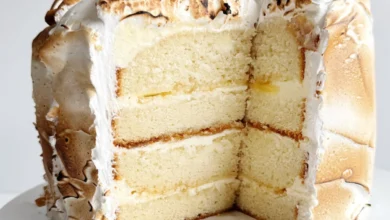
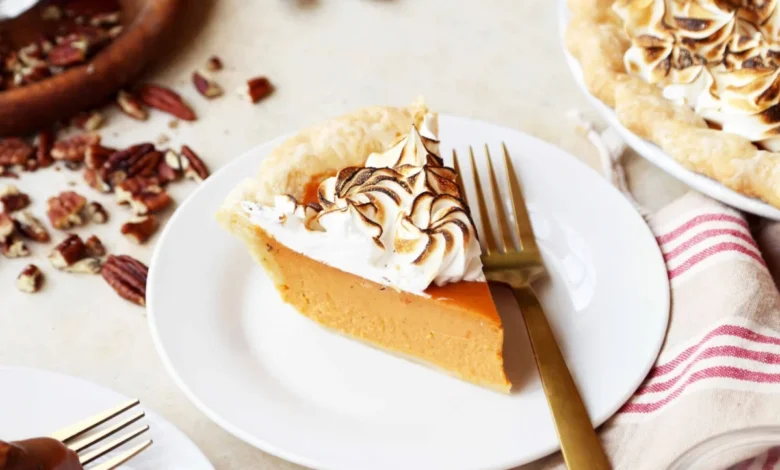
When selecting a pie, the focus should be on contrast. For instance, pairing a robust, earthy Sweet Potato Pie with a lighter, high-acid option such as a Lemon Meringue Pie provides a palate-cleansing effect. The inclusion of cream-based pies, such as a French Silk or a Fluffy Cranberry Cream Pie, introduces a textural variation—cool and aerated—that serves as a necessary departure from the denser, baked-custard nature of traditional pumpkin or pecan varieties.

The Utility of the Sheet Cake
The sheet cake has emerged as the professional’s secret weapon for large gatherings. Unlike circular pies, which are difficult to transport without structural compromise, sheet cakes are inherently flat, robust, and designed to serve twenty or more guests with a single bake. Brown butter-based pumpkin sheet cakes or apple-cinnamon varieties offer the seasonal flavor profile expected of the holiday while providing a high volume of servings with minimal labor. Furthermore, the "no-bake" category, such as a pumpkin spice tiramisu, removes the oven from the equation entirely, a significant advantage when the oven is otherwise occupied by a turkey or side dishes.

The Chronology of Preparation: A 72-Hour Timeline
To mitigate the risk of a "Thanksgiving disaster," professional bakers advocate for a staggered preparation schedule.

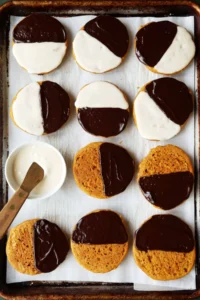
- 72 Hours Before: Begin the preparation of cookie doughs. Dough can be portioned, scooped, and frozen, requiring only a brief stint in the oven on Thursday morning. This fills the home with the scent of fresh baking while requiring almost zero active effort.
- 48 Hours Before: Bake loaf cakes and bundt cakes. Cakes containing fruit or spices, such as cranberry-orange or gingerbread, often exhibit improved structural integrity and flavor development after sitting for a day or two.
- 24 Hours Before: Prepare cream-based pies and chilled desserts. These items require significant refrigeration time to set properly. This is also the ideal time to assemble components for bread puddings.
- Thanksgiving Day: Focus solely on the items that benefit from a fresh, warm serving, such as apple crisps. A warm fruit crisp served with cold ice cream is a classic culinary pairing that relies entirely on heat, making it the perfect candidate for the final hour of preparation.
Logistics and Transportability
For hosts who are not hosting the dinner at their own residence, the ability to transport dessert is a primary concern. The traditional round pie pan is notoriously difficult to stack in a vehicle. Culinary influencers and cookbook authors emphasize the importance of "travel-friendly" packaging. Sheet cakes stored in rectangular, lidded containers remain the gold standard for long-distance transport.

Furthermore, items that are shelf-stable, such as spiced cookies or loaf cakes, allow guests to contribute to the dessert table without adding to the host’s refrigeration burden. This collaborative approach distributes the workload and ensures that the dessert course is a collective contribution rather than a singular burden.

Economic and Environmental Implications
Food waste is a major concern following the Thanksgiving holiday. Statistics from environmental agencies consistently show a spike in organic waste during late November. By limiting the dessert menu to three well-considered items, hosts can significantly reduce the amount of surplus food that ends up in landfills.

From an economic perspective, the shift toward ingredients like oats, apples, and seasonal squashes—often less expensive than specialty nuts or imported chocolates—allows for a high-quality dessert spread that remains budget-conscious. The "cozy" category of desserts, such as apple crisp or bread and butter pudding, utilizes pantry staples that many households already possess, further reducing the need for last-minute grocery runs.

Expert Analysis: Managing Host Expectations
The psychological aspect of hosting is often overlooked in favor of technical culinary advice. The pressure to provide an overwhelming variety of options often stems from an outdated social expectation of abundance. Modern entertaining experts suggest that the most successful hosts are those who prioritize their own ability to participate in the social event. If a host spends the entire afternoon in the kitchen, the quality of the event for both the host and the guests diminishes.

By curating a menu that emphasizes make-ahead recipes and high-utility items like cookies and sheet cakes, the host shifts from a state of reactive crisis management to one of proactive preparation. This allows the host to be present for the meal, an outcome that is far more valuable to the success of the holiday than an additional pie.

Conclusion: A New Standard for the Holiday Table
The definition of a "traditional" Thanksgiving dessert is becoming increasingly flexible. As culinary trends move toward practicality and mindfulness, the inclusion of diverse, easily prepared items is replacing the archaic need for a table overflowing with redundant pies. Whether opting for a sophisticated cranberry-orange loaf, a robust apple-cinnamon sheet cake, or a simple plate of spiced cookies, the goal remains the same: to conclude the meal with something memorable, achievable, and conducive to the relaxed spirit of the holiday.

By implementing these strategies—prioritizing structure, leveraging the efficiency of the freezer, and embracing high-yield items—the modern host can successfully navigate the Thanksgiving rush. The result is a more manageable, sustainable, and enjoyable holiday for everyone involved, proving that the best dessert is often the one that allows the baker to actually sit down and enjoy the company of their guests.