French Onion Mashed Potatoes Recipe Bring Gourmet Comfort Food to Holiday Tables

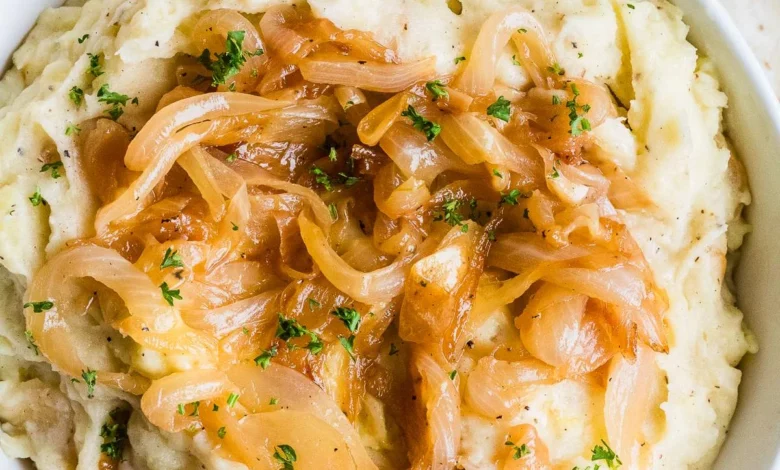
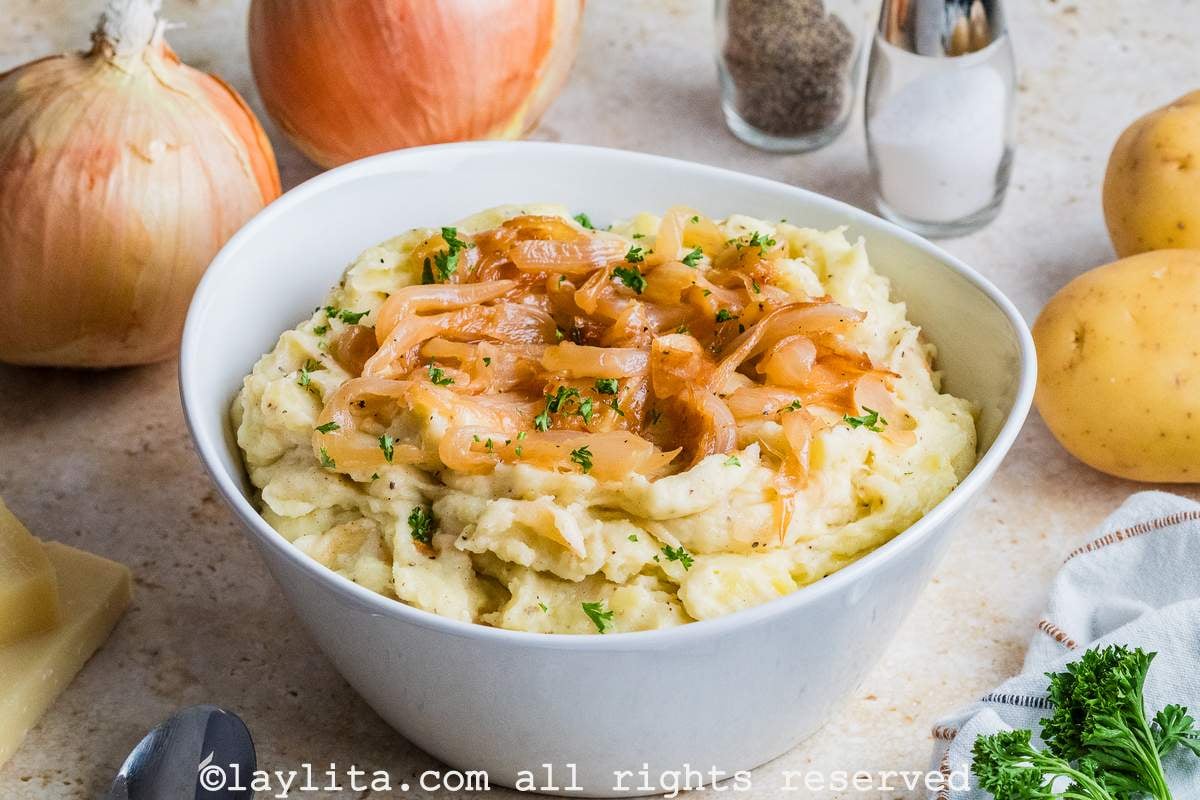
Culinary traditions often evolve through cultural intersections, and modern home cooking is increasingly defined by the fusion of classic techniques with everyday comfort food. The newly trending recipe for French Onion Mashed Potatoes exemplifies this movement, merging the rich, savory flavor profile of traditional French onion soup with the universally beloved texture of homemade mashed potatoes. As holiday hosts and home cooks seek innovative side dishes that elevate traditional menus, this hybrid dish has emerged as a prominent fixture for Thanksgiving, Christmas, and Sunday suppers.
The Culinary Origins and Conceptual Evolution
The intellectual property behind this comfort food fusion traces its roots to cross-cultural culinary exchanges, specifically within families steeped in classical European cooking traditions. The flavor foundation of French onion soup—characterized by slow-cooked, deeply caramelized onions and nutty, melting Gruyère cheese—has long been celebrated in French cuisine. When applied to potatoes, the concept echoes classic preparations such as the traditional French potato gratin dauphinois, which relies heavily on heavy cream, butter, and cheese.
Culinary historians and food scientists note that the success of the dish relies on the Maillard reaction and the natural sugars released during the prolonged caramelization of alliums. Unlike standard mashed potatoes, which typically utilize dairy and butter for richness, the French onion variation introduces a complex, savory-sweet depth that transforms a basic side dish into a sophisticated centerpiece.
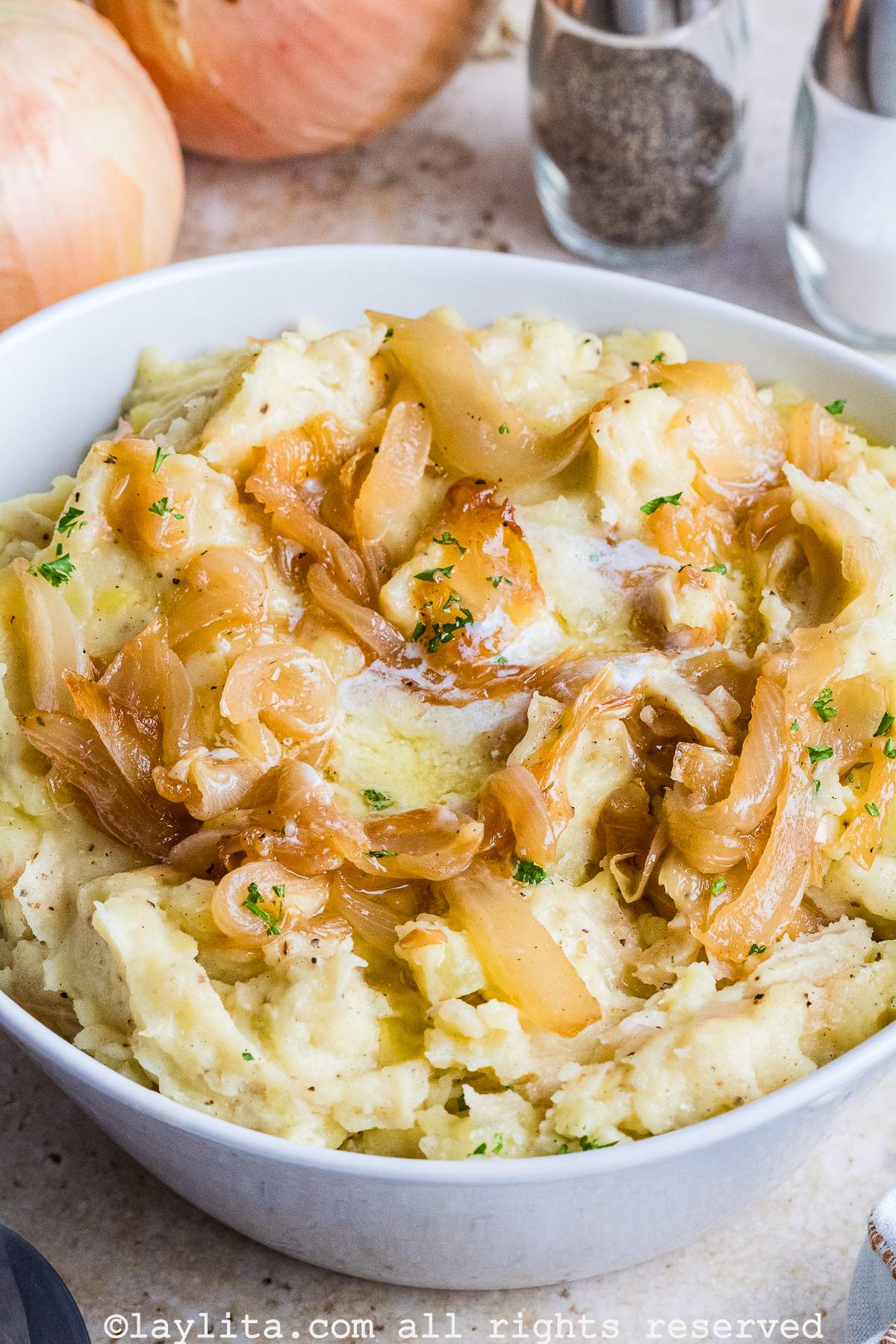
Chronology of Preparation and Technique
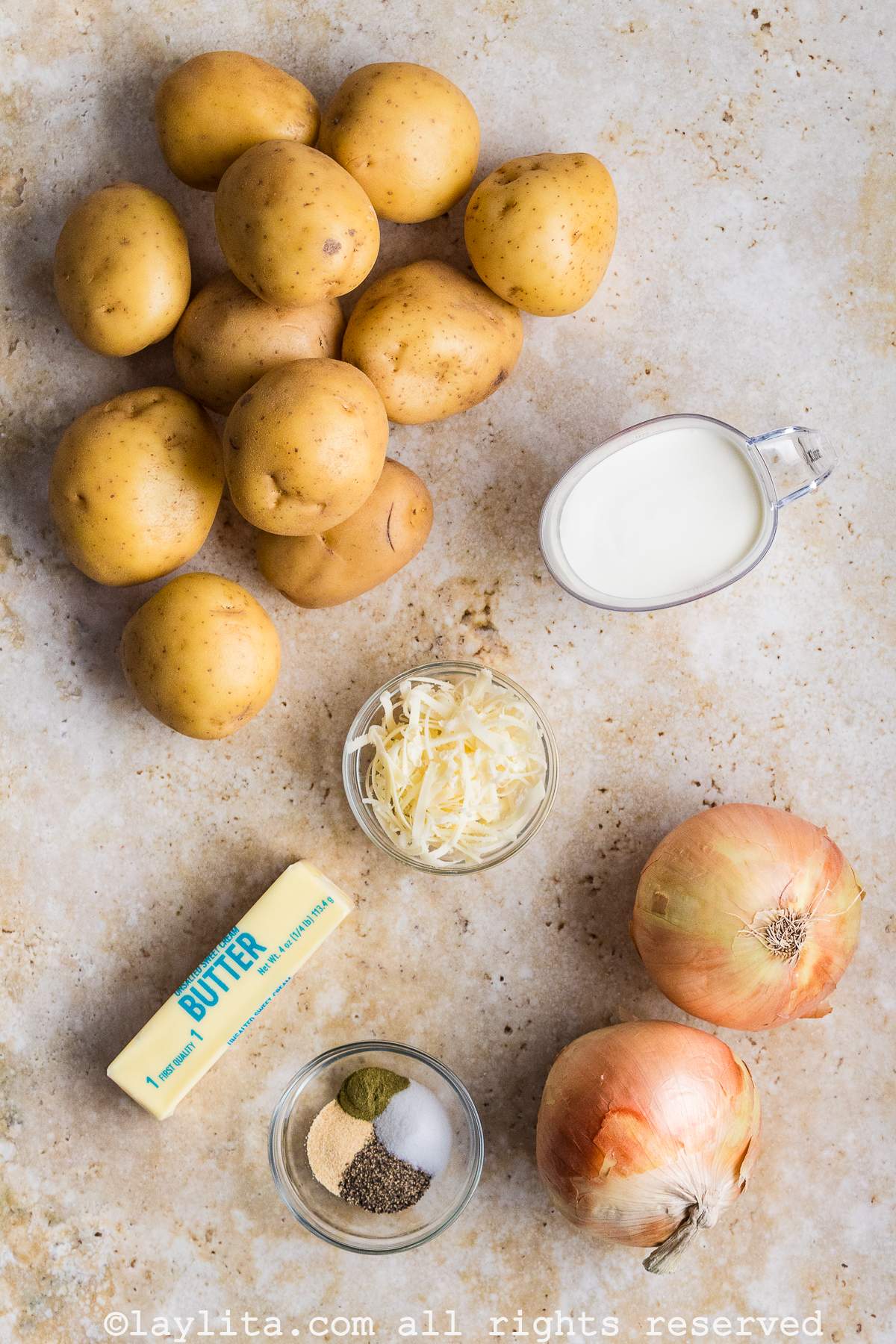
Executing a successful batch of French onion mashed potatoes requires careful time management, distinguishing it from quick-fix weeknight sides. The preparation process unfolds across a deliberate timeline:
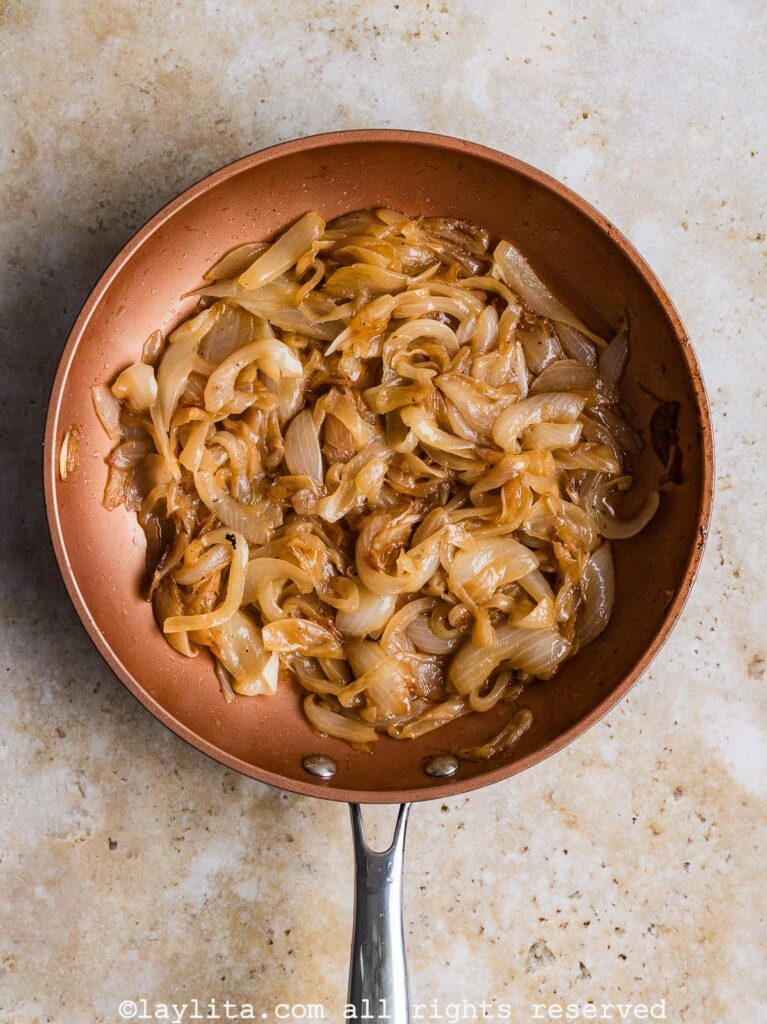
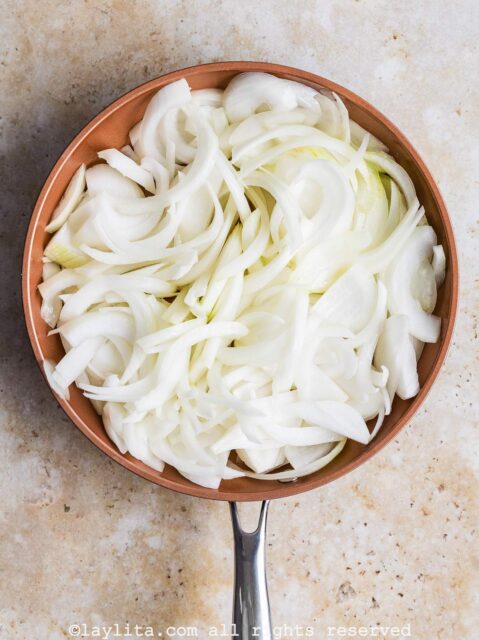
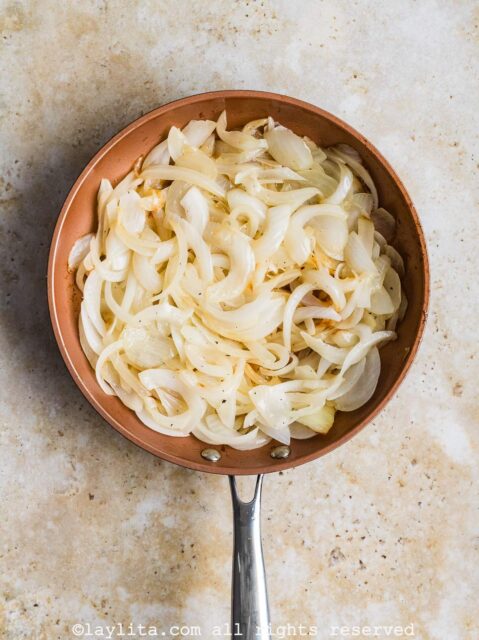
- Allium Caramelization (60 to 90 minutes): The process begins by slicing large quantities of yellow onions and cooking them over low heat with butter and oil. This slow-cooking phase allows the moisture to evaporate and natural sugars to break down, resulting in jammy, deeply golden onions. Chefs emphasize that rushing this step over high heat leads to burnt onions rather than true caramelization.
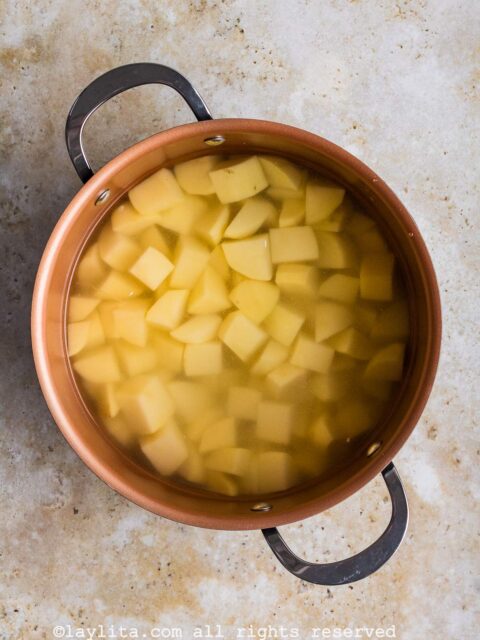
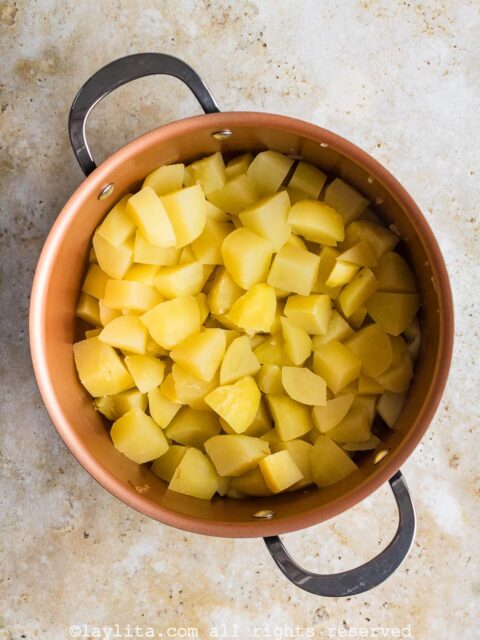
- Potato Boiling and Processing (25 to 30 minutes): Simultaneously or subsequently, starchy potatoes—such as Russets or Yukon Golds—are peeled (or left unpeeled for a rustic presentation), cubed, and boiled in salted water until fork-tender.
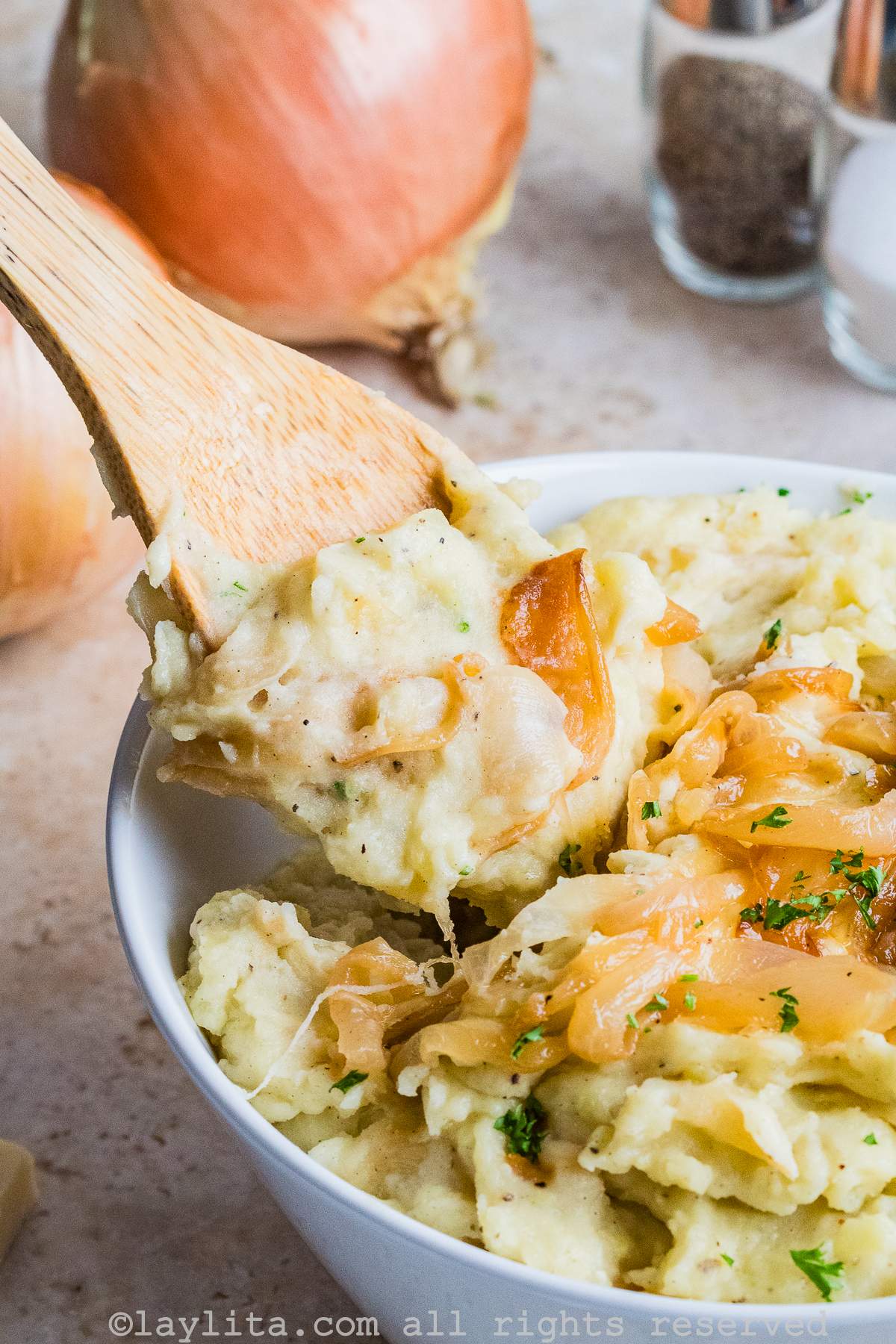
- Blending and Emulsification (10 minutes): The drained potatoes are mashed by hand using a potato masher or ricer to avoid the release of excess starch that causes a gluey texture. Warm heavy cream, melted butter, and freshly grated Gruyère cheese are gently folded in.
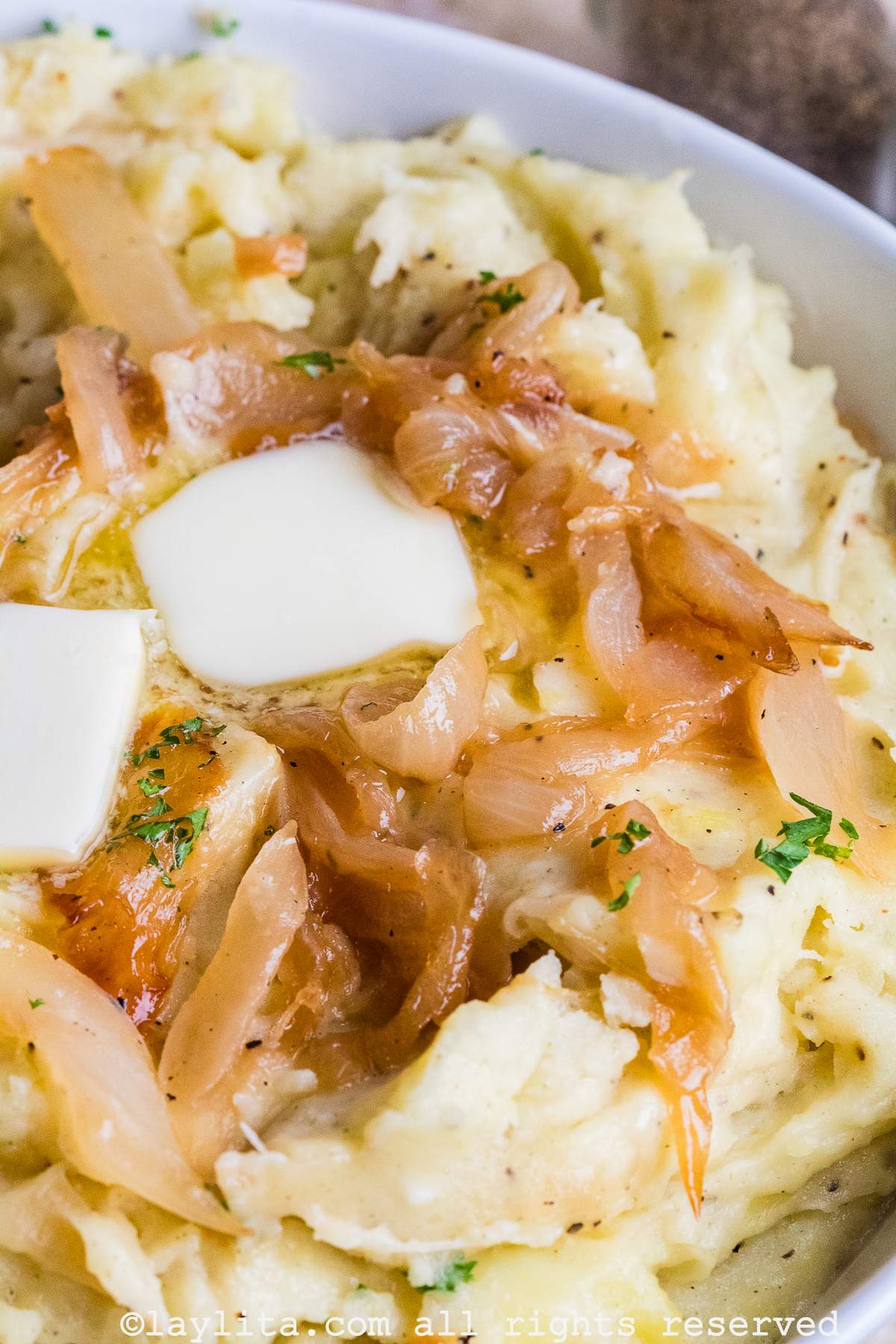
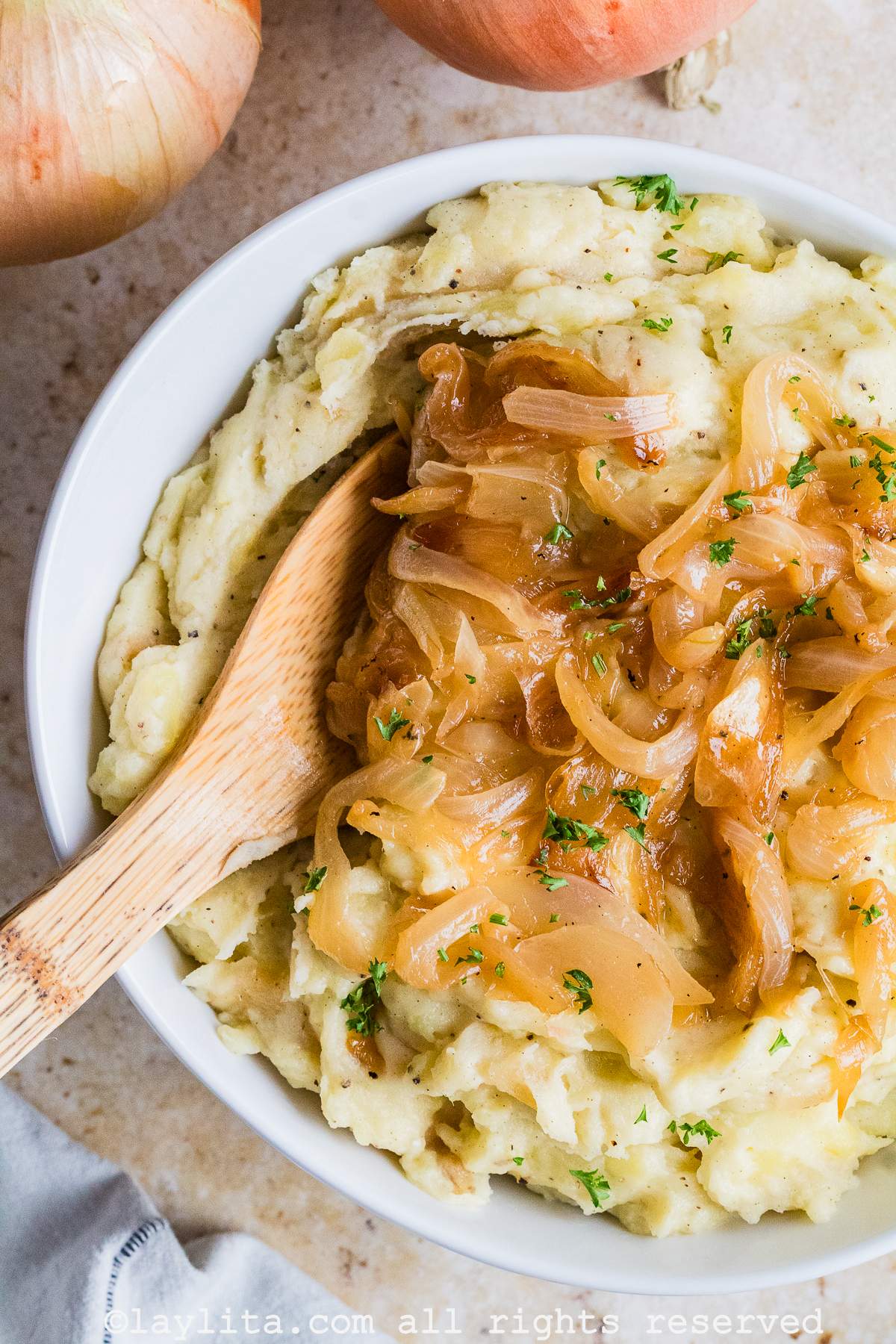
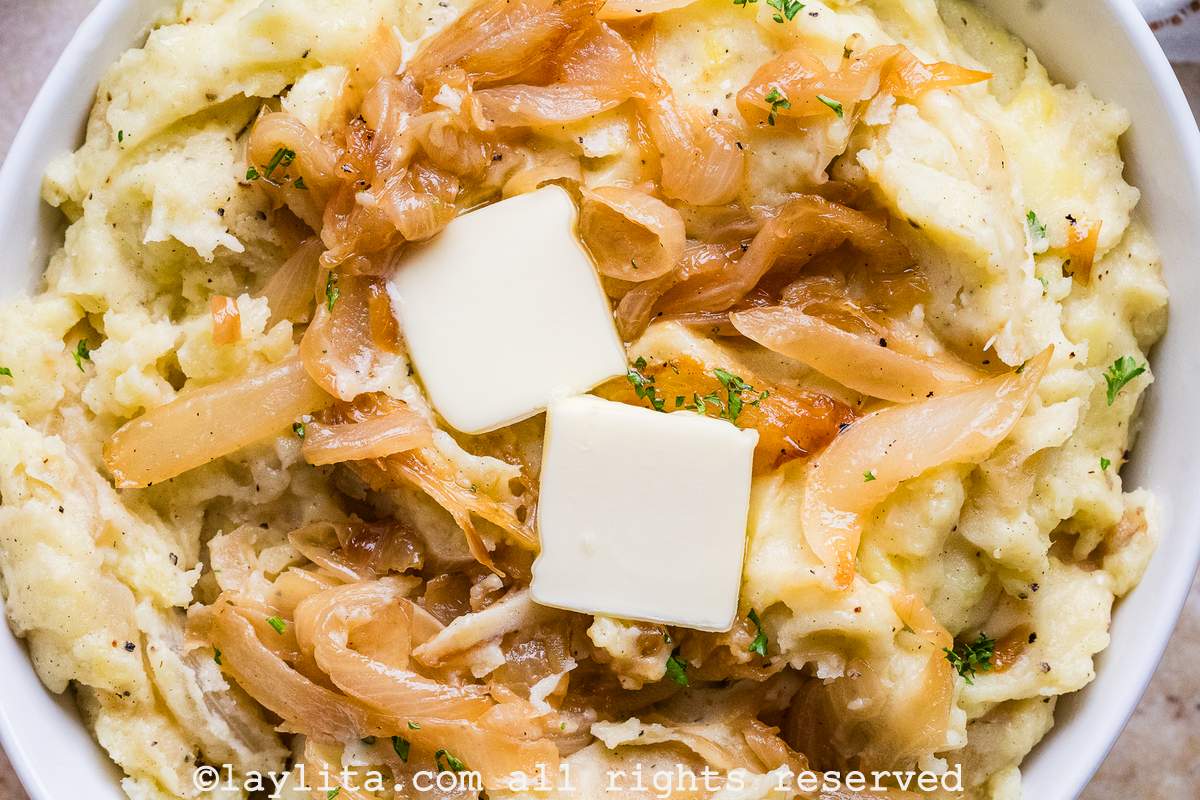
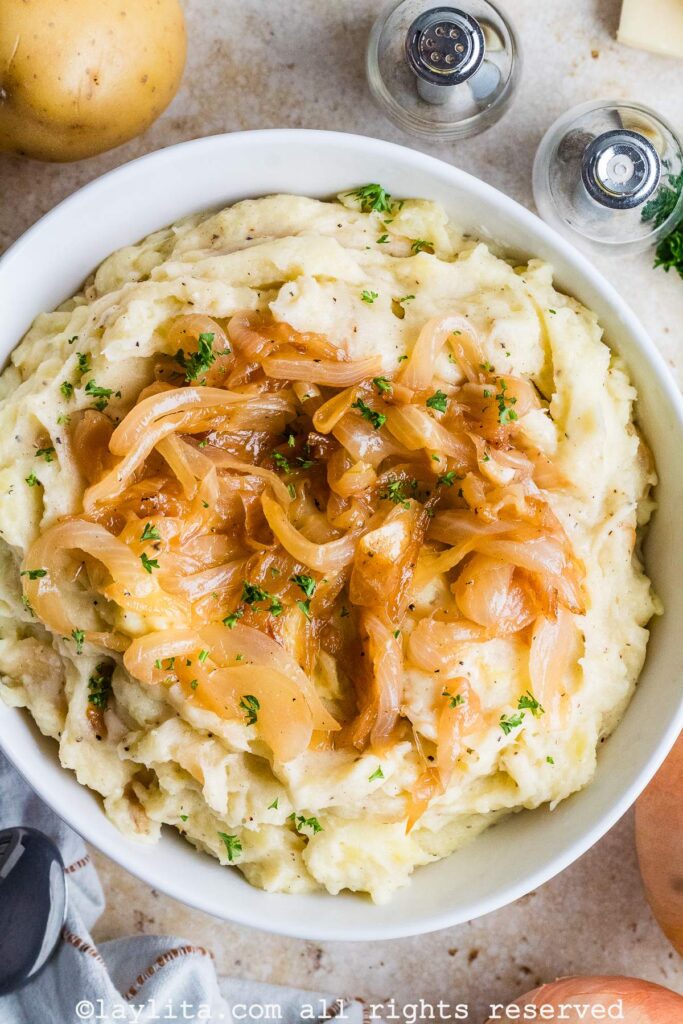
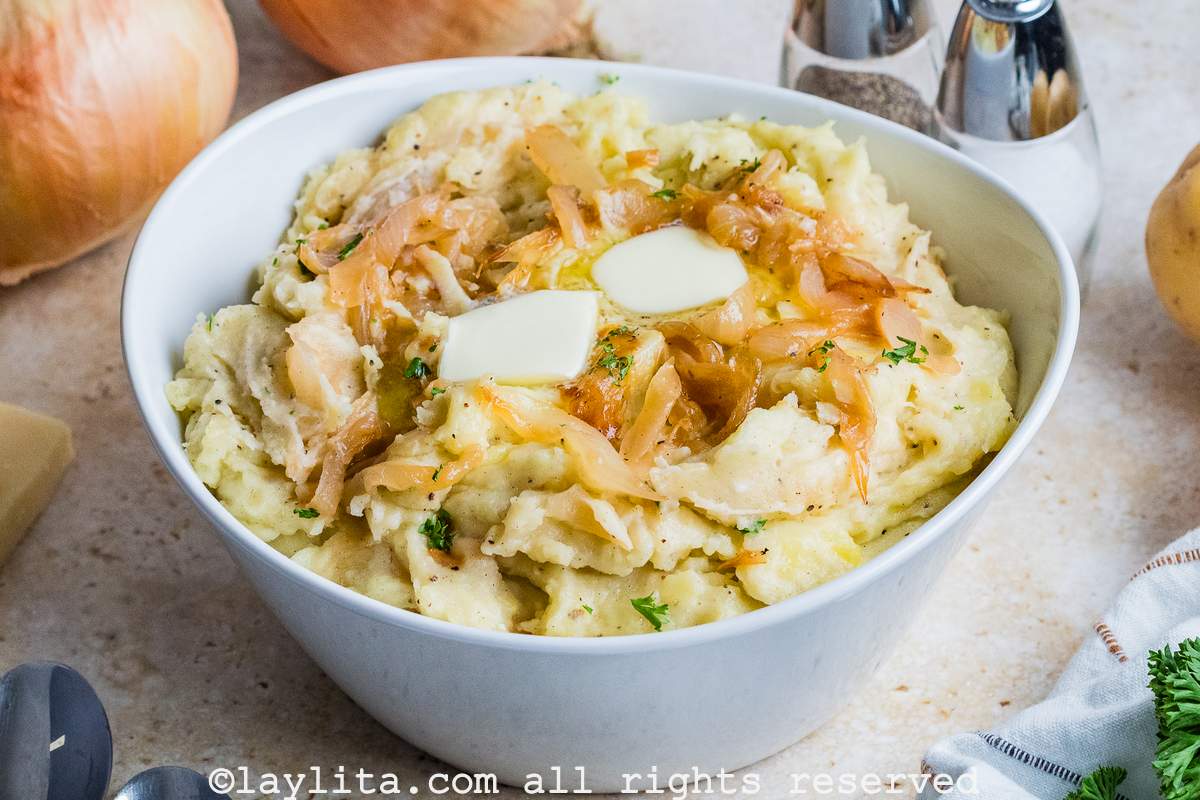
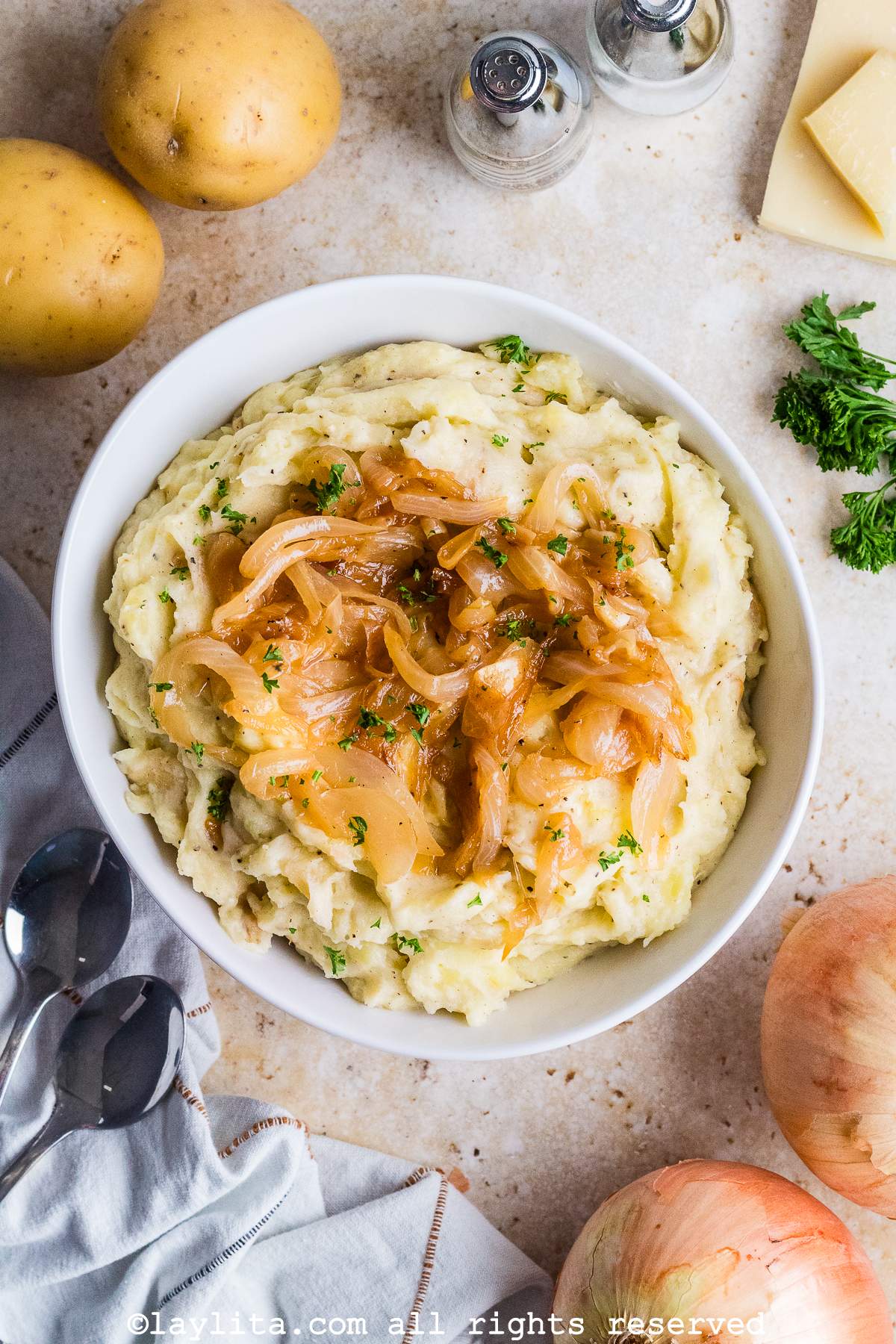
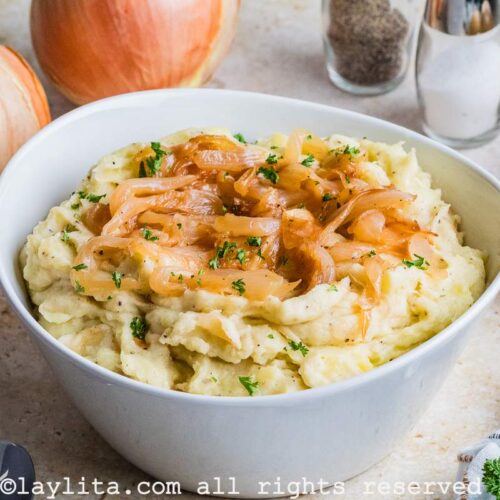
- Integration and Garnishing: A portion of the caramelized onions is folded directly into the velvety potato mixture, while the remaining onions and extra cheese are reserved to top the dish just before serving, often garnished with chopped fresh parsley.
Nutritional Profile and Dietary Implications
From a nutritional standpoint, French onion mashed potatoes fall firmly into the category of indulgent comfort food. Standard culinary data indicates that dishes utilizing heavy cream, high-fat butter, and Gruyère cheese are rich in calories, fats, and carbohydrates, making them ideal for high-energy requirements during colder winter months.
Dietary analysts observe a growing consumer demand for vegetarian holiday side dishes that do not compromise on richness or flavor. Because this recipe relies on dairy and vegetables, it naturally satisfies vegetarian dietary restrictions without requiring artificial meat substitutes or complex modifications. Furthermore, the use of starchy potatoes provides a substantial source of potassium and complex carbohydrates, though balanced against high lipid content from the butter and cheese.
Industry Impact and Consumer Trends
Food media platforms and culinary trend forecasters report a significant surge in consumer interest for gourmet comfort food variations. As grocery inflation prompts more consumers to recreate restaurant-quality dining experiences at home, upscale side dishes have become a focal point of holiday meal planning.
According to data compiled by major food blogs and recipe indexing sites, search queries for "caramelized onion recipes" and "gourmet mashed potatoes" peak annually between November and December. Culinary experts attribute this trend to the "gourmetization" of traditional staples, where home cooks utilize accessible ingredients like onions and cheese to achieve elevated restaurant results.
Make-Ahead Strategies and Practical Logistics
A major operational advantage of French onion mashed potatoes for large gatherings is their adaptability to advance preparation. Because caramelizing onions requires a substantial time commitment, home cooks are advised to prepare the onion component up to 48 hours in advance.
Furthermore, the fully assembled mashed potatoes can be prepared two days prior to an event, stored in refrigeration, and gently reheated on a stovetop or in an oven with an additional splash of heavy cream to restore moisture and smooth texture. This logistical flexibility has made the dish a preferred option for catering professionals and holiday hosts managing multiple time-sensitive dishes simultaneously.
Broader Culinary Implications
The popularity of French onion mashed potatoes underscores a broader shift in contemporary gastronomy: the democratization of classical techniques. By translating the patience required for French onion soup into a familiar format like mashed potatoes, home cooks gain exposure to foundational culinary methods—such as slow allium caramelization and proper starch management—while producing a universally appealing dish. As food culture continues to embrace hybrid recipes, this dish stands as a testament to the enduring appeal of combining simple, quality ingredients with time-honored cooking traditions.