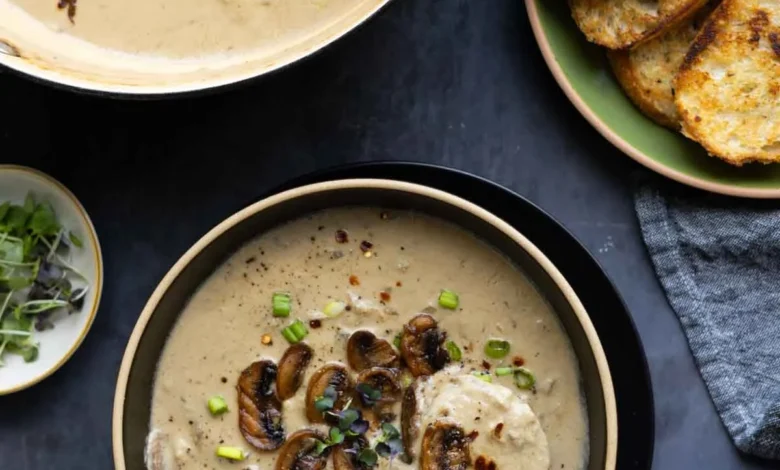
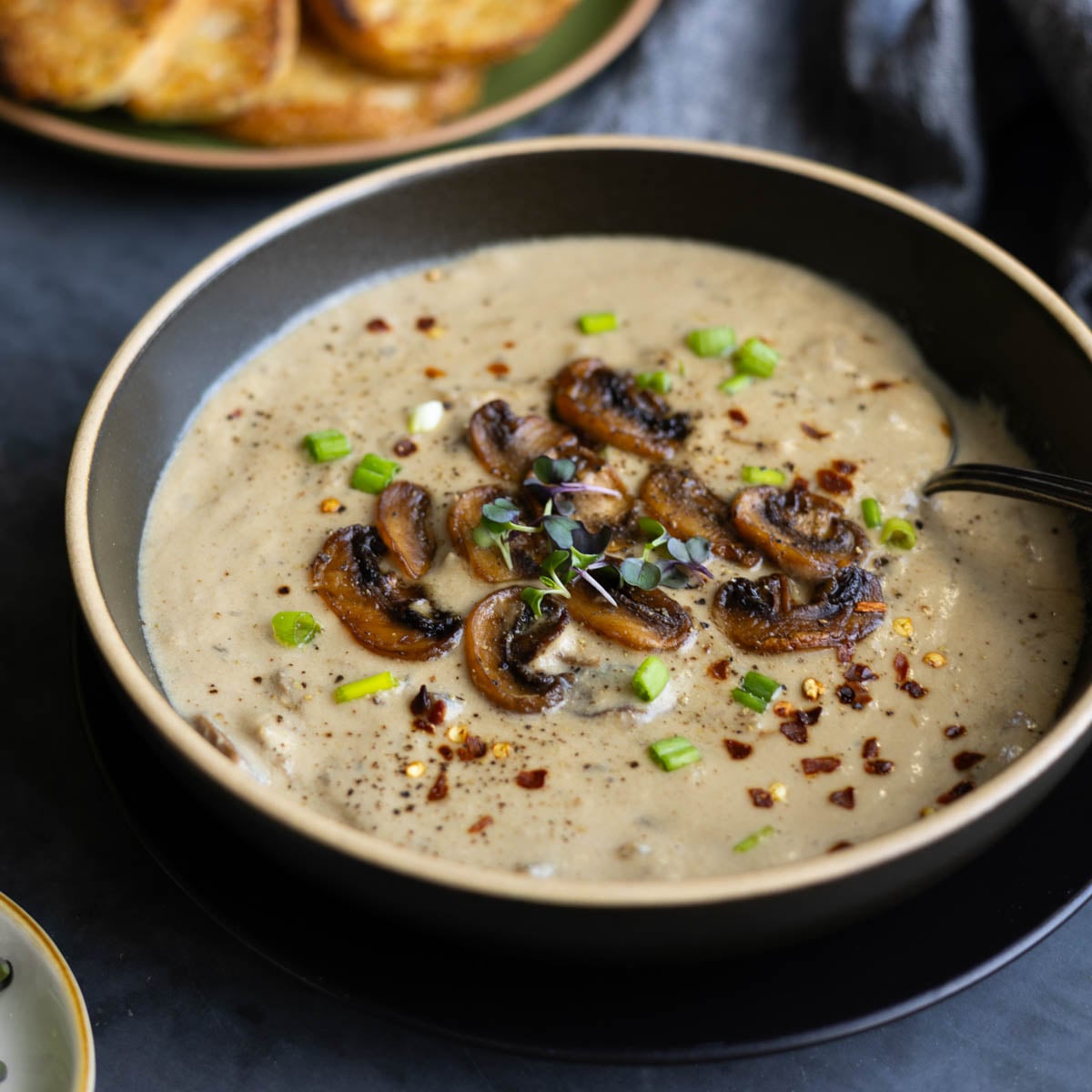
The culinary landscape for plant-based nutrition has seen a significant evolution over the past decade, moving away from processed alternatives toward whole-food, nutrient-dense preparations. Among the most enduring staples in this category is the vegan cream of mushroom soup, a dish that has been refined through years of community collaboration and recipe development. A recently updated version of this classic recipe, originally shared by the late culinary advocate Somer McCowan, highlights the transition toward simplified, high-protein, and allergen-friendly home cooking.
Historical Context and Community Collaboration
The recipe, which first appeared in the public domain on March 6, 2013, serves as a testament to the collaborative nature of the early plant-based food blogging community. Somer McCowan, a prominent figure in the vegan culinary space and a contributor to major platforms like Forks Over Knives, shared the original formulation during a period when accessible, gourmet-quality vegan recipes were less common. McCowan, who was widely recognized for her advocacy regarding plant-based diets and her personal battle with ulcerative colitis, utilized her platform to demonstrate that therapeutic, health-conscious eating did not necessitate a sacrifice in flavor or comfort.
The recent update to this recipe, conducted by blogger Vegan Richa, serves both a practical and commemorative purpose. Following McCowan’s passing from cancer earlier this year, the culinary community has revisited her contributions to the movement. By modifying the preparation method—reducing the reliance on cashews and streamlining the blending process—the new iteration addresses modern consumer preferences for efficiency and accessibility without compromising the nutritional profile that defined the original.
Nutritional Profile and Dietary Implications
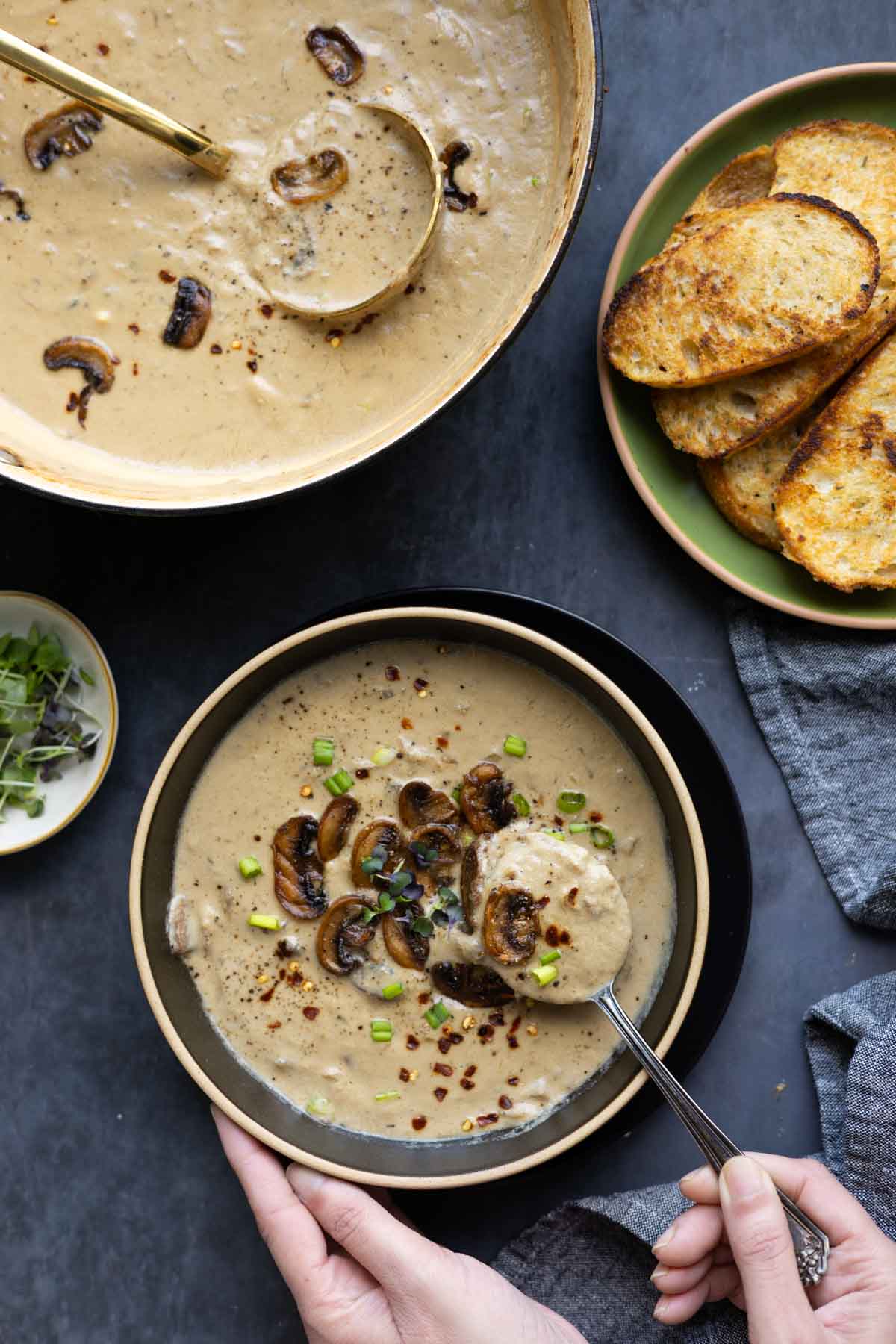
From a nutritional standpoint, the modern version of this soup offers a robust profile, providing approximately 14 grams of protein per serving. This is a significant figure for a soup-based meal, often achieved through the incorporation of legumes or nut-based creams, which provide essential amino acids that are sometimes lacking in traditional mushroom-based broths.
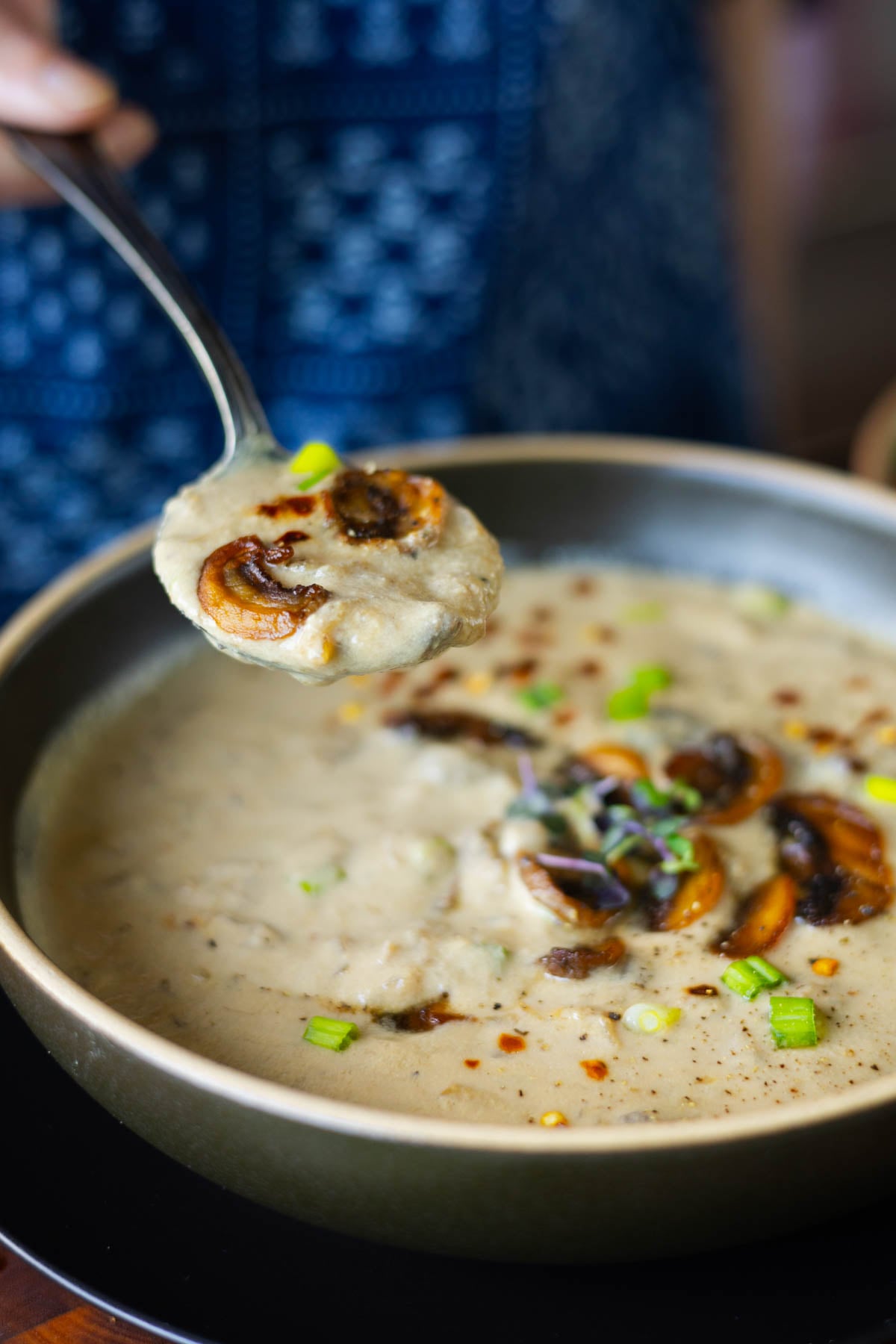
The following data points summarize the nutritional breakdown per serving of the updated recipe:
- Calories: 329 kcal
- Protein: 14g (expandable to 20g+ with modifications)
- Fiber: 6g
- Sodium: 424mg
- Fat: 20g (primarily healthy fats from plant sources)
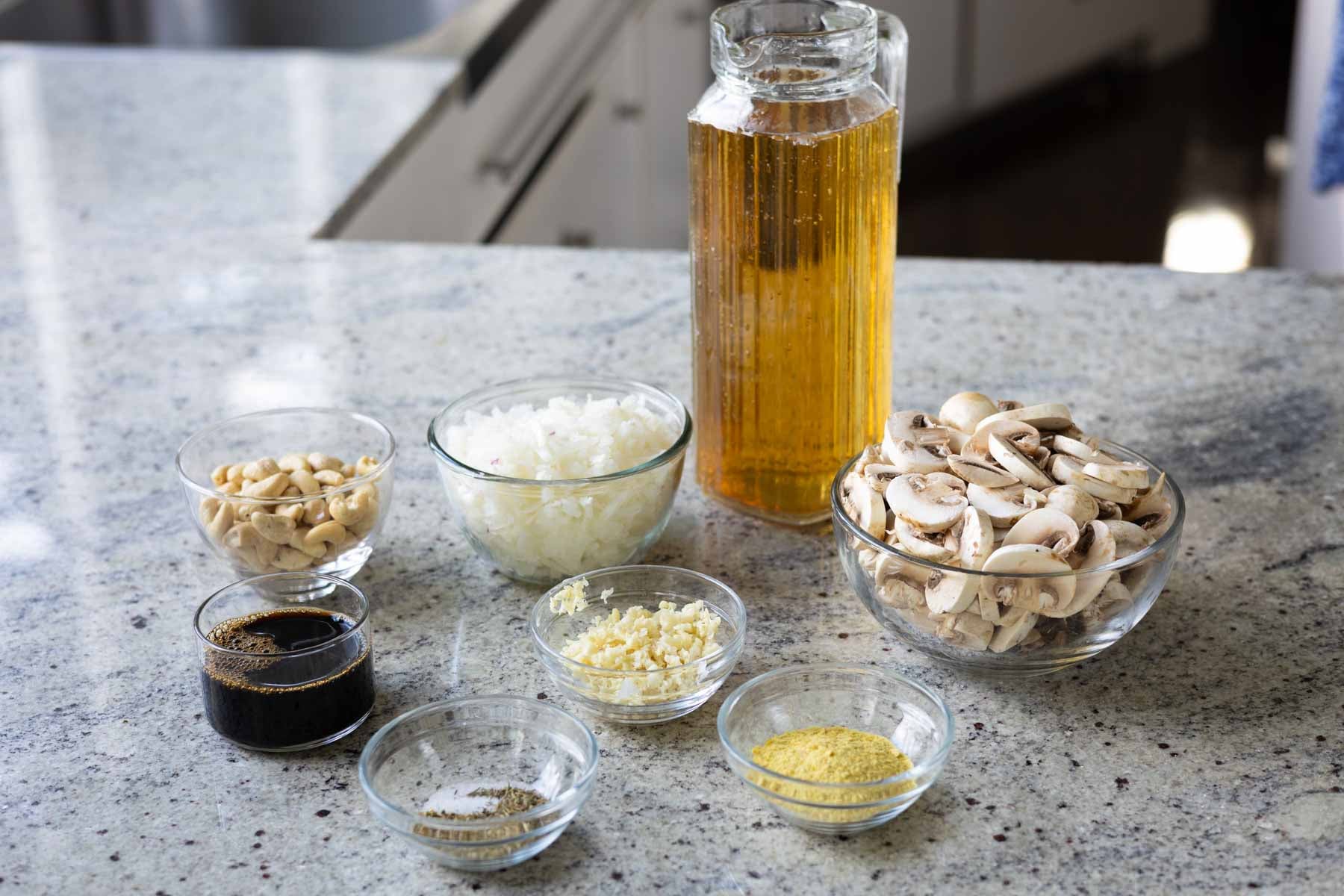
The focus on high-protein density is part of a broader trend in the plant-based industry to address concerns regarding satiety and muscle maintenance. The flexibility of the recipe—allowing for the substitution of white beans, silken tofu, or hemp seeds—enables the dish to meet various dietary requirements, including gluten-free, soy-free, and nut-free protocols. This modular approach to ingredient selection reflects a sophisticated understanding of dietary restrictions and the necessity for inclusive culinary design.
Technical Refinements in Preparation
The primary shift in the updated methodology centers on safety and convenience. The original 2013 instructions required the transfer of boiling-hot liquid into a blender, a process that poses physical risks to the home cook and often results in uneven emulsion. The revised technique involves blending a portion of the onion and mushroom sauté with the thickening agents (such as cashews or tofu) before reintegrating this mixture into the main stock.
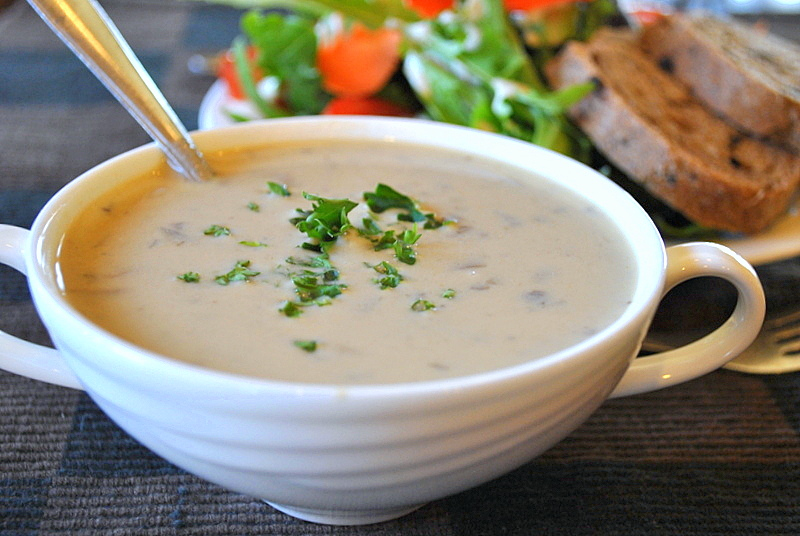
This technique, often referred to as "tempering the base," ensures a consistent, velvety texture that mimics the mouthfeel of traditional dairy-heavy cream soups. By separating the ingredients, the cook can better control the viscosity of the final product. Furthermore, the inclusion of umami-boosting agents—such as miso, balsamic vinegar, or soy sauce—serves to replicate the depth typically provided by animal-based stocks, allowing the dish to remain entirely plant-derived while maintaining a complex flavor profile.
The Role of Umami in Plant-Based Cooking
The challenge of creating a "creamy" soup without dairy is largely a matter of balancing fat content with umami—the savory fifth taste. Mushrooms, particularly when browned properly, are high in glutamates, the chemical compounds responsible for the umami sensation. The recipe’s requirement to brown a portion of the mushrooms before adding the liquid is a critical step; the Maillard reaction that occurs during browning is essential for developing the deep, earthy flavor profile required to anchor the dish.
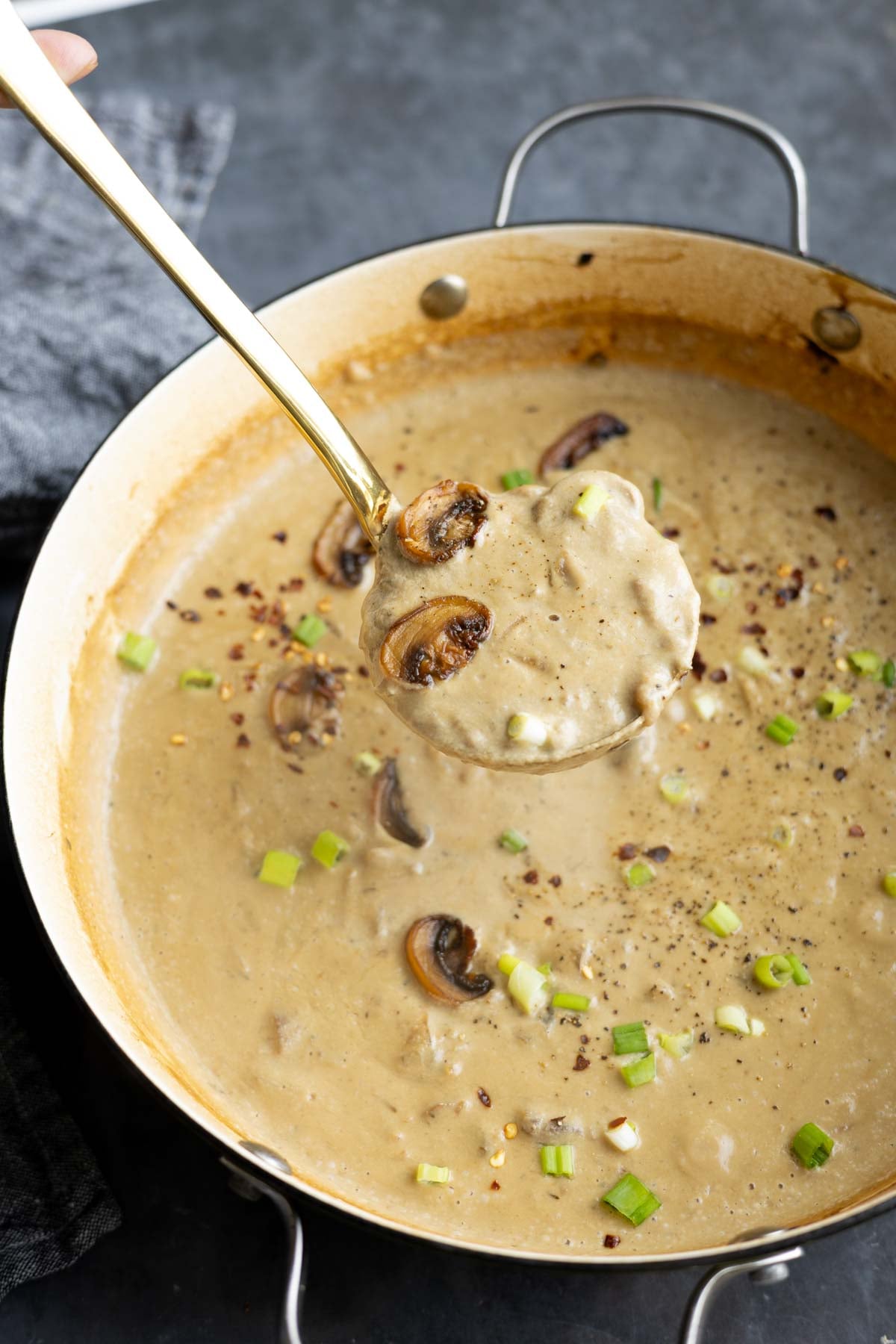
The addition of nutritional yeast and, optionally, miso or balsamic vinegar, acts as a bridge between the earthy mushrooms and the creamy base. These ingredients provide a savory "backbone" that elevates the soup from a simple vegetable broth to a complex, satisfying meal.
Broader Impact on Home Cooking Trends
The endurance of this recipe over a decade speaks to the changing habits of home cooks. In 2013, the primary goal of many plant-based recipes was to prove that vegan alternatives could exist; in 2024, the goal has shifted toward optimization. The modern home cook prioritizes:
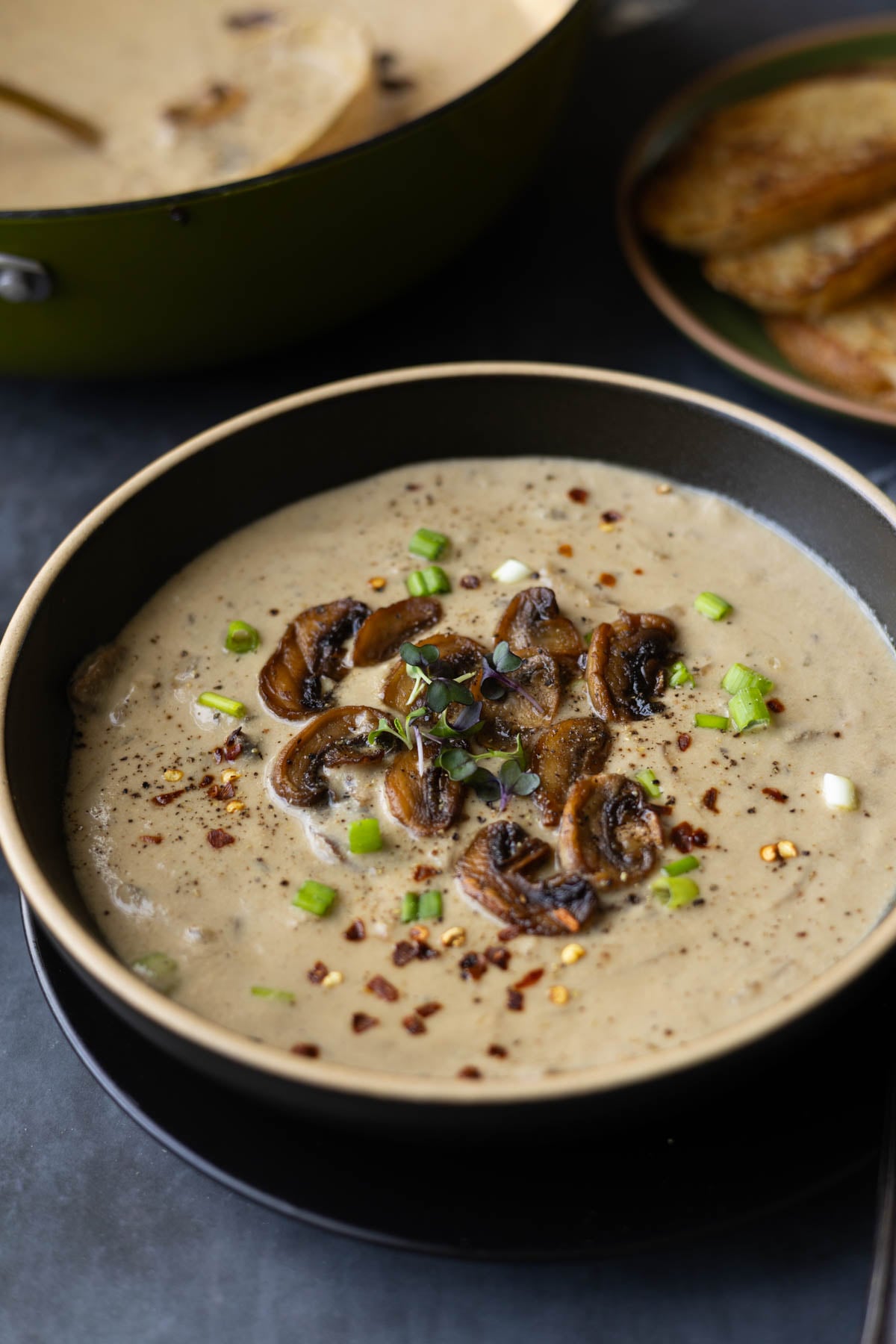
- Efficiency: Achieving complex flavors in 30 minutes or less.
- Versatility: The ability to swap ingredients based on pantry availability or allergy needs.
- Nutritional Transparency: A clear understanding of the macronutrient content of a meal.
The decision to provide multiple pathways for the "cream" component—be it cashews for richness, tofu for protein density, or hemp seeds for an allergen-friendly alternative—reflects the "future-proofing" of recipes. This allows the dish to remain relevant regardless of fluctuating ingredient costs or evolving nutritional science.
Legacy and Culinary Contribution
Somer McCowan’s legacy, as reflected in this recipe, is characterized by a commitment to empathy and accessibility. Her original notes—which famously invited the reader to share in a bowl of soup as a gesture of comfort—highlight the role that food plays in community health and emotional well-being. The current update does not merely preserve the recipe; it ensures that the foundational techniques McCowan championed continue to serve as a resource for those navigating both dietary restrictions and the complexities of modern life.
In conclusion, the evolution of this cream of mushroom soup serves as a microcosm of the broader plant-based movement. It demonstrates how a single recipe can be adapted, refined, and passed down to meet the demands of new generations while retaining the core principles of quality, nutrition, and comfort. As the culinary world continues to embrace plant-forward diets, the reliance on such versatile, time-tested recipes remains a cornerstone of sustainable and healthy home cooking. The integration of high-protein modifications and simplified preparation steps ensures that this dish will remain a staple in the repertoire of both amateur and experienced cooks for years to come.