Savory Shacha Seafood Stir-Fry Emerges as a Staple for Fast, Umami-Rich Weeknight Cooking

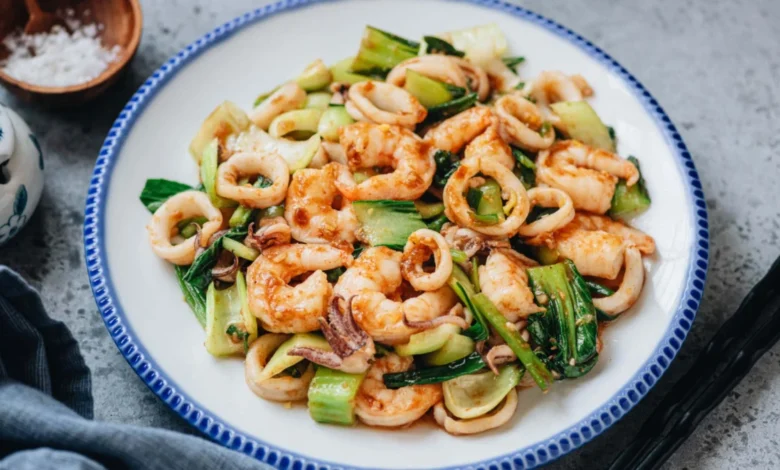
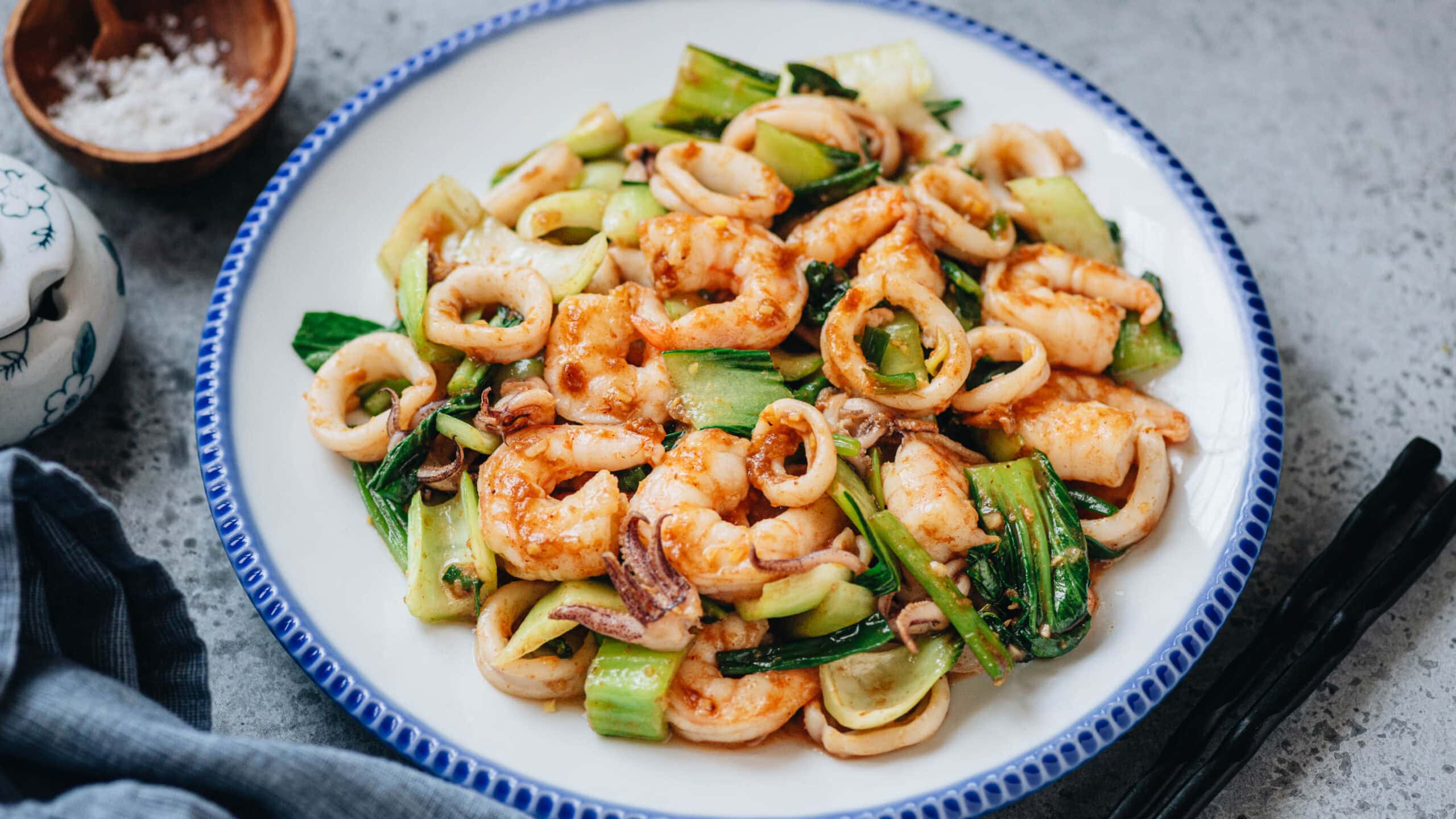
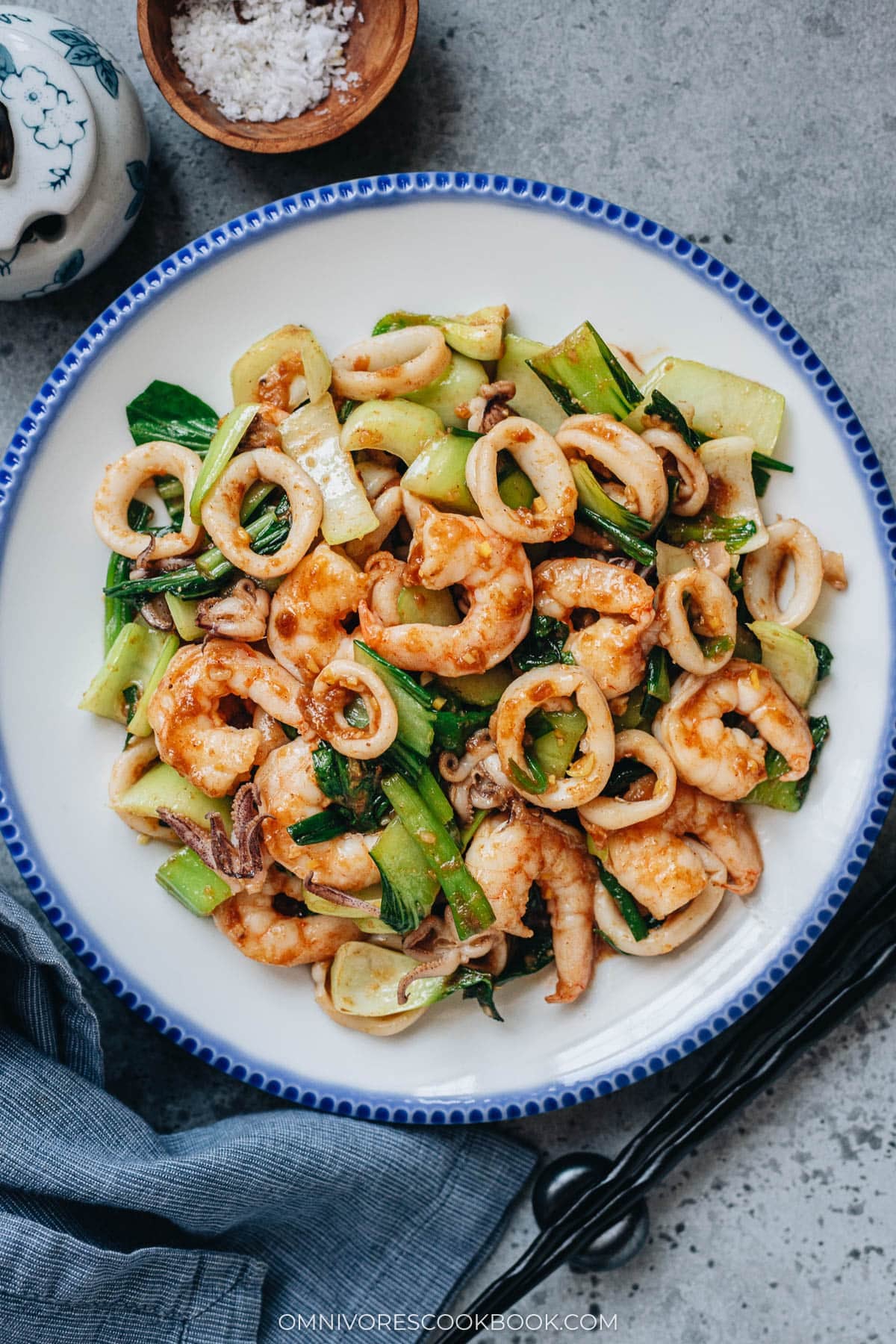
The culinary landscape of home cooking continues to evolve toward efficient, high-flavor meal preparation, bringing regional Asian pantry staples into broader international focus. Among these, shacha sauce—frequently characterized as Chinese barbecue sauce—has gained significant traction in contemporary domestic kitchens. Prized for its complex umami profile, this savory condiment is anchoring a new wave of rapid, restaurant-quality weeknight dinners, exemplified by the rising popularity of the shacha seafood stir-fry.
Understanding Shacha Sauce: Origins and Flavor Profile
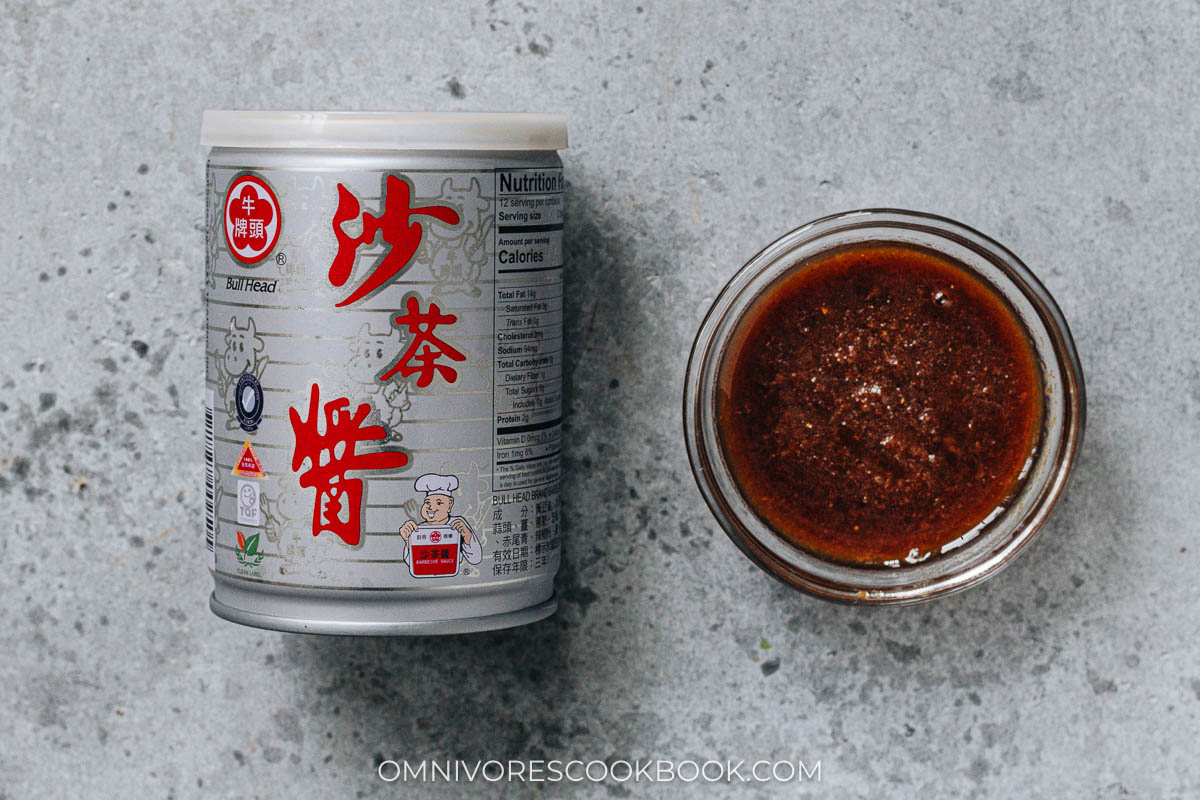
Shacha sauce, deeply rooted in the culinary traditions of Southern China and Taiwan, is a highly aromatic condiment distinct from the sweet and tangy tomato-based barbecue sauces prevalent in Western cuisine. Traditional manufacturing processes typically involve a slow simmer of dried seafood—most commonly brill fish and shrimp—combined with garlic, shallots, dried chilis, and soybean oil.
The resulting paste delivers a concentrated, savory depth characterized by a distinct seafood fragrance rather than overt sweetness. Culinary historians note that the condiment was introduced to Taiwan by people from the Chaoshan region of Guangdong Province, eventually becoming a cornerstone for regional hot pot dipping sauces, marinades, and stir-fries. In recent years, increased accessibility through Asian supermarket chains and e-commerce platforms has introduced the ingredient to a wider demographic of home cooks seeking robust flavor shortcuts without the necessity of compounding numerous individual spices.
Chronology of a Quick Weeknight Preparation
The standard execution of a shacha seafood stir-fry is engineered for efficiency, fitting comfortably within a 20-minute operational window. The cooking sequence relies on precise timing to preserve the delicate textures of seafood:
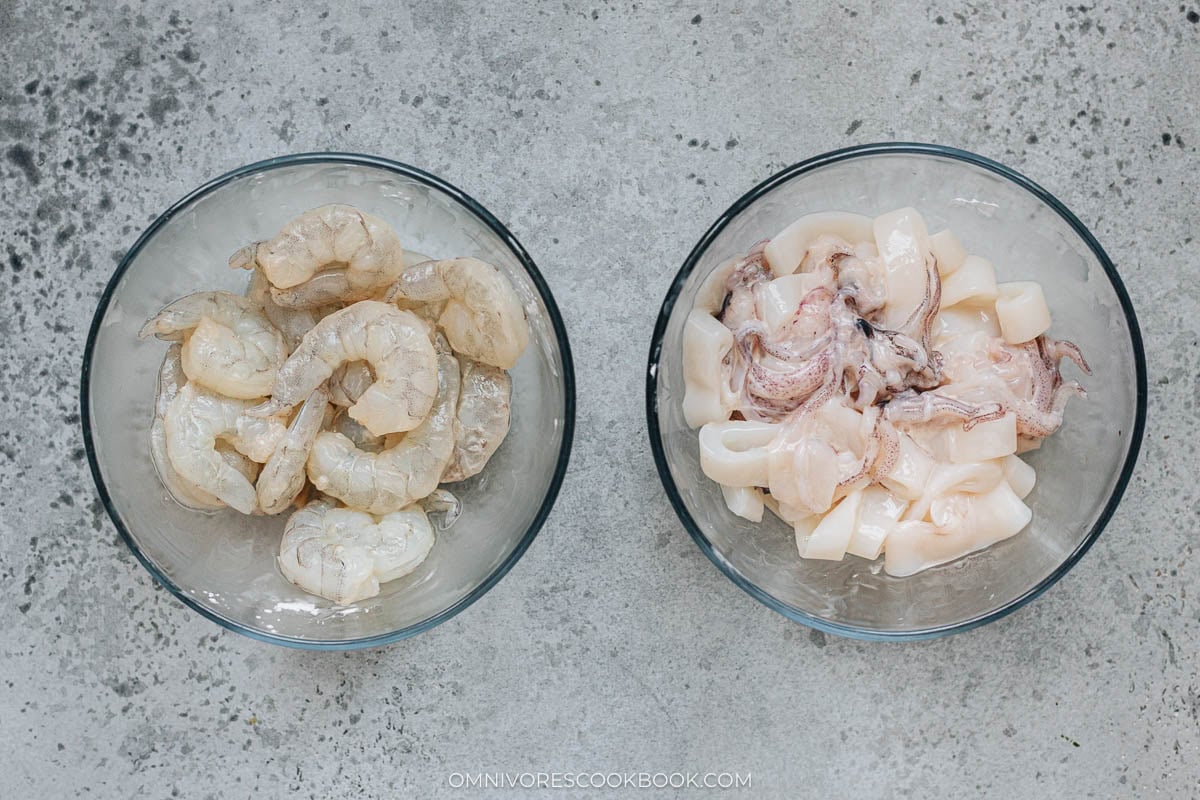
- Preparation and Marination (Minutes 1–5): Frozen seafood, typically a combination of shrimp and squid, is thoroughly thawed, drained, and patted dry to eliminate excess moisture that could otherwise compromise the sear. The proteins are segregated into bowls and lightly coated with Shaoxing wine, kosher salt, and cornstarch, a technique known in Chinese culinary science as velveting, which protects the seafood from losing moisture over high heat.
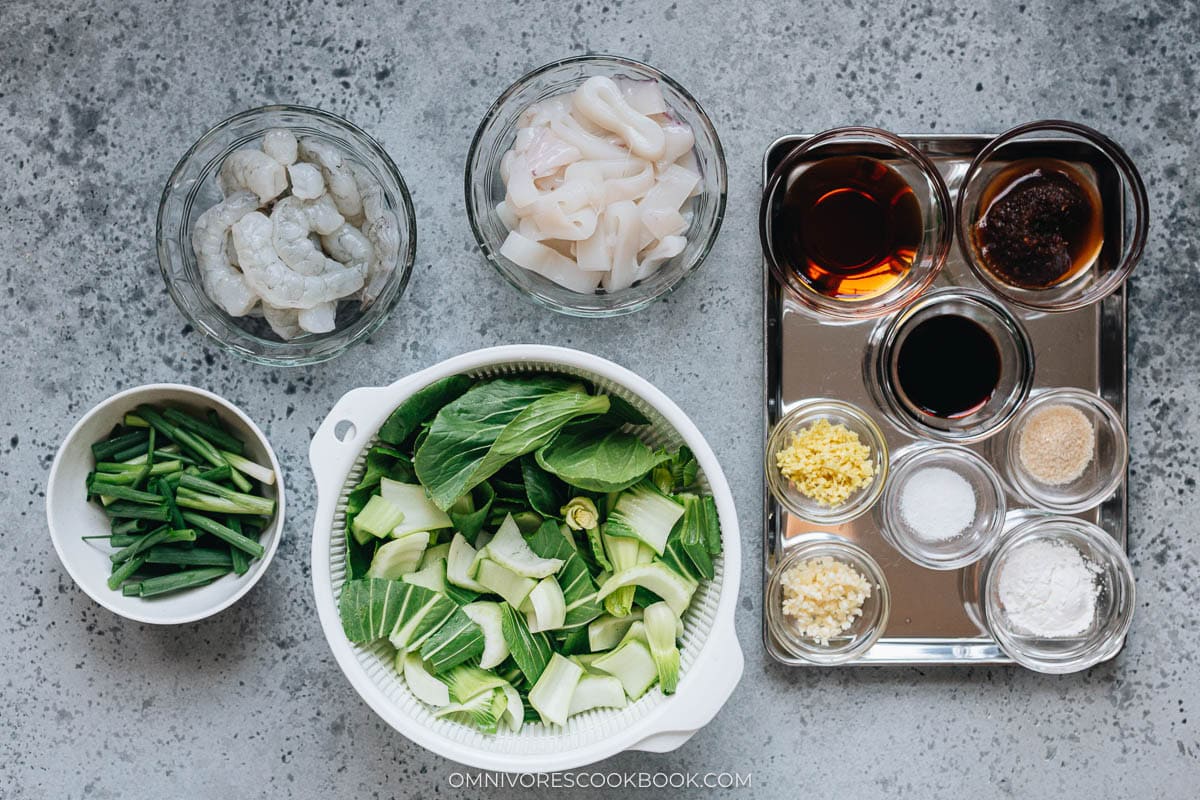
- Sauce Composition (Minutes 5–7): A foundational sauce is whisked in a separate vessel, combining measured amounts of shacha sauce, light soy sauce, a touch of sugar, and additional Shaoxing wine.
- Protein Searing (Minutes 7–10): Executed in a smoking-hot wok utilizing high-heat oil, the shrimp and squid are cooked rapidly and separately. Shrimp requires roughly 30 seconds per side until curling and turning opaque, while squid cooks in approximately one minute. Removing these proteins immediately prevents rubbery overcooking.
- Aromatics and Vegetable Integration (Minutes 10–15): Finely minced garlic and ginger are flashed in the wok for aromatic release, followed by the introduction of scallions and bok choy. The bok choy is often split between thick white stems and tender green leaves, allowing the stems a brief head start to ensure even softening.
- Final Assembly (Minutes 15–18): The reserved sauce is poured into the wok, brought to a rapid boil to thicken slightly, and reunited with the cooked seafood. A swift toss ensures complete coating before immediate transfer to a serving vessel.
Nutritional and Dietary Analysis
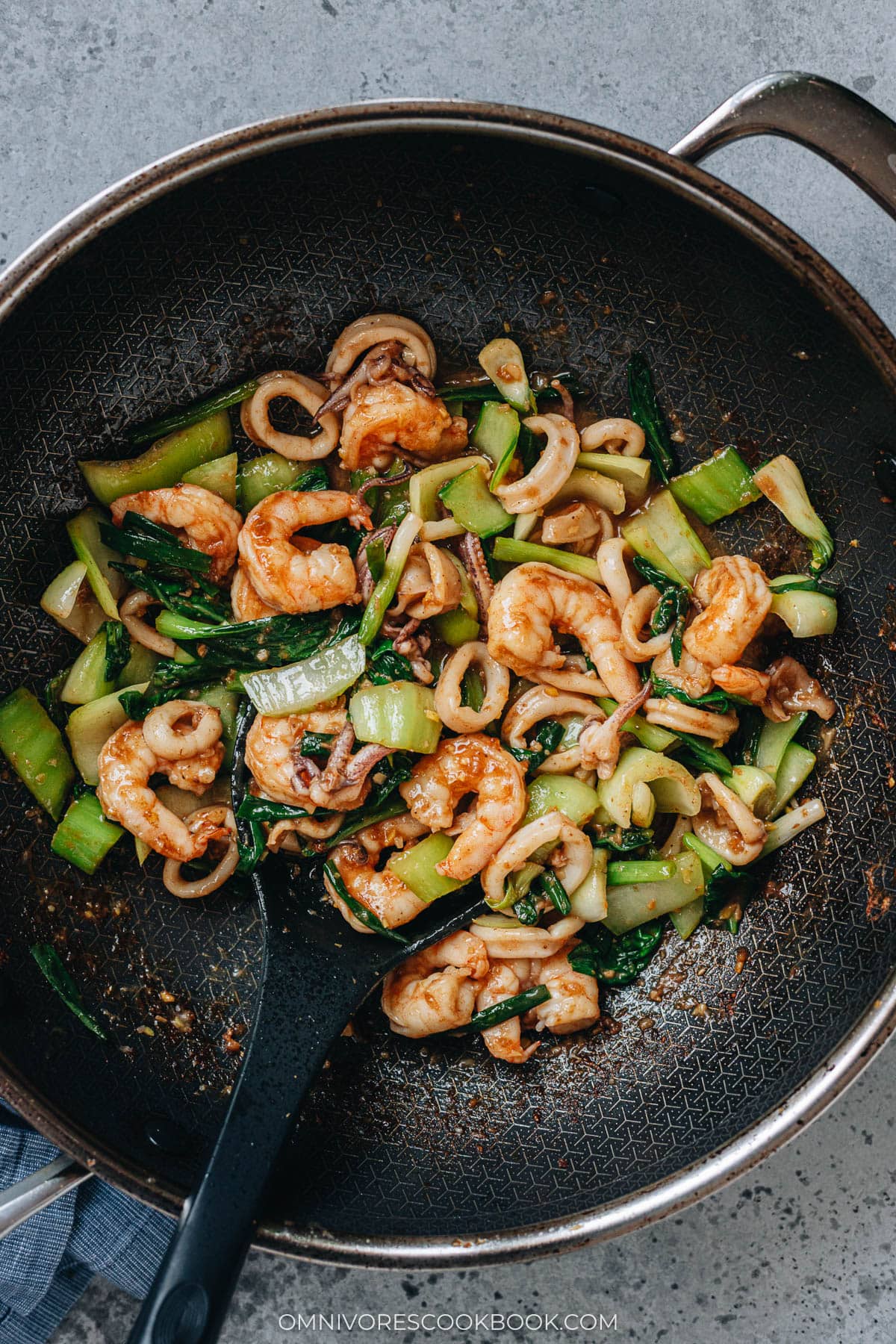
From a nutritional standpoint, a standard serving of shacha seafood stir-fry—calibrated for approximately four portions—offers a balanced macronutrient profile aligned with modern dietary recommendations. Official nutritional data indicates an average per-serving breakdown of roughly 254 kilocalories, accompanied by 27 grams of lean protein derived primarily from the seafood components. Carbohydrates register near 17 grams, supported by fiber-rich vegetables like bok choy (contributing approximately 5 grams of fiber), while total fat remains moderate at 9 grams, predominantly unsaturated fats derived from cooking oils and the condiment base.
However, dietitians note that commercial shacha sauces can be high in sodium, with a single serving of the finished dish averaging approximately 714 milligrams of sodium. Home cooks frequently manage this mineral intake by moderating the addition of supplementary soy sauces and balancing the dish with unseasoned bases such as steamed jasmine rice.
Broader Culinary Implications and Market Trends
The growing adoption of shacha sauce in domestic kitchens reflects a broader consumer shift toward multicultural pantry optimization. As schedules become increasingly demanding, culinary habits have transitioned away from scratch-made multi-ingredient sauces toward concentrated umami pastes that deliver complex flavor profiles with minimal preparation time.
Industry observers indicate that sales of imported Asian condiments, particularly regional chili pastes, fermented bean curds, and seafood-based sauces, have seen steady incremental growth in mainstream grocery channels. This trend suggests that home cooks are increasingly willing to experiment with unfamiliar flavor bases provided they offer straightforward application methods. By streamlining traditional wok techniques—such as separate protein searing and precise vegetable staging—recipes like the shacha seafood stir-fry bridge the gap between authentic regional flavors and the constraints of the modern weeknight schedule.