The Evolution of the Scone: How One Bakery Transformation Inspired a New Standard in Artisan Pastries

The global culinary landscape has long struggled with a pervasive breakfast paradox: the commercial scone. For decades, mass-produced versions found in standard coffeehouse chains have suffered from a reputation for being dry, overly crumbly, and desperately reliant on heavy beverages to wash down each bite. However, a profound shift in consumer expectations and artisan baking techniques is redefining the category, moving away from sawdust-textured baked goods toward flaky, tender, and intensely aromatic pastries. This evolution in baking science, anchored by traditional lamination methods and vibrant citrus infusions, highlights a broader resurgence in artisanal baking standards across North America.
From Disillusionment to Discovery: A Culinary Turning Point
The historical prejudice against the scone is well-documented among culinary historians and pastry chefs alike. Mass-market adaptations popularized in the late 20th century prioritized shelf-life and structural stability over moisture and texture, leading to widespread consumer disillusionment. Many early-career diners, encountering these dry, sugar-dusted triangles, permanently crossed scones off their morning menus in favor of muffins, quick breads, or croissants.
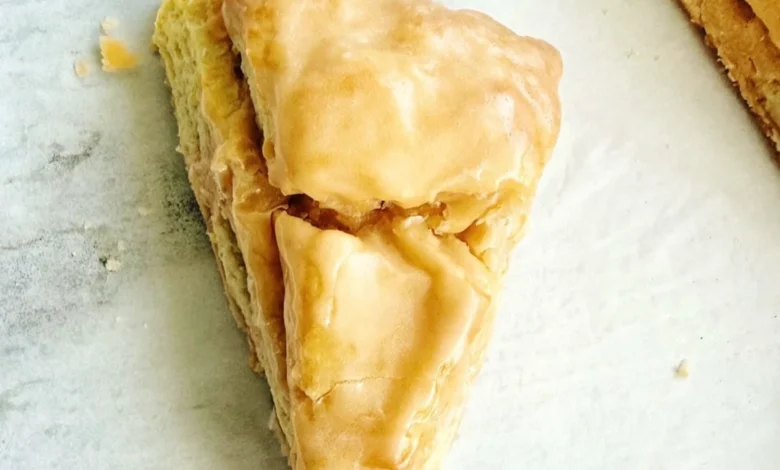
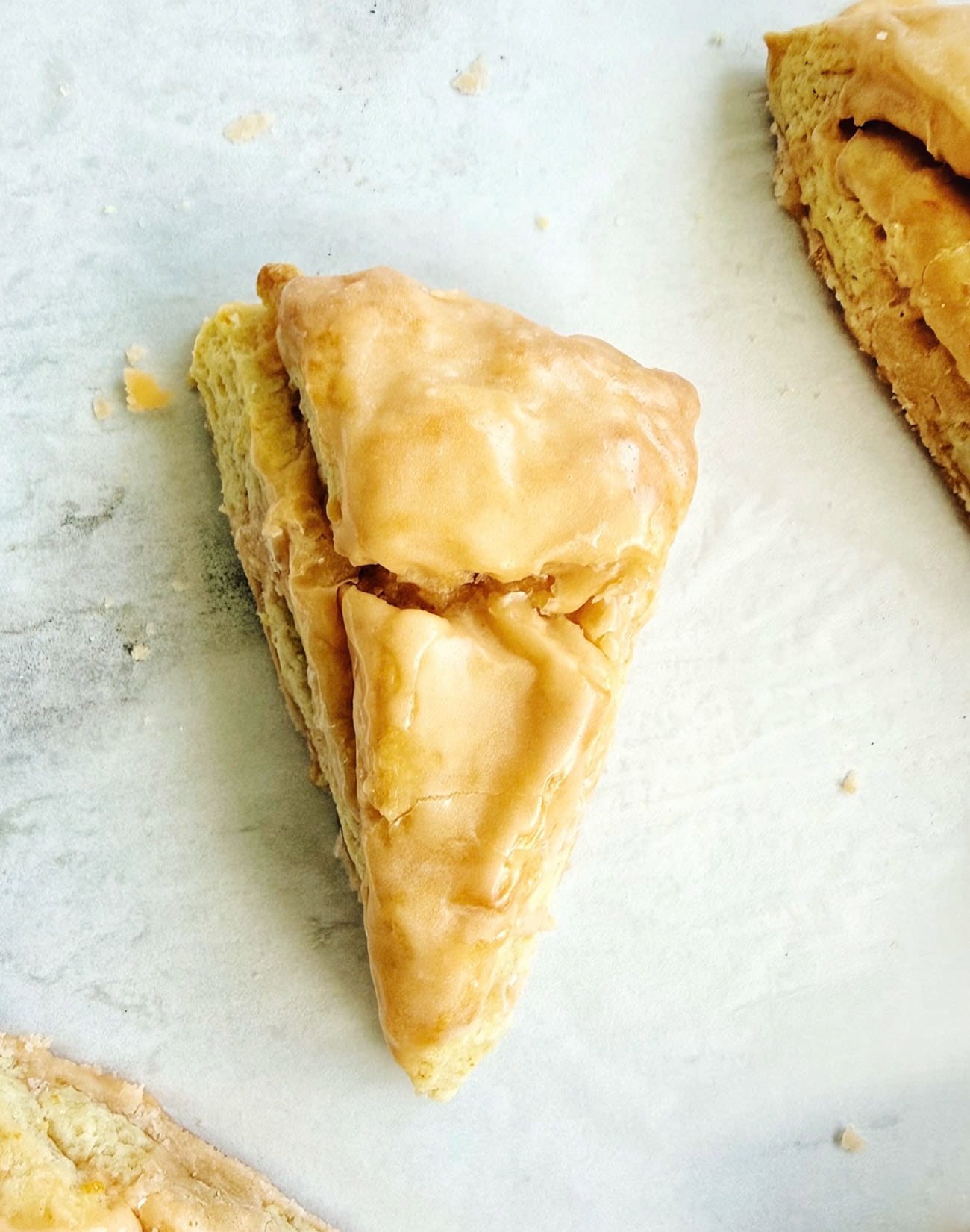
This skepticism was permanently challenged on a crisp autumn morning in 1998 at the Blue Heron Coffeehouse. Working the early morning shift, staff members accustomed to subpar baked goods witnessed the introduction of a completely reimagined pastry format. Created by veteran baker and establishment owner Colleen, these scones shattered prevailing industry stereotypes. Featuring creamy white triangles flecked with fresh orange zest, shimmering with coarse sugar, and boasting distinct, buttery, flaky layers, the product demonstrated that the structural integrity of a scone did not require sacrificing its tenderness.
The Mechanics of Artisan Scone Production: Anatomy of the Flaky Layer
The transformation of the scone from a dense brick into a tall, lofty, and delicate pastry is fundamentally a triumph of baking science. Traditional commercial methods often over-mix dough or rely on chemical leavening agents alone, resulting in a heavy crumb. In contrast, premium artisan recipes utilize specific cold-butter incorporation techniques and deliberate dough manipulation.
Central to achieving this elevated texture is the process of lamination—repeatedly folding the dough over itself several times before cutting and baking. This technique creates micro-layers of butter trapped within the flour matrix. As the scones enter a hot oven, the water content in the butter evaporates, creating steam pockets that force the pastry upward, resulting in a tall, multi-tiered structure with a tender interior.
Furthermore, ingredient selection plays a vital role in moisture retention. Incorporating fresh citrus zest directly into the dry ingredients allows the essential oils of the fruit to infuse the butter throughout mixing. To amplify this aromatic profile, professional bakers frequently incorporate a complementary element such as triple sec or pure orange extract into the wet base. Crucially, applying an orange-infused glaze while the pastries are still warm allows the liquid to partially absorb into the surface crust, sealing in internal moisture and preserving the tender crumb profile for hours after baking.
Industry Impact and Consumer Trends
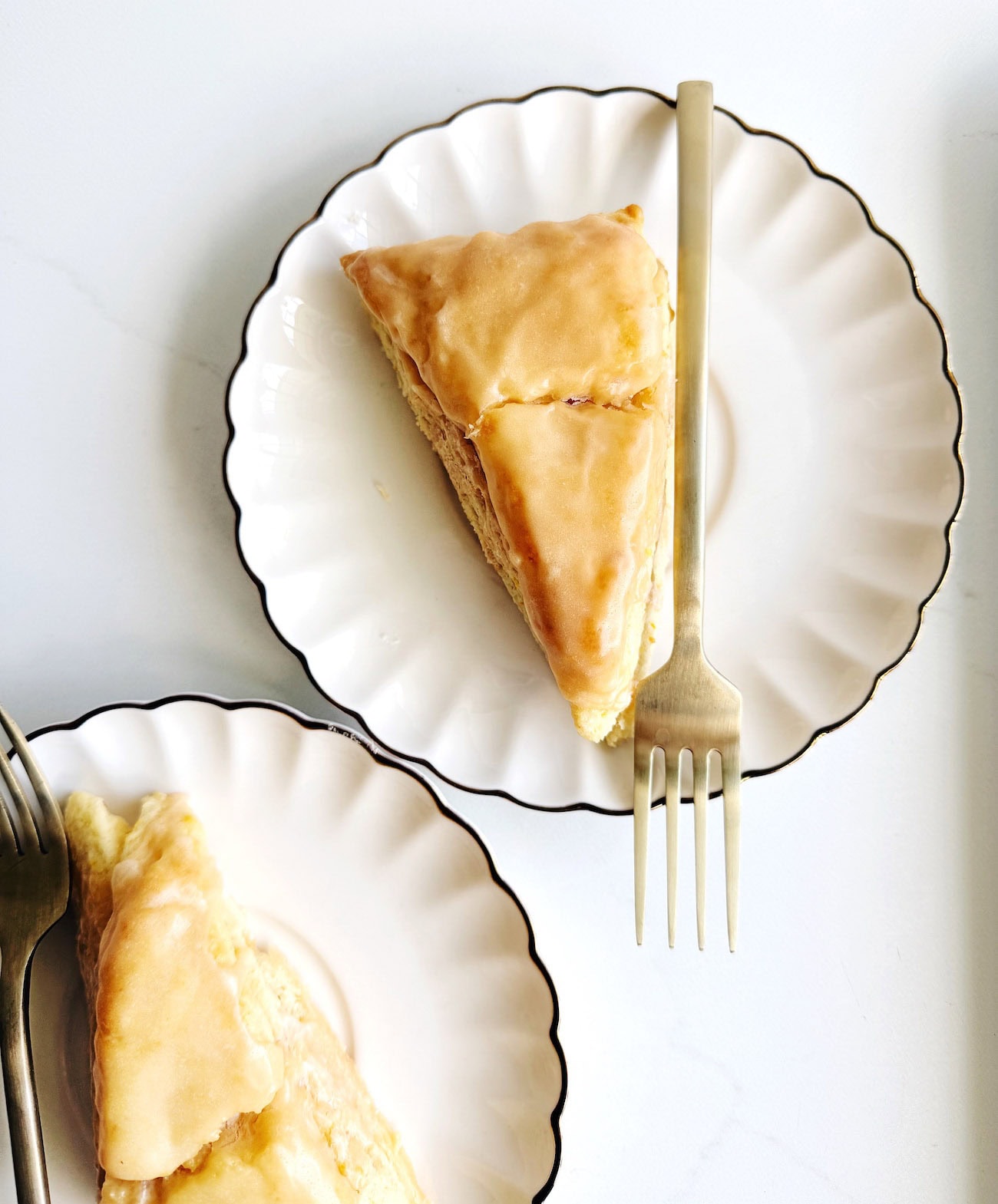
The resurgence of high-quality, citrus-forward scones aligns with broader shifts in consumer demand within the specialty food and beverage sector. Market analysis indicates a steady increase in consumer preference for transparency, scratch-made quality, and localized provenance in baked goods. As independent coffeehouses and boutique bakeries strive to differentiate themselves from corporate franchises, proprietary pastry recipes have become significant commercial differentiators.
Food science experts note that the revival of classic baked goods through modernized techniques points to a consumer desire for comfort foods that exhibit elevated execution. The integration of fresh fruits, botanical zests, and sophisticated glazing techniques transforms a rudimentary breakfast item into a premium culinary experience.
Looking forward, industry analysts expect the standard for baked goods in specialty cafes to continue rising. As consumers become more discerning regarding texture and ingredient sourcing, recipes that successfully merge structural technique—such as proper dough folding—with vibrant, natural flavor profiles will dominate artisan menus. The modern artisan scone stands as proof that even the most maligned culinary staples can be successfully redeemed through a commitment to proper technique and exceptional ingredients.