Beyond the Barn: A Month in the Life of a Modern Dairy Farmer Reveals the Complexity of Sustainable Agriculture

The popular perception of farming as a simple, singular occupation often obscures the reality of a complex, multi-faceted profession that balances biological science, logistics, environmental stewardship, and public engagement. For modern dairy producers, the daily rhythm is defined not only by the biological needs of livestock but by the volatility of weather patterns, rigorous health safety protocols, and the growing public appetite for transparency in the food supply chain. A recent chronicle of operations from a Dorset-Devon border dairy farm provides a detailed case study into the multifaceted nature of 21st-century agriculture, illustrating how technology and traditional husbandry intersect to ensure food security and animal welfare.
The Seasonal Challenge: Navigating Climate and Nutrition
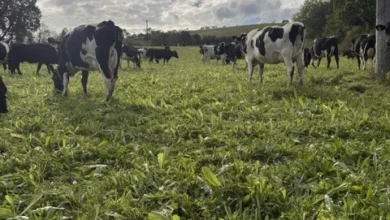
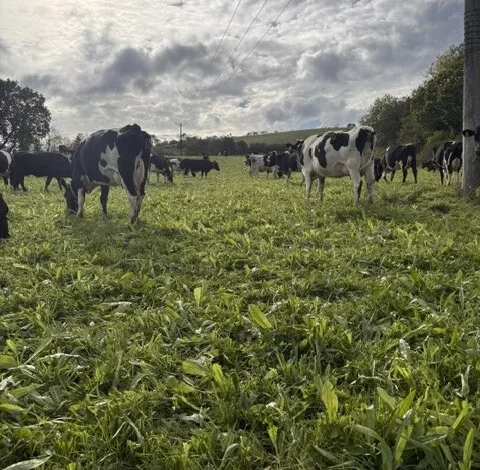
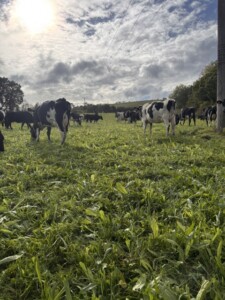
October represents a pivotal transition period for dairy operations in the United Kingdom. As daylight hours diminish and ambient temperatures drop, the primary operational challenge shifts to nutritional management. The goal is to optimize the conversion of pasture grass into milk yield while simultaneously protecting soil integrity—a task that requires precise "grass budgeting."
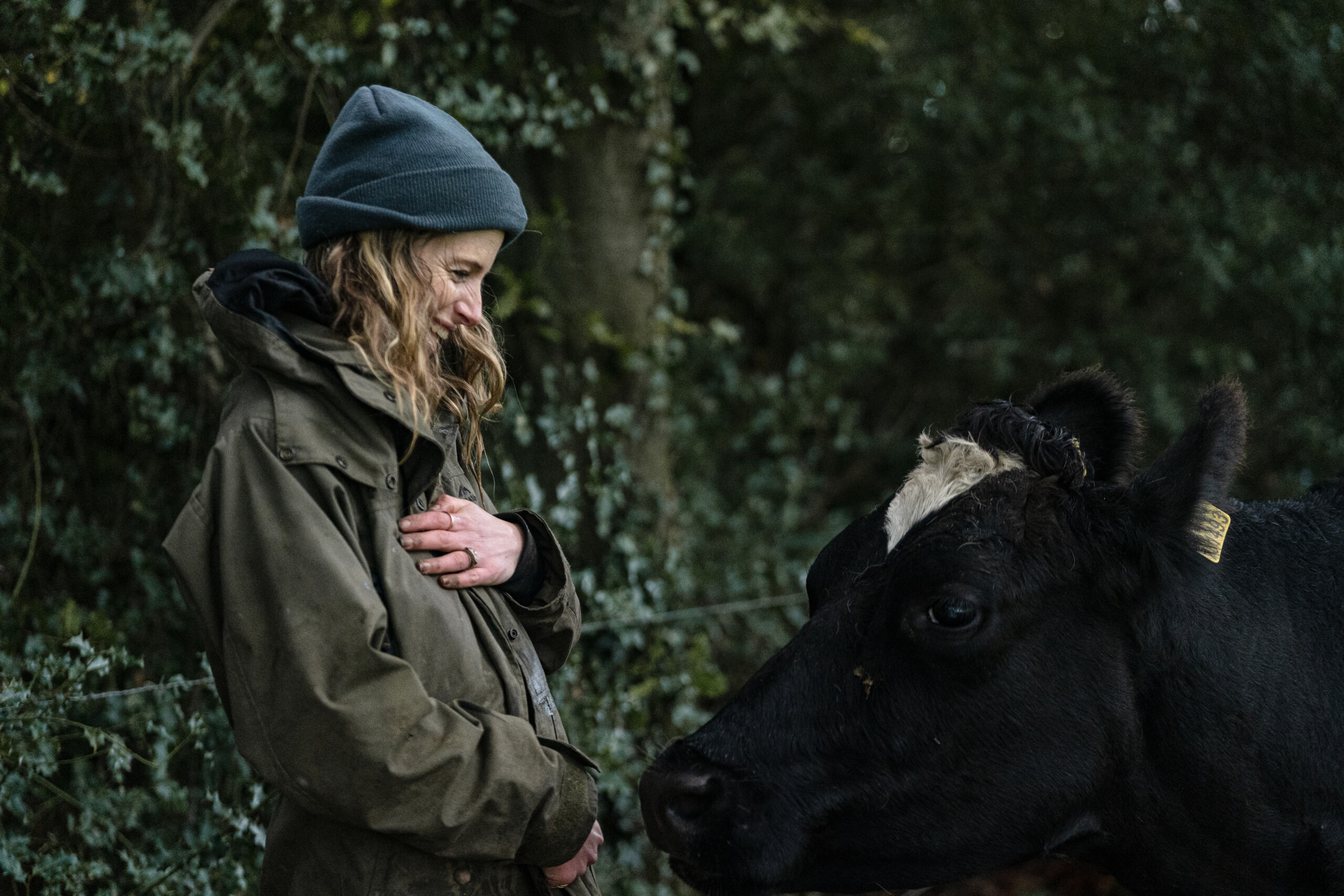
For farmers, this process is dynamic. Even when grass appears abundant, its nutritional value fluctuates with the season. Dairy cows are not inherently capable of calculating caloric intake requirements, necessitating constant human intervention. This period of the year highlights the fundamental difference between simply having livestock in a field and the sophisticated process of rotational grazing. If cattle are left on pasture for too long during wet conditions, the risk of "poaching"—the compaction and degradation of soil structure—increases significantly. This environmental management is a core component of sustainable farming, requiring farmers to monitor ground conditions daily to balance animal health with land preservation.
Health and Safety: The TB Testing Milestone
On October 9, the farm achieved a significant milestone by receiving a clear result on a bovine tuberculosis (TB) test involving over 600 animals. Bovine TB remains one of the most pressing animal health challenges for the UK agricultural sector. The disease, caused by Mycobacterium bovis, imposes a heavy burden on farmers, both economically and emotionally.
The testing process is a major logistical undertaking. It requires the coordination of veterinary professionals, farm staff, and specialized handling facilities to ensure the procedure is conducted safely and with minimal stress to the animals. A clear status is a critical validation of a farm’s biosecurity measures. The successful outcome of this test provides the farm with the necessary clearance to continue operations and trade without restriction, serving as a reminder of the rigorous regulatory environment that governs modern livestock production.
Bridging the Gap: Public Outreach and Education
The role of the farmer has expanded beyond the farm gate. On October 12, the focus shifted from animal husbandry to public communication at the New Scientist Live event in London. This shift reflects a broader trend in the agricultural industry: the move toward radical transparency. As consumers become increasingly detached from the origins of their food, farmers are stepping into roles as educators to demystify dairy production.
Public interest in dairy farming is often driven by questions regarding welfare standards, environmental impact, and technological integration. By engaging directly with the public, farmers can address misconceptions while fostering a greater appreciation for the complexity of milk production. This educational outreach is considered vital for the long-term social license of the industry, as it aligns consumer expectations with the reality of farm management.
The Logistics of Winter Feed Security
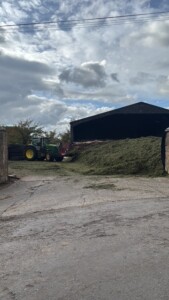
The most intense period of the month occurred on October 18, with the completion of the silage harvest. Silage—fermented, high-moisture stored fodder—is the primary winter feed for dairy cattle. For this specific operation, the scale of the task involved 300 acres of land and a significant mobilization of agricultural machinery.
The process is highly weather-dependent. The "small army" of machinery and personnel must be deployed in narrow windows of opportunity to ensure the grass is harvested at its peak nutritional value. The reliance on accurate meteorological forecasting is a testament to the risks involved; even minor errors in planning can lead to compromised feed quality, which directly impacts milk production and animal health throughout the winter months. The successful storage of this fodder is not merely a seasonal chore but a strategic security measure that ensures the herd remains nourished during the non-grazing season.
Winter Housing: Animal Welfare and Infrastructure
As October draws to a close, preparations for winter housing have taken precedence. By December, the herd will transition from outdoor grazing to indoor housing, a move that is dictated by both animal comfort and environmental protection.
The implementation of "cow cubicles" is a cornerstone of modern dairy welfare. These individual stalls provide each animal with a clean, dry, and comfortable environment to rest. Research into bovine behavior indicates that cows are creatures of habit, often preferring the same resting spots and following consistent daily routines. Dairy farmers use these behavioral traits as a primary diagnostic tool; deviations in routine—such as a cow hanging back from the milking parlour or changing her preferred resting space—are often the earliest indicators of illness or stress. By observing these subtle behavioral cues, farmers can provide preventative care, illustrating that the high-tech, industrialized nature of modern dairy farming still relies heavily on the "stockman’s eye."
Implications for the Future of Dairy Farming
The experiences of this month-long period underscore several key themes in modern agriculture:
- Technological Integration: While the work remains physical, the reliance on data, weather forecasting, and nutritional science highlights how technology has revolutionized farm management.
- Environmental Stewardship: The management of soil health during the autumn transition demonstrates the farmer’s role as a caretaker of the land, ensuring that current production does not compromise future productivity.
- Human Capital: Successful farming is rarely a solo endeavor. The coordination required for large-scale operations like TB testing and silage harvesting demonstrates the necessity of high-functioning teams.
- Transparency: The shift toward public engagement signifies a maturation of the industry, moving away from closed-door operations toward a model that invites public scrutiny and fosters understanding.
The transition into the winter months is a reminder of the cyclic nature of farming. From the initial grass assessment in early October to the final preparations for indoor housing, every action is calibrated to maintain the health of the herd and the viability of the business. As the industry continues to face pressures from climate change and evolving consumer demands, the ability to adapt, solve problems in real-time, and maintain rigorous welfare standards remains the defining characteristic of the successful modern dairy farmer.
The dedication to these routines—ensuring clean beds, consistent feeding, and vigilant observation—is what allows the agricultural sector to provide a stable, nutritious food source. The, often invisible, planning that occurs behind the scenes is what transforms the pastoral image of farming into the sophisticated, science-driven industry it is today.