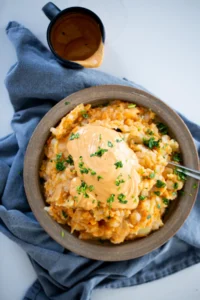
Rosemary Garlic Parmesan Mashed Sweet Potatoes: A Savory Culinary Elevation of a Holiday Classic

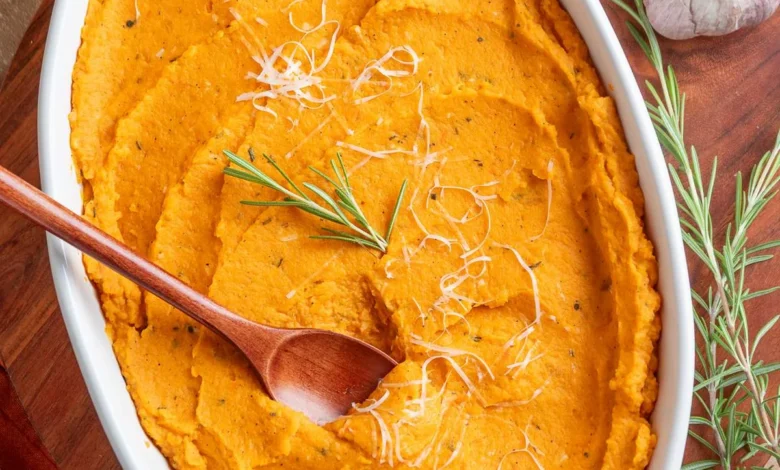
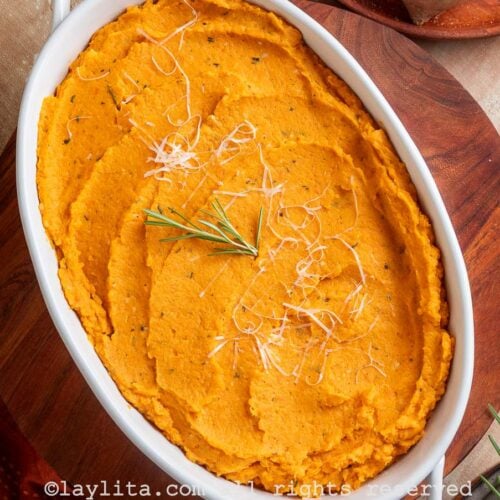
Culinary traditions surrounding holiday gatherings, family suppers, and seasonal feasts are increasingly defined by a desire to balance comforting familiarity with elevated flavor profiles. Among the staples undergoing a modern gastronomic transformation is the humble sweet potato. Long relegated to overly sweet preparations featuring marshmallows, brown sugar, or maple syrup, sweet potatoes are experiencing a renaissance driven by savory adaptations. Leading this trend is a newly published recipe for Rosemary Garlic Parmesan Mashed Sweet Potatoes, a dish designed to bridge the gap between natural sweetness and robust, earthy umami notes.
Culinary Evolution and Background Context
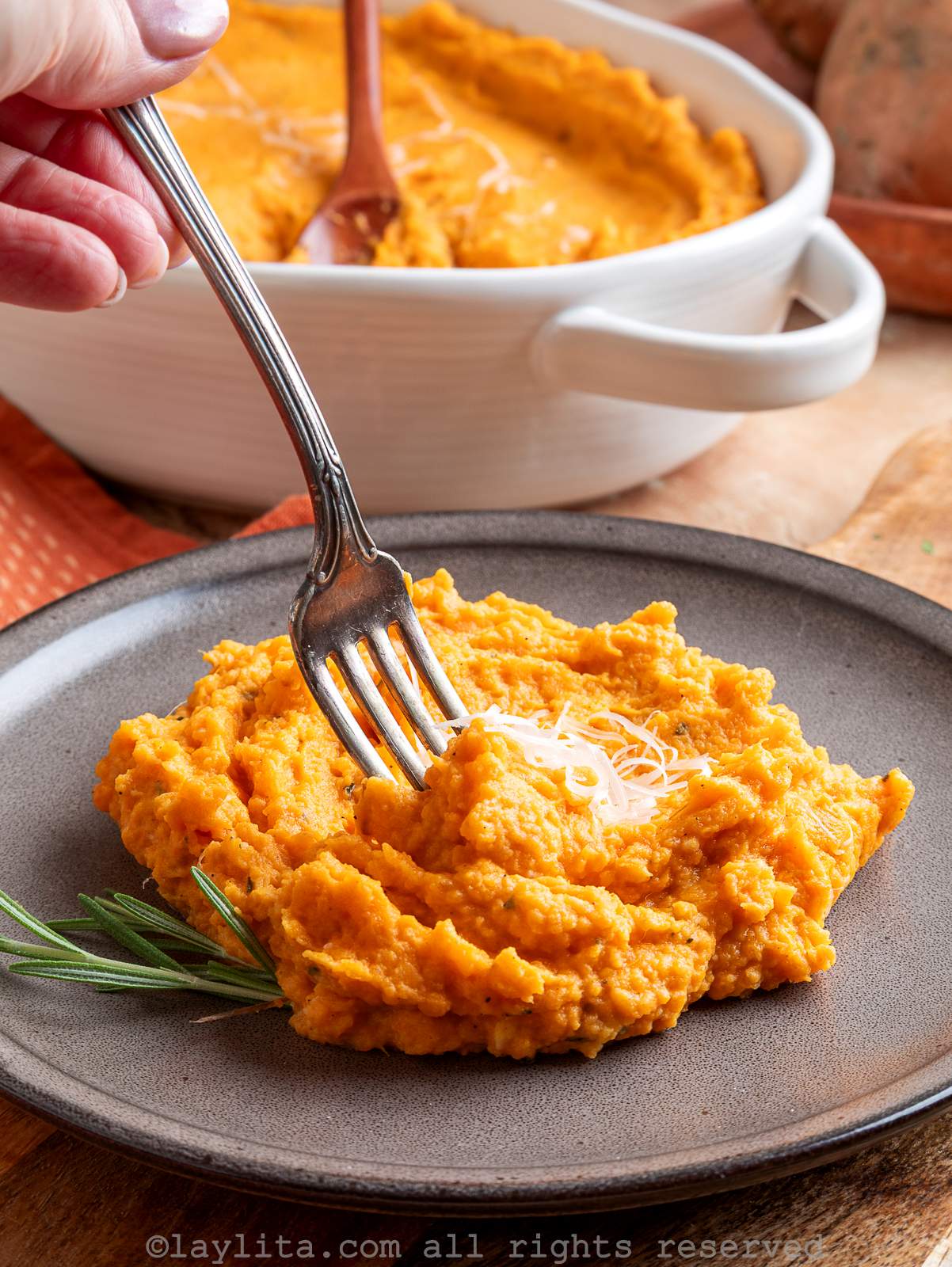
The sweet potato (Ipomoea batatas) has historically occupied a dual role in global cuisine, serving as a dessert-adjacent ingredient in North American holiday spreads while functioning as a savory base in Latin American, Asian, and African dishes. In recent years, food historians and professional chefs have noted a cultural shift toward reducing processed sugars in traditional holiday meals. This pivot has paved the way for savory root vegetable preparations.
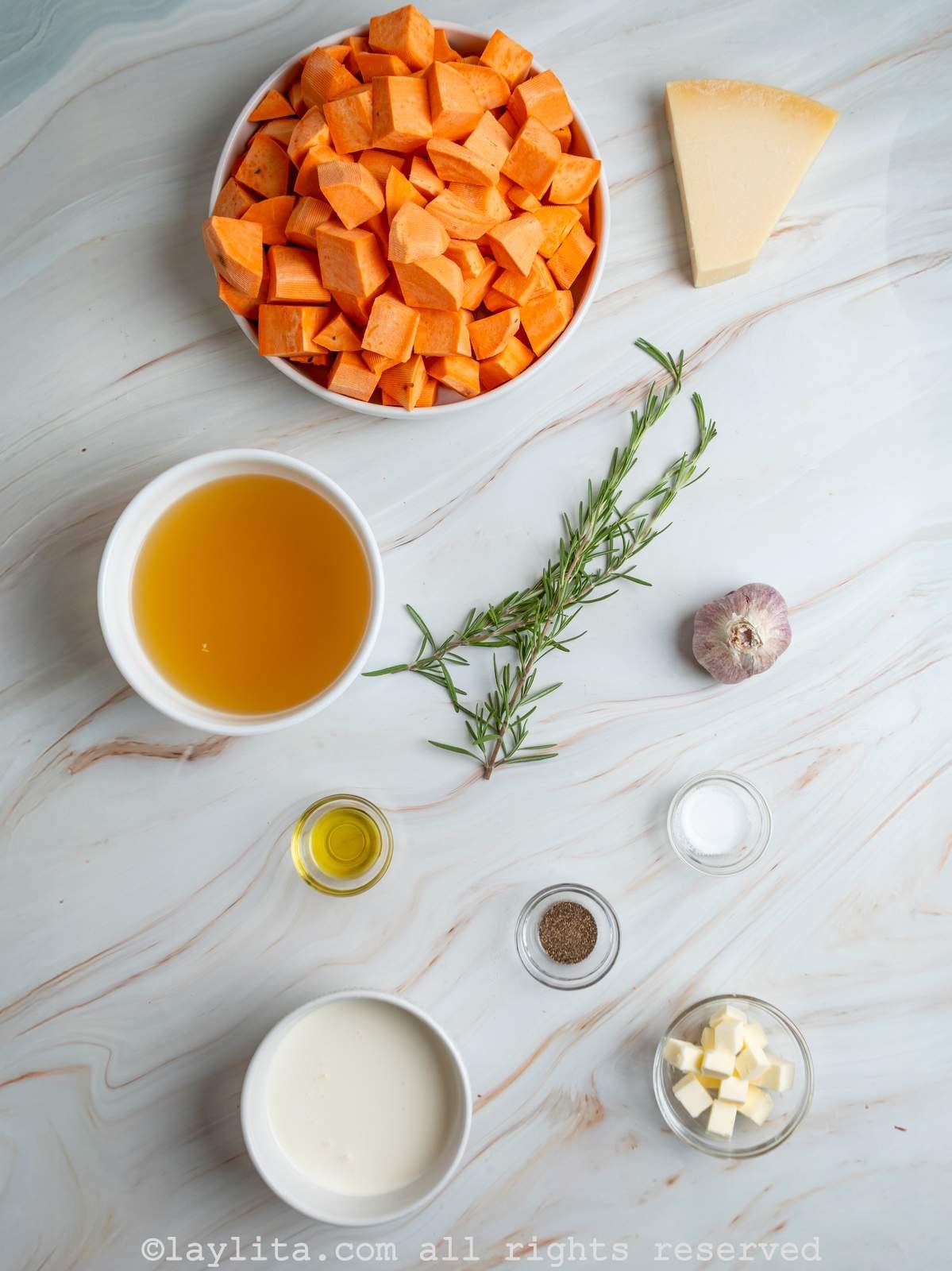
The integration of herbs such as fresh rosemary, pungent alliums like garlic, high-fat dairy, and aged cheeses transforms the nutritional and flavor profile of the vegetable. Sweet potatoes are naturally rich in beta-carotene, Vitamin A, potassium, and dietary fiber. When paired with healthy fats like butter and cream alongside aged Parmigiano-Reggiano, the dish achieves a balanced macronutrient profile that enhances satiety while dampening the sharp glycemic spikes associated with sugary sweet potato casseroles.
Chronology and Preparation Methodology
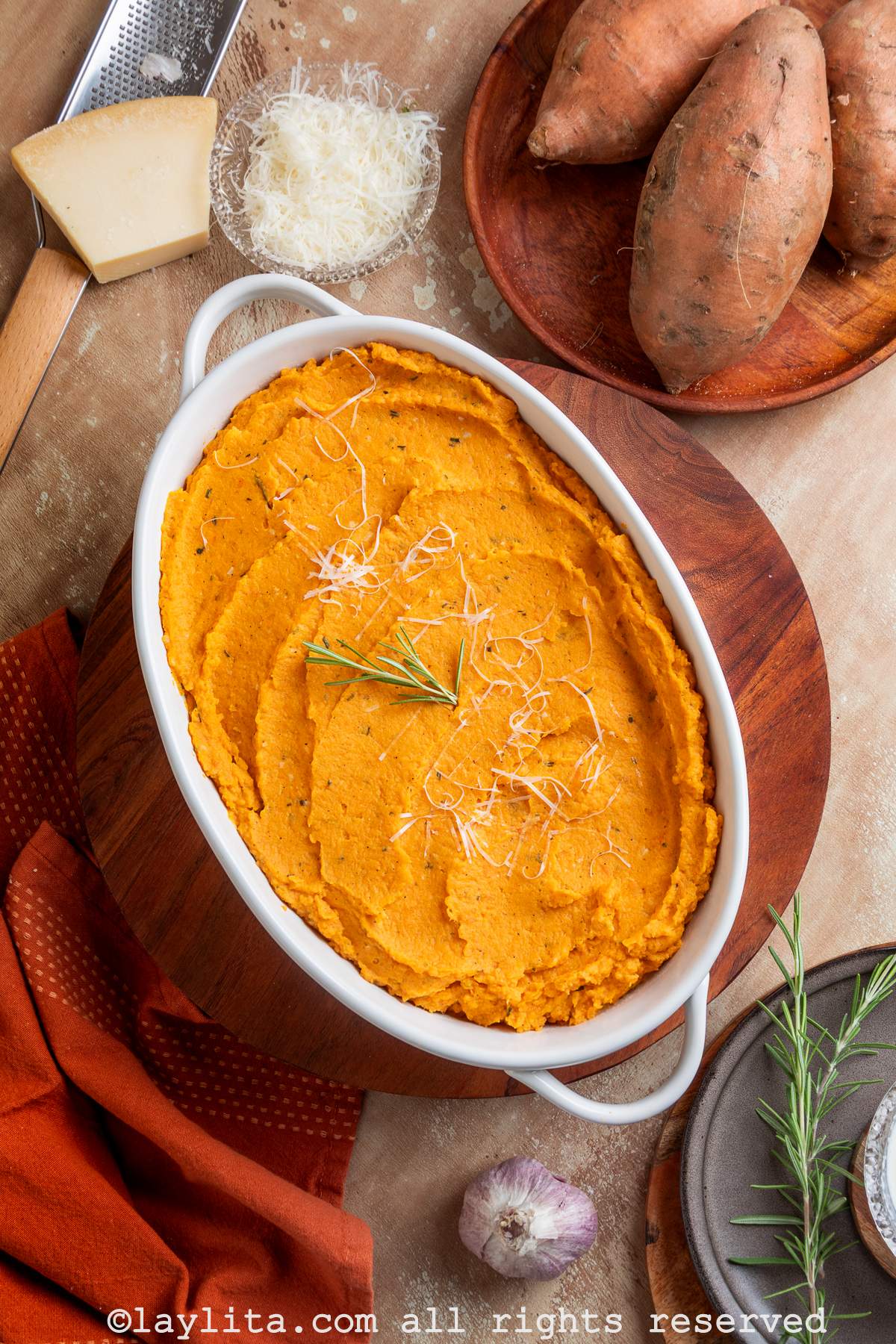
The development and standardization of the Rosemary Garlic Parmesan Mashed Sweet Potato recipe follow a precise culinary timeline optimized for both home kitchens and large-scale catering operations.
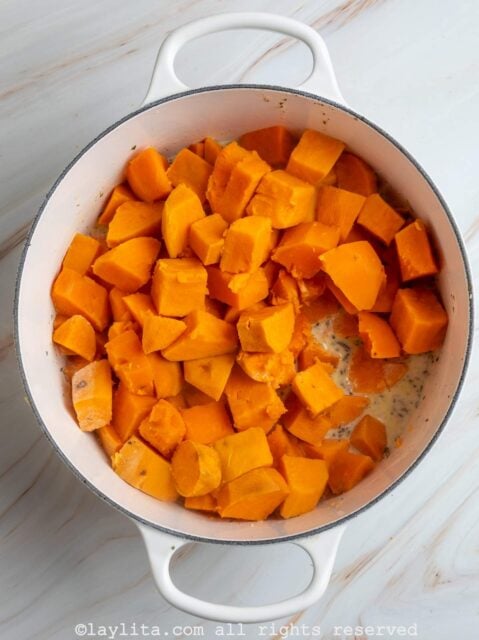
The preparation process begins with the selection and uniform cutting of firm, unblemished sweet potatoes. Consistency in sizing is critical to ensure even cooking times. The potatoes are typically simmered in salted water until fork-tender, a process that usually takes between 15 and 20 minutes depending on cube size.
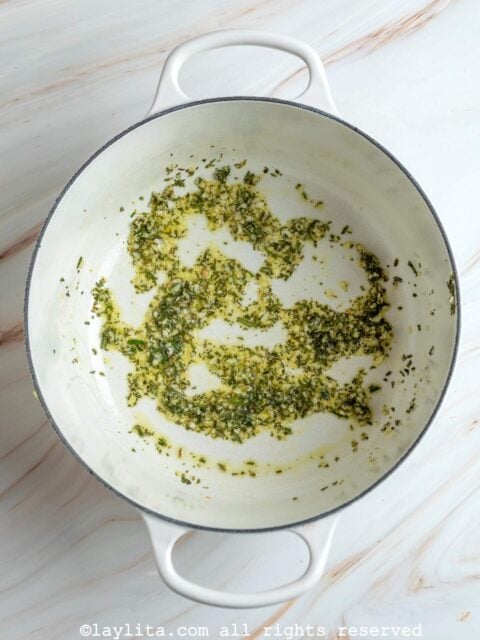
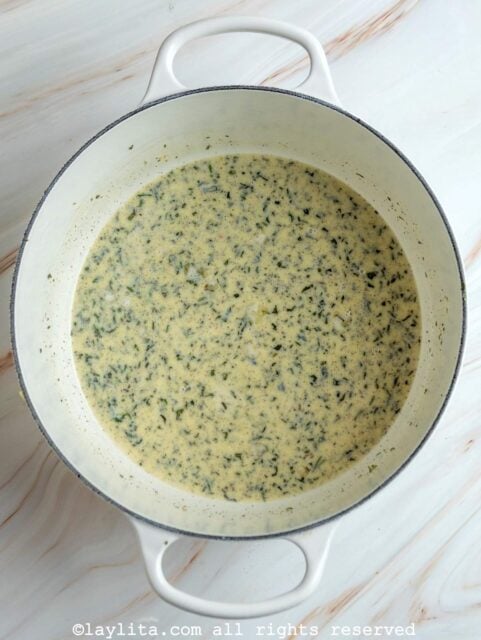
Simultaneously, the aromatic infusion is prepared. Fresh rosemary sprigs and crushed garlic cloves are gently warmed in heavy cream and melted butter. This low-and-slow heating method allows the fat-soluble compounds in the garlic and the volatile oils in the rosemary to thoroughly permeate the dairy, creating a complex aromatic base that prevents the raw, harsh edges often associated with minced garlic in mashed dishes.
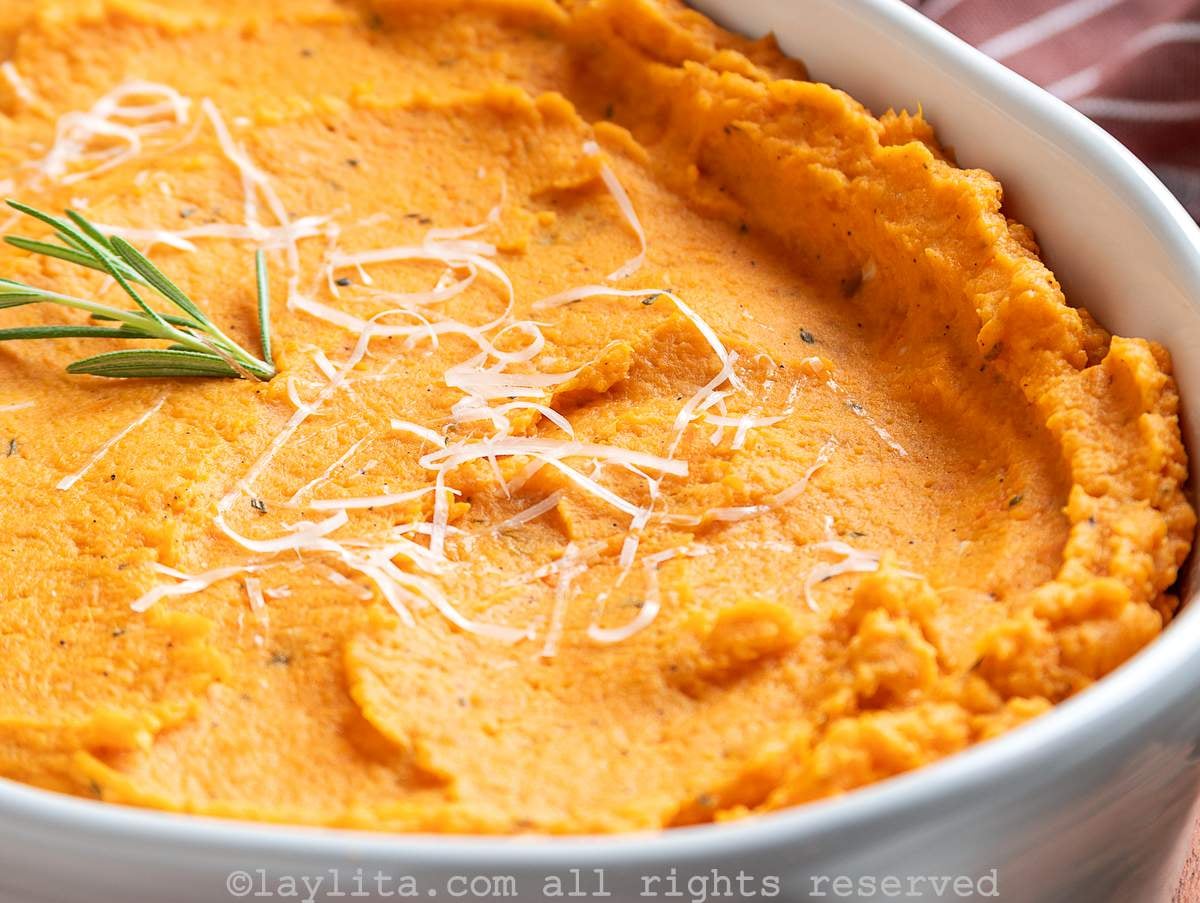
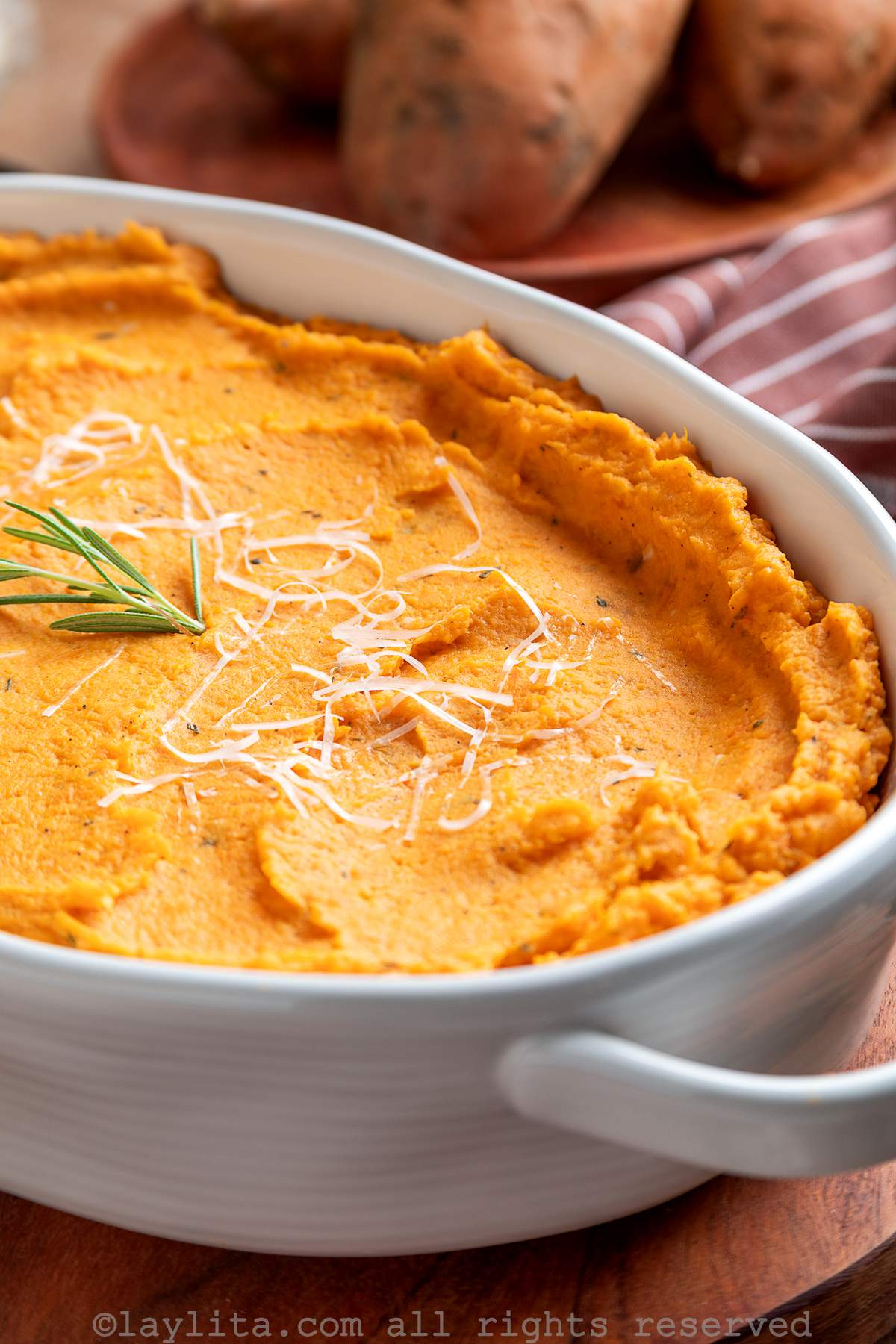
Once the sweet potatoes are drained, they are combined with the warm, herb-infused cream mixture and freshly grated Parmesan cheese. The mixture is then pureed or manually mashed to achieve a velvety, uniform texture. The inclusion of aged Parmesan introduces glutamates, which naturally enhance the savory characteristics of the dish, counterbalancing the inherent sweetness of the root vegetable.
Nutritional and Ingredient Analysis
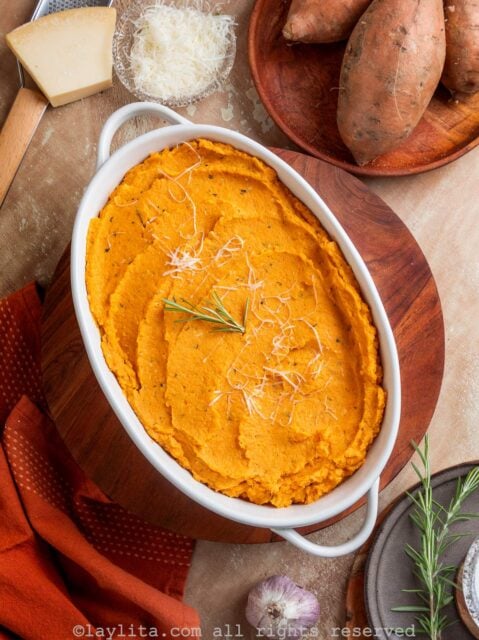
The success of a refined side dish relies heavily on the quality and chemical interaction of its constituent components. Food scientists and nutritionists often emphasize the synergy between high-beta-carotene vegetables and dairy fats, which aid in the absorption of fat-soluble vitamins.
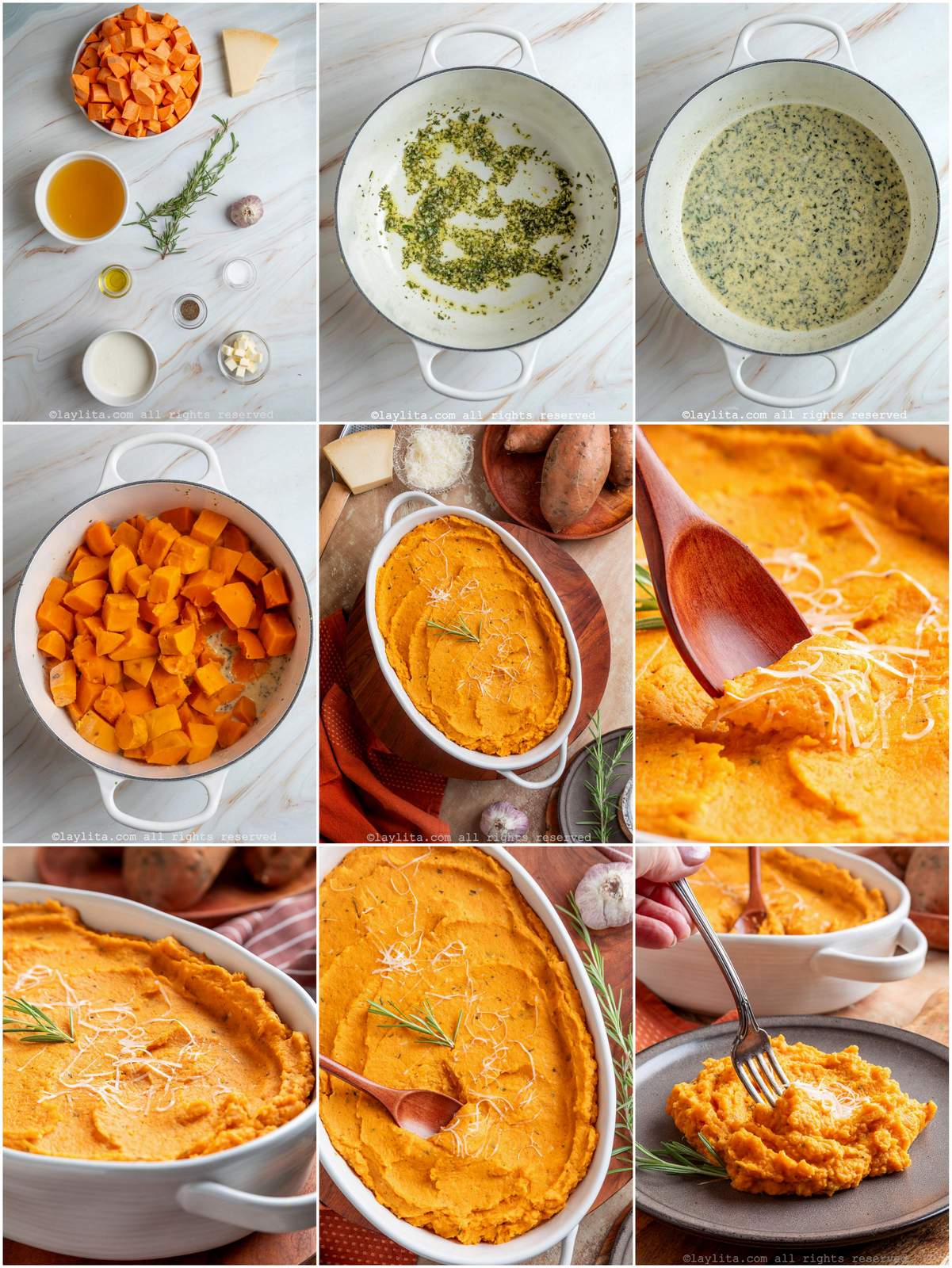
- Sweet Potatoes: Serving as the primary carbohydrate source, they provide a dense, pliable matrix that absorbs liquids efficiently without breaking down into a watery consistency.
- Fresh Rosemary: Unlike dried herbs, fresh rosemary contains higher concentrations of rosmarinic acid and camphoraceous essential oils, imparting a distinct, pine-like aroma that cuts through the richness of the butter and cream.
- Garlic: Provides allicin and related organosulfur compounds when crushed and simmered, offering a mellowed, savory depth rather than sharp pungency.
- Heavy Cream and Butter: These high-fat dairy components coat the palate, carrying the flavors of the herbs and cheese while ensuring a luxurious, mouth-coating texture.
- Parmesan Cheese: Aged for months or years, Parmesan contributes sodium, umami, and a granular texture that adds subtle complexity to the final puree.
Pairing Recommendations and Menu Integration
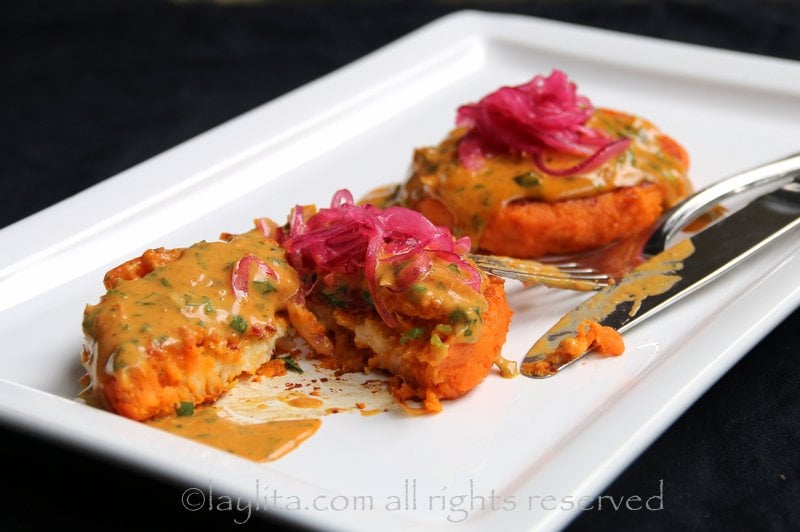
In professional catering and domestic meal planning, side dishes must complement rather than compete with the primary protein. Culinary experts suggest pairing these savory mashed sweet potatoes with rich meats that benefit from a sweet-and-savory accompaniment. Traditional holiday centerpieces such as roasted turkey, glazed baked ham, and herb-crusted roast chicken provide an ideal flavor contrast. Additionally, robust red meats like grilled ribeye steak or slow-roasted pork tenderloin stand up well to the assertive rosemary and garlic notes of the mash.
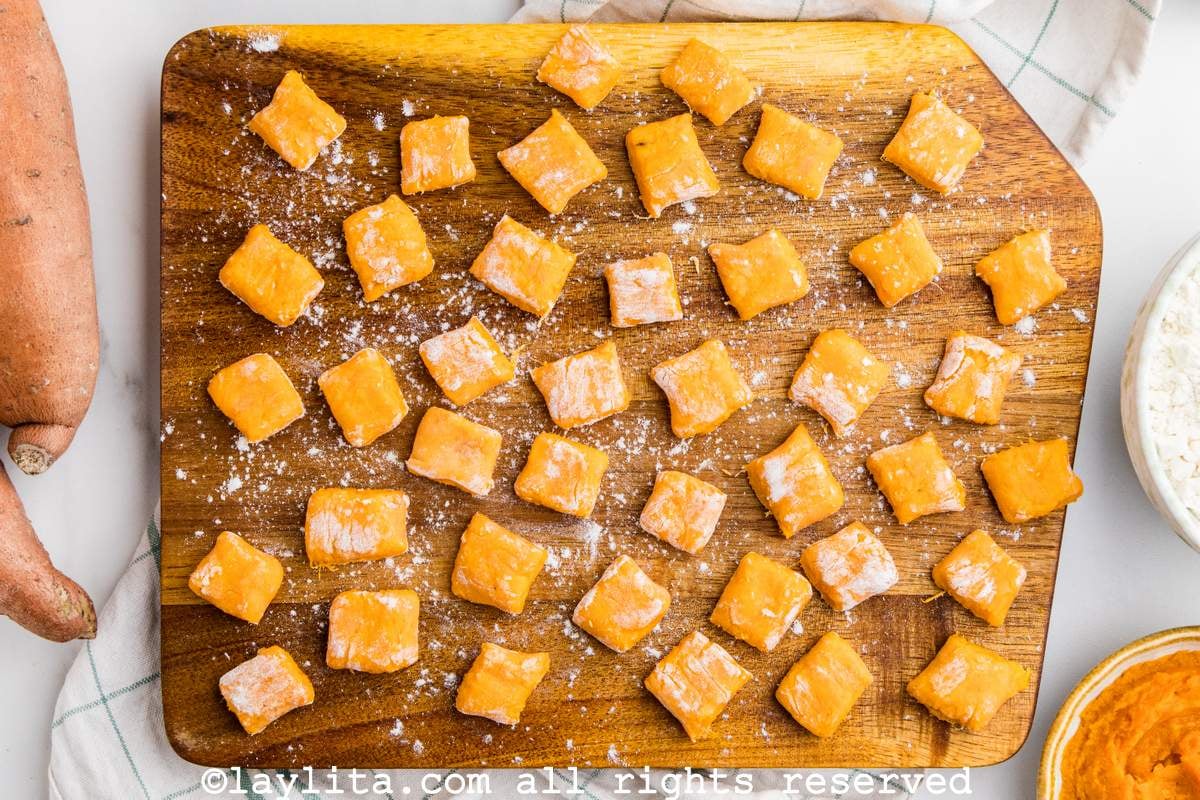
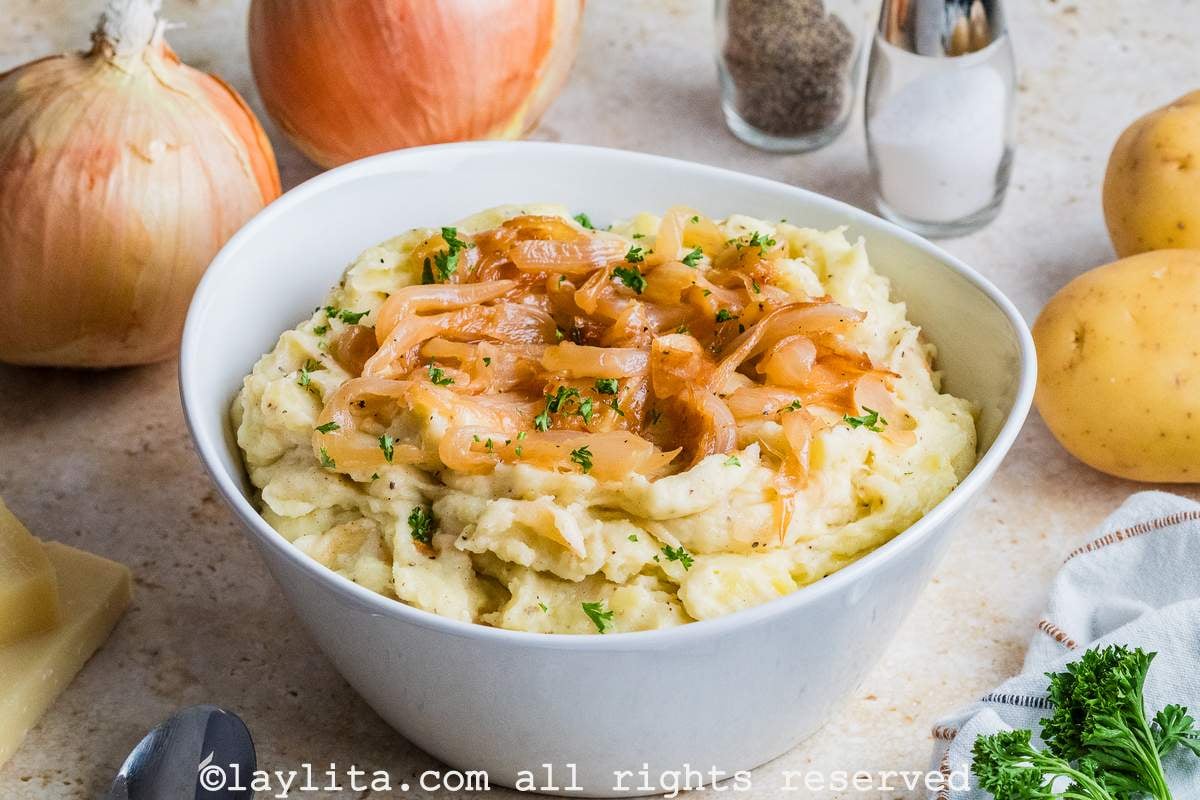
For a cohesive holiday menu, the dish can be served alongside complementary sides such as French onion mashed potatoes, roasted Brussels sprouts with pancetta, or traditional bread rolls. The versatility of the recipe also extends to its adaptability; home cooks can substitute heavy cream with whole milk or broth for a lighter version, or swap Parmesan for goat cheese or Gruyère depending on the desired flavor profile.
Storage, Preservation, and Make-Ahead Logistics
Modern food preparation frequently prioritizes make-ahead convenience, particularly during high-stress holiday seasons like Thanksgiving, Christmas, and New Year’s Eve. The structural integrity of sweet potatoes makes them exceptionally well-suited for advance preparation.

According to culinary safety and storage guidelines, prepared mashed sweet potatoes can be stored in an airtight container in the refrigerator for up to four days. For longer preservation, the dish can be frozen in freezer-safe containers for up to two months. When reheating from a chilled or thawed state, chefs recommend using low heat on a stovetop or gentle microwave intervals, occasionally stirring and incorporating a splash of warm milk, heavy cream, or broth to restore the emulsion and prevent dryness. This make-ahead capability significantly reduces kitchen congestion on the day of an event, allowing hosts to focus on final plating and protein management.
Broader Culinary Implications and Market Trends

The growing popularity of savory root vegetable purées reflects a broader consumer trend toward sophisticated comfort food. As global culinary influences merge with traditional holiday customs, diners increasingly seek out dishes that offer layers of complexity rather than one-note flavor profiles.

The integration of herbs like rosemary and cheeses like Parmesan into traditional American side dishes demonstrates an ongoing evolution in domestic cooking. By elevating accessible ingredients through professional techniques—such as infusing dairy and balancing umami—home cooks can replicate restaurant-quality experiences in their own kitchens. As this trend continues to expand across digital recipe platforms and culinary media, dishes like Rosemary Garlic Parmesan Mashed Sweet Potatoes are poised to remain a permanent fixture in seasonal and everyday dining repertoires.