Skillet Pierogi with Mushrooms Transforms Frozen Convenience Foods into Gourmet Weeknight Dinners

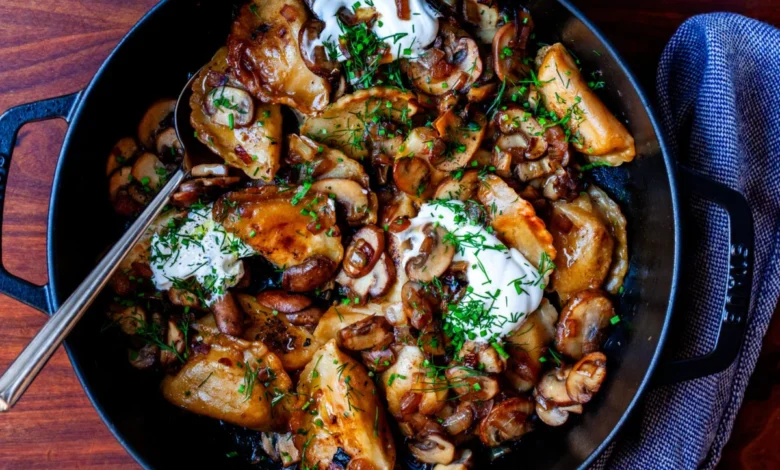
The modern culinary landscape is experiencing a significant shift toward efficiency, driven by consumers seeking high-quality, comforting meals that require minimal time, specialized equipment, and cleanup. In response to the demands of hectic contemporary schedules—characterized by balancing professional responsibilities, household management, and personal projects—home cooks increasingly rely on innovative preparation techniques that elevate basic supermarket staples. Among the latest culinary developments gaining traction in domestic kitchens is a streamlined, single-pan method for preparing frozen pierogi, combining savory caramelized onions, earthy mushrooms, and fresh garnishes into a cohesive, restaurant-quality dish achievable in under thirty minutes.
This technique upends traditional preparation methods while offering a pragmatic solution for weeknight dining. Culinary experts and food writers have noted that while pierogi and similar dumpling varieties are conventionally boiled prior to pan-searing, reversing this sequence—or utilizing a combined steam-and-sear approach directly from a frozen state—preserves structural integrity while drastically reducing preparation time. The resulting dish achieves a textural contrast featuring crispy, golden-brown exterior dough encasing a soft, fluffy potato filling, complemented by the savory depth of forest mushrooms and the bright, contrasting notes of fresh herbs, acid, and dairy.

Chronology and Preparation Methodology
The development of one-pan comfort meals has accelerated over the past decade, mirroring broader consumer trends favoring simplified cooking processes without the compromise of flavor. The specific methodology for skillet-prepared frozen dumplings relies on a carefully timed sequence of culinary steps designed to optimize heat distribution and moisture control in a single vessel.
The cooking process initiates with the preparation of the aromatic components. A deep skillet is heated over medium-high intensity with a combination of butter and cooking oil. Sliced onions are introduced, seasoned, and sautéed until they achieve a translucent quality and golden-brown edges, a process requiring approximately five minutes. Minced garlic is subsequently incorporated for a brief duration before sliced mushrooms are added to the pan.
Unlike methods that require constant agitation, the mushrooms are left undisturbed to develop a deep, caramelized sear on their lower surfaces over a four-to-five-minute window. Once the initial browning is achieved, the mixture is stirred until any released moisture evaporates completely, after which the vegetables are temporarily removed from the skillet.

The second phase shifts focus to the primary carbohydrate component. Frozen pierogi are arranged in a single layer within the same skillet, utilizing the residual fats and oils to brown the underside of the dough over a five-minute period. Following this initial crust formation, the pierogi are inverted. A measured amount of water is introduced to the hot pan to generate steam, which is immediately trapped by securing a lid over the vessel.
The heat is reduced to a moderate level, allowing the frozen interior of the dumplings to thaw and cook through via steam convection over a five-to-eight-minute window. Periodic checks ensure that moisture levels remain adequate, with supplemental water added if necessary. Once the filling is thoroughly heated, the reserved mushroom and onion mixture is returned to the skillet to reheat.
The final assembly occurs off the heat source. A measured application of vinegar introduces necessary acidity to balance the rich starches, while dollops of sour cream and a generous application

of chopped fresh herbs—such as dill and chives—provide sensory contrast. This entire sequence requires minimal kitchen hardware, typically restricted to a single skillet, a cutting board, and basic cutlery, thereby streamlining both execution and post-meal sanitation.
Supporting Data and Culinary Context
The pivot toward streamlined, single-pan cooking aligns with shifts in grocery purchasing habits and consumer demographics. Market research indicates that sales of frozen convenience foods, particularly globally inspired dumplings and heritage comfort foods, have maintained steady growth as households prioritize time-saving measures. Pierogi, historically rooted in Central and Eastern European culinary traditions—specifically Ukrainian and Polish cultures—have transitioned from labor-intensive weekend projects to accessible weekday options through the proliferation of commercially manufactured frozen varieties.
From a nutritional and cost perspective, the utilization of frozen pierogi paired with staple produce items such as onions, mushrooms, and root vegetables offers high caloric and gustatory yield relative to financial input. A standard package of frozen pierogi, combined with foundational pantry ingredients, provides a balanced macronutrient profile rich in complex carbohydrates and fats, easily modified to incorporate various proteins or green vegetables depending on dietary requirements.

Culinary historians note the close relation between pierogi and their Ukrainian counterpart, vareniki. While pierogi are widely recognized in North American markets, traditional vareniki often feature a thinner, more delicate dough wrapper and slightly smaller proportions, tailored to hold lighter fillings ranging from tart cherries and sweet farmer’s cheese to savory potato and cabbage combinations. Despite these regional distinctions, the modern adaptation of cooking these dumplings directly in a skillet transcends strict categorical definitions, emphasizing universal principles of moisture management, caramelization, and textural balance.
Industry Implications and Expert Perspectives
Food industry analysts observe that the popularity of simplified, high-reward recipes reflects a broader cultural fatigue with complex culinary productions during standard workweeks. As home cooks navigate competing demands, the valuation of recipes that reduce cleanup to a single vessel has risen substantially. Cooking media platforms report high engagement metrics for content focused on "one-pan" and "under-30-minute" meal solutions, indicating that efficiency remains a primary driver of domestic recipe selection.
Professional chefs and cookbook authors emphasize that utilizing high-heat searing techniques on frozen convenience products does not inherently diminish the quality of the final meal, provided proper attention is paid to thermal dynamics and moisture control. By treating frozen ingredients with the same technical precision applied to fresh components—such as allowing adequate contact time for the Maillard reaction on mushrooms and balancing rich fats with targeted applications of acid—home cooks can achieve sophisticated flavor profiles with minimal effort.

Furthermore, the integration of distinct finishing elements—such as fermented dairy, fresh herbaceous aromatics, and sharp vinegars—demonstrates a sophisticated approach to home cooking that elevates modest ingredients. These finishing touches provide necessary contrast to heavy, starch-based dishes, preventing palate fatigue and transforming a utilitarian weeknight dinner into a dynamic sensory experience.
Broader Impact on Modern Domestic Kitchens
The widespread adoption of skillet-searing methods for frozen carbohydrates underscores a permanent evolution in how domestic kitchens operate. The rigid boundary between scratch-cooking and convenience-food preparation continues to blur as consumers find innovative ways to synthesize the two. By applying professional culinary techniques—such as sequential ingredient removal, controlled steam-cooking, and strategic acid balancing—to commercially available staples, home cooks maximize both efficiency and culinary satisfaction.
As supply chains, consumer preferences, and lifestyle demands continue to evolve, the demand for adaptable, low-labor, high-flavor recipes is expected to persist. The success of single-pan pierogi preparations serves as a case study for future culinary developments, highlighting the potential for traditional comfort foods to adapt successfully to the fast-paced realities of contemporary life.
Related posts: