The Gin and Conch Ritual: How Wild Cherry is Redefining the Raw Bar Experience in New York Citys West Village

In the labyrinthine streets of Manhattan’s West Village, a neighborhood historically defined by its avant-garde spirit and storied theatrical past, a new culinary performance is taking center stage. Tucked behind the historic Cherry Lane Theatre—New York City’s oldest continuously running Off-Broadway venue—Wild Cherry has emerged as a focal point for what industry insiders call "experiential dining." While the restaurant offers a sophisticated menu of coastal fare, it is a specific, highly choreographed ritual involving a sea snail and a shot of Menorcan gin that has captured the attention of the city’s gastronomic community.
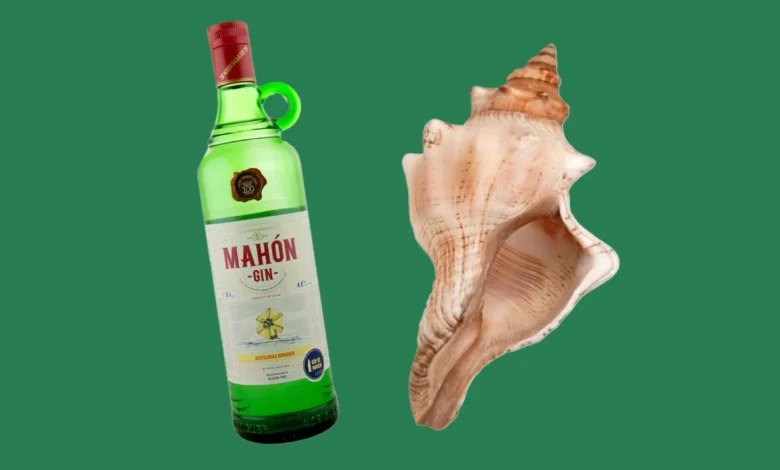
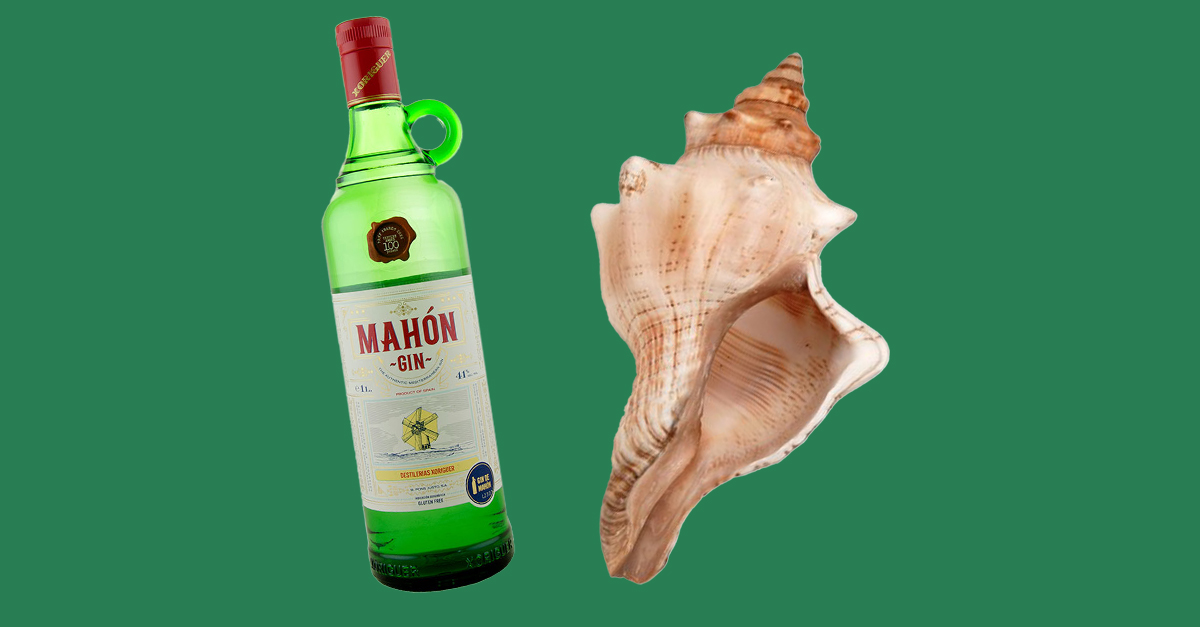
The ritual begins with the scungilli, a dish centered on the North Atlantic whelk. Guests are presented with a spiraling conch shell, which serves as both the vessel and the centerpiece. After consuming the sliced, braised meat of the whelk, diners are instructed by their server to wait. At the precise moment the solid components are finished, a chilled shot of Xoriguer Mahón gin is delivered. The gin is poured directly into the shell, where it mingles with the remaining brine and court bouillon. The guest then tilts the shell, drinking the mixture straight from the conch’s natural opening in a manner reminiscent of an oceanic ice luge.
The Culinary Anatomy of the Scungilli Dish
To understand the success of this routine, one must look at the preparation of the scungilli itself. Scungilli, an Italian-American term for whelk, has long been a staple of Mediterranean and coastal Atlantic cuisines, though it often plays second fiddle to more "approachable" raw bar items like oysters or tuna crudo. At Wild Cherry, the culinary team sources their whelks from the waters off Montauk, at the tip of Long Island.
The preparation is a labor-intensive process rooted in classical French technique. The whelk meat is braised in a court bouillon—a highly aromatic poaching liquid typically composed of water, white wine, lemon, peppercorns, and mirepoix (onions, celery, and carrots). This braising process serves a dual purpose: it tenderizes the naturally chewy gastropod and creates a rich, seafood-infused broth. Once braised, the meat is thinly sliced and tossed with crunchy celery and red onion, then returned to the conch shell to soak in the "liquid gold" of the court bouillon.
According to head bartender Karlos Hernandez, the decision to introduce a beverage component was born out of a desire to reduce culinary waste and enhance the guest experience. "This broth, in its braising process, absorbs an incredible amount of the whelk flavor," Hernandez noted. "We found that many guests were leaving this little bit of liquid gold behind in the shell after clearing the dish. That’s where the idea to add a shot came in."
The Evolution of the Spirit Pairing
The journey to finding the perfect spirit for the conch shooter was one of trial and error, reflecting the broader trend of savory cocktails in the New York bar scene. Hernandez initially experimented with mezcal, drawing inspiration from the traditional Mexican practice of serving mezcal with leche de tigre (the citrus-based marinade used in ceviche). However, the smoky, vegetal profile of the mezcal proved too aggressive for the delicate, earthy sweetness of the whelk broth.
The breakthrough came when Hernandez turned to Xoriguer Mahón gin. This choice was informed by his previous experience at Frenchette, the acclaimed Tribeca brasserie, where the gin was a favorite of wine director Jorge Riera. Mahón gin is unique in the world of spirits; produced on the Spanish island of Menorca, it is one of the few gins in the world with a Protected Geographical Indication (PGI). Unlike most gins distilled from grain, Mahón is distilled from wine spirits (specifically Parellada and Xarel-lo grapes) and infused with juniper berries that have been aged for two years in open crates near the sea.
The resulting spirit carries a distinct salinity and a rich, oily texture that complements the oceanic qualities of the court bouillon. By stirring the gin with a touch of Maldon sea salt, Hernandez found that the bitter botanicals of the juniper acted as a bridge between the spirit and the savory broth, creating a balanced, multi-sensory finish to the course.
The Choreography of Service
In a high-volume New York restaurant, timing is the difference between a successful "theatric" and a service failure. The Wild Cherry staff is trained to monitor the progress of the scungilli dish with precision. If the shot is presented too early, the gin risks diluting the texture of the whelks; too late, and the guest may have already discarded the shell or accidentally spilled the precious broth.
"We catch it at the right time and instruct guests to pour the chilled shot in the shell, mix well, and drink straight from the opening of the conch," Hernandez explained. This level of interaction between the server and the guest transforms a standard seafood course into a communal event. It is common to see diners passing the shell to one another or wiping brine from their chins, a stark contrast to the often-stuffy atmosphere of traditional fine dining.
This "reward" for eating sea snails has turned the scungilli—historically a harder sell for the average diner—into one of the restaurant’s most talked-about offerings. It leverages the "adventure" element of modern dining, where guests are looking for more than just a meal; they are looking for a story to share.
Historical Context and Neighborhood Significance
The location of Wild Cherry adds a layer of depth to its theatrical beverage program. The West Village has been the heart of New York’s creative community for over a century. The Cherry Lane Theatre, which stands just in front of the restaurant, has hosted the works of Samuel Beckett, Edward Albee, and Harold Pinter.
The restaurant’s embrace of dramatic presentation—which also includes a $86 Scorpion Bowl adorned with fresh flowers—mirrors the neighborhood’s history of performance. In an era where digital presence is paramount, these "Instagrammable" moments serve as a powerful marketing tool. However, the team at Wild Cherry maintains that the theatrics are secondary to the quality of the ingredients. The use of Montauk whelks and specialized Menorcan gin suggests a commitment to sourcing that goes beyond mere gimmickry.
Broader Implications for the Hospitality Industry
The success of the "conch shooter" at Wild Cherry reflects several broader trends in the global hospitality industry. First is the rise of the "savory cocktail" and the blurring of lines between the kitchen and the bar. As diners become more sophisticated, they are increasingly open to flavors once reserved for the dinner plate—brine, salt, herbs, and even seafood essences—appearing in their glassware.
Second is the concept of "upcycling" in the culinary world. By identifying a high-value byproduct (the court bouillon) that was previously being discarded and turning it into a premium experience, Wild Cherry is practicing a form of culinary efficiency that resonates with modern sustainability concerns.
Finally, the ritual highlights the shift toward "interactive dining." In the post-pandemic landscape, diners have shown a marked preference for experiences that cannot be replicated at home or via delivery services. The act of pouring a shot into a shell and drinking it in a crowded, buzzing dining room is a physical, tactile experience that reaffirms the value of the third space—the social environment between home and work.
Technical Analysis of the Flavor Profile
From a chemical and sensory perspective, the pairing of Mahón gin and whelk broth is a study in synergy. The terpenes in the juniper berries provide a piney, resinous top note that cuts through the richness of the braised seafood. Meanwhile, the grape-based spirit of the gin provides a softer, fruitier mid-palate than a standard grain-neutral spirit.
The court bouillon, rich in umami from the whelk and acidity from the wine and lemon, acts as a natural flavor enhancer. When the chilled gin hits the room-temperature broth, it creates a temperature contrast that further stimulates the palate. The addition of Maldon salt by the bar team ensures that the salinity of the drink matches the salinity of the sea, creating a "terroir" of the ocean that connects Montauk to Menorca.
Conclusion
As Wild Cherry continues to establish itself in the competitive West Village dining scene, the gin and conch ritual serves as a testament to the power of creative collaboration between the kitchen and the bar. What began as a "cheeky gift" for friends of the restaurant has evolved into a signature dish that encapsulates the venue’s identity: bold, theatrical, and deeply rooted in quality.
For the adventurous diner, the scungilli shooter is more than just a drink; it is a rite of passage. It challenges the conventional boundaries of the raw bar and proves that even the humblest sea snail can be the star of the show when paired with the right spirit and a touch of drama. In the shadow of the Cherry Lane Theatre, Wild Cherry is proving that the best performances are often the ones you can taste.