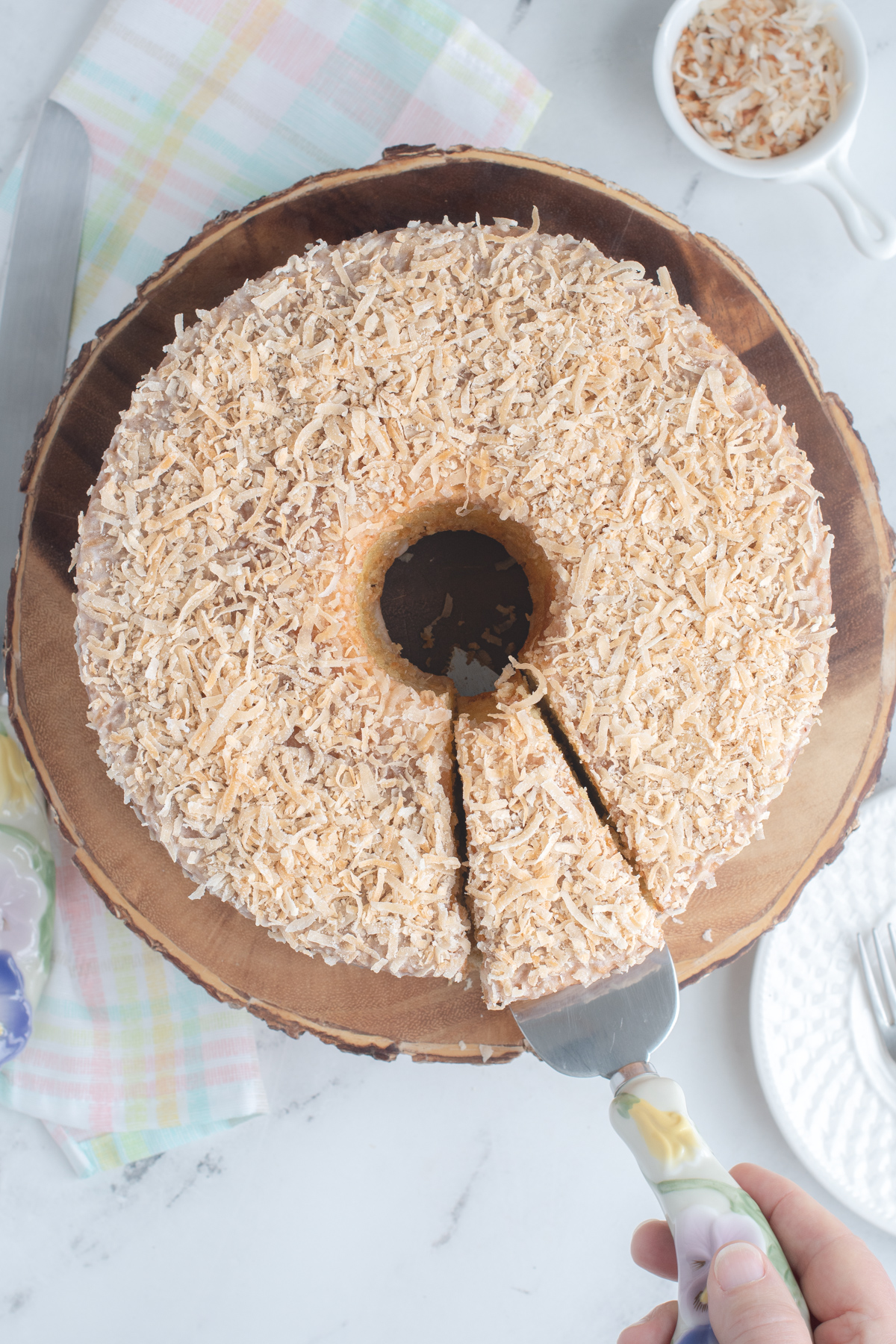
The culinary landscape has recently seen a notable development with the meticulous creation of a Coconut Chiffon Cake, a refined rendition of the classic American dessert that masterfully integrates distinct coconut elements. This novel recipe, developed by the experts at Baking-Sense.com, distinguishes itself through the strategic incorporation of unrefined coconut oil, rich coconut milk, and finely milled coconut flour, each contributing to an unmistakable and pervasive coconut flavor profile. The project, initiated with a clear objective to infuse a beloved cake style with tropical essence, represents a significant exploration into ingredient science and precise recipe engineering, ultimately yielding a cake celebrated for its tender, airy texture and profound flavor.
The Genesis of a Culinary Creation
The journey to perfect the Coconut Chiffon Cake commenced with a foundational understanding of the Vanilla Chiffon Cake, a well-established recipe within the Baking-Sense.com repertoire. This existing framework served as the initial blueprint, providing a robust starting point for adaptation. The core challenge was not merely to add coconut-flavored ingredients but to fundamentally re-engineer the recipe to ensure that the delicate, moist-yet-spongy texture characteristic of a chiffon cake was preserved, even as the flavor profile was dramatically shifted. This process underscores a critical principle in advanced baking: successful recipe modification transcends simple substitutions, demanding an intricate understanding of ingredient functionality and their synergistic interactions.
Before embarking on the inaugural test bake, the development team meticulously identified several key areas for modification. These initial changes were not arbitrary but were guided by a deep comprehension of how each ingredient contributes to the overall structure, moisture, and flavor of a cake. The overarching goal was a seamless integration of coconut notes without compromising the cake’s renowned lightness and tenderness. This methodical approach highlights the blend of artistry and scientific rigor inherent in professional recipe development.
Mastering the Chiffon Challenge: A Scientific Approach to Flavor and Texture
The chiffon cake, renowned for its light, airy texture and rich flavor, presents unique challenges in recipe modification due to its delicate balance of fat, liquid, and aerated egg whites. Its characteristic "spongy" crumb is achieved through the mechanical leavening provided by whipped egg whites, which are then carefully folded into a batter typically enriched with vegetable oil and egg yolks. The stability of this emulsion and the integrity of the meringue are paramount to the final product’s success. Any alteration in fat, liquid, or flour content can significantly impact these critical parameters, potentially leading to a dense, dry, or collapsed cake.
The developers at Baking-Sense.com approached this project with a keen awareness of these complexities, leveraging their extensive knowledge of baking science. They recognized that successful adaptation requires more than simply swapping ingredients; it necessitates an understanding of "how cake recipes work" and "what role each ingredient plays." This scientific perspective informed every decision, from the initial ingredient selection to the subsequent adjustments made during iterative testing phases.
Ingredient Deep Dive: Harnessing the Power of Coconut
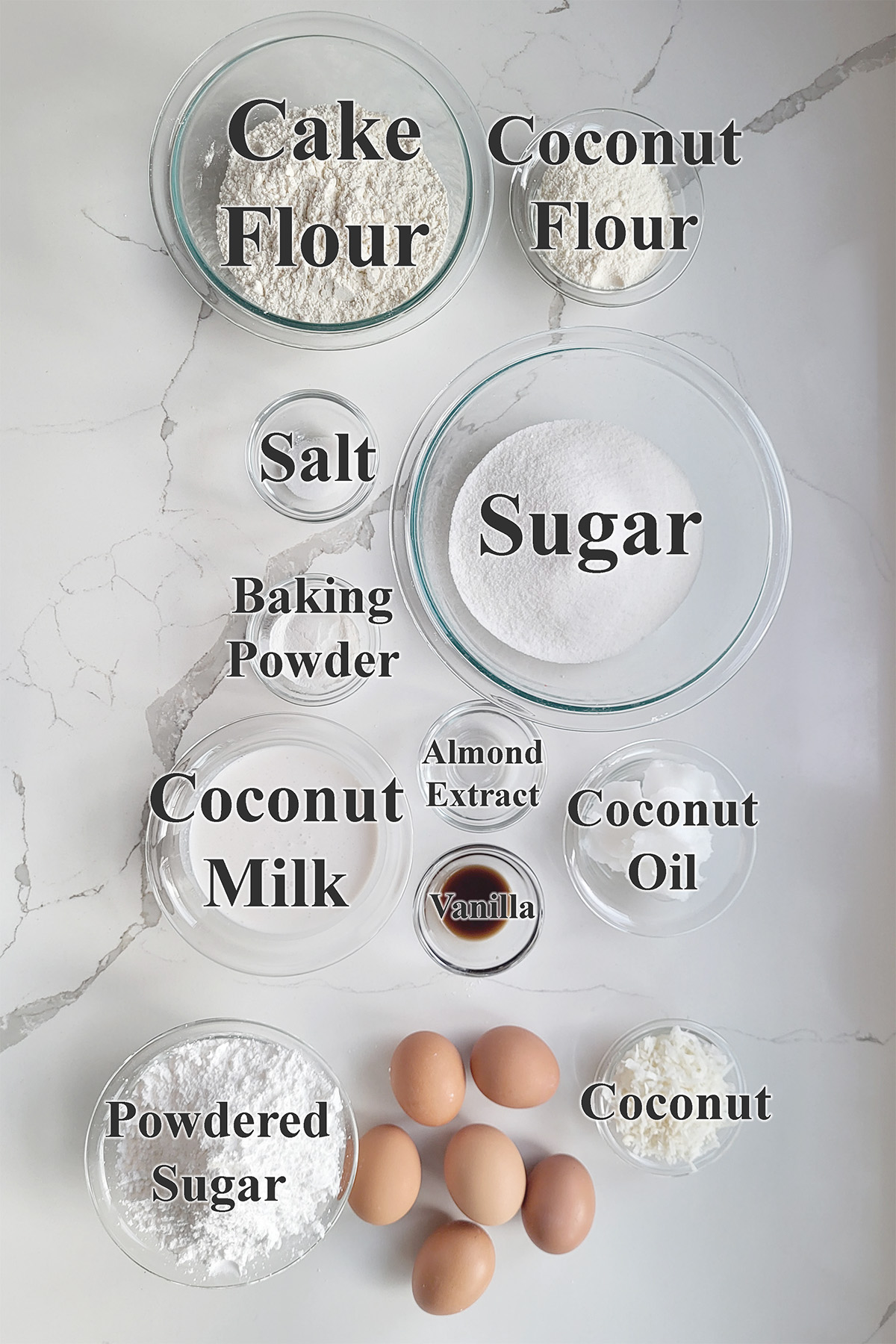
The transformation began with the strategic substitution of conventional vegetable oil with unrefined coconut oil. This choice was deliberate, aimed at maximizing coconut flavor. Unrefined coconut oil, unlike its refined counterpart, retains coconut solids, which are rich in aromatic compounds, thereby contributing a more pronounced and authentic coconut essence alongside its primary function as a fat. This decision, however, introduced a new set of considerations. Unrefined coconut oil is solid at typical room temperatures, unlike liquid vegetable oils. This change in physical state required careful integration into the batter. For the initial test, the coconut oil was whisked with hot tap water to achieve a molten state, allowing it to be emulsified effectively with the egg yolks, mirroring the process of the original vanilla chiffon recipe. This step was crucial for ensuring proper fat distribution and emulsion stability.
The next critical modification involved the flour component. A portion of the traditional cake flour was replaced with coconut flour. Coconut flour, derived from dried coconut meat, is celebrated for its high fiber content and intense absorbency. These properties make it a powerful ingredient for adding both flavor and nutritional value but also present significant challenges in baking. Its high absorbency can quickly lead to dry, dense products if not carefully managed. Furthermore, coconut flour possesses a slightly gritty texture, which, if overused, could negatively impact the desired smooth, fine crumb of a chiffon cake. The developers meticulously calibrated this substitution, opting to replace only one-quarter of the total flour weight with coconut flour, with the remaining three-quarters consisting of soft cake flour. This precise ratio was intended to impart discernible coconut flavor and a hint of its characteristic texture without compromising the cake’s delicate structure or moisture.
The Iterative Process: Overcoming Formulation Hurdles
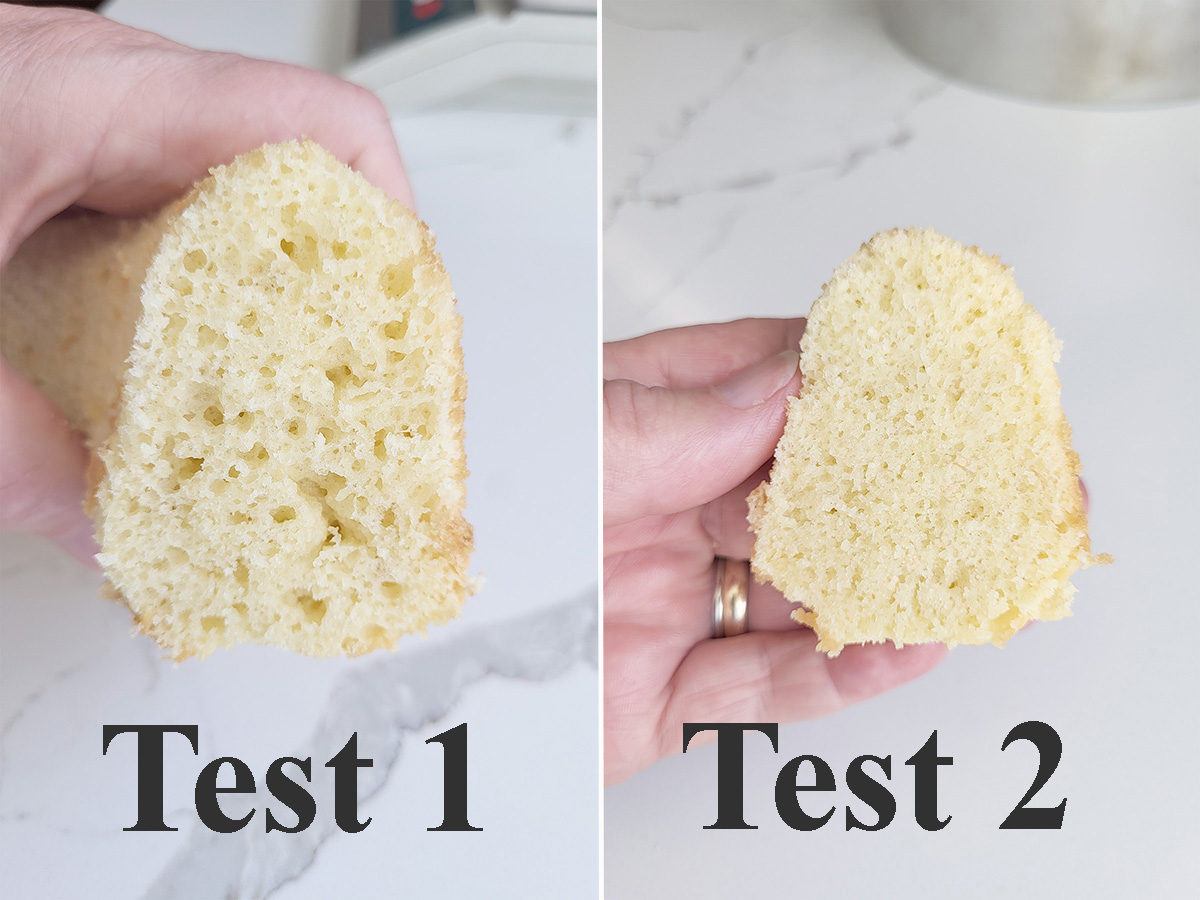
The initial test cake, fresh from the oven, presented a visually promising appearance. However, upon slicing and tasting, it revealed critical shortcomings: the crumb was notably dry and coarse. This outcome, deemed "not blog-worthy" by the development team, signaled a clear need for further refinement. The analytical approach to baking science immediately highlighted the imbalance between "structure builders" and "tenderizers." The cake clearly possessed ample structure, largely due to the protein in the flour and eggs, but lacked sufficient tenderization.
In baking, both sugar and fat act as primary tenderizers. While sugar contributes to moisture retention and softening the crumb, the initial recipe already contained an adequate amount of sweetness. Therefore, the focus shifted to increasing the fat content without making the cake heavy or greasy. This led to the pivotal decision to replace the hot water component with coconut milk. Coconut milk, rich in both fat and liquid, offered a dual advantage: it would boost the fat content, thereby enhancing tenderness, and further intensify the coconut flavor profile.
However, this substitution immediately altered the batter’s consistency, making it excessively thick. Recognizing the importance of proper batter viscosity for chiffon cake’s characteristic aeration and rise, the team re-introduced a precise amount – two ounces – of hot water. This adjustment was not a reversal but a fine-tuning, aimed at achieving the ideal batter texture where the increased fat from the coconut milk could effectively tenderize without impeding the light, airy structure. This iterative process of targeted adjustments, empirical testing, and informed re-evaluation is central to successful recipe development.
The Result: A Symphony of Flavor and Texture
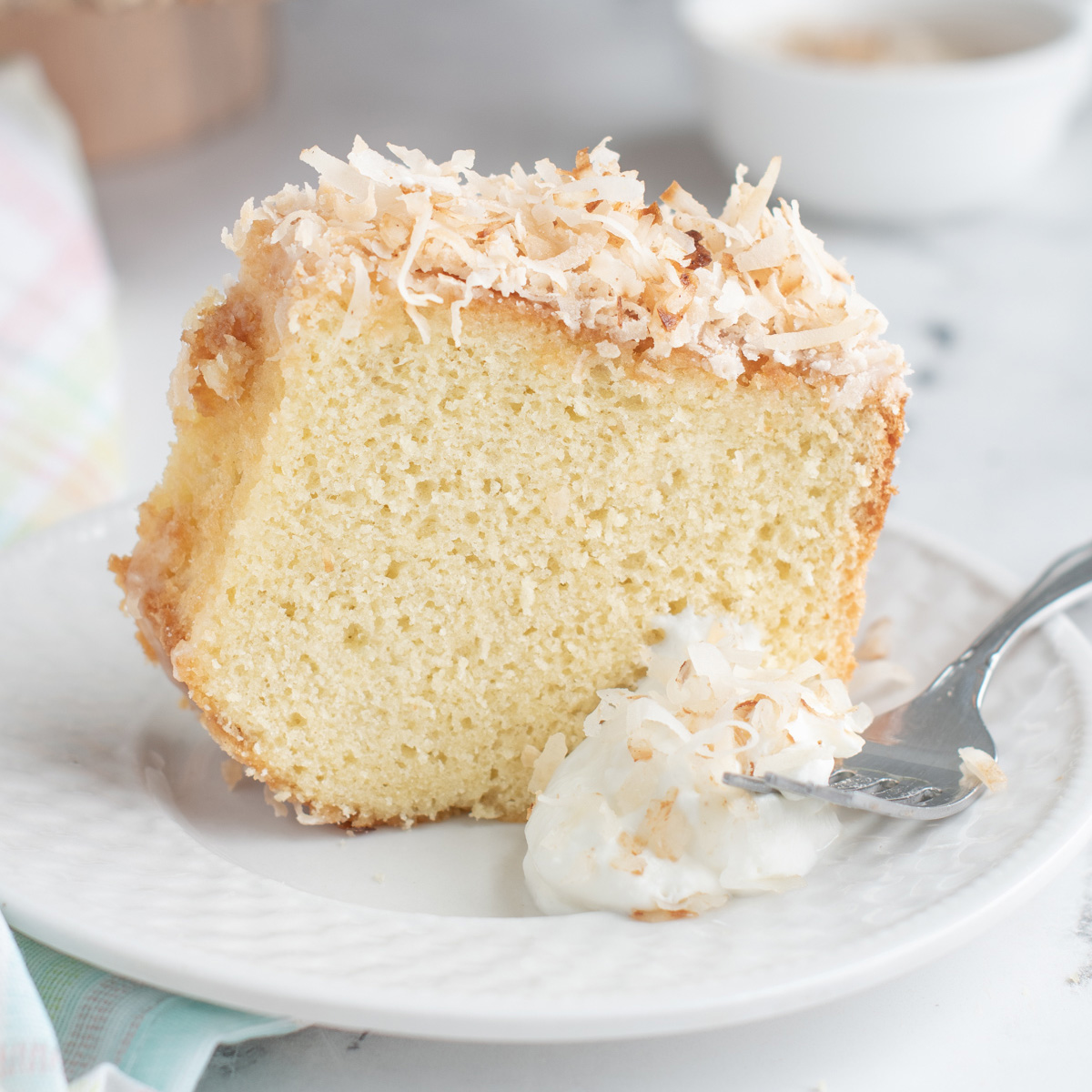
The culmination of this rigorous development process is a Coconut Chiffon Cake that stands as a testament to the power of informed culinary science. The final product achieves a remarkable balance: a supremely tender and light cake that retains the classic, ethereal chiffon texture, now infused with a prominent and authentic coconut flavor. The strategic combination of unrefined coconut oil, coconut milk, and coconut flour works synergistically, creating layers of flavor depth that would be unattainable through simpler means.
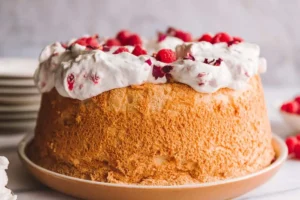
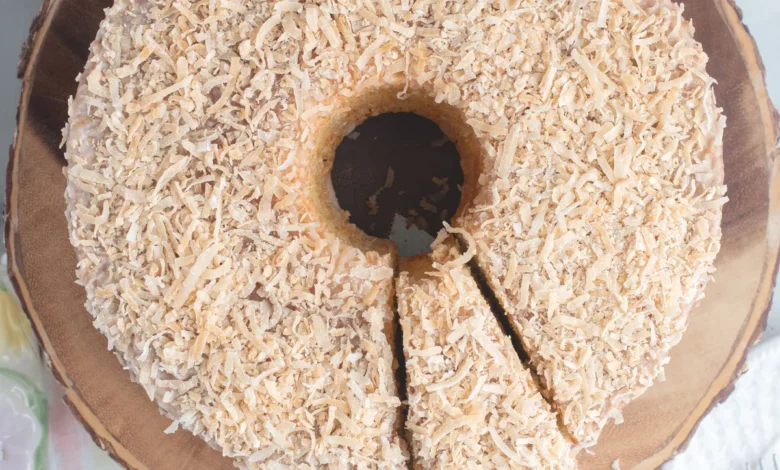
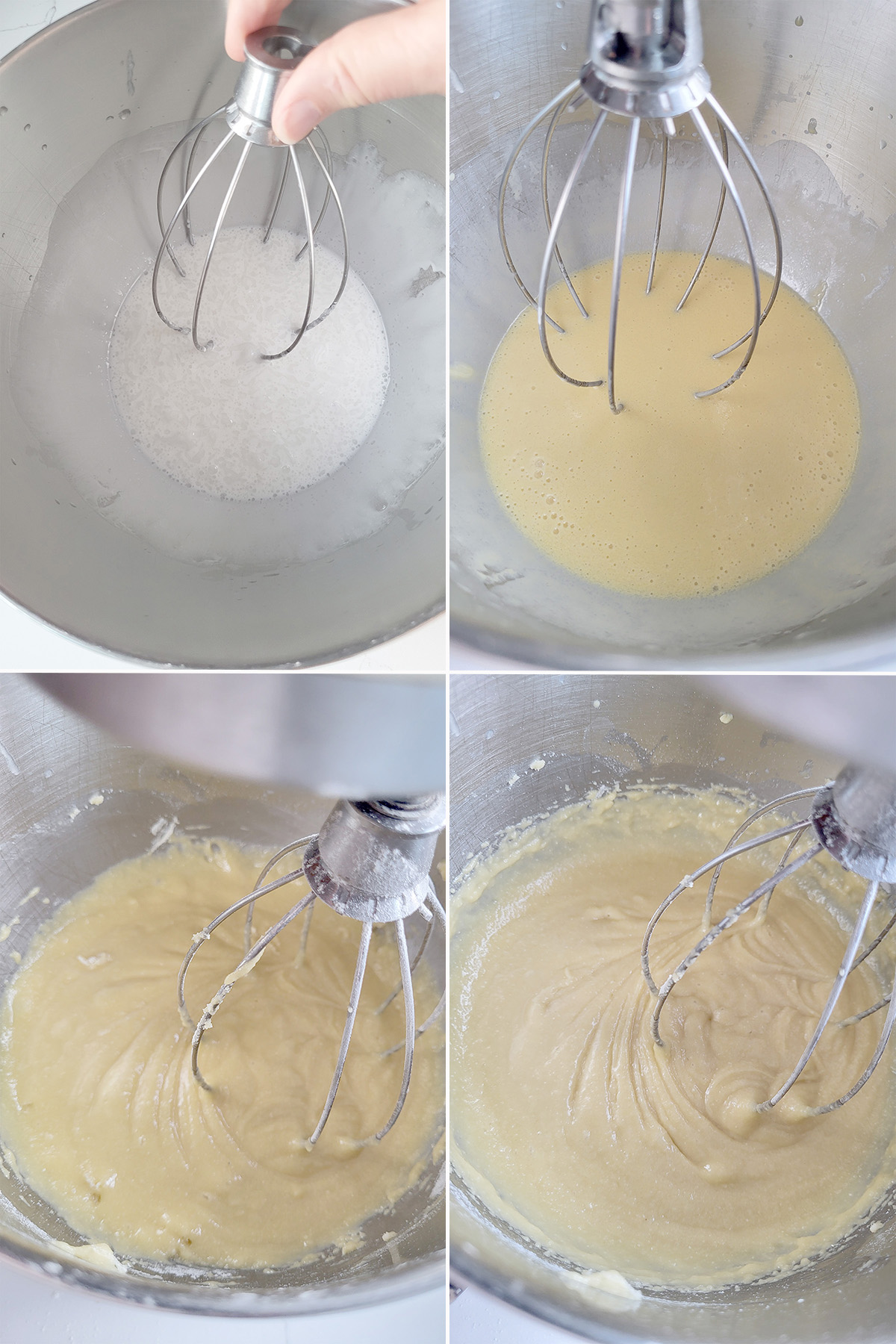
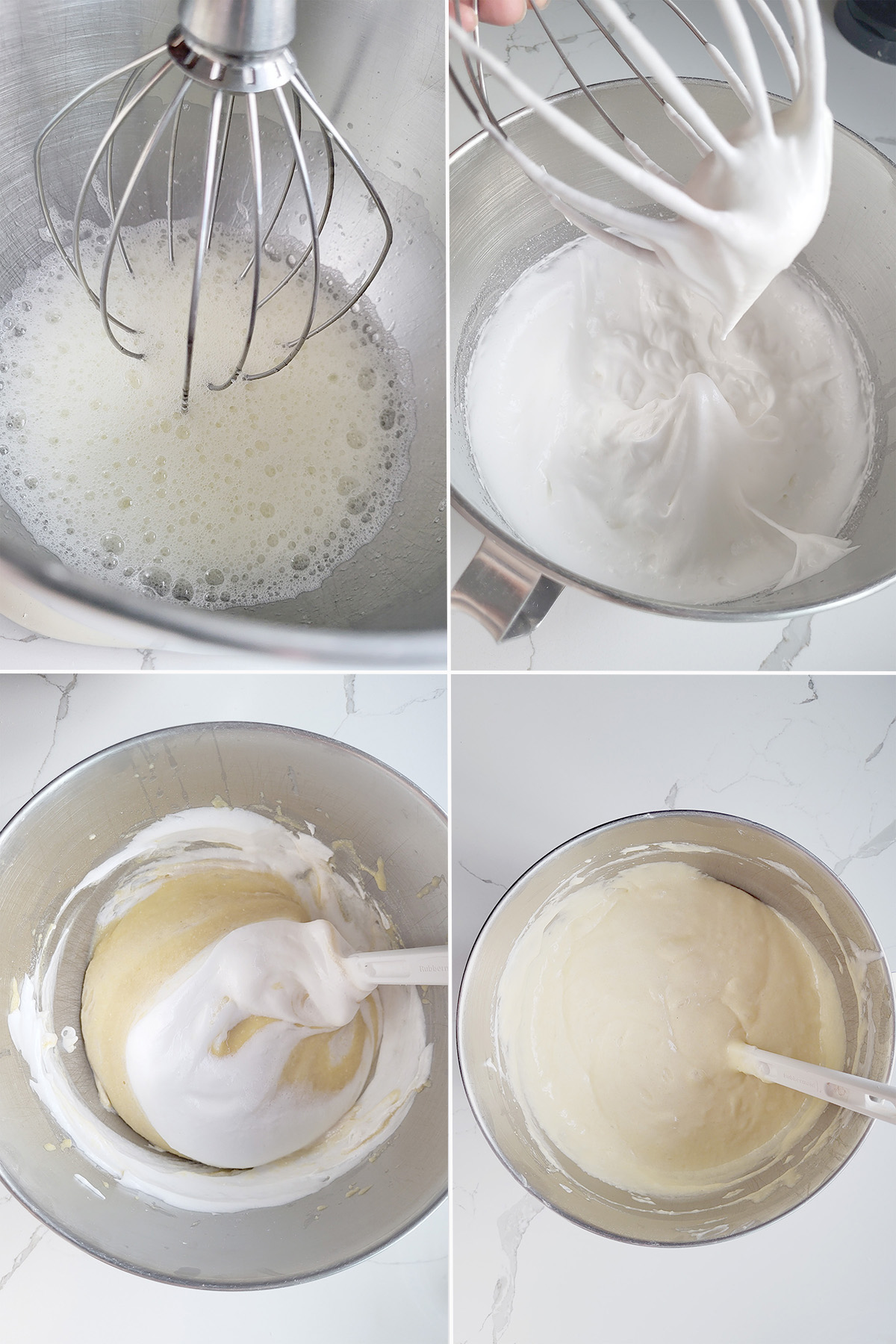
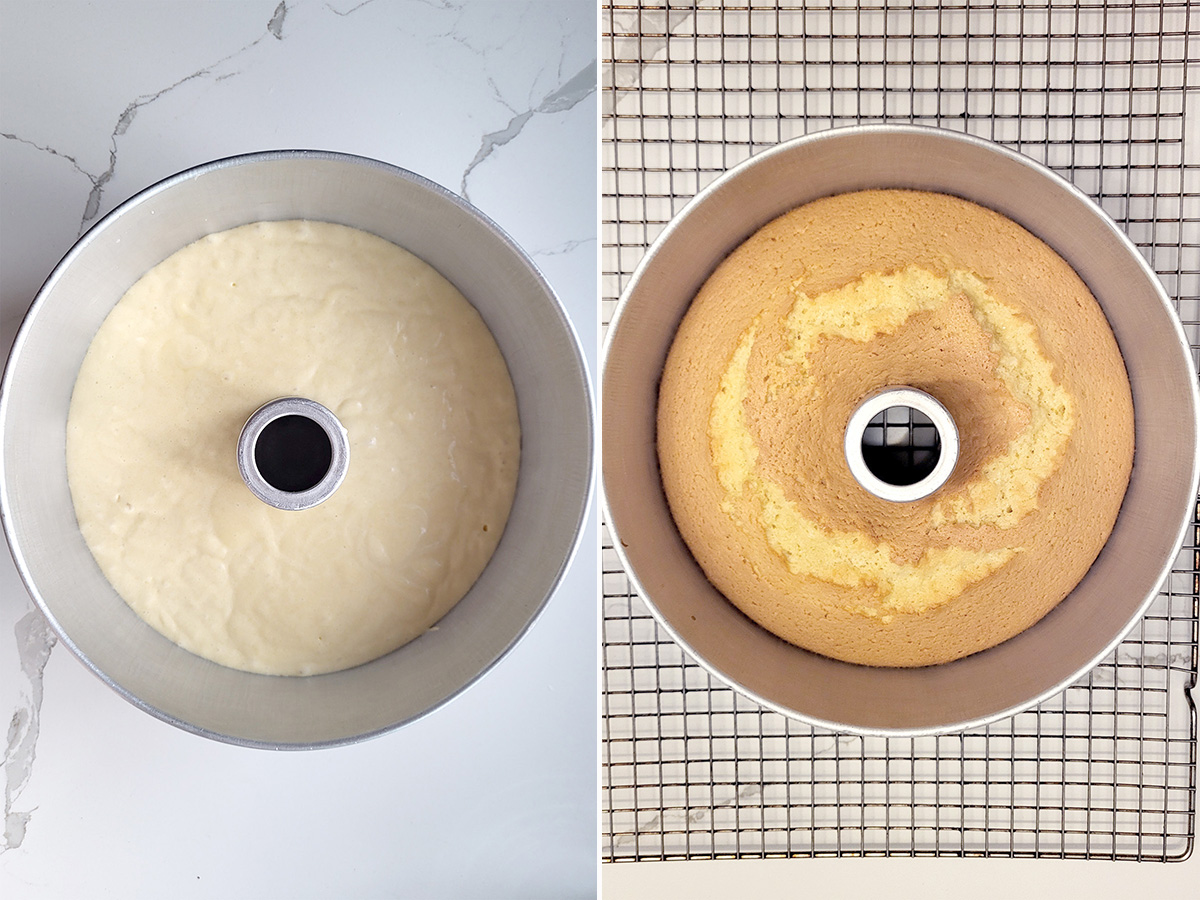
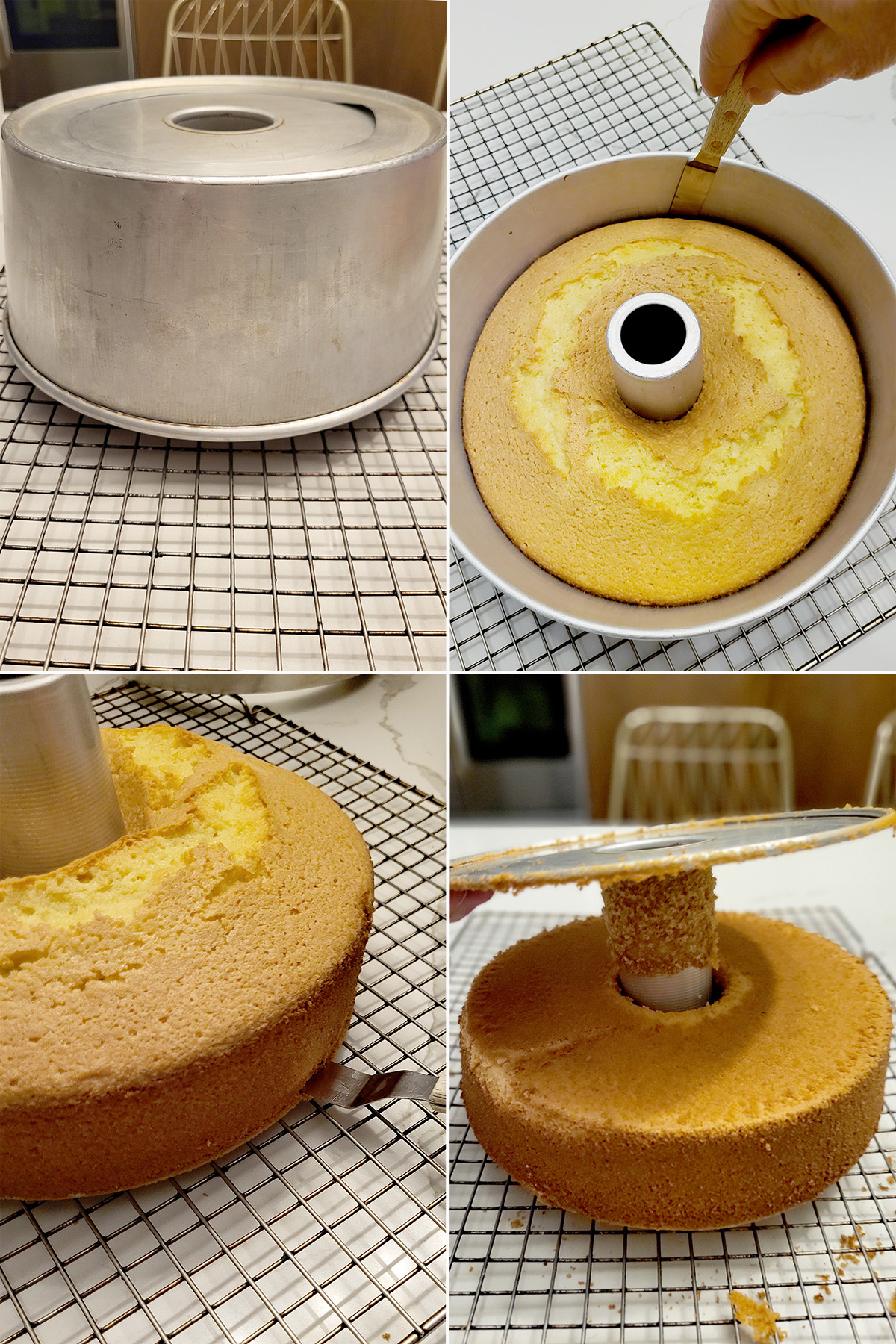
The cake’s visual appeal is further enhanced by its finishing touches. A delicate coconut glaze provides a subtle sweetness and a moist sheen, while a generous sprinkling of toasted coconut flakes adds a delightful textural contrast and an intensified nutty aroma. This final flourish elevates the cake from a mere dessert to a sophisticated culinary experience, appealing to both the palate and the eye. The visual journey of the cake, from the initial whisking of coconut oil and eggs, to the airy whipped egg whites, the harmonious folding of ingredients, and its eventual rise in the oven, underscores the meticulous craft involved. Pictures capturing the batter’s transformation, the cake’s golden-brown crust post-baking, and its careful cooling upside down (a standard chiffon technique to prevent collapse) all illustrate the precision of the process.
Broader Implications and Market Trends
The development of this Coconut Chiffon Cake aligns with several prevailing trends in the broader culinary and consumer markets. There is a sustained and growing consumer demand for plant-based ingredients and alternative flours, driven by dietary preferences, health consciousness, and an increasing appreciation for diverse flavor profiles. Coconut, in particular, has seen a surge in popularity across various food categories, recognized for its distinct taste, versatility, and perceived health benefits. This recipe capitalizes on these trends by showcasing how traditional desserts can be innovated using modern ingredient choices.
Furthermore, the emphasis on "unrefined" ingredients resonates with consumers seeking more natural and minimally processed food options. The choice of unrefined coconut oil not only enhances flavor but also aligns with a preference for ingredients closer to their natural state. The detailed explanation of the recipe development process also offers valuable insights for home bakers, transforming the act of baking from a mere following of instructions into an educational experience that demystifies the science behind successful results. This approach empowers home bakers to understand why certain steps are taken and how ingredients interact, fostering greater confidence and creativity in their own kitchens.
The nutritional profile provided for the cake (331 kcal, 48g carbohydrates, 5g protein, 14g fat per slice) offers transparency and allows consumers to make informed dietary choices. While a treat, the inclusion of coconut flour also contributes to a higher fiber content (2g per slice) compared to cakes made solely with refined flours, subtly enhancing its nutritional value.
Storage and Longevity
Practical considerations for consumers are also addressed, ensuring the longevity and quality of the finished product. The Coconut Chiffon Cake maintains its optimal freshness and texture when stored at room temperature for a period of three to four days. For extended preservation, individual slices can be carefully wrapped and frozen, retaining their quality for one to two months. This flexibility in storage makes the cake a convenient option for both immediate consumption and future enjoyment, further enhancing its appeal to a wide audience.
Conclusion
The successful development of the Coconut Chiffon Cake by Baking-Sense.com is a compelling example of culinary innovation rooted in scientific understanding and meticulous execution. By skillfully navigating the complexities of ingredient interactions and embracing an iterative testing methodology, the developers have produced a dessert that not only delights the palate with its distinct tropical flavor but also upholds the delicate textural integrity characteristic of a classic chiffon cake. This achievement not only expands the repertoire of sophisticated baking but also provides a valuable educational resource, demonstrating how a deep understanding of baking principles can transform and elevate traditional recipes to new culinary heights, ultimately offering a truly unique and memorable dessert experience.