South Africa’s Viticultural Heritage Takes Center Stage as Old Vine Registry Reaches 10,000 Vineyard Milestone

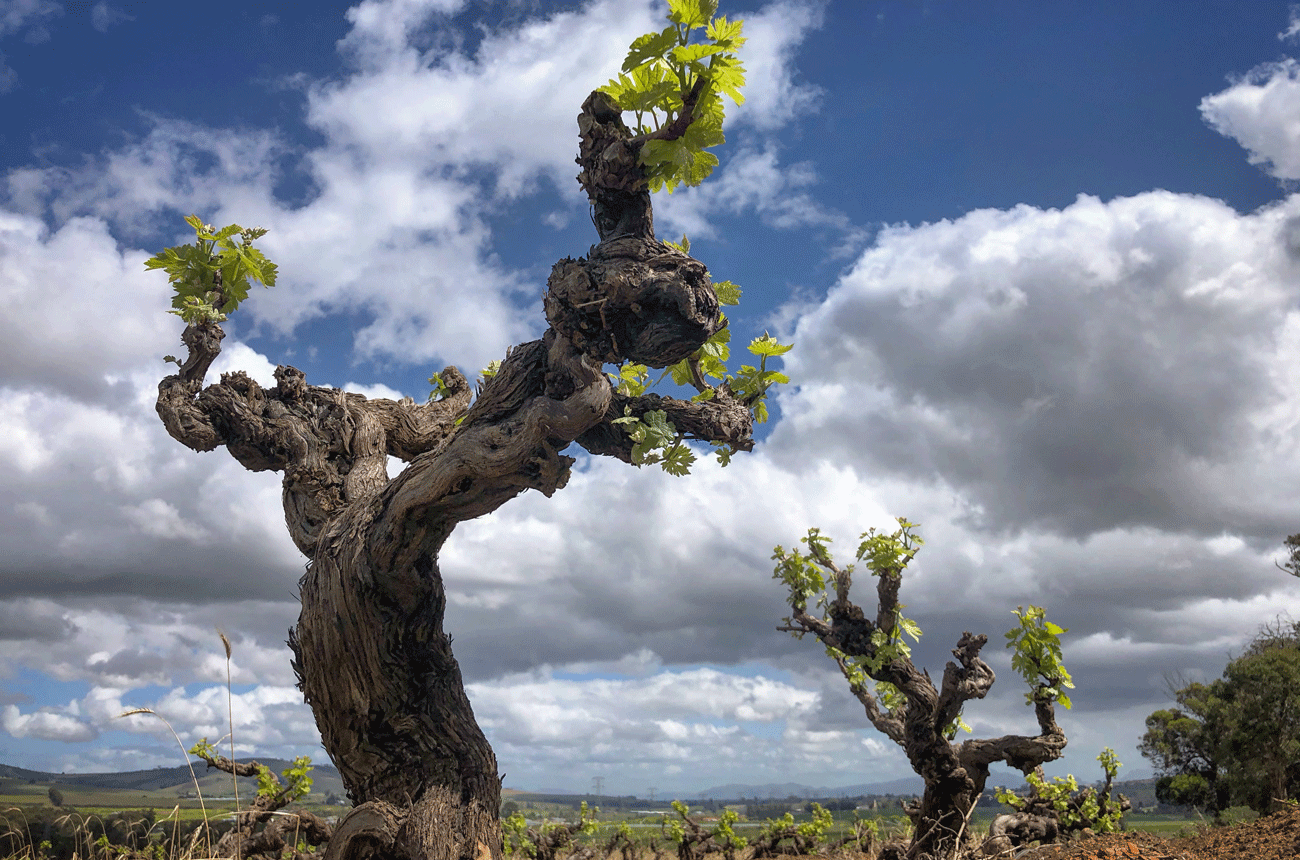
The global effort to document and preserve the world’s most historic viticultural sites reached a significant landmark at the end of March when the Old Vine Registry officially surpassed 10,000 registered vineyards. This public, crowdsourced database, which serves as the definitive global record for living vineyards aged 35 years and older, has rapidly expanded since its launch in 2023. It now encompasses more than 40,900 hectares of historic plantings, representing 1,144 distinct grape varieties across 42 countries. In a development that industry experts describe as poetically appropriate, the 10,000th vineyard to be recorded is located in South Africa—a nation that has become a global leader in the formal protection and promotion of old-growth vines.
The milestone entry is the Hope Vineyard, owned by Beaumont Family Wines and situated in the Bot River region of the Western Cape. Planted in 1974, this site is dedicated to Chenin Blanc, a variety that has become synonymous with South Africa’s "Old Vine" movement. The registration of Hope Vineyard highlights a broader shift in the wine industry, where ancient plantings are no longer viewed merely as low-yielding liabilities, but as irreplaceable assets that offer unique character, environmental resilience, and a tangible link to viticultural history.
The Genesis and Growth of the Old Vine Registry
The Old Vine Registry (OVR) was conceived as a response to the alarming rate at which historic vineyards were being uprooted due to urban development, low profitability, or a preference for high-yielding young vines. While many wine regions have local traditions of honoring old vines, there was previously no centralized, transparent, and globally accessible platform to track these sites. The OVR was born from a collaboration between prominent wine figures, including Jancis Robinson MW, Sarah Abbott MW, and a dedicated team of viticulturists and data specialists.
Initially launched as a digital evolution of a private database maintained by Robinson and wine writer Tamlyn Currin, the registry has grown into a sophisticated tool for researchers, winemakers, and consumers. By documenting the location, age, variety, and ownership of these vines, the registry provides a layer of visibility that acts as a safeguard. When a vineyard is "on the map," it gains a level of prestige and recognition that can make it economically viable for owners to preserve rather than destroy.
The current data reflects a diverse global landscape. While traditional European strongholds like France, Spain, and Italy feature prominently, the registry has also uncovered significant pockets of ancient vines in "New World" regions such as Australia’s Barossa Valley, California’s Lodi district, and Chile’s Maule Valley. The inclusion of 1,144 different grape varieties underscores the role of old vineyards as repositories of genetic diversity, often harboring rare clones or "forgotten" varieties that may hold the key to adapting to future climatic shifts.
South Africa’s Pioneering Role: The Old Vine Project
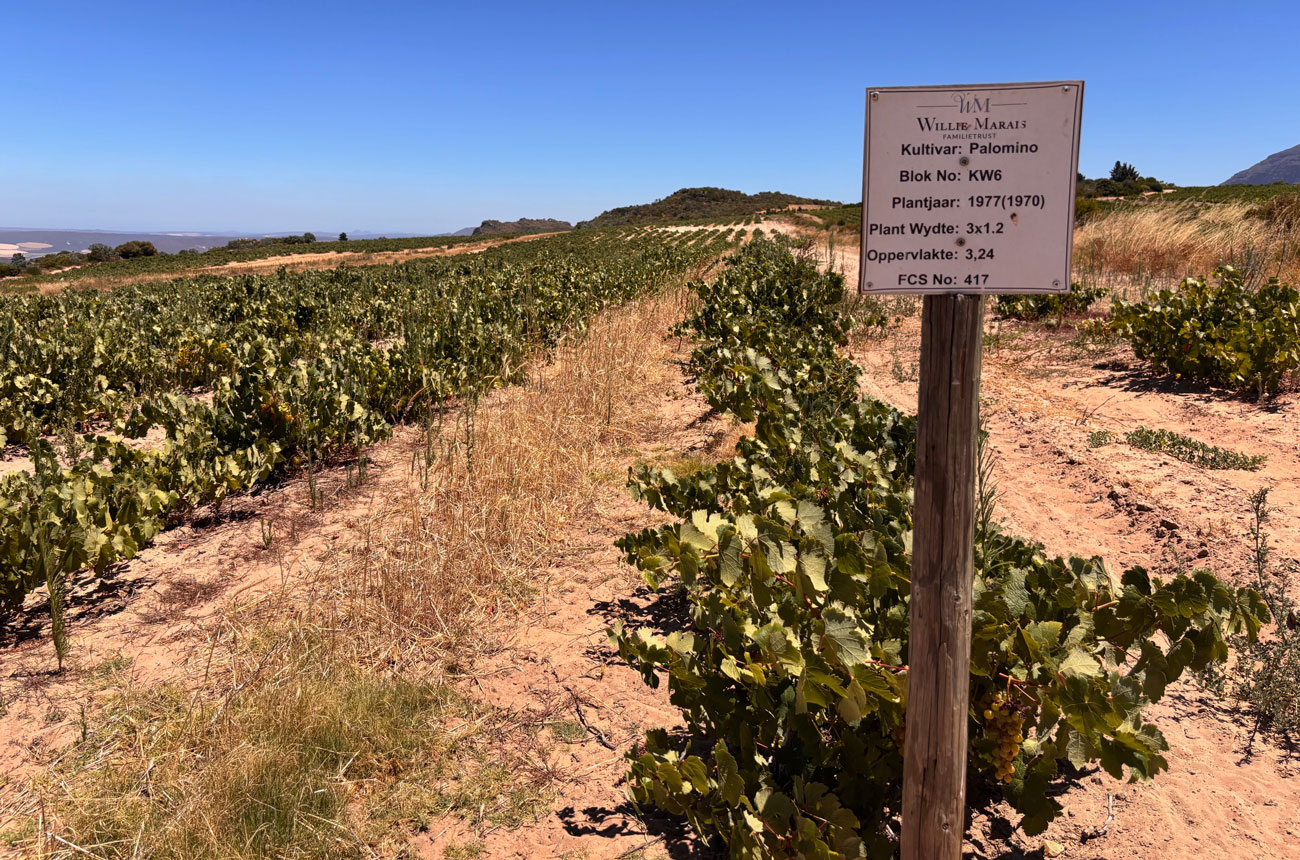
The fact that South Africa claimed the 10,000th spot on the registry is a testament to the country’s proactive stance on heritage preservation. Central to this success is the Old Vine Project (OVP), a non-profit organization founded in 2016 by the visionary viticulturist Rosa Kruger. Kruger, who was the first South African to be inducted into the Decanter Hall of Fame in 2022, spent years traversing the Cape’s wine regions to identify and document forgotten plots of old vines.
Under Kruger’s leadership and the subsequent management of André Morgenthal, the OVP has grown to include over 130 members. The organization currently protects approximately 5,159 hectares of vines aged 35 years and older. This age threshold aligns with the formal definition of an "old vine" established by the International Organisation of Vine and Wine (OIV).
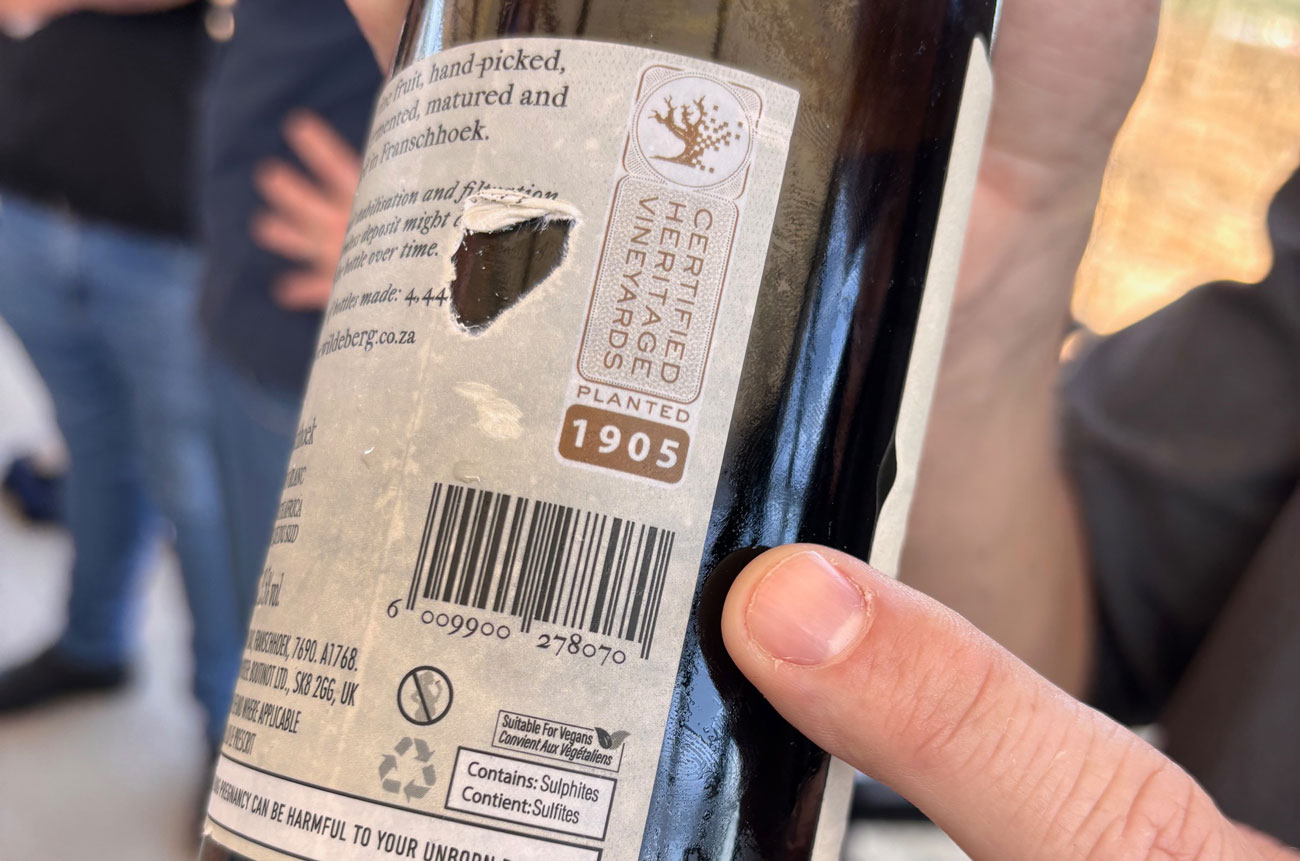
The OVP’s most significant contribution to the commercial viability of these vines was the 2018 introduction of the "Certified Heritage Vineyard" seal. This world-first certification is applied to the capsules or labels of wines produced from registered old vines. It provides a guarantee to the consumer that the wine is a product of a specific, aged site, often including the exact planting date on the label. This transparency has allowed South African producers to command premium prices, ensuring that the farmers who maintain these low-yielding sites are fairly compensated.
The Science and Sustainability of Age
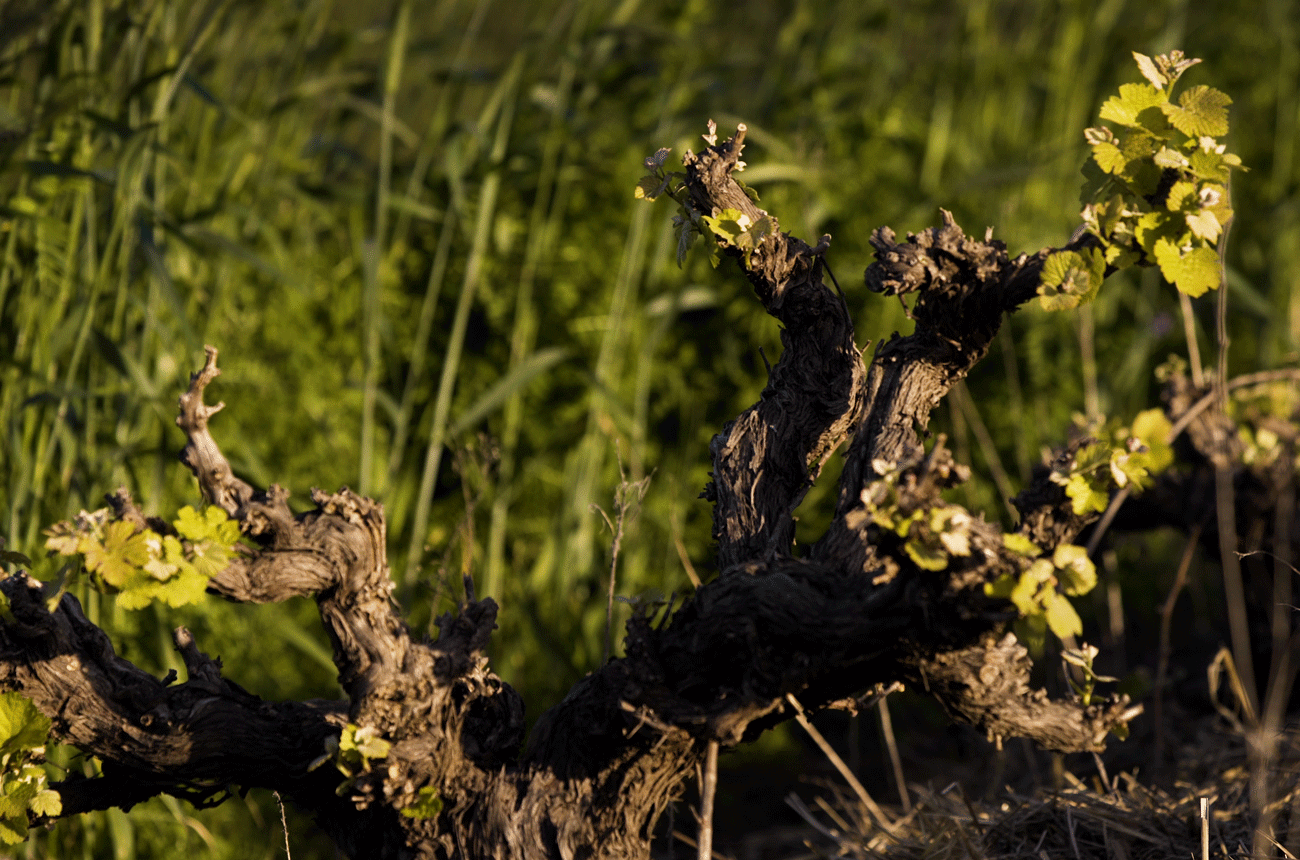
The preservation of old vines is driven by more than just nostalgia; it is increasingly backed by viticultural science. As grapevines age, their root systems penetrate deeper into the soil, sometimes reaching depths of several meters. This allows the plants to access moisture and nutrients that are unavailable to younger vines with shallower root zones.
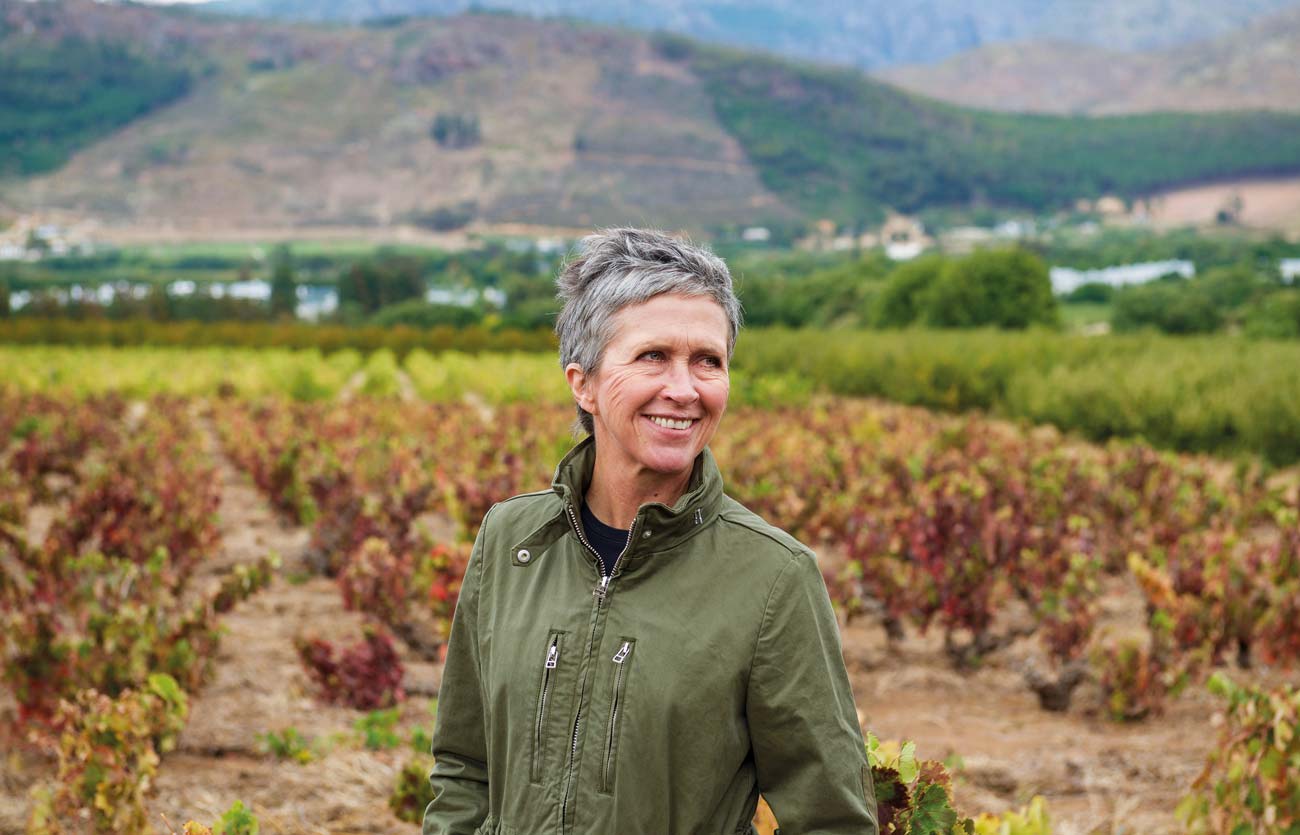
Duran Cornhill, winemaker for Donkiesbaai in Stellenbosch, emphasizes the practical benefits of this maturity. "Old vines are incredibly resilient against climate change and the more frequent dry seasons we’ve been experiencing in South Africa," Cornhill notes. This resilience is a critical factor in a world facing increasingly volatile weather patterns. Deep-rooted vines are less susceptible to the immediate shocks of heatwaves or short-term droughts, resulting in more consistent fruit quality year after year.
Furthermore, old vines are known for their ability to self-regulate. Unlike young vines, which often require intensive canopy management and fruit thinning to prevent overproduction, older vines naturally produce smaller crops of highly concentrated berries. Marius Burger Jnr of Roodekrantz Wines explains that these vineyards "ripen fruit with remarkable balance, often delivering better acid retention, phenolic depth, and site expression." This balance translates into wines with a distinctive "sense of place" and a structural complexity that is difficult to replicate with younger material.
Economic Realities and the "Good Fight"
Despite the prestige associated with old vines, their survival is a constant battle against economic pressure. Old vines typically produce much lower yields than their younger counterparts. For a commercial grower paid by the ton, a vineyard that produces only three tons per hectare may be seen as a financial drain compared to a young vineyard producing fifteen tons.
Wilhelm Kritzinger, cellar master at Bellevue Stellenbosch, describes the work of the Old Vine Project as a "good fight" against the "economics of it." By creating an international platform and generating demand for old-vine wines, organizations like the OVP and the Old Vine Registry have helped shift the financial equation. "This generated the awareness, recognition, respect and demand for these wines, at international price points, that allows the sustainability of farming these mostly low-yielding old vines," Kritzinger says.
The marketing of "authenticity" has become a powerful tool in the global wine trade. Carol Maggs of Welgegund Heritage Wines points out that the certification helps attract consumers who are weary of mass-produced, homogenized products. "South Africa has a rich wine history and old vines are the living records," she says. "By protecting our older vines, we help tell the story of the dedication of generations of wine growers."
A Chronology of the Old Vine Movement
The rise of the old vine movement can be traced through several key milestones over the past decade:
- 2002–2015: Rosa Kruger begins her unofficial search for South Africa’s oldest vineyards, mapping sites in regions like Piekenierskloof and the Swartland.
- 2016: The Old Vine Project (OVP) is formally established in South Africa, creating the world’s first structured approach to old vine preservation.
- 2018: South Africa launches the "Certified Heritage Vineyard" seal, providing a legal and commercial framework for old-vine labeling.
- 2021: The Old Vine Conference is founded in the UK by Sarah Abbott MW, Leo Cassel, and Alun Griffiths MW, aiming to create a global network for old vine advocacy.
- 2023: The Old Vine Registry is launched as a digital, public-facing database to catalog the world’s heritage vineyards.
- March 2024: The Registry hits the 10,000th vineyard milestone with Beaumont Family Wine’s Hope Vineyard.
Broader Implications for the Global Wine Industry
The success of the Old Vine Registry and the South African model suggests a shifting paradigm for the global wine industry. As the 10,000-vineyard mark is passed, several implications emerge for the future:
- Standardization of Terminology: Currently, "Old Vines" (or Vieilles Vignes, Viñas Viejas, Alte Reben) is a term used loosely in many regions without legal oversight. The success of the OVP’s 35-year rule and the OVR’s documentation is pushing the industry toward a more standardized definition, which protects consumers from "greenwashing" or misleading marketing.
- Genetic Preservation: These 10,000 vineyards represent a massive "living library" of vine genetics. In an era where many vineyards are planted with a limited number of commercial clones, old vineyards often contain genetic variations that are more adapted to local conditions and may offer resistance to pests or diseases.
- Climate Change Mitigation: The proven resilience of old vines makes them a focal point for viticultural research. Understanding how these plants have adapted over 50, 80, or 100 years provides valuable data for managing younger vineyards in a warming climate.
- Cultural Tourism: Historic vineyards are increasingly becoming destinations for wine tourists seeking "terroir-driven" experiences. This adds another layer of economic value to rural communities, as seen in regions like the Barossa Valley or the Douro, where centenarian vines are treated as national monuments.
The Philosophical Value of Age
Beyond the metrics of yield and pH levels, there is a philosophical dimension to the preservation of old vines. Danie Morkel of Fuselage Wines in Wellington draws a parallel between vineyards and human experience. While young vineyards bring "energy and enthusiasm," older vineyards offer "a quiet depth, a sense of place, and a character shaped over time."
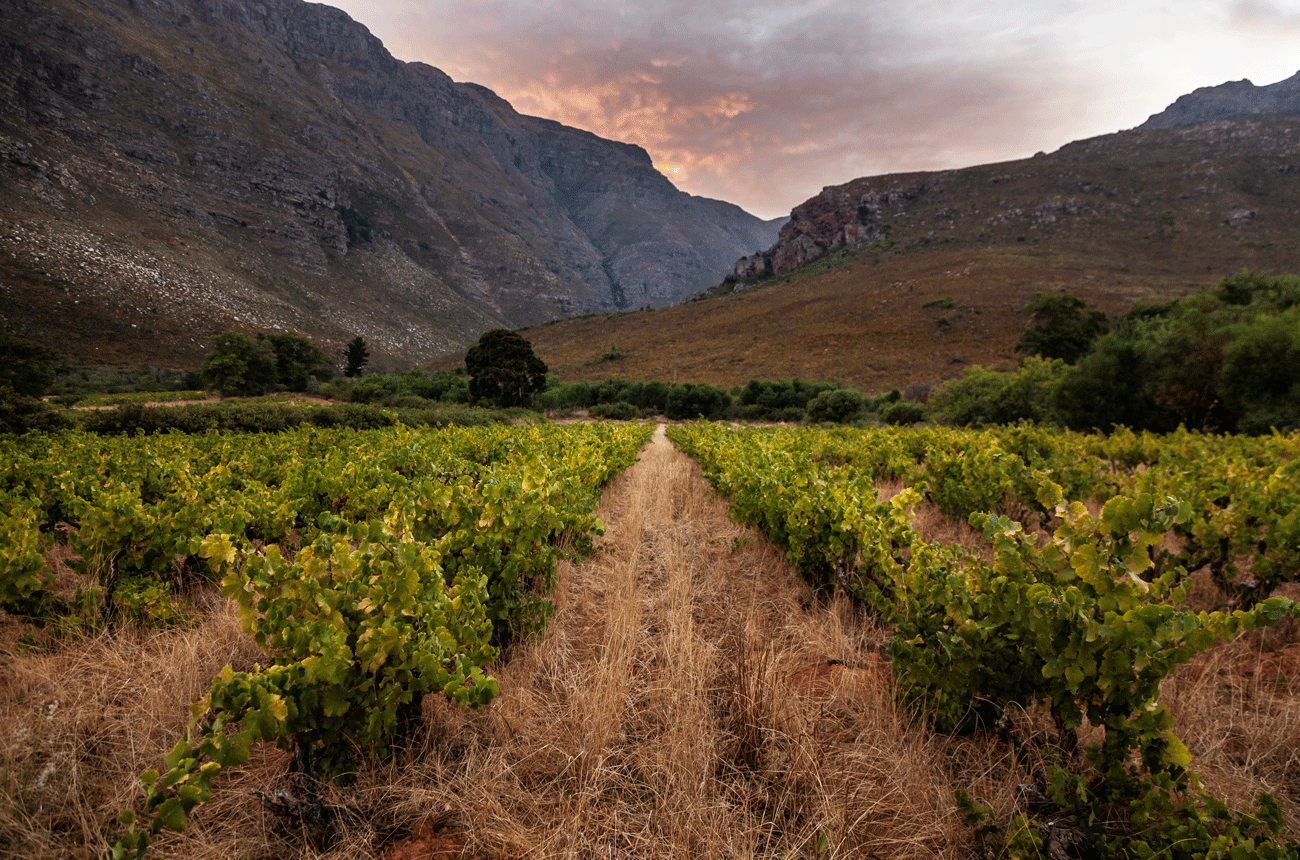
As the Old Vine Registry continues to grow toward its next milestone, the inclusion of sites like the Hope Vineyard ensures that the "conversation" between the past and the future of winemaking remains open. The global wine community’s commitment to documenting these 10,000 sites—and the thousands more yet to be registered—represents a collective decision to value quality over quantity and heritage over expediency. For the wine lover, this means that the unique, nuanced character of the world’s most resilient vines will continue to be available in the glass for generations to come.